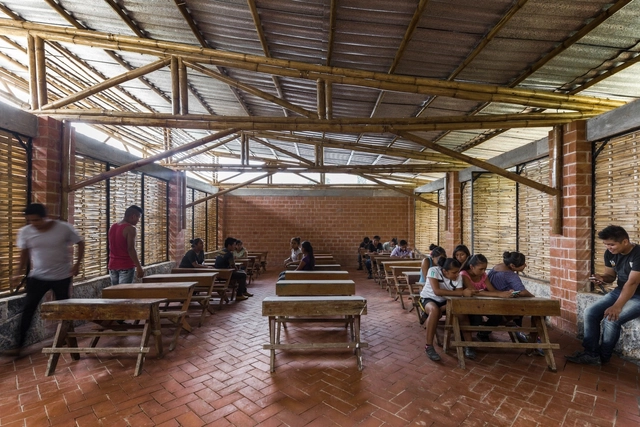
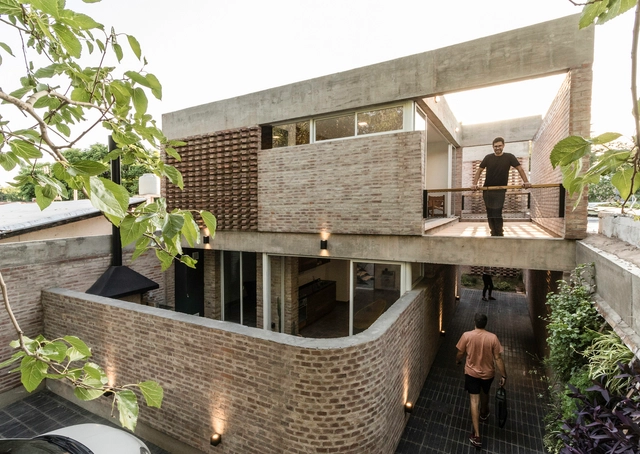
The winners of the first edition of the National Brick Architecture Award have been announced. Jointly organized by the Central Society of Architects (SCA) and the Chamber of the Red Ceramic Industry (CICER), the competition sought to highlight Argentina's architectural production based on the use of ceramic masonry units and to promote the widespread use of this material as a sustainable, long-term element in both urban and rural environments.
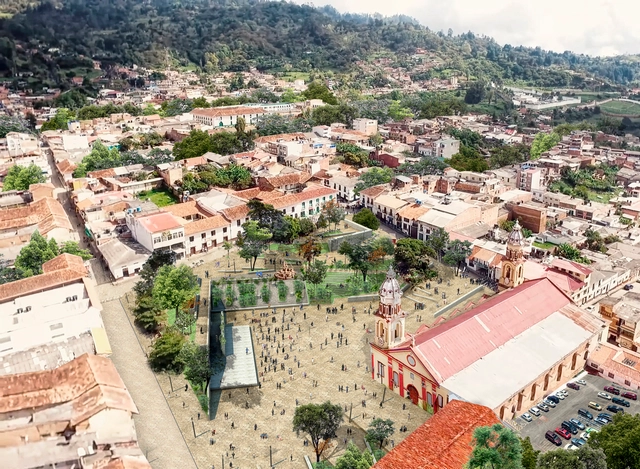
The picturesque municipality of Vélez, located in the southern region of the department of Santander, is set to receive a renovated main square. Known for its famous bocadillos (guava paste) and its unique "transverse" church (iglesia atravesada), the town will also see the revitalization of the facades of the traditional buildings surrounding the square.
Videos
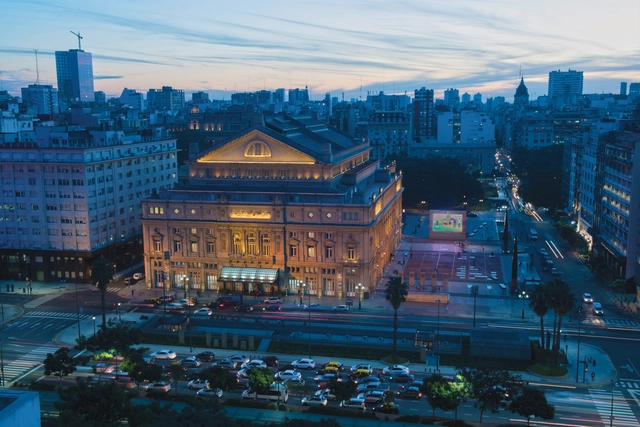
Teatro Colón - Aerial exterior view. Image via [buenosaires.gob.ar] under Creative Commons Attribution 2.5 Argentina license
The Ministry of Culture of the City of Buenos Aires, in collaboration with the Tourism Board, invites the public to explore local architecture and culture through “Turismo Cultural BA”. This virtual series, stemming from the Cultura en Casa initiative, offers weekly online tours of some of the most iconic buildings in Buenos Aires, showcasing art exhibitions and spaces associated with the city's history and culture. This virtual format allows people worldwide to access Buenos Aires' architectural and cultural heritage from home, in compliance with the isolation measures implemented by the country to combat COVID-19.
On March 16, in an effort to protect public health and reduce the transmission of COVID-19 in Peru, the country declared a mandatory quarantine. Under this exceptional measure, all residents must remain in their homes until—for the time being—April 26, refraining from going to work and limiting their movement in public spaces. The restructuring of urban life is already striking: streets and public gathering spaces like plazas, parks, and beaches that were once overflowing with people are now completely empty.
Today, our perception of the construction industry has completely changed. We find ourselves in a digital era that drives us to work collaboratively in multidisciplinary teams, making BIM an essential and mandatory tool for professional advancement.
If you are already working with the BIM methodology, read to the end of the article to find out how you can improve and advance.
https://www.archdaily.com/1124025/editecas-online-bim-masters-flexible-modules-that-adapt-to-your-level-of-knowledgeArchDaily Team
The 2020 FAD Awards, one of the most prestigious architecture accolades on the Iberian Peninsula, has announced the finalist projects for its latest edition.
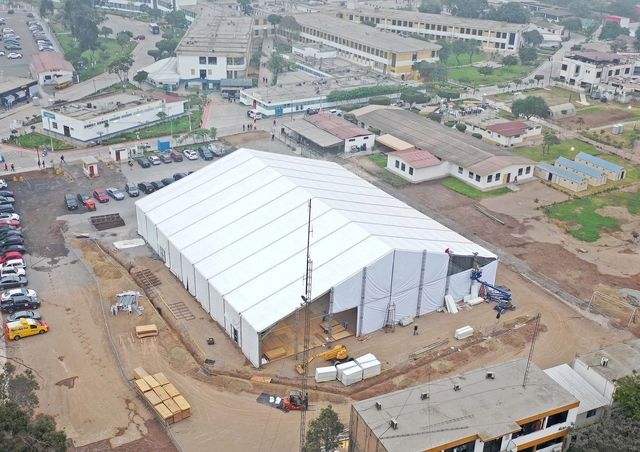
In recent months, Legado Lima 2019 has become one of the key organizations collaborating in the fight against the coronavirus pandemic in Peru. Thanks to hosting the Pan American and Parapan American Games in 2019, the country was able to apply lessons learned in infrastructure, equipment, protocols, and operations to combat COVID-19, repurposing and transforming modern infrastructure—originally built to host the continent's largest multi-sport event—to confront the pandemic.
While MASP is closed in accordance with World Health Organization guidelines, you can still explore the museum's collection through Google Arts & Culture or via its #maspemcasa digital programming.
How a work of architecture or interior design looks and ages over time is heavily determined by its materials and the products used. If the choice of materials and products is inaccurate, both the appearance and the performance of the project could be compromised.
This is why specification is essential to achieving the desired outcome at a project's completion, and the professional in charge of this stage must have an extensive knowledge of the materials and products available in their region. But is material specification the same across all architecture firms? Is this project phase given the same importance as the initial design phase? How close is the relationship between architects and materials really?
https://www.archdaily.com/1124032/survey-how-do-architects-and-industry-professionals-specify-materials-and-productsPola Mora
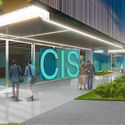
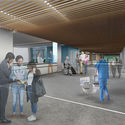
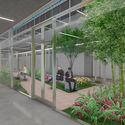
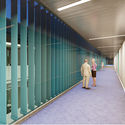
The winners of the Urban Architectural Design Ideas Competition for the Health Innovation Center (CIS) in Ecuador have been announced. Organized by the University Health Company (EUS EP) and the University of Cuenca, the competition invited architecture professionals and students to generate innovative solutions in the medical field to link academia, research, and teaching. The initiative frames health as a set of preventive actions and highlights the importance of social issues, such as comprehensive support for patients with chronic diseases like cancer, diabetes, and arthritis.
The Chilean historian, monk, and architect Gabriel Guarda, co-author of the Benedictine Monastery Chapel alongside Martín Correa in Santiago, Chile, passed away today at the age of 92.
The call for entries for the Third Edition of the Oscar Niemeyer Award for Latin American Architecture, presented by the Network of Architecture Biennials of Latin America, has successfully concluded. A total of 101 works from 12 Latin American countries are participating, with Mexico represented by 30 high-quality and diverse projects—all clear examples of outstanding contemporary architectural production.
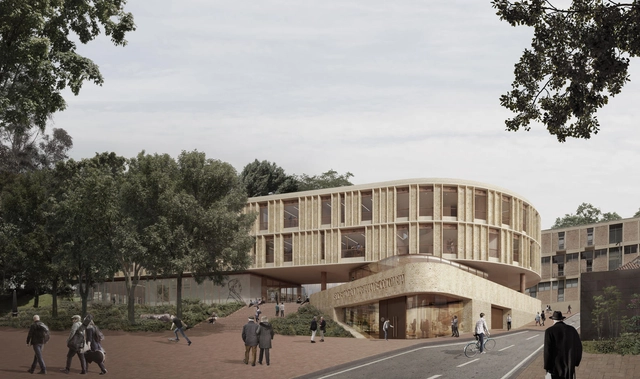
Universidad de los Andes has announced the results of the private competition for the Sociedad Bolivariana - Uniandes Building, with Juan Pablo Ortiz Arquitectos emerging as the winners. Discover the seven competition proposals below.
If we could travel back in time one hundred years and organize an ideas competition to visualize what Bogota would look like in 2020, the proposals would be far from the reality of the urban landscape experienced today in the Colombian capital. Back then, little was known about the events that would later shape history, such as the Bogotazo, which led to the rebuilding or remodeling of most of the buildings that served as architectural landmarks of previous centuries.
The uncertainty of a distant future is perpetual. Yet, this does not stop the imagination from creating utopian or dystopian scenarios of that urban dimension for 2120. This was the main goal of the rendering competition organized by the Student Collective of the Colombian Society of Architects (CESCA) of the Bogota and Cundinamarca chapter.
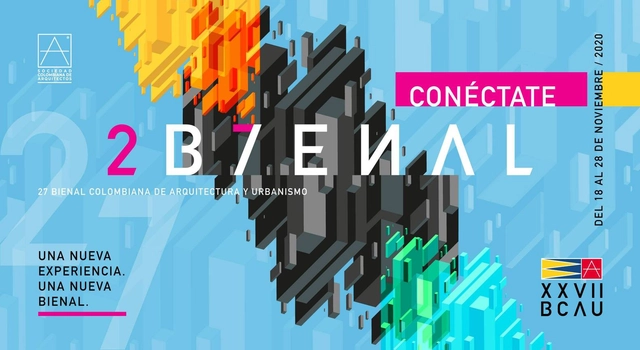
For the first time, the Colombian Biennial of Architecture and Urbanism, organized by the Colombian Society of Architects (SCA), will be held virtually. In its 27th edition, over ten days, more than 60 lectures, 9 panels, and 4 forums will be available. Explore the full schedule of the main room below. Meanwhile, the parallel room will showcase the Biennial's finalist projects.
Currently, the volume of projects produced within universities in Mexico is immense, and we believe it is the perfect time to showcase some of their best work. Many undergraduate theses, also known as final graduation projects, address highly interesting and valuable topics for the country; unfortunately, the vast majority end up stored on library shelves or in a computer folder, missing the opportunity to drive real change in our cities and how we inhabit them.
As part of an event held for the thirteenth consecutive year, a showroom opened in October featuring spaces designed by various architects and designers to showcase the new ColorLife TRENDS 2021 palettes by the Comex brand. Participants included Adrián Marfil, Alexia Ulibarri, Andrés Gutiérrez, Arlette Salas, Cristina Grappin, Jorge Ballina, Luis H. Muñoz, Mauricio De la Garza, Moisés Hernández, Penélope De la Madrid, and Rodrigo Noriega.








.jpg?1589983962&format=webp&width=640&height=580)