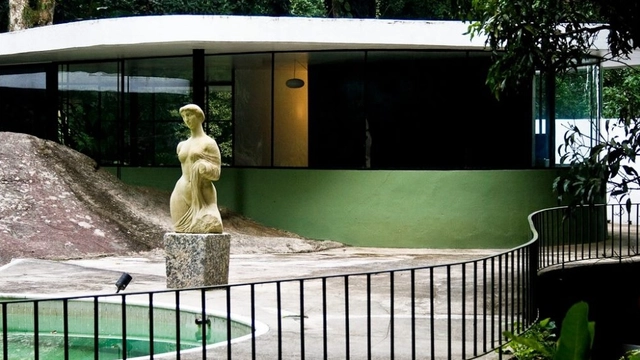
Casa das Canoas. Photo: Iáfa Cac / Audi Magazine / Publicity
The Casa das Canoas, a landmark residence designed by Oscar Niemeyer in 1951 in Rio de Janeiro and listed as a heritage site by the National Institute of Historic and Artistic Heritage (IPHAN), is currently closed. Considered a milestone of modern architecture, the house became famous for being built at the foot of Pedra Bonita in the São Conrado neighborhood. Today, it is at the center of a dispute between the family of the architect who designed the residence and the Oscar Niemeyer Foundation, which is responsible for the property's preservation.
https://www.archdaily.com/1122422/niemeyers-house-lies-abandoned-and-becomes-the-stage-for-a-dispute-between-family-members-and-the-foundationBruno Gabriel
Monograph recently released a data-driven starchitect ranking to show how popular famous architects are. Created by digital product designer Moe Amaya and Monograph's data team, the project utilizes the STAR system ranking algorithm to determine the relative popularity and value of an architect's brand.
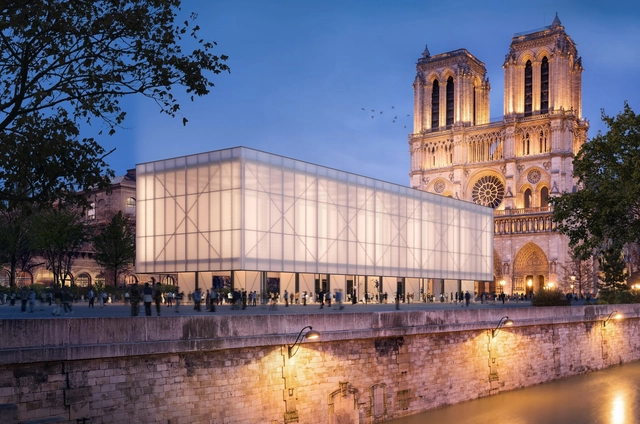
Pavillon Notre-Dame. Image Courtesy of Brick Visual
Architecture firm Gensler has unveiled a design for a temporary worship pavilion at Notre-Dame Cathedral in Paris. Set to be located in Parvis Square, the temporary structure would be constructed primarily out of charred timber for added strength and durability. The proposal comes after the Notre Dame fire in April this year. The Pavillon Notre-Dame was designed to offer hope to Parisians and international visitors while the 850-year-old cathedral is being restored.
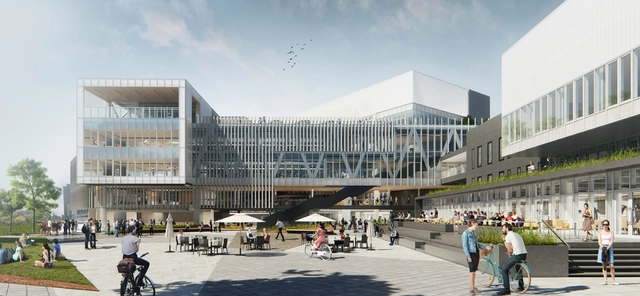
MK:U International Design Competition announced today that the International team led by London based Hopkins Architects was selected unanimously by the jurors, as the winner of their new model university competition launched in early 2019.
MK:U is one of many big projects planned for Milton Keynes’s near future, in order to develop the economy of the city, to reach new competitive heights. The university is a partnership between MKC and Cranfield University. Designed to meet the needs of the digital age, it basically equips students for the 21st-century workplace, and for future careers in emerging fields.
ArchDaily, Strelka Institute, and Strelka KB have selected a long list of 50 architectural projects from Armenia, Belarus, Estonia, Georgia, Lithuania, Moldova, Russia, Ukraine, and Uzbekistan. The open call invited emerging architects to submit their built projects that emphasize sustainability, research-based and participatory design, and the innovative use of materials. Architects and architecture and design firms that started their practice no more than 10 years ago could apply with projects that were built in the past five years.
Until July 31, the readers of ArchDaily and Strelka Mag can vote for the projects that will make the shortlist.
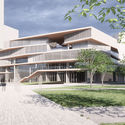
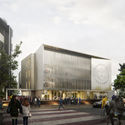
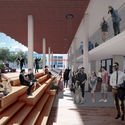
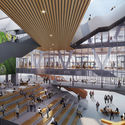
The Universidad de Lima, the most influential institution in Peru, is expanding its campus, in the heart of the capital, to offer a new learning experience, a never seen before novelty amongst the schools in Latin America.
The project’s main purpose is to create the whole college town, usually found abroad, in its central location in Lima. This innovative approach comes from the understanding of the importance of the concept of “university-cities” as a key economic driver. In fact, the master plan suggests making the campus as inclusive as possible, by putting in place all the facilities needed for students to actually linger.
Bee Breeders has announced the winners of the Teamakers Guest House competition, calling for design proposals for an eco-friendly, cost-effective accommodation to house visitors to the Ozolini teamakers retreat, situated in a forest 100 kilometers southeast of the Latvian capital of Riga.
https://www.archdaily.com/922000/teamakers-guest-house-competition-results-announcedNiall Patrick Walsh
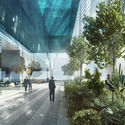
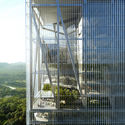
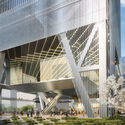
bKL Architecture has released its design for the UBTECH Headquarters in Shenzhen, China. Seeking to harmonize technology and nature, the 212-meter-high scheme features an expressive structure and mass, and vast, expansive sky gardens. The expressive gardens allow for all floors of the mixed-use office building to host an interactive experience with nature.
Female architects and urban planners account for 63.47% of the 174,513 registered professionals currently in the country. Despite being the majority in the profession, the spotlight remains focused on men. To break this paradigm and promote dialogue and ways to foster the inclusion and visibility of women in the multiple fields of Architecture and Urban Planning, the Council of Architecture and Urbanism of Rio de Janeiro (CAU/RJ) has launched the CAU + Mulheres Award.
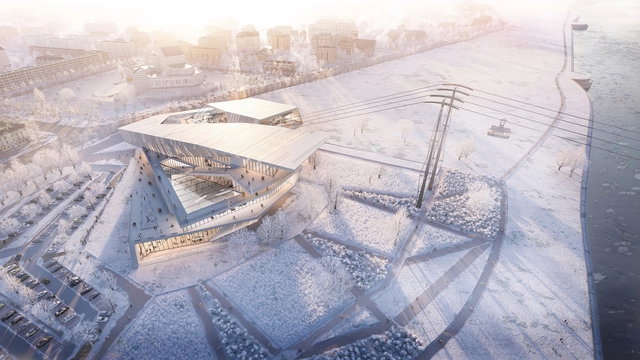
Blagoveshchensk Cable Car. Image Courtesy of PYXID
UNStudio has won the competition to design the world's first cross-border cable car to carry passengers across the Amur River connecting Russia and China. The Cable Car Terminal is designed as an expression of the historic connection between the two cities of Blagoveshchensk and Heihe. The new cable car line aims to become an engine for creating social connections between the two cultures and will connect the cities in less than 10 minutes.
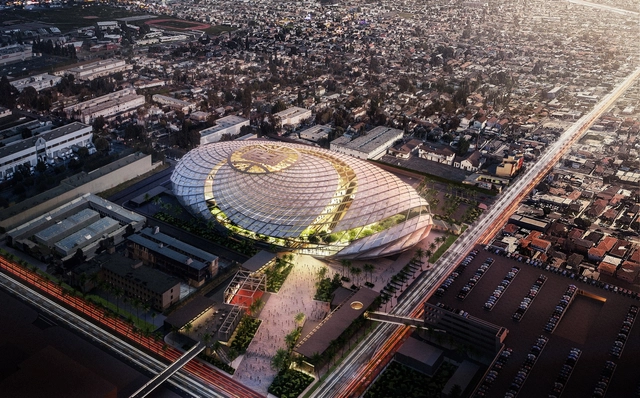
LA Clippers Arena. Image Courtesy of Los Angeles Clippers, AECOM
AECOM has unveiled a new design for a "basketball net-inspired" 900,000-square-foot arena for the LA Clippers in Inglewood. Working with Anderson Barker Architects, the City Design Studio of Los Angeles, and Hood Studios, the team's proposal includes a solar panel tile cladding system around the building and sunken basketball court. The project's facade was designed to symbolize the diamond shapes in a basketball net.
Herzog & De Meuron presented this week to the public their new vision for the cityscape and the urban life of Munich. The plan revolves around a former postal railway hub, the Paketposthalle, an impressive concrete structure built in the 60’s, used lately as a sorting office for general mail. The 87,000 square meters site was recently acquired by Büschl, a private group of developers, who commissioned Herzog & de Meuron to create a new urban study for the area.
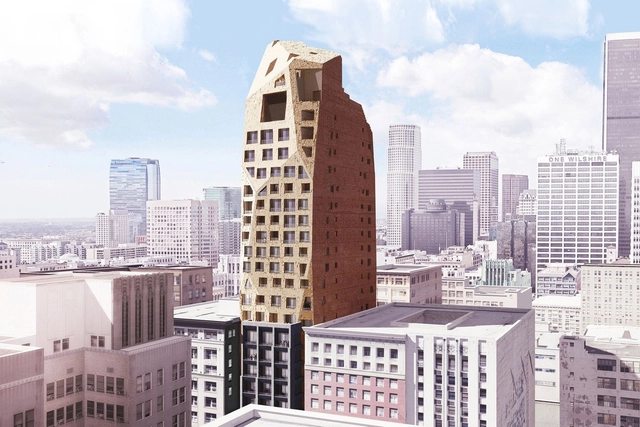
Spring Street Hotel. Image Courtesy of Adam Sokol Architecture Practice (ASAP)
Adam Sokol Architecture Practice (ASAP) have revealed the design for a hotel tower made to be a piece of urban geology in downtown Los Angeles. Called the Spring Street Hotel, the project is designed to capitalize on the accelerating growth and development of the downtown LA area. Situated in the core historic district of downtown, the tower aims to build on its distinctive location and cultural context to create a landmark destination for the city.
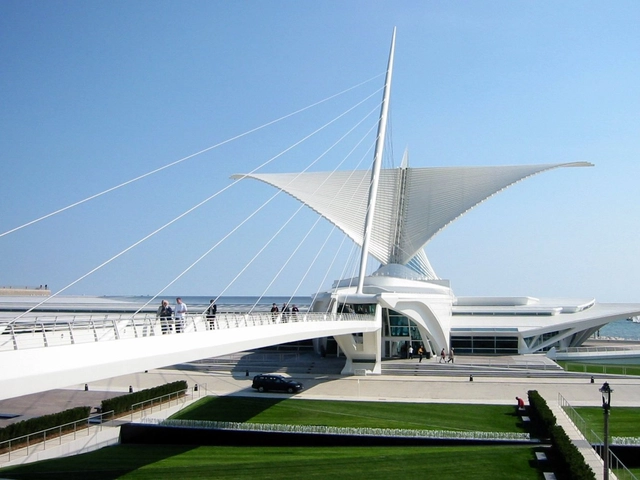
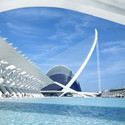
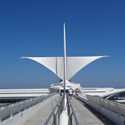
Known for his daring neo-futurist sculptural buildings and over 50 bridges worldwide, Santiago Calatrava (born July 28, 1951) is one of the most celebrated and controversial architects working today. Trained as both an architect and structural engineer, Calatrava has been lauded throughout his career for his work that seems to defy physical laws and imbues a sense of motion into still objects.
In 1919, the creation of the Bauhaus school in Germany marked an important moment in the history of architecture, one that would ignite innumerable debates about architecture and design for years to come. This school, which later became more of a movement than an institution, faced an array of political resistance throughout its existence, eventually closing its doors in 1933 during the Nazi regime. However, the knowledge instilled by the Bauhaus transcended time and space to travel across the globe and make its mark on cities worldwide.
Kengo Kuma & Associates have proposed a new 40-story mixed-use skyscraper incorporating a historic Gothic Revival facade in Seattle. Located in the Belltown neighborhood, the project would reuse the ornate five-story Bebb & Gould’s Terminal Sales Annex facade. Made in collaboration with Ankrom Moisan Architects and the landscape architecture firm Berger Partnership, the project aims to reinforce the Gothic and Art Deco heritage of Seattle’s downtown.
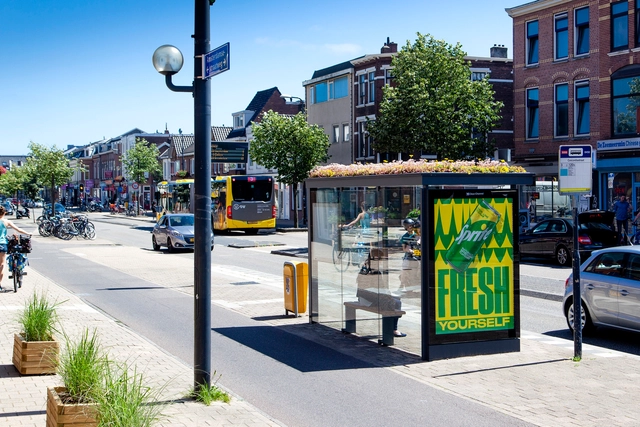
The City of Utrecht Council, in collaboration with advertising agency Clear Channel, has transformed 316 bus stops across the city into “bee stops.” The adaption involved installing green roofs onto the bus stops, creating bee-friendly spaces for the endangered species.