

-
Architects: Inside Out Architecture
- Area: 263 m²
- Year: 2012


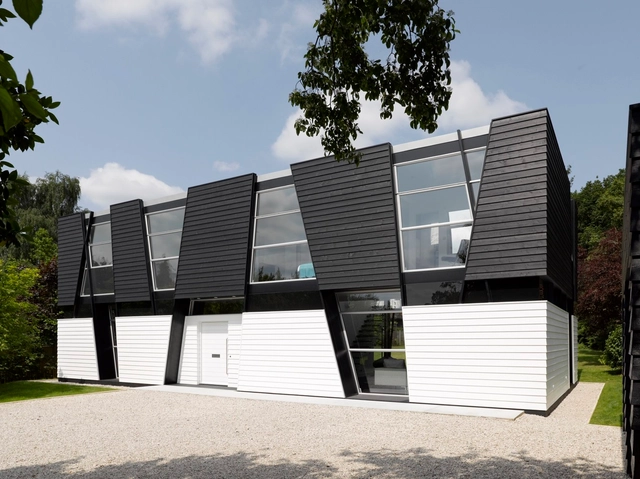

Currently on view until August 30, Unit Architects is presenting their 8-week exhibition in the entrance space of Buro Happold's 17 Newman Street offices as part of Buro Happold’s Emerging Architects event program. A great way to show off some of the upcoming talent in architecture and design, the contribution by Unit Architects to this series focuses on a selection of their work that shares a common approach of engagement with scale, contextual symbology, material presence and considered detailing. More images and architects' description after the break.

Having made his name with the Centre Georges Pompidou and the Lloyd's building, Richard Rogers - who turns 80 today - was commissioned in 1980 to design the Inmos microprocessor factory in Newport, Wales. The factory's design was targeted for the delicate process of microchip assembly, which requires a clean and controlled space. Built at the time of the computer-chip boom, construction had to be completed within one year, a factor which would greatly influence the design.
Rogers's response, based on his previous high-tech designs, was to move the services to the outside of the building and split the interior into 'clean' spaces for microchip assembly and 'dirty' spaces for other tasks. Moreover, Rogers opted for an off-site prefabrication of parts, which not only increased the speed of construction, but would also allow for the factory to be easily replicated as a model.
Read more after the break...

"I have a lot of big plans for the gallery, but every idea is an experiment; I don't necessarily want to enforce what it will be, but rather find out what it wants to be." This is how Thomas Ermacora described his vision of the Lime Wharf Gallery, a largely hidden series of spaces squeezed between Vyner Street and Regents Canal in the middle of Hackney's burgeoning creative quarter.
Ermacora hopes the gallery will become an "accelerator of change through culture", bringing arts, technology and social enterprise together for projects which generate optimism for the future. All of these traits made Lime Wharf Gallery the perfect space to present "Future Fitting." This evening of talks, orchestrated by Ermacora and Lucy Bullivant (editor of the new webzine Urbanista), focused on urban design that has the foresight and flexibility to deal with the needs of the future.
Read about the ideas presented at the Future Fitting event after the break...


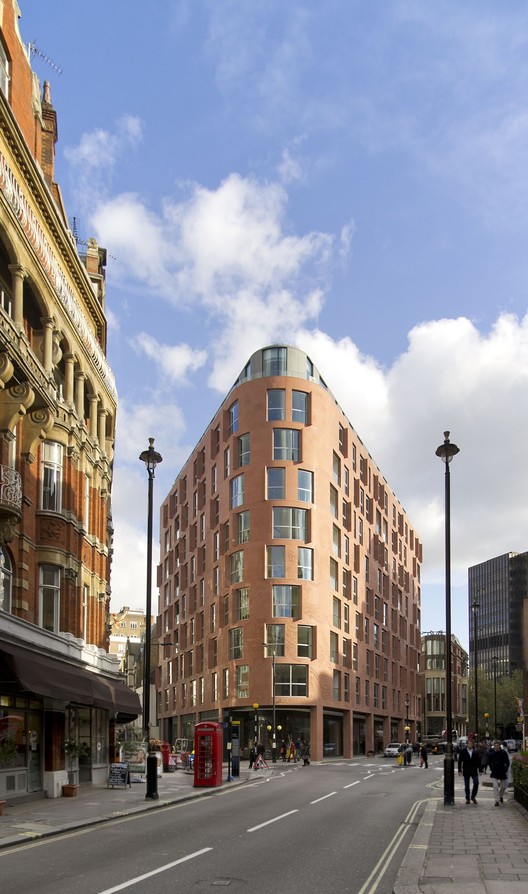

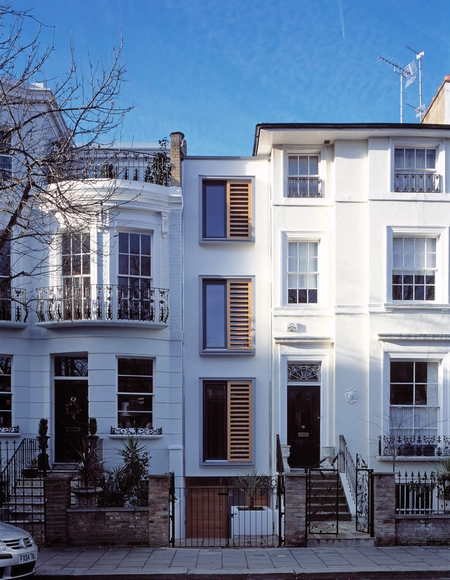
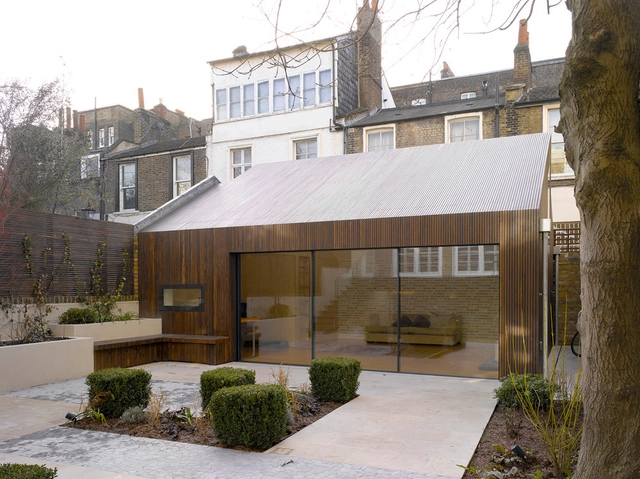
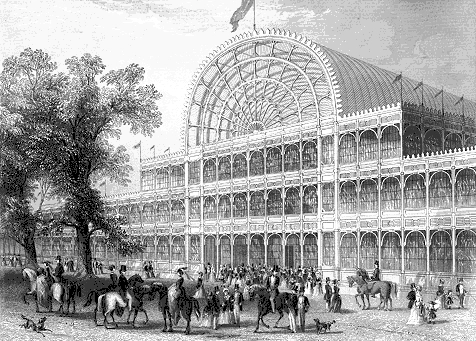
The Crystal Palace was a glass and cast iron structure built in London, England, for the Great Exhibition of 1851. The building was designed by Sir Joseph Paxton, an architect and gardener, and revealed breakthroughs in architecture, construction and design. More on the Crystal Palace after the break...
DSDHA.jpg?1372780256&format=webp&width=640&height=580)












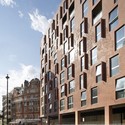

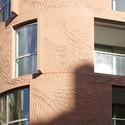

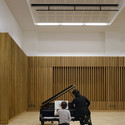
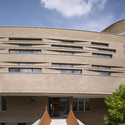
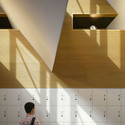
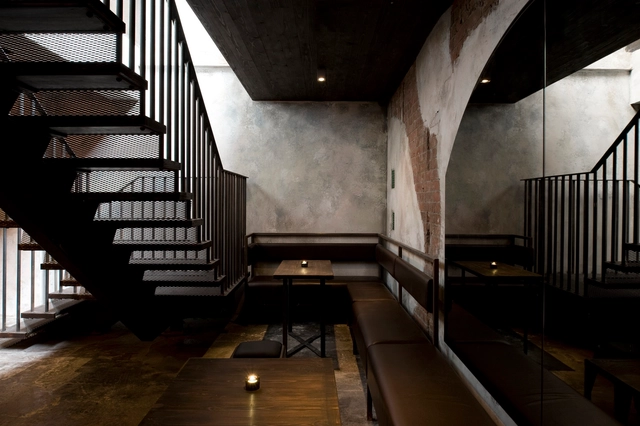






Dennis_Gilbert.jpg?1372779209)
Dennis_Gilbert.jpg?1372779209 "© Dennis Gilbert")
Dennis_Gilbert.jpg?1372779250 "© Dennis Gilbert")
Dennis_Gilbert.jpg?1372779245 "© Dennis Gilbert")
Dennis_Gilbert_shop_interior_2.jpg?1372779268 "© Dennis Gilbert")











Bosideng.jpg?1372780237 "Courtesy of Bosideng")
Dennis_Gilbert.jpg?1372780285 "© Dennis Gilbert")
Dennis_Gilbert.jpg?1372780353 "© Dennis Gilbert")
Dennis_Gilbert.jpg?1372780374 "© Dennis Gilbert")
DSDHA.jpg?1372780256)