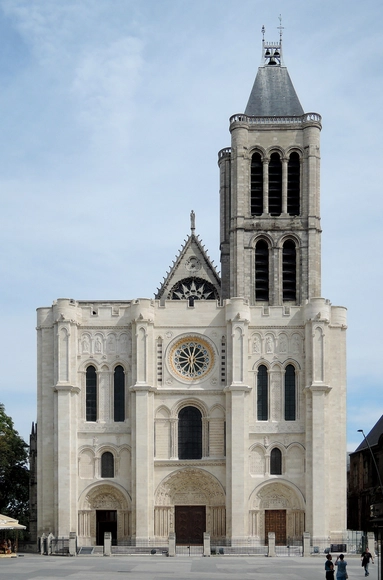
The origin of Gothic architecture, a style which defined Europe in the later Middle Ages, can be traced to a single abbey church in the northern suburbs of Paris. The Basilique royale de Saint-Denis (Royal Basilica of Saint-Denis), constructed on the site of an abbey and reliquary established in Carolingian (800-888 CE) times, was partially rebuilt under the administration of Abbot Suger in the early 12th Century; these additions—utilizing a variety of structural and stylistic techniques developed in the construction of Romanesque churches in the preceding centuries—would set medieval architecture on a new course that would carry it through the rest of the epoch.
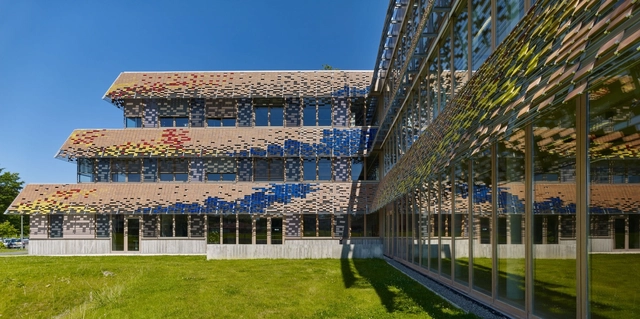
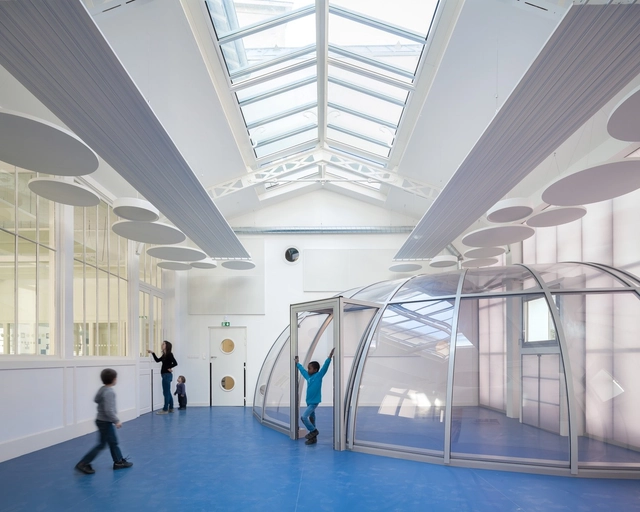
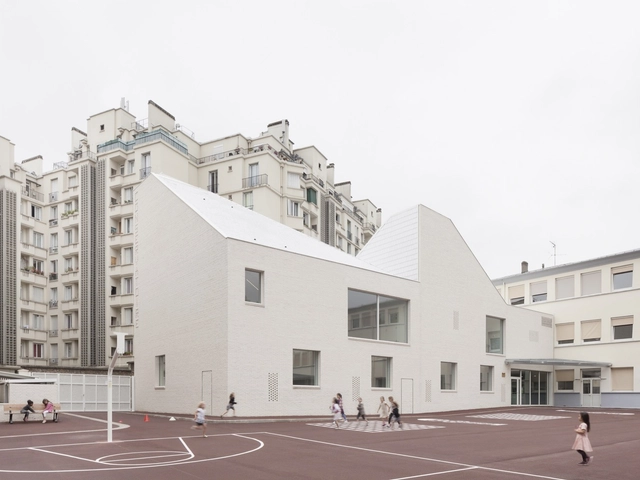
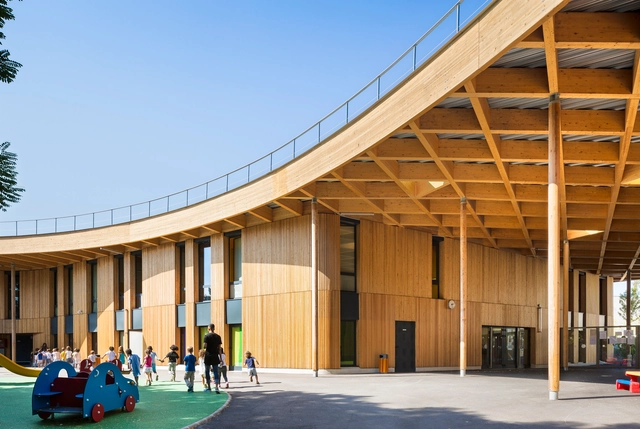
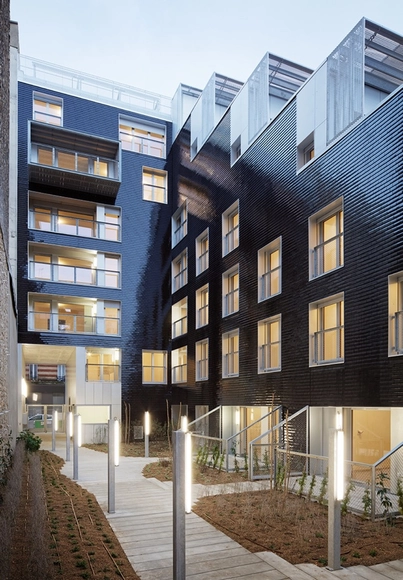
How can we use what is already here, what came before, what can be found nowhere else? How can we perpetuate traces of previous lives, heed the clues the site provides, incorporate the emotions it arouses, its singularity, its materiality? Each locality requires its own solution.









_Julien_Lanoo__(13).jpg?1479978877&format=webp&width=640&height=580)
_Julien_Lanoo__(20).jpg?1479978943 "© Julien Lanoo")
_Julien_Lanoo__(2).jpg?1479978688 "© Julien Lanoo")
_Julien_Lanoo__(4).jpg?1479978671 "© Julien Lanoo")
_TANK_Architectes__(5).jpg?1479978740 "Courtesy of TANK Architectes")
_Julien_Lanoo__(13).jpg?1479978877)


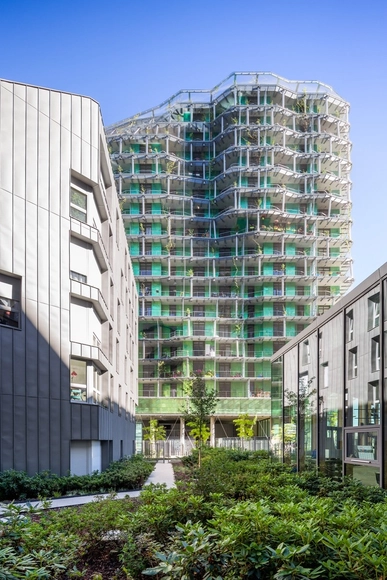

_%E2%88%8FPierre_L'Excellent.jpg?1479798534 "© Pierre L'Excellent")


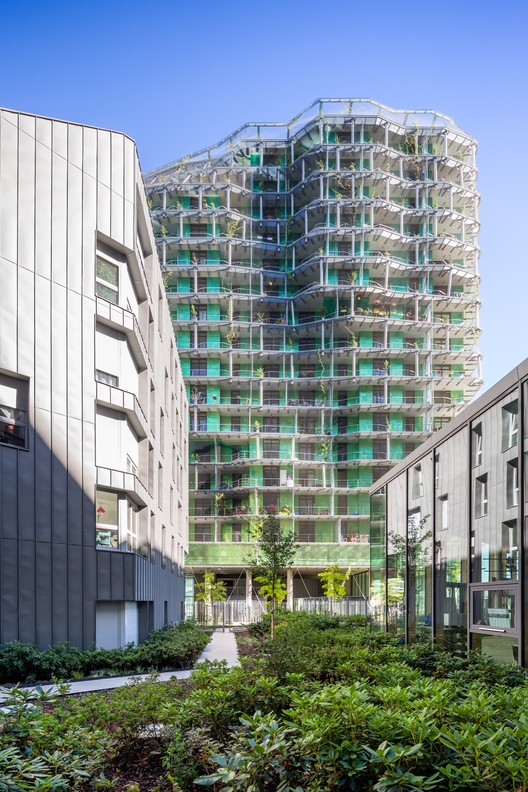
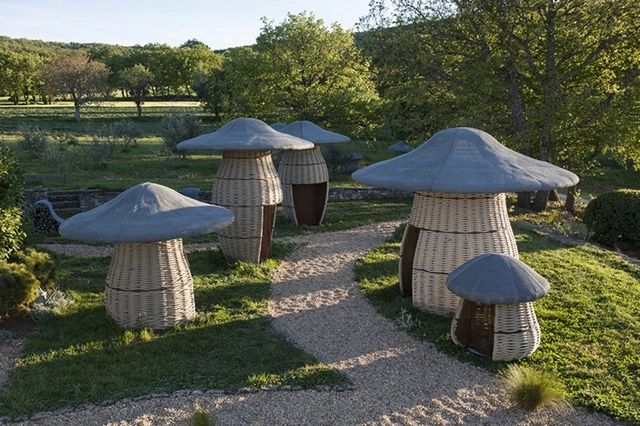


.jpg?1479243311&format=webp&width=640&height=580)
.jpg?1479243345 "© Julien Lanoo")
.jpg?1479243239 "© Julien Lanoo")
.jpg?1479243144 "© Julien Lanoo")
.jpg?1479243009 "© Julien Lanoo")
.jpg?1479243311)