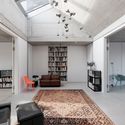
Europe’s oldest known wooden house is the Bethlehem House, a solid timber construction erected in 1287 in the Swiss canton of Schwyz. With a design that is both functional and flexible design, the building is still in use today.
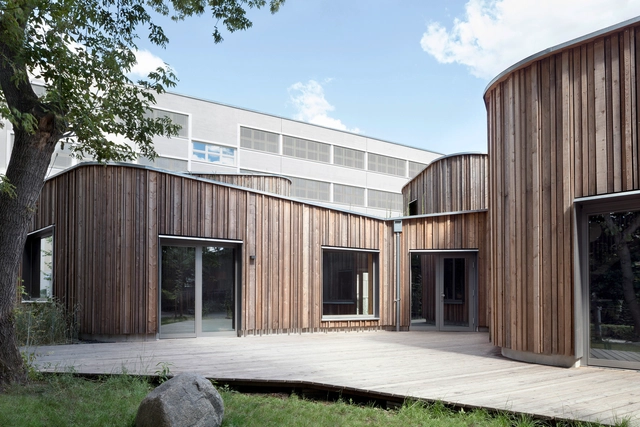
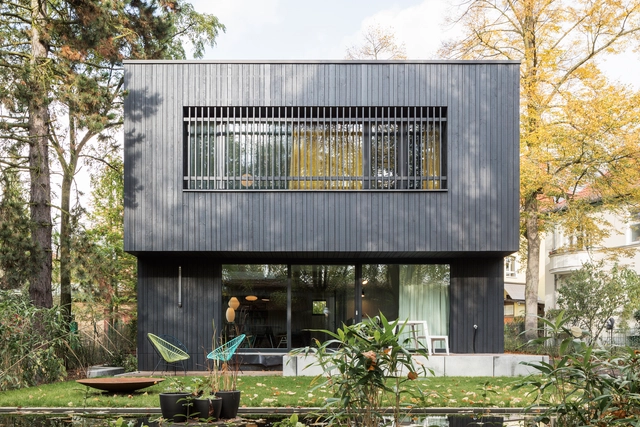
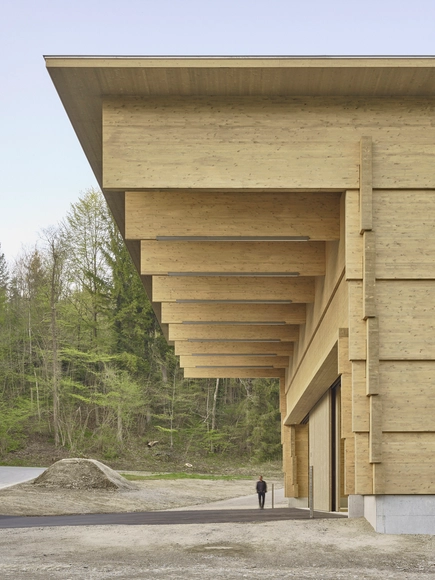
Rossetti+Wyss explore the qualities of traditional building methods and transport these into their work. Many of their projects involve the use of solid wood for project-specific applications and designs, as well as in combination with other materials. Embracing the many facets of this trustworthy building material, they have used it for load bearing and bracing, as well as for protective and insulating
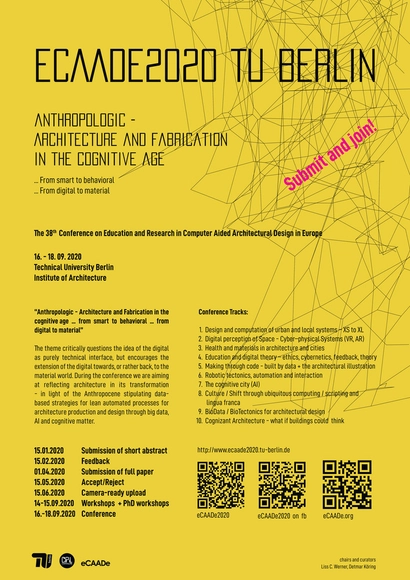
Humans and technology today form an inseparable link that have profound implications for Earth’s ecosystems – leading to the debate for a new era: the Anthropologic. In recent years, the transition from analog to digital architecture has materialized through increasing availability of novel software and new methods in digital architecture fabrication – tooling. The cognitive and digital turn implies ubiquitous computing, artificial intelligence, augmented reality and material intelligence, but to mention a few. The resulting design strategies overwhelm our discipline of architecture, encouraging a re-thinking of architecture, the architect’s role and responsibility, as well as architectural education. The development of
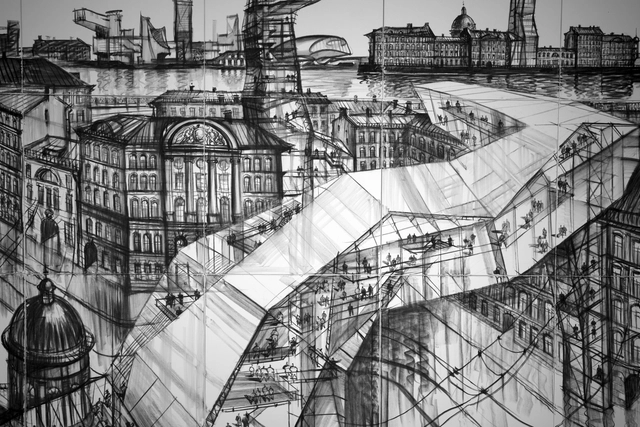
Sergei Tchoban "Old New Above" (Detail), 2019 Charcoal on canvas Foto: Greg Bannan
In the twentieth century the world was in movement. Cars replaced the horse carriages and sound took cinema by storm. The rhythm of the printing press (Karl Lemke) was brimming, railroad bridges were crossing over the pulsating cities and Free Dance stood for releasing of the mind, body and soul. The modern man was seeking out the beat of his time. Architects, like Mies van der Rohe reacted to it with the invention of the open room layout – for light, air and movement. Moholy-Nagy designed an object out of the light movement called the Light-Space Modulator. What has happened
The nexus between architecture and installation art has long been a topic worthy of exploration. Installation transforms space and interacts with the audience; it must be designed, constructed and installed and therefore relies on architectural components.
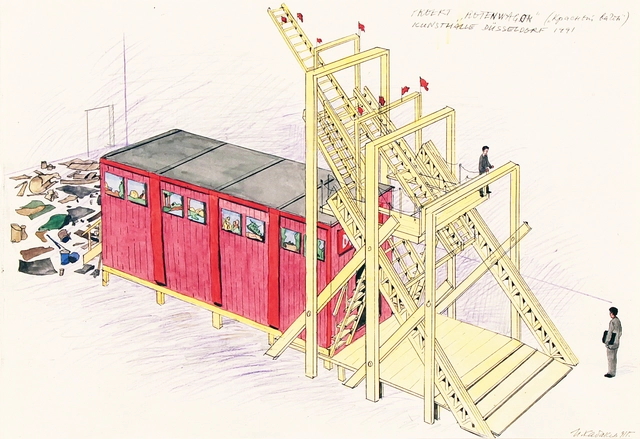
Since the late eighties the acclaimed conceptual artists Ilya and Emilia Kabakov have created fantastical spaces that they call ‘total’ installations inviting viewers to immerse themselves in stories about utopian dreams. For Kabakovs installation is largely connected to architecture and they often incorporate architectural elements in their work. What links them the most is space.
Marking the centenary of the Bauhaus’s founding, the Bauhaus-Archiv / Museum für Gestaltung’s exhibition at the Berlinische Galerie is presenting famous, familiar and forgotten Bauhaus originals and recounting the history behind the objects: Who is the woman sitting on the tubular-steel chair? Does the Haus am Horn have a secret twin? Why have the tea infusers which were created as prototypes for industrial production always remained one-of-a-kind pieces? The exhibition sheds light on how unique work and series, remake and original are inseparably linked in the history of the Bauhaus. Around 1,000 Bauhaus originals from the Bauhaus-Archiv’s collection will be on display,
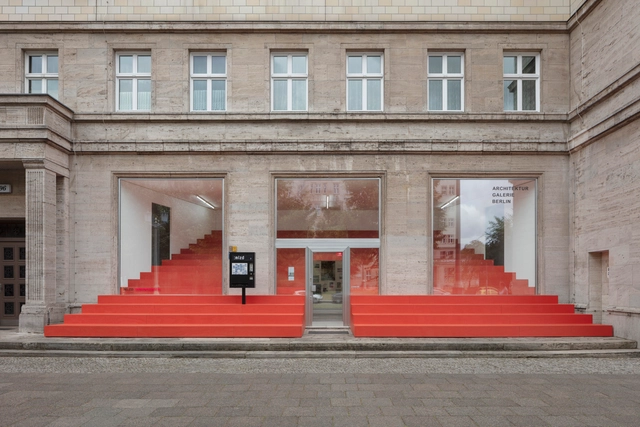
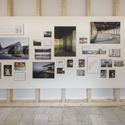
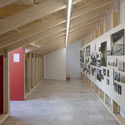
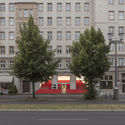
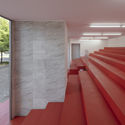
Public space is under pressure – commercialized for economic interests, abused as a playground for event culture, and maneuvered into insignificance through private acts of self-staging. Is its original function as a forum for public life coming to an end? At the same time, there are ever more standards, regulations, and requirements designed to guarantee safety and functionality. Does this reduce the creative possibilities for new architecture to react to the specifics of the location? If so, how are buildings being affected by these processes?
The exhibition “InnenAussen” (InsideOutside) by :mlzd searches for answers to these questions. Their installa-tion, based on







BTTR_GmbH_highres-4.jpg?1573242618&format=webp&width=640&height=580)










BTTR_GmbH_highres-6.jpg?1573242562 "© BTTR GmbH")
BTTR_GmbH_highres-12.jpg?1573242208 "© BTTR GmbH")
BTTR_GmbH_highres-13.jpg?1573242157 "© BTTR GmbH")
BTTR_GmbH_highres-5.jpg?1573242588 "© BTTR GmbH")
BTTR_GmbH_highres-4.jpg?1573242618)