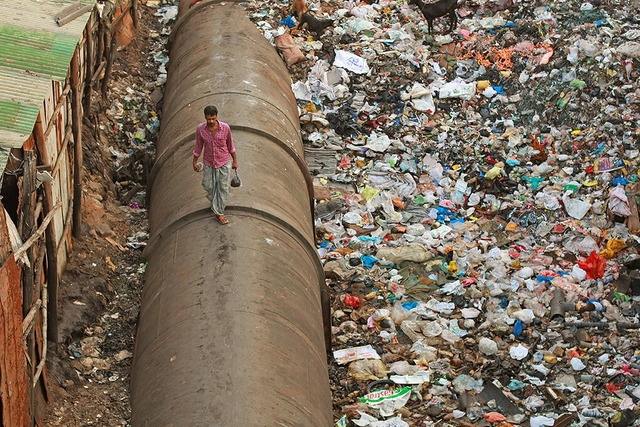
With large populations come formidable challenges, particularly in the realm of health and hygiene. In the last century, upholding sanitary conditions in urban areas has remained a persistent challenge, particularly in a nation that houses over 1.5 billion people. India grapples with a myriad of issues- inadequate infrastructure for sanitation, lack of public toilets, and poor waste management practices. In densely populated cities, the struggle intensifies as sanitation and cleanliness management falters. India's rapid urbanization has outpaced the development of sanitation infrastructure and cleanliness issues have deeply entrenched in the nation's built environment.
The architecture and construction industry has undergone a transformation with the integration of various digital tools, now indispensable to the design process. The welcoming of technologies has effectively streamlined operations, enhanced efficiency, and elevated design quality. This digital shift, however, has resulted in a digital divide that goes beyond accessibility to tools and software. It also encompasses the crucial aspect of integrating traditional and indigenous communities into the urban development landscape. Can advancing technology support the growth of vernacular architecture? Can indigenous building practices find a place in the vision for a digitalized future?
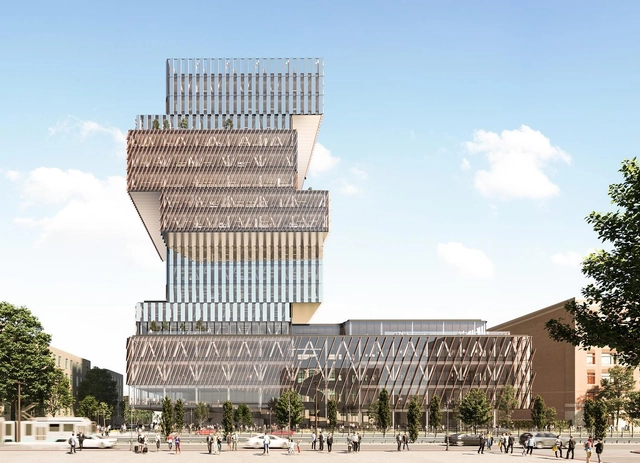
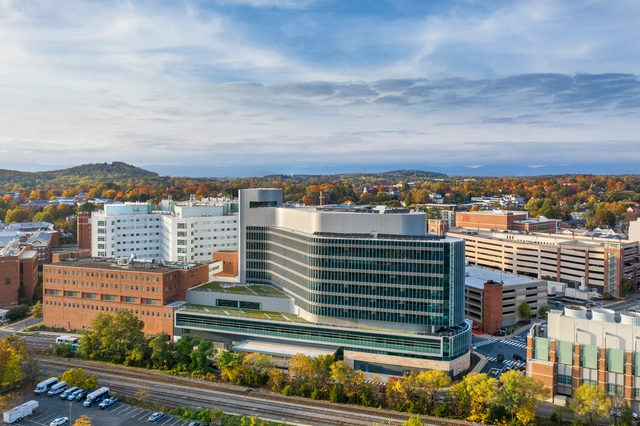
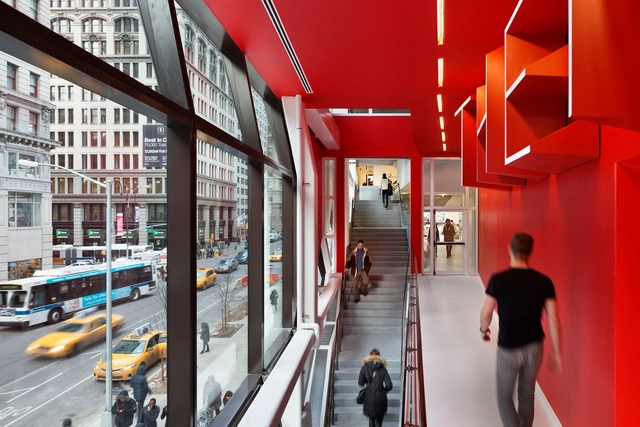
Center for Computing and Data Sciences, Boston University / KPMB Architects + Suffolk. Image Courtesy of KPMB Architects
Decarbonization of the building sector is no longer a choice but a necessity. As nations strive to curb their greenhouse gas emissions by 2050, it is increasingly clear that current building standards do not go far enough to drive tangible change. Achieving climate goals requires economies to advocate measures that drive carbon neutrality while managing associated costs effectively. How would net-zero performance strategies impact building costs?
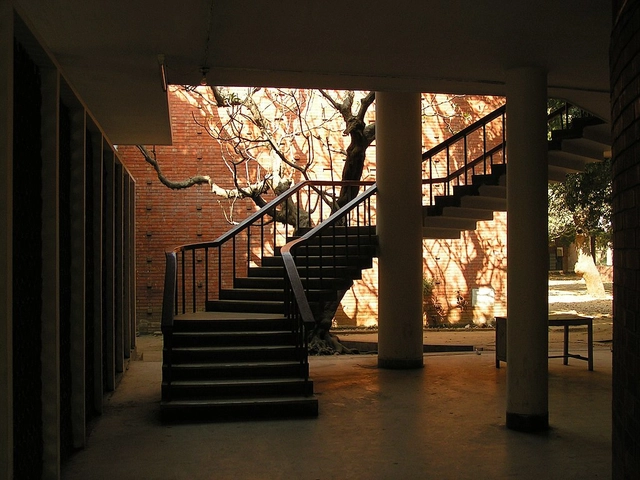
For the Indian subcontinent, the mid-1900s marked a transformative period, brimming with turmoil and hope. Leaving a century of British rule, India and the newly formed countries of Pakistan and Bangladesh held onto an optimistic vision of a transformed society. The newfound independence invited the international Modernist movement to envision a fresh identity for the nations. Spearheading the movement in Bangladesh was the architect Muzharul Islam whose work continues to influence contemporary Bangladeshi architecture.
The announcement of the establishment of a new university campus is one of celebration, marking economic opportunities and urban growth. The United States is home to over 700 college towns that have witnessed prosperity through the inauguration of educational institutions like the University of Colorado’s Boulder, and Chapel Hill, home to the University of North Carolina. With this development, gentrification has unfortunately become a contentious issue in college towns across the country. While the transformation of these towns brings economic expansion and cultural vibrancy, it often comes at the cost of displacing long-time residents, erasing historic character, and altering the essence of these towns. American college towns offer a unique perspective on how cities can strike a balance between progress and preservation.
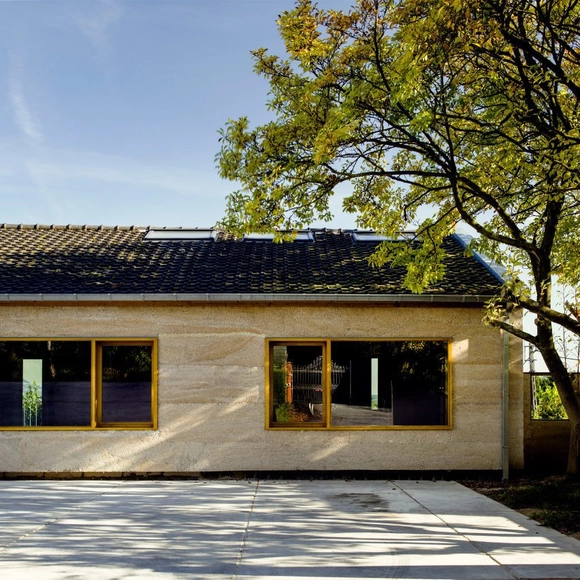
The Farmhouse / Studio Precht. Image Courtesy of Precht
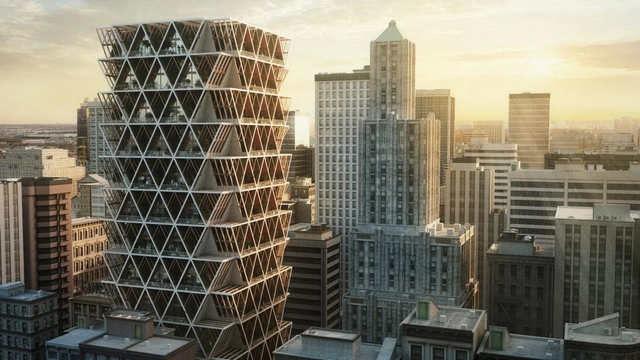
Wood, an age-old building material, has left its mark on the history of architecture. Structures like townhouses and ancient cathedrals have seen usage and innovation with wood as a primary material. As technology evolves and urban landscapes grow skyward, wood has emerged as a strong contender to steel and concrete in the area of skyscraper design. Recent advances in engineering, materials science, and construction techniques have welcomed a new era of experimentation, enabling the construction of timber skyscrapers across the world. Timber skyscrapers signify a departure from traditional construction methods, seamlessly blending aesthetics, functionality, and ecological consciousness. Wood as a material, with its inherent strength and impressive fire resistance, presents hope to an industry in pursuit of a more sustainable future.
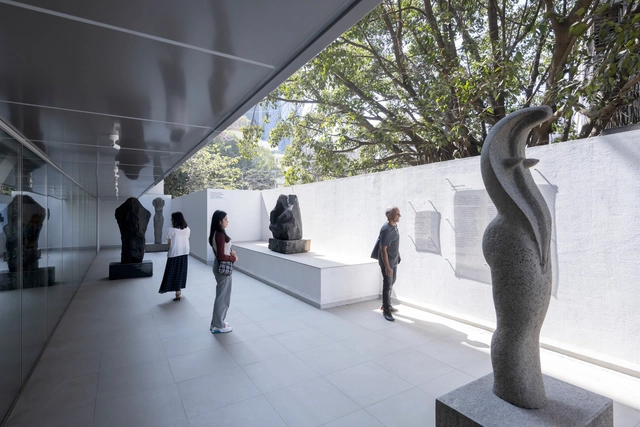
India hosts a multitude of museums, art galleries, public libraries, theaters, and heritage centers. Nevertheless, many of these structures remain abandoned and fossilized like the artifacts they intend to present and protect. The development of cultural infrastructure in India has historically been a government endeavor, often resulting in a state of stagnation. The past two decades have seen a noticeable shift in the country’s cultural landscape. Increased interest from private institutions has paved the way for plenty of cultural projects to be initiated, usually in partnership with city authorities. These contemporary projects aim to celebrate the richness of India’s historical and contemporary culture, becoming prize destinations for the rising middle class.
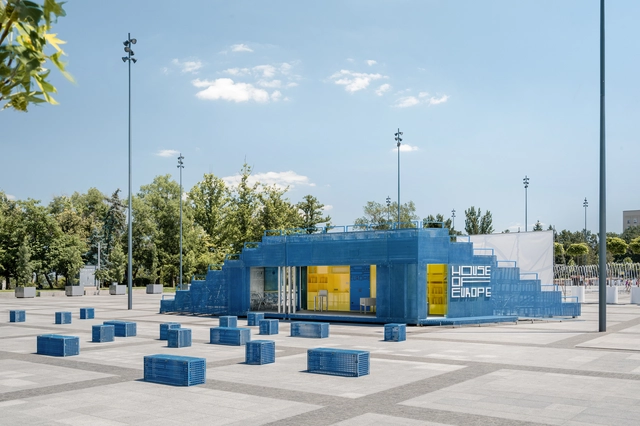
Amidst the current wave of architectural globalization, the art of crafting designs attuned to specific contexts is fading. This concern is especially significant in countries in crisis, such as Ukraine, where the built environment's history is being eroded by war. In these conditions, the contribution of local architects with an innate grasp of the country's cultural nuances becomes imperative. Leading the charge in the rebuilding of Ukraine is prototype, a pioneering practice that challenges architectural conventions to push the country towards a promising future.
Recognizing their forward-looking vision, ArchDaily has featured prototype as part of the 2023 New Practices, a global annual survey. prototype's outlook on the future of architecture aligns with responsible design that addresses the environmental impact of construction and marries contextual and specific considerations for each project. Their recent accomplishments include the bookstore Readellion, and Ukrainian-Danish Youth House, epitomizing prototype's recurring design principles of mobility, adaptability, dynamic levels, and change of scenarios.
From the grid plans of ancient Greek cities to the Renaissance's idealized urban layouts, the history of urban planning is a reflection of evolving power structures and societal priorities. Across the world, many African and Asian cities simultaneously existed without clear visual manifestation. the organizational structure being deeply embedded in cultural needs and social relations. Urban development is marked by a dichotomy - the contrast between top-down planning strategies led by influential entities and governing bodies, and the bottom-up initiatives driven by local communities. This interplay shapes cities, influencing aspects from infrastructure and public spaces to housing models and urban character. Delving into the differences between these strategies is essential to crafting a harmonious urban landscape that caters to the needs of its residents.
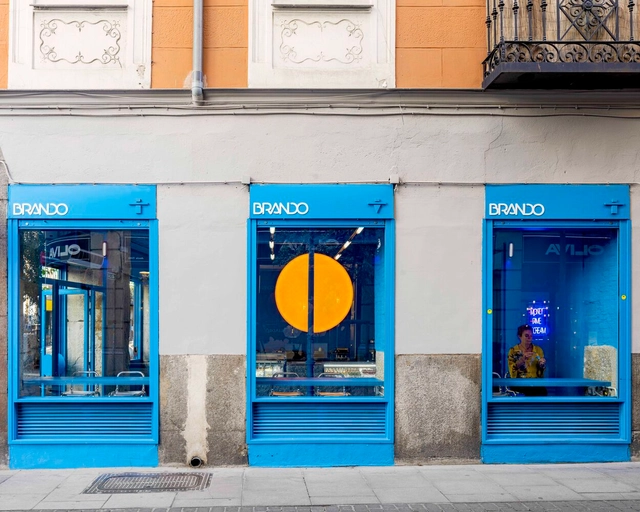
In the world of retail, competition is fierce. Brands find themselves in pursuit of distinguishing their presence and developing intimate connections with their customers. Amidst the array of products they offer, thoughtful brands recognize the value of curating immersive retail environments that empathize with the core of consumers' sentiments and desires. In retail design, color stands as a powerful instrument that affords brands the means to articulate their values, evoke emotions, and carve memorable shopping experiences into the minds of their patrons. Color transforms retail centers into more than spaces for transactions - it positions strategic interior design as a marketing tool to attract and retain customers.
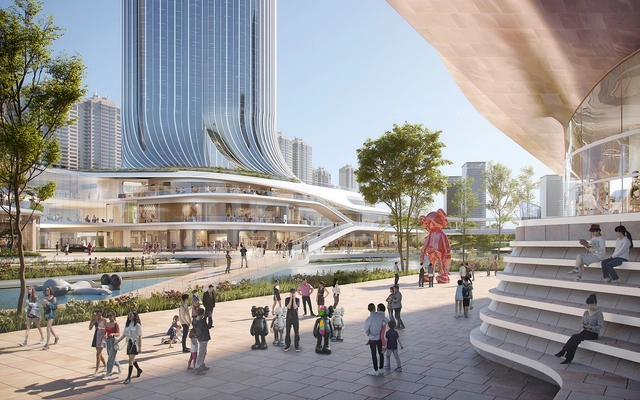
Mixed-Use Development in Nanjing / UNStudio. Image Courtesy of K.Wah
In recent decades, China's residential landscape has undergone a transformation setting primarily informed by social community ties now prioritizes the needs of rapid urbanization and modern lifestyles. Traditional courtyard houses of China once activated the urban realm, harmoniously blending private residential zones with public areas of the neighborhood. Today, the country is speckled with private developments and gated communities that have severed the connection between residential areas and the urban realm. Amidst this transformation, MAD Architects' Baiziwan Social Housing in Beijing emerges as a visionary attempt to reimagine urban living. By embracing a mixed-use program, this residential complex integrates itself with the surrounding neighborhood, fostering a renewed sense of unity with the bustling metropolis. Not limited to China alone, numerous housing endeavors worldwide have embraced this approach, reclaiming their ties to the urban realm.
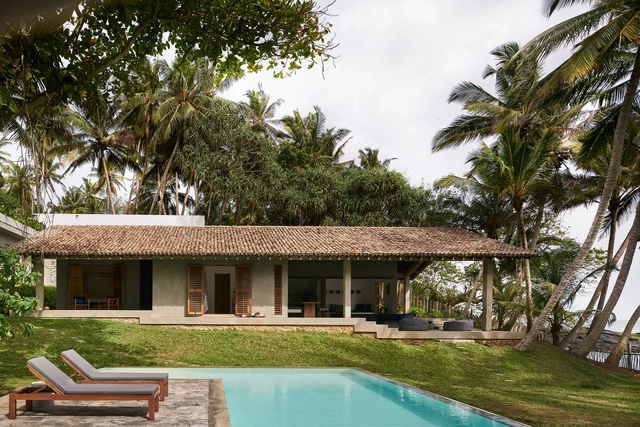
Tropical architecture, a term widely used in architectural discourse, lacks a consistent definition. The adjective ‘tropical’ relates to the zone between the Tropics of Cancer and Capricorn, which covers more than 40% of the earth’s surface. Heat is possibly the only shared characteristic of this belt. The tropical zone holds a range of climates from arid to wet, as well as a variety of geographic, social, and economic contexts. Unlike in temperate or arctic zones, a single umbrella term is used to describe the architecture of the tropics.
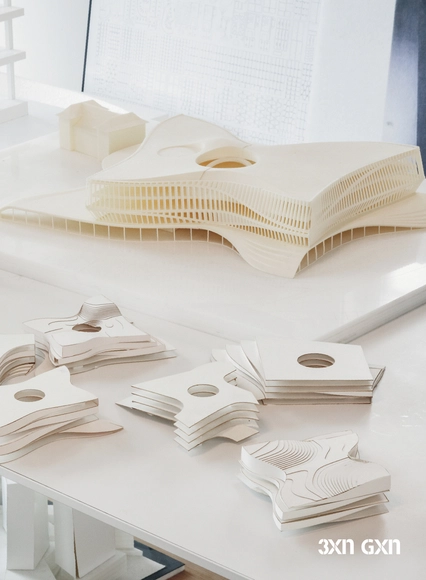
As they recognize the growing significance of innovation in today’s business landscape, architecture firms are experiencing a transformation. Companies across diverse industries have also come to appreciate the impact of design on cracking challenges, thanks to the success of design-focused startups such as Airbnb. Traditionally confined to designing physical structures, architecture firms are broadening their scope and embracing research and innovation as integral elements of their design process. With the establishment of research and innovation divisions, these firms not only enhance their own practices but also offer their expertise to address the evolving needs of our era—ranging from human and technological advancements to strategic innovation.
In recent years, the spotlight on sustainable, eco-friendly, and low-carbon materials has intensified across the architecture industry. Amid this interest, a renaissance of hemp architecture is gradually gaining momentum on a global scale. Hemp-based materials have emerged as a favorable alternative to traditional industrialized materials, presenting a multitude of benefits that could revolutionize the construction industry. Despite its vast promise, several hurdles obstruct the widespread adoption of hemp, inhibiting its transformative potential in the construction industry.
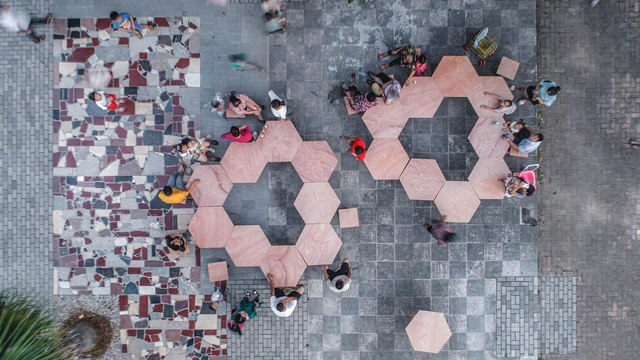
Advancements in technology have paved the way for a revolutionary approach to architecture, one that involves responsiveness and movement. This concept called "kinetic architecture" allows buildings to dynamically adapt to their ever-changing surroundings. As of today, kinetic principles are commonly applied to enhance the environmental sustainability of buildings, especially through facades. However, kinetic architecture has the potential to impact the built environment in other facets as well. In public spaces, kinetic architecture holds immense promise, presenting opportunities to make them more accessible, inclusive, and user-friendly. Introducing kinetic elements into public spaces challenge long-held assumptions about architecture as a passive arrangement, ushering in a new era of interactive and engaging urban environments.
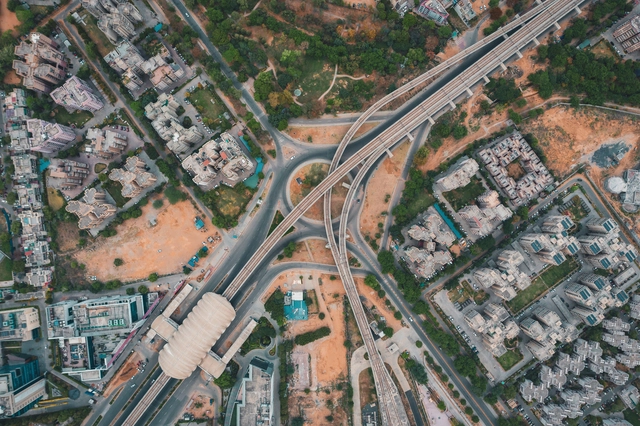
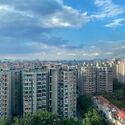
India has witnessed a surge in urbanization and population growth. As a result of natural population growth and migration, the megacities of India have experienced a continual increase in their residents. Standing as the most populous country in the world, India is at a critical junction, grappling with opportunities and challenges in molding its built environment. Population boom, however, is not a recent predicament but a persistent one that has spanned over a century. How have Indian cities dealt with population growth and the complexities it brings?
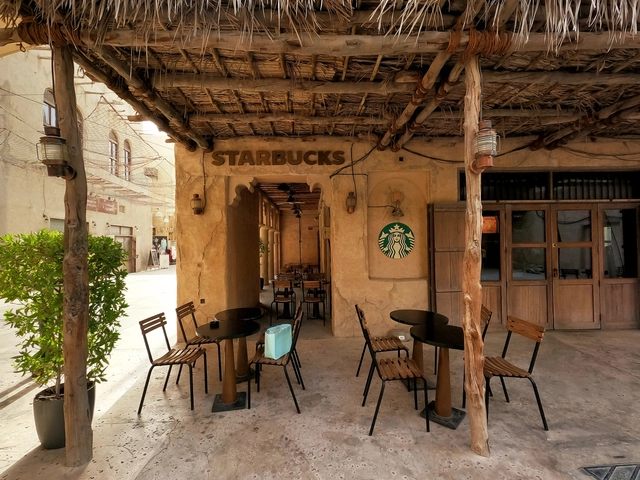
Two years ago, Starbucks' branch in Al Seef, Dubai captivated the internet with its contextual design. Located in the oldest part of Dubai, the renowned coffee outlet boasts a thatched roof, mud-like exterior finishes, traditional screens, and wooden furniture, all of which retain the picturesque charm of the landscape. The design not only garnered immense attention on social media but also attracted curious customers to the store. Effortlessly blending in with its regional context, the Al Seef branch has become an integral part of the locality. The store is one of Starbucks' many efforts at regionalizing its international outlets to create authentic connections with customers. In an era where consumers crave meaningful connections, regionalism in retail design emerges as a powerful design strategy.
The university campus has a distinctive spatial typology. Established as a micro-city, these self-contained environments are subject to their ownrules and systems. They are designed as a deviation from the cities that host it to allow for the growth and proliferation of knowledge outside the status-quo. Centered around the transfer of information, academic centers are becoming increasingly relevant to urbanism. Campuses and their host cities evolve to mimic each other's structure, forming opportunities for urban renewal.