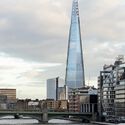
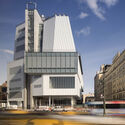
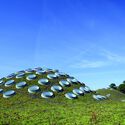
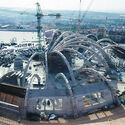
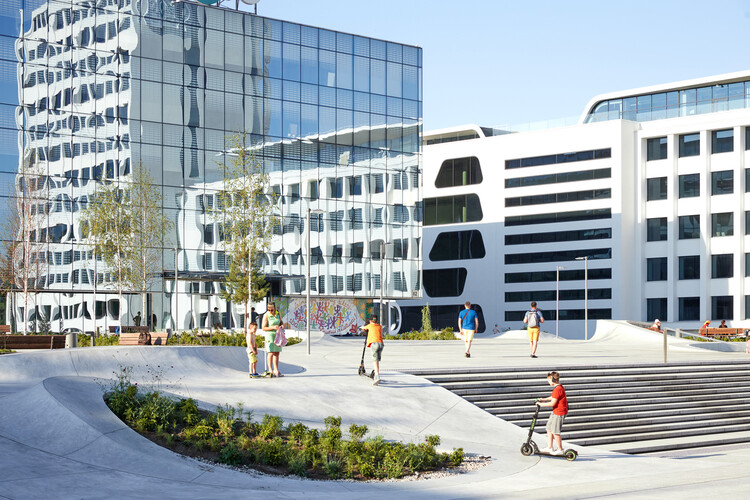
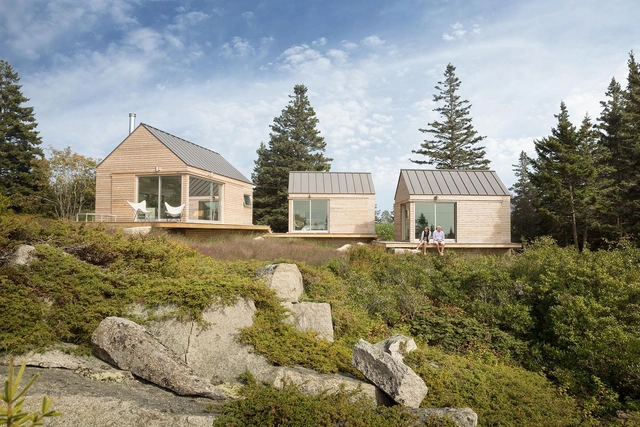
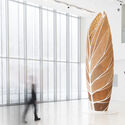
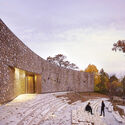
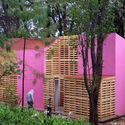
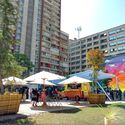
Architects and designers around the world are pushing the boundaries of modern design, and Corian® Solid Surface is being bent, curved, and twisted to help them realize their boldest visions.
In hospitality spaces, for example, every surface has the potential to shape a guest's experience from the first invitational moment. Visionary designers are using their talents to convey the story of a place, the emotion of an aesthetic, and the essence of a brand. With the right material, we can profoundly influence how a space feels and functions for guests, using everything from sleek, welcoming reception counters to soothing spa-like shower escapes to soaring backlit sculptural panels as our canvas.
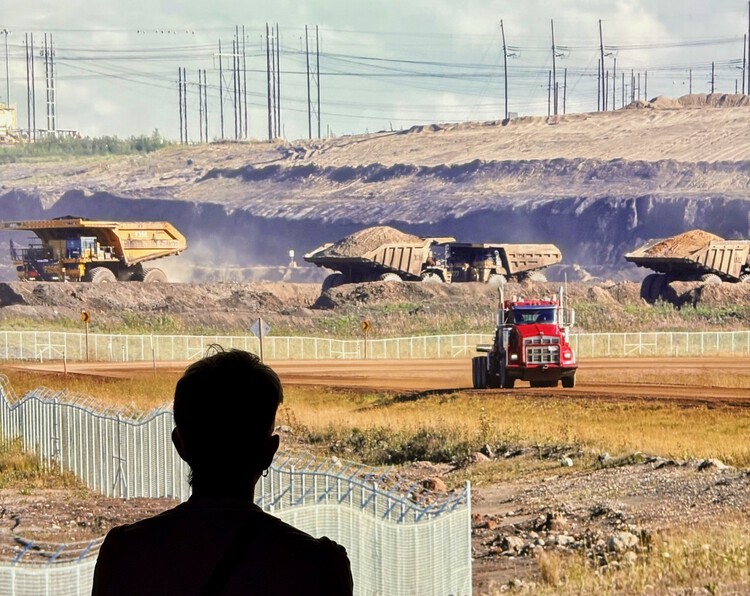
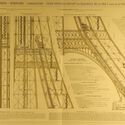
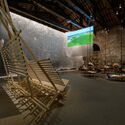
Thirty trillion tons. This is the estimated mass of all human-made matter on Earth, and the starting point for the 7th edition of the Lisbon Architecture Triennale. Curated by Ann-Sofi Rönnskog and John Palmesino, founders of Territorial Agency, the event asks a deceptively simple question: How heavy is a city? To answer it requires more than data. It demands a shift in perception: from the scale of the city to the planetary technosphere.
The technosphere, a term borrowed from Earth sciences, defines the vast system of infrastructures, technologies, and materials that sustain human life while reshaping the planet. Cities, in this view, are not only territories but dense nodes within this planetary metabolism. From October to December 2025, Lisbon becomes a lens to examine that magnitude, hosting three main exhibitions (Fluxes, Spectres, Lighter), a book of essays, a talks program, and more than twenty independent projects across the city.
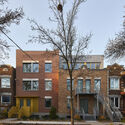
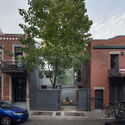
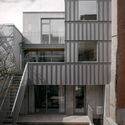
Montreal, the second largest city in Canada is home to a wide array of heritage residential architecture, most of it dating to the 19th and early 20th-century. These are particularly abundant in some of its central neighborhoods like the Plateau Mont-Royal. Interestingly, their preservation is not accidental; it is the result of decades of advocacy by influential figures who recognized the value of the city's built environment, such as Phyllis Lambert and Blanche Lemco Van Ginkel. Efforts like theirs were instrumental in landmark preservation battles that helped to ensure current municipal support. Today, the city has implemented a set of comprehensive heritage protection laws designed to safeguard the integrity of the city's historic neighborhoods.
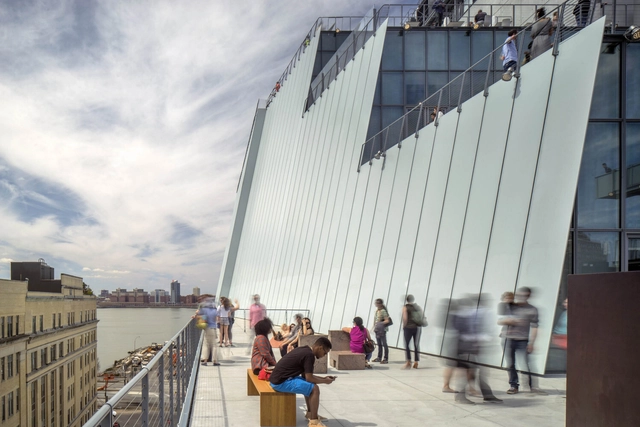
It's no exaggeration to say that Renzo Piano is one of the most unanimously respected architects in the world of architecture. With an oeuvre that blends respect for context, lightness and technology to create environmentally conscious and aesthetically pleasing structures, his approach combines advanced materials with traditional techniques. In projects of various scales, the Genoese architect maintains an essential thread: the implementation of passive architectural strategies, highlighting the importance of these methods for sustainability and energy efficiency. This is often made explicit in his sketches, as an initial concern, and clearly comes through in the finished works. Here are some examples of iconic projects developed by his office in recent decades.
Videos
First Prize Winner: Nest. Image Courtesy of Buildner
Buildner has announced the results of its Kinderspace Edition #2 Competition and launched the third annual Kinderspace Edition #3 with an upcoming registration deadline of 26 November 2025. Following its inaugural launch, this annual international competition once again invited architects, designers, and educators to explore new possibilities for early childhood learning environments.
Participants were tasked with envisioning spaces that inspire discovery, foster imagination, and support the emotional and cognitive development of young children. The aim was to move beyond standardized classroom design and propose innovative, flexible, and nature-connected spaces that reflect a deeper understanding of how children interact with their surroundings.
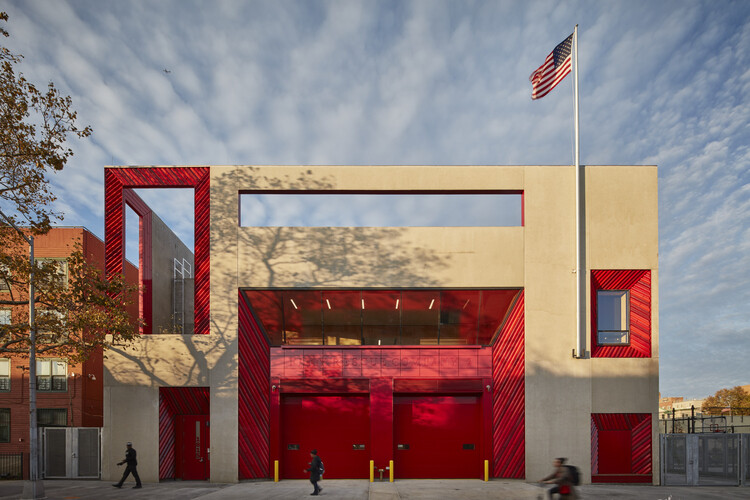
What should be taken into account when designing a fire station? The answer may seem obvious: functionality and efficiency. After all, every second counts in an emergency. But can a building designed for urgent operations also be aesthetically compelling, welcoming, and connected to its community? In recent decades, architects such as Zaha Hadid and Álvaro Siza have demonstrated that it can. By rethinking this building type, they have created spaces that go beyond emergency response—spaces that strengthen social ties, support the well-being of firefighters, and become urban landmarks.
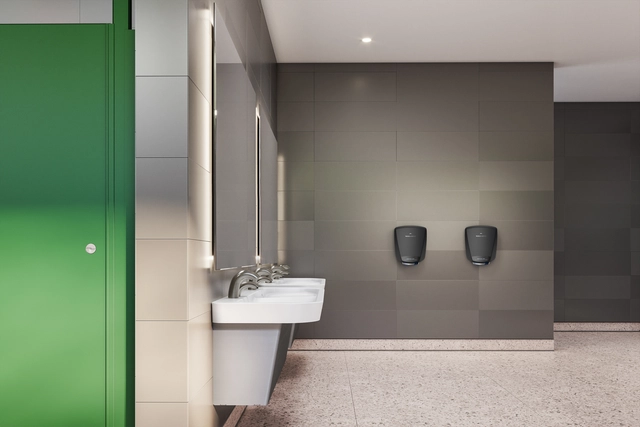
In the pursuit of cleaner, safer public restrooms, hand dryers have long faced a unique challenge: how to effectively kill germs in fast-moving air. Traditional germicidal technologies—like UV lights and ionizers— struggle to deliver meaningful impact because they only have milliseconds to interact with airborne microbes. Cold plasma technology is emerging as a new contender that could redefine hygiene standards.
For over a century and a half, corporations have periodically taken on the role of city builders. Neighborhoods or even entire settlements that exist at the intersection of commerce and civic life, "company towns" are recurring urban types. The corporate city has long reshaped itself to match the spirit of each era, whether through the pastoral idealism of industrial England or the cinematic optimism of mid-century America. In its latest guise, the mixed-income campus district, architecture becomes a language of belonging, branding, and quiet persuasion.
In the Water Lilies rooms at the Musée de l'Orangerie in Paris, Claude Monet conceived a 360-degree gallery where visitors are enveloped by continuous landscapes, dissolving the boundaries between painting and environment. There, he sought not merely to represent nature through his distinctive style, but to construct an atmosphere, a perceptual state that the visitor literally inhabits. Architecture, traditionally associated with materiality and permanence, thus gains a new dimension of time, movement, and sensory experience.
Similarly, when contemporary architecture transforms its planes into active surfaces, it extends this pursuit of immersion and presence, now amplified by technology. At the entrance of SOPREMA's new Mammut Tower in Oberroßbach, Germany, architecture and digital narrative converge. Designed and executed by ASB GlassFloor, the newly completed lobby is an immersive environment combining glass, light, and sound into a complete spatial and sensorial experience, demonstrating how interactive technologies can become architectural materials in their own right.
Spaces of hospitality are a mirror to how different cultures articulate generosity, care, belonging, and identity. In busy city settings, this is reflected in hotels, service systems, and curated amenities that directly shape the visitor experience. These spaces translate care into measurable forms, where success is correlated with efficiency, luxury, and brand identity.
Cultural diplomacy refers to the use of cultural expression and creative exchange to foster understanding and build relationships between nations. In this context, architecture has long played a distinctive role. Beyond its functional and aesthetic dimensions, it serves as a medium of communication, a language through which countries express identity, values, and ambition on the global stage.
Architecture operates as a form of soft power — persuasive rather than coercive — enabling nations to project influence through material presence. From modernist embassies in the post-war era to monumental pavilions at world expositions, governments and institutions have recognized the built environment's potential to shape perception. By commissioning prominent architects and adopting specific design languages, countries have used architecture to signal modernity, tradition, innovation, or stability.
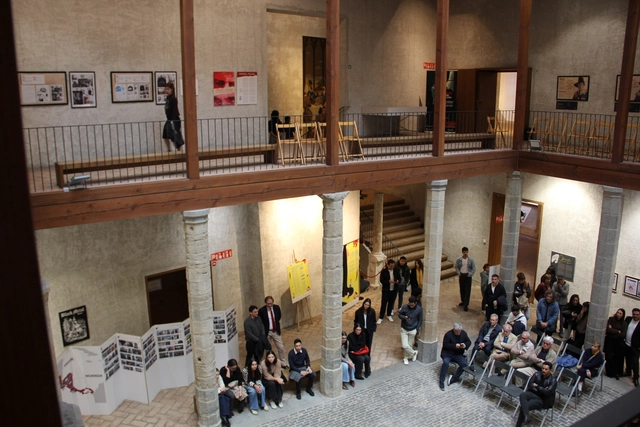
Held in Pamplona from the 23rd to the 26th of September, the 2025 Latin American Architecture Biennial (BAL) brought together emerging studios and established voices from across the continent. This year’s edition stood out for the diversity and depth of its participants: projects of striking formal and conceptual richness, developed by young yet remarkably mature offices. Together, they reflected the vitality of today’s Latin American architecture — thoughtful, inventive, and deeply aware of its context.
In the world of interior architecture, where creativity and culture intersect, Tola Ojuolape stands as a designer whose work is a testament to personal narrative. From her early studies in art and construction to her degree in interior architecture, Tola's career has been shaped by a deep connection to her Nigerian heritage, discovered during her travels back to the African continent. This journey has profoundly influenced her design philosophy, creating a process tightly woven with history, culture, and a sense of place.
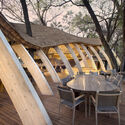
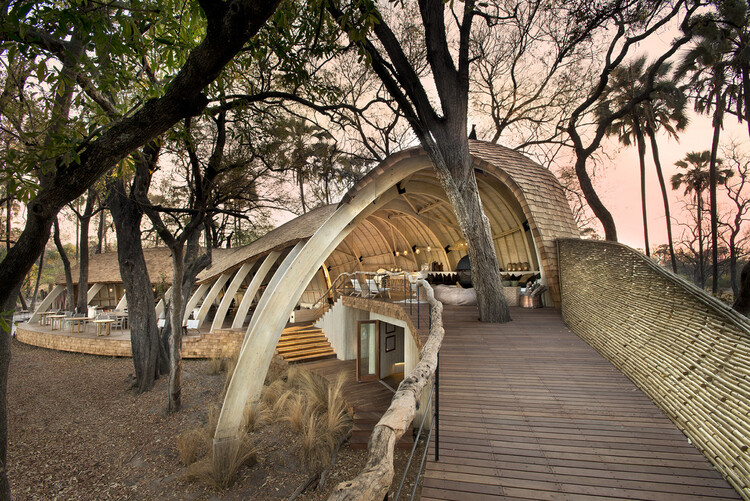
Sandibe Okavango Safari Lodge / Nicholas Plewman Architects in Association with Michaelis Boyd Associates
In Eastern and Southern Africa, safari lodges attract tourists from around the world wishing to witness the landscapes and fauna of the natural world. Usually situated in national parks and game reserves, their remote locations make for costly journeys and are therefore suitable for luxury stays. Often overlooked as an architectural typology, many lodges risk falling into the trap of being contextually insensitive or crudely mimicking vernacular building methods, resulting in pastiche. On the other hand, the safari lodge sits at the intersection of the man-made and natural worlds, bringing together rural dwellers and townfolk, wealth and poverty, wildlife and humans. Thus, it can be an opportunity to design with the highest social and environmental responsibility.
Terrazzo has long stood at the intersection of durability, artistry, and timeless appeal. Originating in Italy as a pragmatic way to reuse marble fragments in flooring, terrazzo has since become synonymous with elegance and strength in architecture. Traditionally crafted by hand using stone chips and lime and later, cement, it created continuous, seamless surfaces that celebrated both craftsmanship and endurance. Over time, as construction methods evolved and projects began to demand greater efficiency, adaptability, and modularity, terrazzo expanded beyond its traditional limits. From poured-in-place systems to modern epoxy-based formulations, it has evolved into a versatile material that enables thinner sections, faster installation, and a wider range of colors and aggregates. Today, precast terrazzo complements the traditional method, unlocking new applications without compromising performance or beauty, from stairs and wall cladding to furniture and custom design elements.
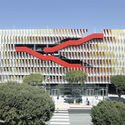
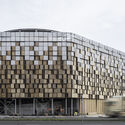
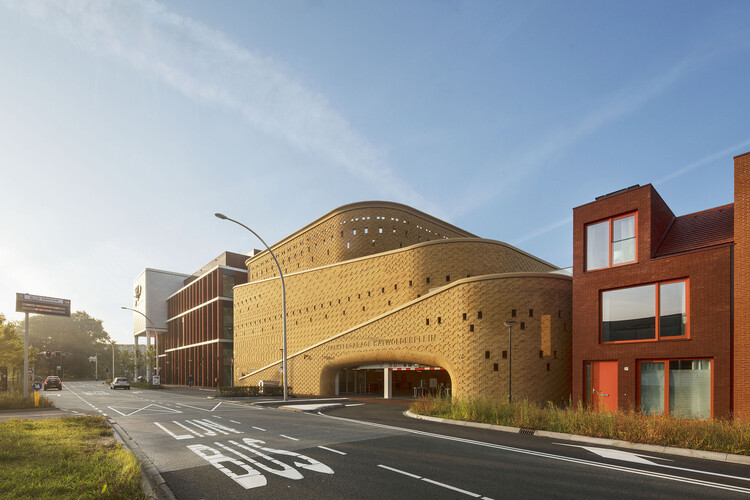
In an era of people-centered urban planning, 15-minute cities, “eyes on the street,” and active public spaces, parking garages are often seen as the antithesis of contemporary urban ideals. But that was not always the case. If today they challenge architects and planners to reinvent them in pursuit of more sustainable mobility and more human cities, in the past they stood as witnesses to a radical transformation in how we move, inhabit, and perceive urban space. Once symbols of modernity, parking garages embodied the height of an age when the automobile was seen as a driving force of progress. This shift in meaning reveals them as much more than utilitarian structures — they are powerful reflections of the evolution of urbanism, technology, and social habits over the past two centuries.
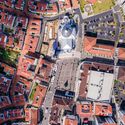
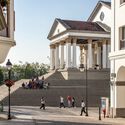
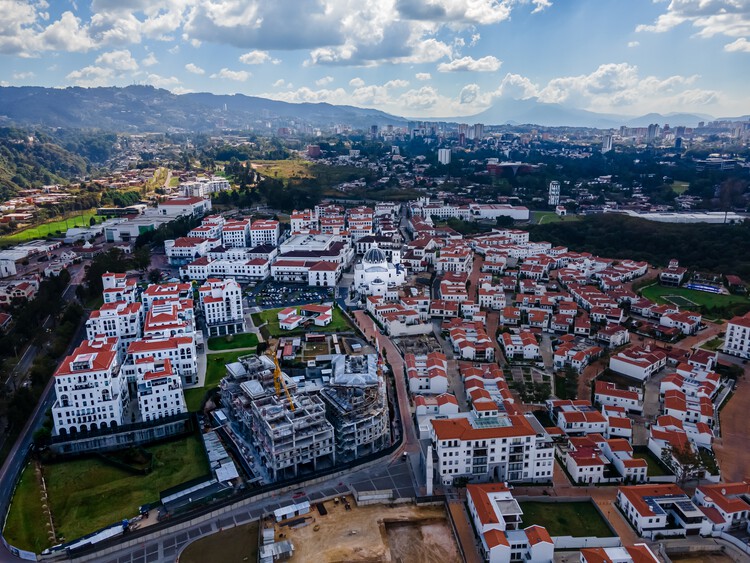
Ciudad Cayalá, a privately developed, mixed-use community on the outskirts of Guatemala City, is often described as a "theme park" of white lime-washed walls, red tiles, and cobbled plazas. A closer examination, however, reveals a more complex urban narrative. Its significance, however, lies in its capacity to create a safe and well-managed public space, proposing a modern reinterpretation of historic urban principles that mark the region's architectural and urban heritage. Behind the Antigua-style façades lies an urban experiment: a modern re-engagement with architectural elements like arcades, courtyards, and open plazas, which propose a privately-managed public space as a solution to urban challenges in the region.
Like the famous Russian Matryoshka doll, opening a package often feels like uncovering endless layers. Inside a cardboard box, there might be molded Styrofoam, then several plastic air pillows, and finally, individual plastic wrapping around each piece. Even a small product can leave behind a trail of plastic waste far larger than its size. Now imagine this logic applied to a construction site where every component, every delivery of materials, often arrives wrapped in multiple layers of protection. What already seems excessive in retail becomes monumental when repeated daily on large construction projects.
Open architectural competitions have long been regarded as gateways for new ideas. They level the playing field by proposing a single call, a clear set of rules, and an evaluation based on the quality of the work, conducted anonymously. For organizers, like cities, institutions, or companies, they represent a way to gather relevant proposals in a transparent public forum, backed by a competent jury. Unsurprisingly, competitions have marked decisive moments in the history of the discipline, such as the Centre Pompidou competition in Paris, which brought Renzo Piano and Richard Rogers to prominence with their "inside-out building," or the one for Brazil's new capital, won by Lúcio Costa with the Pilot Plan that synthesized the city into two intersecting axes, interpreted as either an airplane or a cross.
So, why do competitions still matter in architecture today? Beyond their historic role in shaping iconic projects, they continue to serve as testing grounds for fresh ideas, talent, and innovation. In the following sections, we explore competitions from three angles: the motivations that keep architects returning to them, the reasons organizers continue to launch them, and a practical playbook of strategies to help you approach your next competition with clarity and purpose.
Peace of mind is essential when selecting tapware for a commercial project. As a global leader in premium architectural fixtures and fittings, ABI Interiors is committed to delivering sustainable, design-led solutions that meet architects' practical and creative needs across commercial, residential, and large-scale developments.
When Archigram published their fanatical vision for pneumatic cities and walking megastructures in the 1960s, they seemed to be designing buildings. Beneath the surface, the avant-gardeists were pushing culture through radical alternatives to lifestyles and forms of organizing in the city. Laboratories found themselves between the lines of copy on Domus or Casabella magazines, propositions doubling as blueprints for the civilizations to come. From Gropius's Bauhaus in 1919 to Arcosanti's desert experiments in the 1970s, architecture operated as a form of cultural prophecy. Built form was the argument. The drawing was the vision. Today, we live in a world that remarkably resembles what the starchitects of the 1900s imagined - modular construction, interconnected digital cities, and automated systems. Yet contemporary architecture rarely proposes culture with the same totalizing confidence.
Videos
1st Prize Winner: Our Light. Image Courtesy of Buildner
Buildner has announced the results of its fourth annual Hospice - Home for the Terminally Ill international architecture ideas competition. This global call for ideas continues to explore how architecture can support end-of-life care with empathy, dignity, and contextual sensitivity. The competition invited architects and designers to move beyond clinical requirements and envision spaces that offer emotional warmth, social connection, and a profound sense of place.
Olivia Poston's architectural perspective is deeply rooted in her upbringing amid the post-industrial landscapes of Tennessee's foothills, where she developed an early fascination with the complex relationship between urban environments and ecology. This formative experience shaped her view of architecture not just as building, but as a lens to explore social, cultural, and environmental systems in flux. Olivia's work bridges research, writing, and editorial practice, focusing on how cities across diverse climates evolve and adapt in response to increasing environmental challenges.
She is particularly drawn to collaborative design strategies that integrate insights from architects, planners, and engineers to foster resilience and equity within the built environment. Her editorial approach prioritizes projects that engage critically with climate risk while maintaining a sense of optimism and possibility. She values content that offers both reflection and practical pathways forward, serving as a platform to highlight innovative responses to the pressing demands of sustainability.
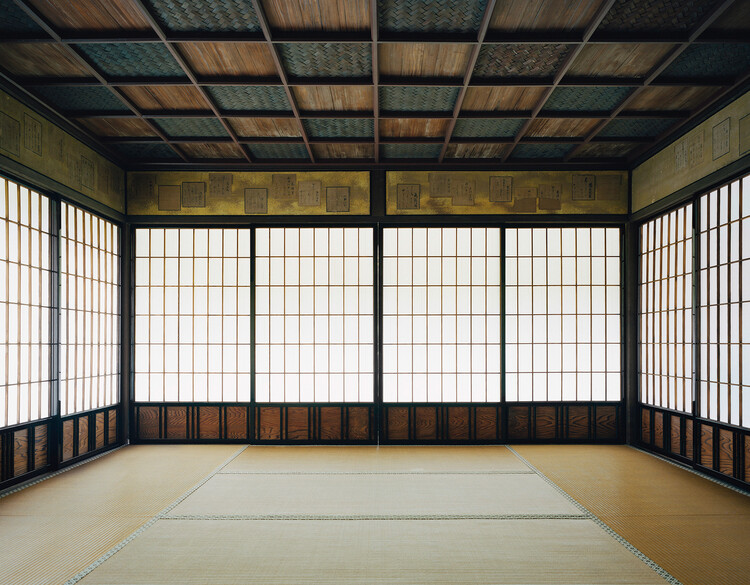
Architecture—one of the few cultural artifacts made to be publicly lived with, preserved, and often capable of standing for centuries—contributes significantly to the cultural identity of places and people. Historically, buildings have expressed institutional attitudes, influence, and power; they are clear demonstrations of culture. Yet longevity complicates preservation: when a structure is rebuilt, repaired, or entirely reassembled, in what sense is it still the same building?
There's the classic Ship of Theseus puzzle from Plutarch. if a ship's planks are replaced one by one over time, is it still the same ship? Thomas Hobbes adds a twist—if the original planks are reassembled elsewhere, which ship is "the original"? The paradox tests what grounds identity: material fabric, continuous use and history, or shared recognition. In architecture and conservation, it reframes preservation as a choice among keeping matter, maintaining form and function, or sustaining the stories and practices that give a place meaning.