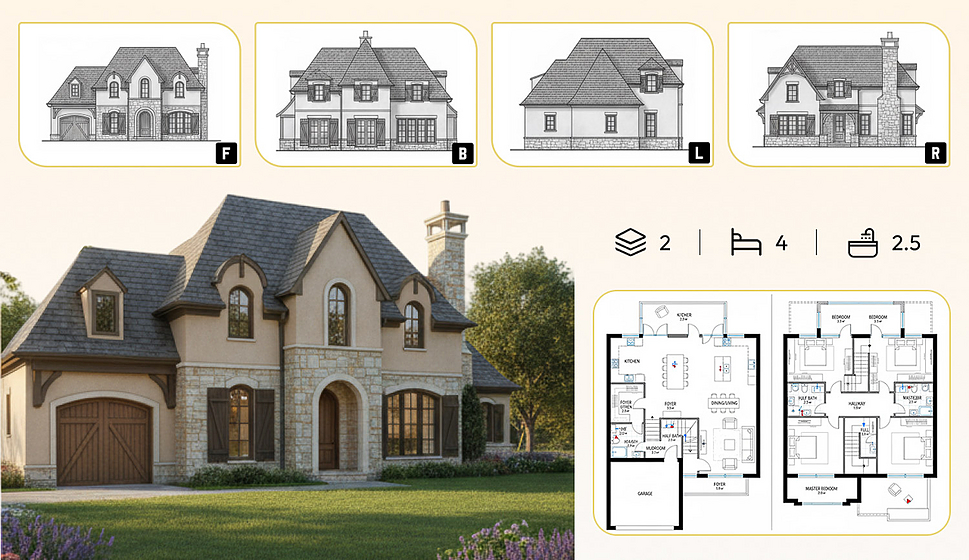
This guide covers a workflow that moves from project parameters to generated floor plans, 3D perspective views, exterior design exploration, and site context visualization, using AI tools in place of preliminary CAD and rendering work.
This guide covers a workflow that moves from project parameters to generated floor plans, 3D perspective views, exterior design exploration, and site context visualization, using AI tools in place of preliminary CAD and rendering work.
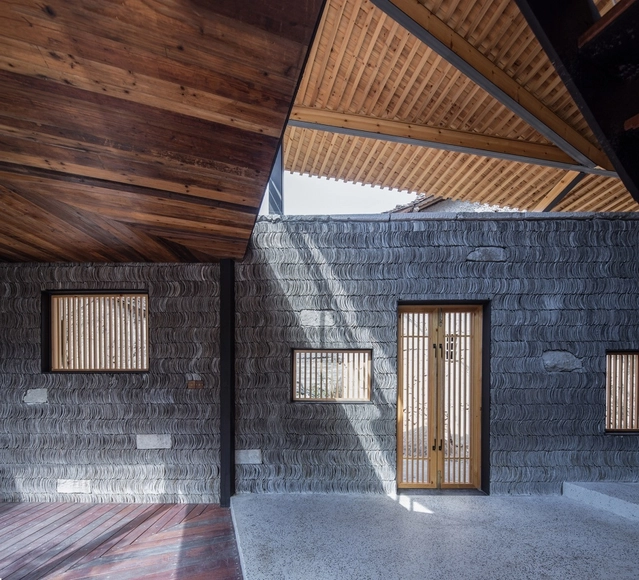
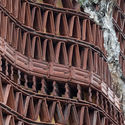
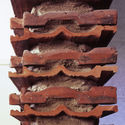
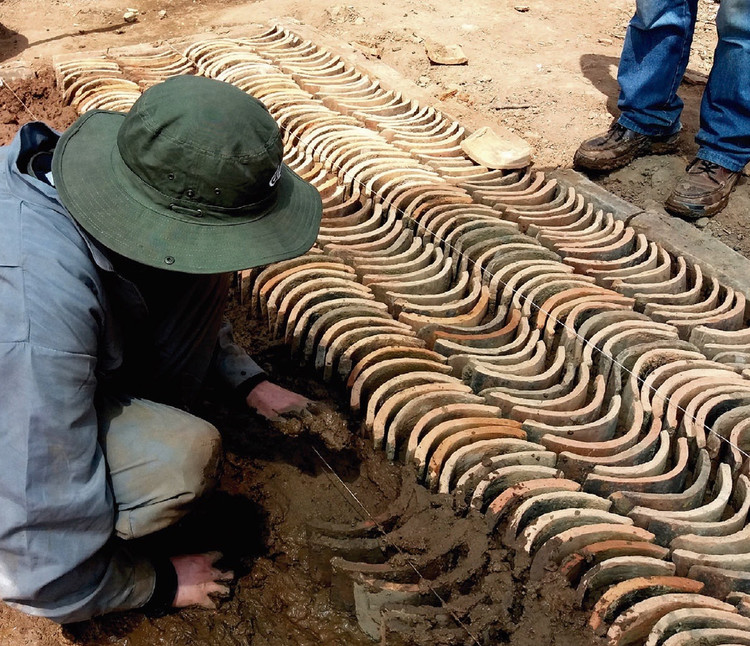
Constrained by a lack of transportation and resources, vernacular architecture has started adapting the distinct strategy of utilizing local materials. By analyzing projects which have successfully incorporated these features into their design, this article gives an overview of how traditional materials, such as tiles, metal, rocks, bamboo, wooden sticks, timber, rammed earth and bricks are being transformed through vernacular architecture in China.
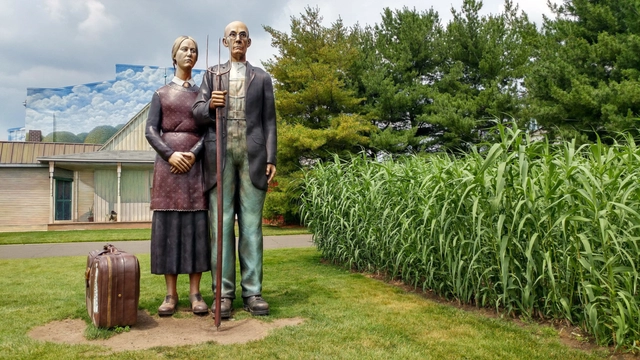
As many Americans tentatively ease back into their museum- and park-going routines, numerous cultural institutions and public spaces are slowly coming back to life on a limited/adjusted basis after months of hibernation to greet them, with coronavirus precautions firmly in place. Meanwhile, large, indoor gallery-centered museums continue to plot their eventual returns. The Metropolitan Museum of Art in New York, for example, plans to reopen in late August while the Getty Center in Los Angeles has still not announced its phased re-opening dates.
In many locales, a trickle of small but positive re-openings has taken place in recent weeks and/or are slated for mid-to-late July. With an eye toward public landscapes, open-air museums, and multifaceted art spaces with room to spread out, here’s a small sampling of places across the country that have reopened or expanded public access or are due to allow visitors in the very near future.
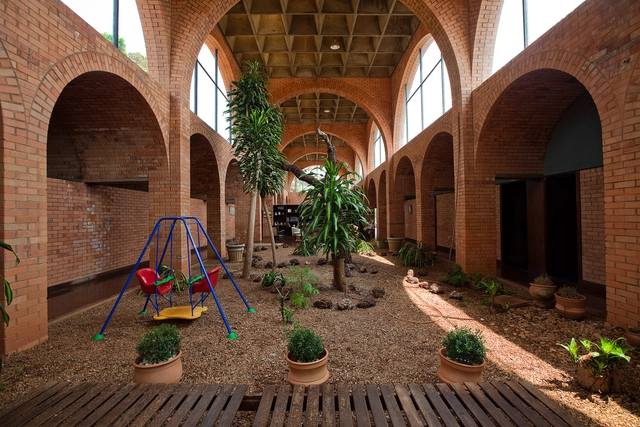
Renovations of Brazilian modernist buildings prompt a necessary debate on how to preserve and what best practices to employ when intervening in architectural heritage. The challenges of this type of intervention are immense. These projects must be approached with great care to maintain respect for their historical significance, preserving key elements of their composition while simultaneously updating the building to meet contemporary and client demands.
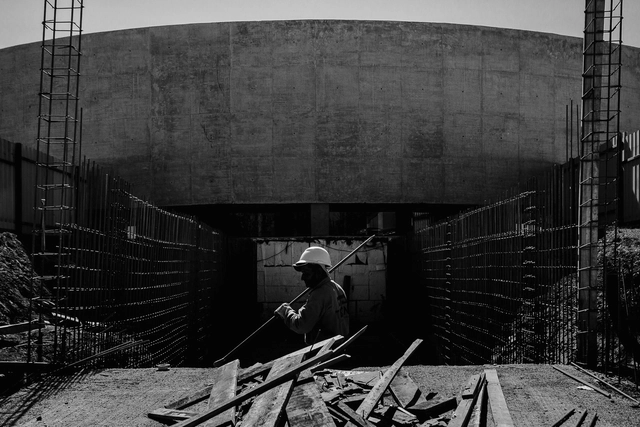
The air humidity is famous, reaching mercilessly low levels for anyone who has never visited a desert. Trees with twisted trunks, thick bark, and fuzzy leaves rise from the soil, attempting to defy gravity, but they contort in such a way that it is as if the heat were pushing them back toward the ground. The red earth is omnipresent, adding a touch of drama to every corner, as if the searing temperature whipped the land until it bled. Here in the *cerrado*, there is none of the density of a damp, dark jungle—like some menacing forest out of a Jack London novel, or an immemorial witness in a trance, as seen in a Joseph Conrad novella.

Certain acclaimed architectural works are recognized by details or specific elements designed with such care and inventiveness that they become the immediate reference that comes to mind when we think of these projects.
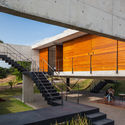
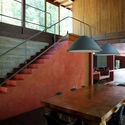
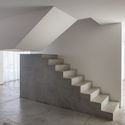
One such element that frequently takes center stage is the staircase. This is evident in classics like Lina Bo Bardi's Solar do Unhão, featuring a singular wooden staircase that organizes the entire open space and defines the scale of the structure, or the iconic helical staircase of the Itamaraty Palace, designed by Oscar Niemeyer with the precise curves that characterize his work.
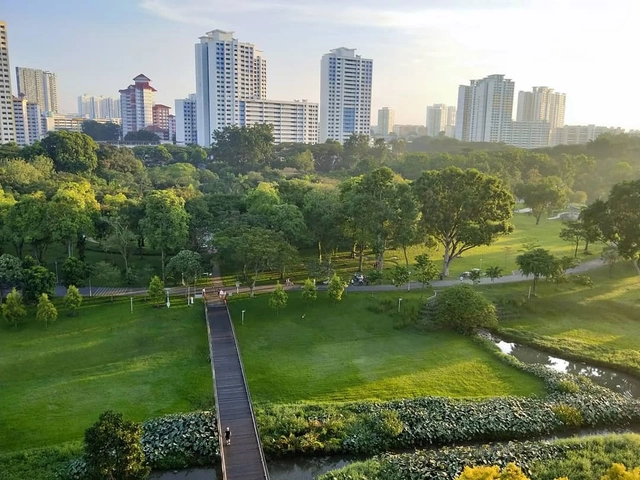
Polis is a (hypothetical) coastal metropolis with a growing population. However, most of its infrastructure was built 100 years ago, lacks maintenance, and is unable to meet the city's future needs.
Compounding these issues, Polis is experiencing damage from rising floods and coastal erosion. Its residents, especially those already impacted by environmental pollution, suffer from heat waves and poor air quality driven by industrial activity and traffic congestion.

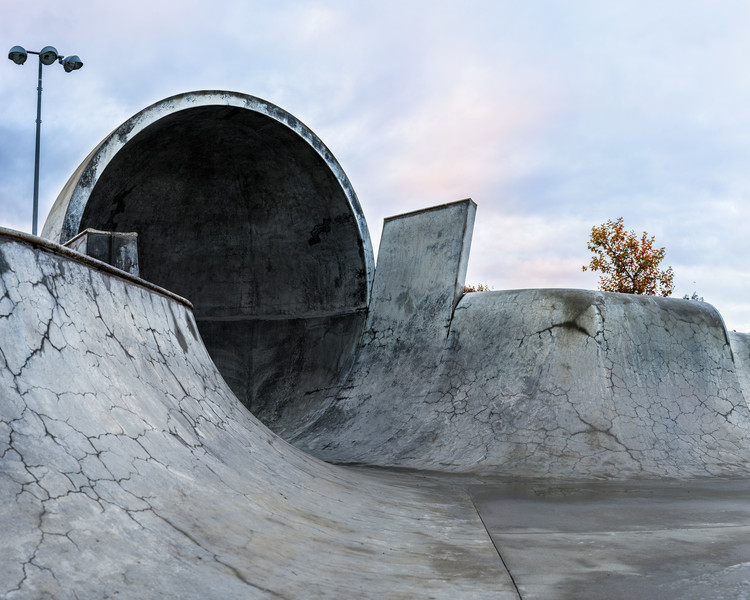
Skating took root as a sport in California during the 1960s and 70s, a time when extreme activities like surfing found their niche among the United States populace. Beginning as an urban adaptation of surfing, skateboarding became the pastime of choice for adolescents and, by the 1980s, acquired a worldwide following. Soon, city-scapes across the globe began transforming as spaces were created for people to engage in this uniquely urban sport.
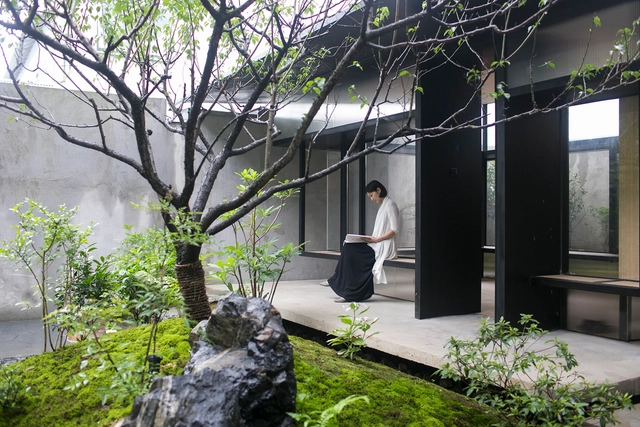
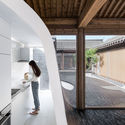
Chinese courtyard houses are one of the most common housing typologies spanning all the way from the northern capital of Beijing to the poetic southern cities Hangzhou and back to the picturesque regions of Yunnan. Typically referred as heyuan, these courtyards homes are simply a “yard enclosed on four sides."
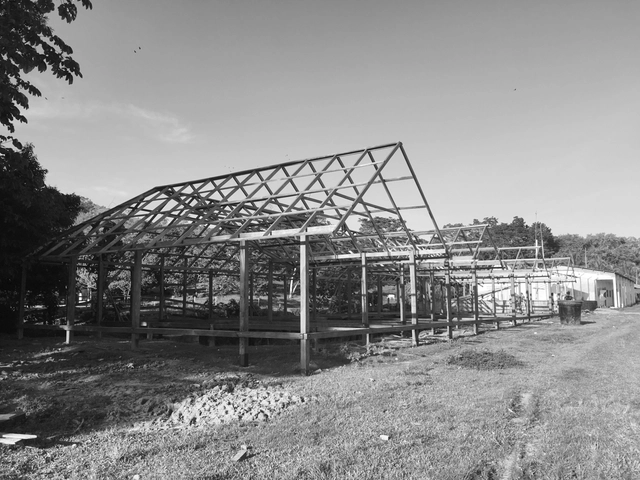

This article by Maria Inés García-Reyes Röthlisberger (Pontificia Universidad Javeriana) and Stefano Anzellini Fajardo (Universidad de los Andes) was originally published in issue 24 of Dearq journal on 01/01/2019 under the title "Saberes compartidos del hábitat: una arquitectura para el paisaje rural" (https://doi.org/10.18389/dearq24.2019.03) and is part of a joint dissemination partnership.
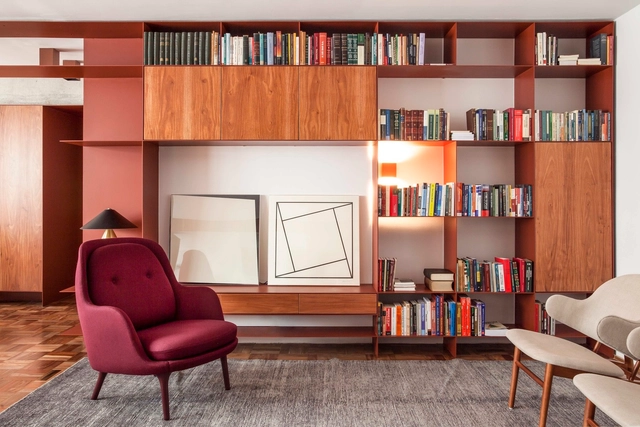
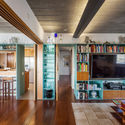
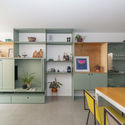
Sheet metal is characterized by an excellent strength-to-weight ratio, meaning it performs exceptionally well under heavy loads despite being lightweight and slender. Because of this, bookshelves made from sheet metal offer impressive storage capacity and have become increasingly popular in apartment design.
The Midnight Charette is an explicit podcast about design, architecture, and the everyday. Hosted by architectural designers David Lee and Marina Bourderonnet, it features a variety of creative professionals in unscripted conversations that allow for thoughtful takes and personal discussions. A wide array of subjects are covered with honesty and humor: some episodes provide useful tips for designers, while others are project reviews, interviews, or explorations of everyday life and design. The Midnight Charette is also available on iTunes, Spotify, and YouTube.

_johan_dehlin.jpg?1595351892&format=webp&width=640&height=580)
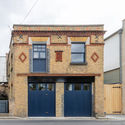
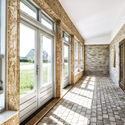
The use of brick plays a very important role in the architectural history of the United Kingdom. Construction techniques that involve brick and stone have been in constant progress. In fact, brick production improved over time, making the material the most popular one in the construction industry. From the 18th century onwards, brickwork was predominantly used in domestic and industrial architecture, but later on, it was introduced to the structure of warehouses and factories, as well as other various forms of infrastructure.
While many of these buildings are still operating to this day, it comes as no surprise. Refurbishment and reuse are highly recommended techniques, and in many cases, the only methods to maintain densely populated European cities. Therefore, the challenge lays in reusing these buildings and recycling the materials available, always trying to retain as much of the original structure as possible.
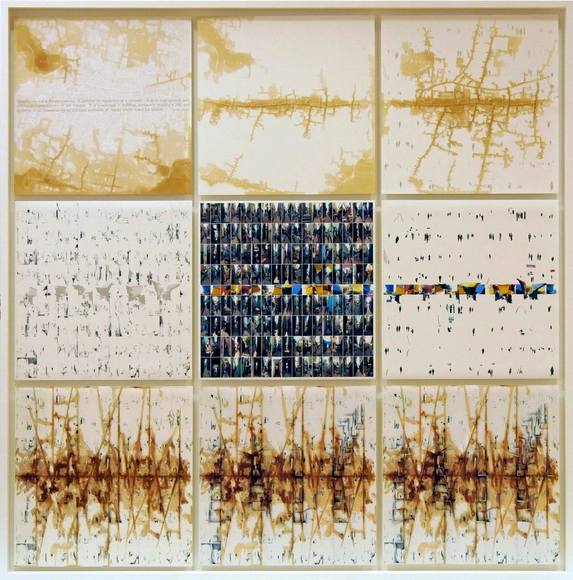
What is your idea of landscape? Landscape Architecture—a field of knowledge adjacent to architecture and urbanism—is often translated into Portuguese as landscaping (paisagismo), a term many resist because it fails to capture the discipline's true complexity. We suspect this discomfort stems from a common architectural tradition in Brazil that views the landscape as a purely designed, static entity.
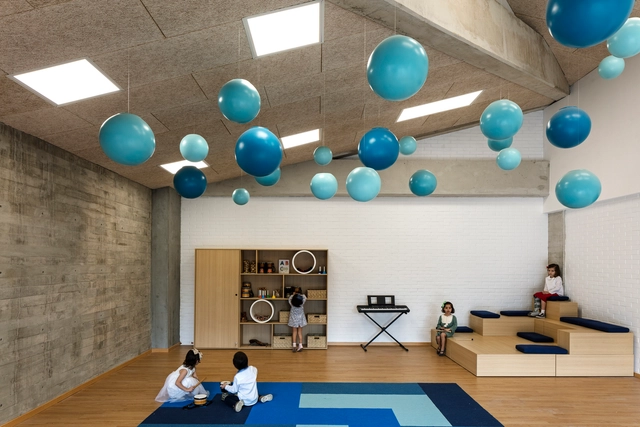
The Reggio Emilia Approach was created in the post-WWII period at the initiative of widowed mothers and under the coordination of journalist and educator Loris Malaguzzi. In a time of postwar urban reconstruction, the group's primary concern was the formation of new schools, where they wanted to create a peaceful, welcoming, and cheerful environment, with a domestic atmosphere where children could stay while their mothers worked. Understanding the children's interests and providing a suitable environment for exploration and experimentation is one of the focal points of this pedagogy. The creation of a safe and stimulating environment is so fundamental that, in much literature, it appears as a third teacher.
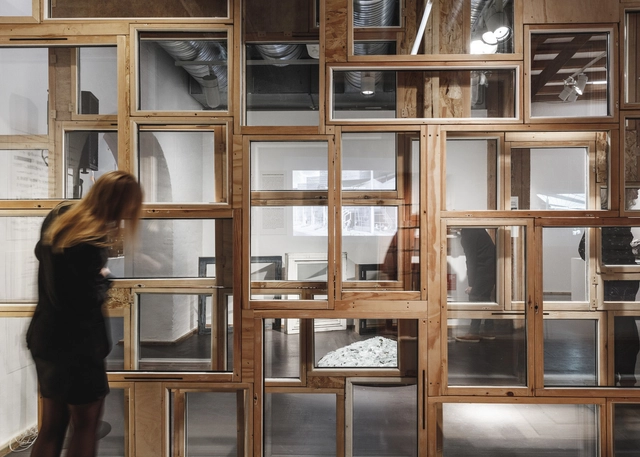
Making material recycling commonplace within the architectural field would require a top-down approach in adapting the industry’s processes and standards to create a suitable framework for the task. However, individual endeavours are bringing about change within the profession, pushing for a reconsideration of architecture’s relationship to waste. This article looks at some of the initiatives that are spearheading the transition towards a common practice of material recycling.
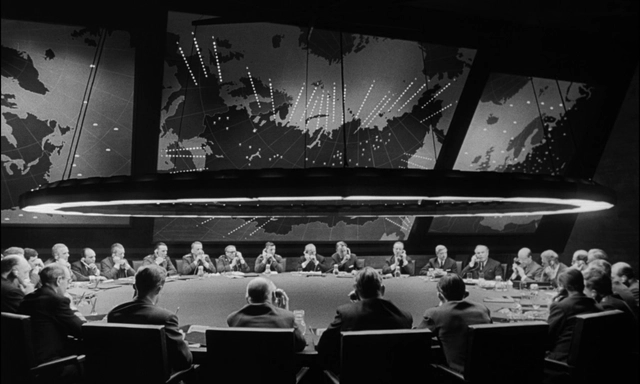
This article was originally published on Common Edge.

Dr. Strangelove or: How I Learned to Stop Worrying and Love the Bomb is one of those rare movies that not only gets better with time but also presents a new layer of meaning with each viewing. Recently I’ve come to believe that it’s the most important movie about environmentalism ever made, not only because of its warning about nuclear annihilation, which is obvious, but because of its sly critique of the idea of professionalism and the nature of work.
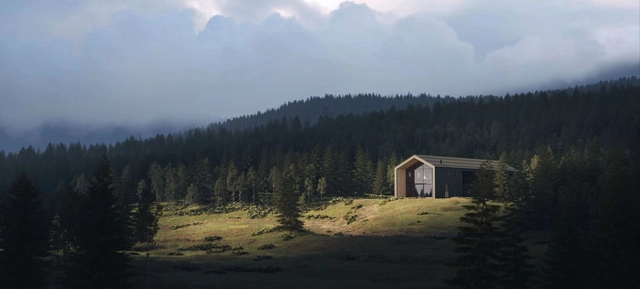
Architectural visualization company Brick Visual has been loading its most complex scenes into Chaos Group’s real-time 3D ray-traced engine, Project Lavina, since the private beta first launched. With the first public beta now available, Attila Cselovszki, CDO at Brick Visual, shares how adding Project Lavina to the architectural visualization (arch-viz) pipeline has revolutionized the way they work.
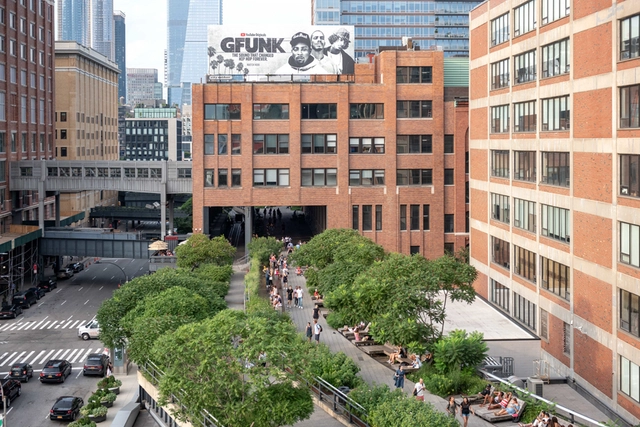
Metropolis catches up with the High Line Network, a consortium of North American reuse projects that has been sharing notes and best practices through the pandemic.

Since the pandemic began, the High Line Network—a group of North American infrastructure reuse projects founded in 2017—has been conducting regular teleconference calls among its members, comparing notes on operations and sharing best practices and advice with fellow members. With many open or planning to reopen soon, and as the pandemic continues, many observers expect these projects will become even more popular among the public, since they provide outdoor space where visitors can walk, bicycle, and safely enjoy themselves—usually at an appropriate distance from one another. Especially now, the network believes its constituent projects can deliver tremendous and much-needed social, health, environmental, and economic benefits.
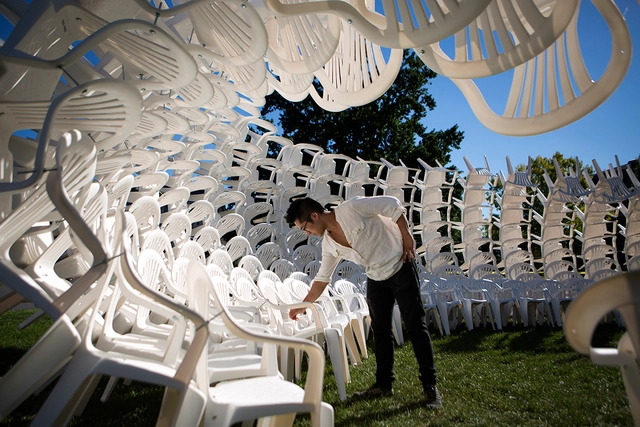
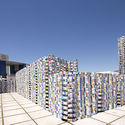
As seen throughout architectural history, ephemeral installations and pavilions are key elements for addressing specific architectural moments and social manifestations in an almost immediate way. While some pavilions have proven so significant that they transcended their temporary nature to become permanent, exemplary expressions of a historical moment—such as the Barcelona Pavilion, designed by Ludwig Mies van der Rohe and Lilly Reich for the Barcelona International Exposition in Montjuïc—others remain documented in photographs, plans, and experiences, to be rewritten in future projects.
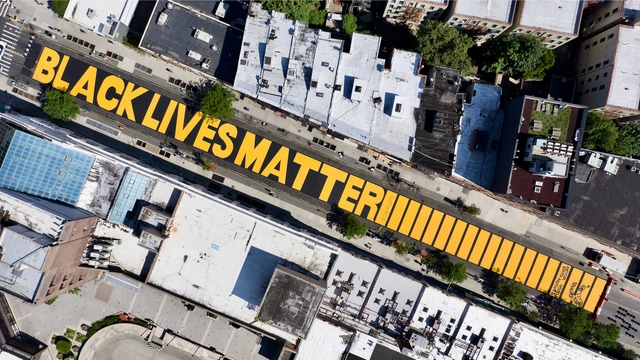
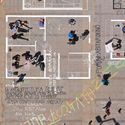
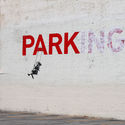
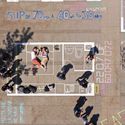
When urban spaces become the medium for expression, protest, criticism, and defiance, the audience is limitless. Pedestrians and bystanders of all ages and ideologies become spectators of demonstrations that walk the line between art and activism and transform the city's streets, walls, and sidewalks into canvases for diffusing ideas on a massive scale. Banksy once said that "a wall is a very big weapon. It's one of the nastiest things you can hit someone with." This call to arms has rung true for many as they take to the streets in a bid to make themselves heard.
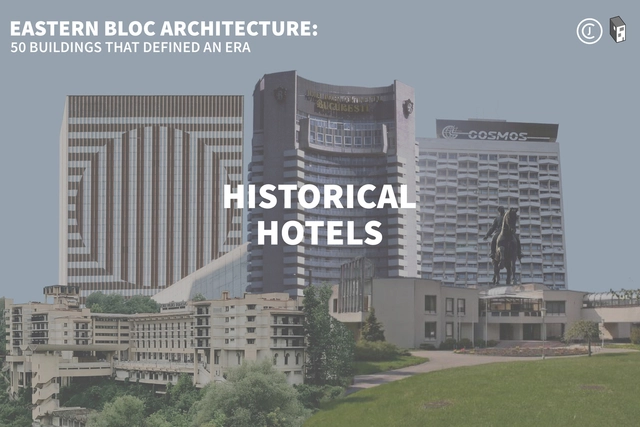
This article is part of "Eastern Bloc Architecture: 50 Buildings that Defined an Era", a collaborative series by The Calvert Journal and ArchDaily highlighting iconic architecture that had shaped the Eastern world. Every week both publications will be releasing a listing rounding up five Eastern Bloc projects of certain typology. Read on for your weekly dose: Historic Hotels.
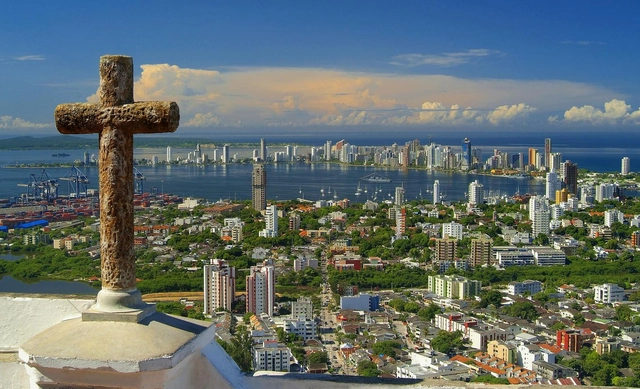
July 20th marks the date when Colombia celebrates its independence from Spanish rule. Two centuries later, the very idea of independence remains debatable. Although the Colombian republic is constitutionally independent, colonial legacies continue to structurally dominate society today.
.jpg?1595343069&format=webp&width=640&height=580)
The Maya Train is the federal government's flagship project, formally announced in December 2018. It is planned as a regional train for locals, tourists, and cargo, intended to generate regional economic benefits through tourism. According to the official project brochure, it "is based on a sustainable development model that drives economic growth without depleting the environment" and "promotes a tourism scheme in which visitors travel through local communities, preventing tourist concentration in a single destination," thereby "distributing wealth throughout the peninsula."

Whether you're looking for an upgrade or to replace broken pieces for floors or walls, tiles are always an effective and readily available option for any project that you have in mind. With their relatively low production cost, tiles are rarely reused or recycled and, if they are, it's usually for their original function.



.jpg?1517237056 "Micro-Yuan’er / ZAO/standardarchitecture. Image © Mingming Zhang")




_Andrew_Meredith.jpg?1595351859 "© Andrew Meredith")
_Nigel_Rigden.jpg?1595352119 "© Nigel Rigden")
_Ben_Pipe.jpg?1595351948 "© Ben Pipe")
_johan_dehlin.jpg?1595351892)




.jpg?1594149242 "Redbridge School / ARX Portugal Arquitetos. Image © Fernando Guerra | FG+SG")





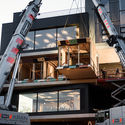






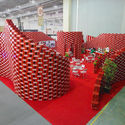
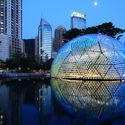
.jpg?1595384588 "Izaskun Chinchilla Unveils ‘Organic Growth’, a Recycled Pavilion Funded via Kickstarter. Image © Sergio Reyes")