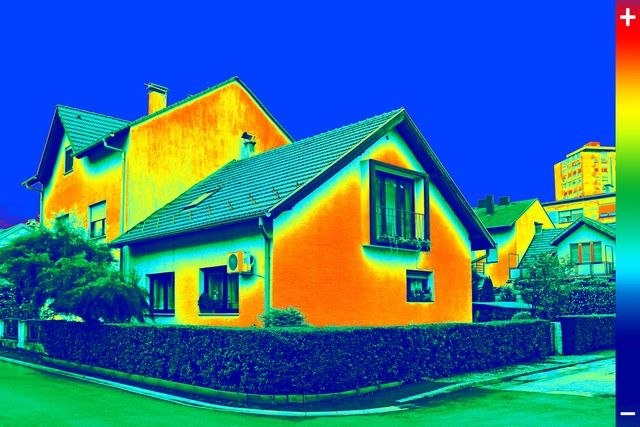
Infrared thermography image showing a home's lack of thermal insulation. Image by Ivan Smuk. Image via Shutterstock
How can we analyze the environmental impact of buildings? What strategies could be developed to improve people's quality of life and achieve a harmonious relationship with the environment? Year after year, more questions are added to the design decision-making process of thousands of architects around the world. They seek to take action and implement policies that improve the environmental performance of their buildings, reducing energy and resource consumption while also lowering greenhouse gas emissions and waste production.
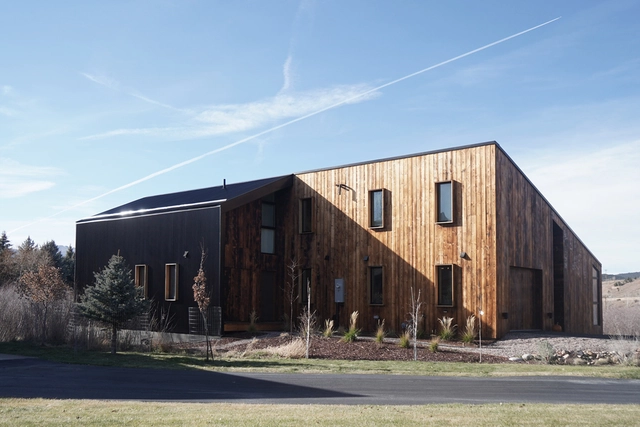
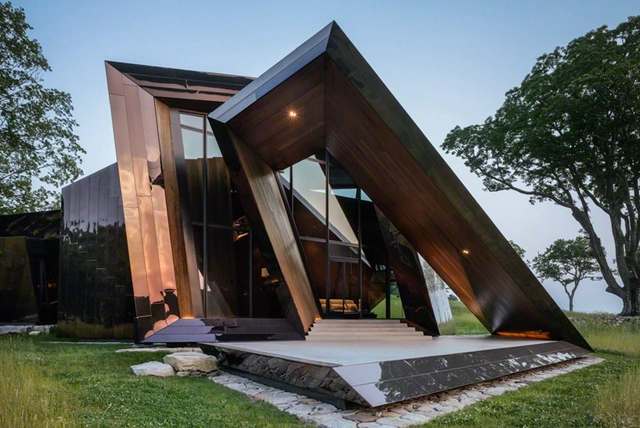
18.36.54 House, Connecticut. Image Courtesy of Nikolas Koenig
Polish-American architect, artist, professor, and set designer, Daniel Libeskind, founder of Studio Libeskind in 1989, believes that buildings are crafted with perceptible human energy, constructed with the intention to address the greater cultural context in which they are built. His commitment to expanding the scope of architecture reflects his profound interest and involvement in philosophy, art, literature, and music.
He addresses the notion of drawings being akin to a score, a piece of music that is interpreted by a like-minded community. Proportions, light, and materiality are all implicated in the drawing, and in this same way, buildings are also called to present space, atmosphere, and illuminate the practice.
For the first time in history, the global urban population has surpassed the rural population. Today, 55% of people live in urban areas, and projections indicate this figure will reach nearly 70% by 2050—an increase of 2.5 billion urban dwellers. This prompts us to ask: what model of urbanization do we want for the coming decades? The answer depends on understanding rising urbanization rates as a challenge not only for cities but also for rural and peri-urban territories, whether productive or natural.
Architecture education was never designed to prepare you for the entrepreneurial side of running a practice. In the minds of the creators that constructed the system which stands for what you now know to be the path to getting licensed, you were never meant to start a business in architecture prematurely. There is a code, a set of rules that drives you to obey and follow a one-sided vision of success.
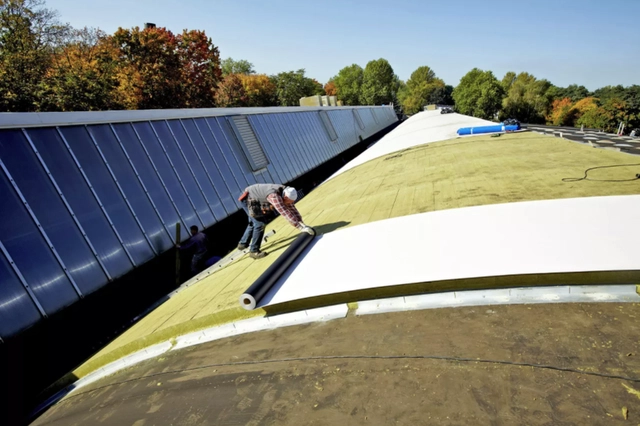
While the average lifespan of a building is about 50 to 100 years, a roof typically lasts between 15 and 30.
Why such a notable difference?
Constantly exposed to direct sunlight, moisture, rain, fluctuating temperatures, and wind, roofs and decks are the most critical and vulnerable areas of a building. Consequently, without proper care and maintenance, they run the risk of damage that can drastically reduce their lifespan.
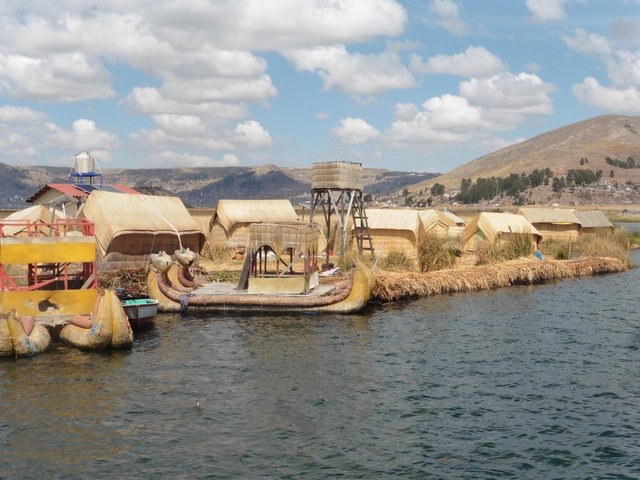
Islas de los Uros en el lago Titicaca. Image Cortesía de Leyda Aza Medina
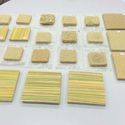
The growing focus on sustainable architecture drives architects to explore alternative sustainable construction materials that can be implemented in new buildings. The research “Totora as a Thermal Insulation Material: Properties and Potential” was published by architect Leyda Aza Medina as a master's thesis in 2016 and won the ADUS 2021 academic practice award. The study offers a sustainable alternative, utilizing the renewable resource of totora reeds to develop thermal insulation for buildings in the Peruvian highlands.
The discovery of fire was one of the great events that changed the social organization of human agglomerations, which gradually passed from nomadic to sedentary lifestyle. Fire, which in that context served to keep people warm and protect the group, was also being explored as a source for cooking food, which not only changed human eating habits, but also made it possible to conserve food, changing the social organization of communities. The preparation and meals were collective acts, which brought people together to feed, warm up and protect themselves. It is from this habit that we inherited the practice of large banquets and the appreciation of food and meal times. Food preparation, on the other hand, was gradually marginalized.
While the Egyptians, Assyrians, Phoenicians, Persians, Greeks and Romans shared the habit of holding large banquets, the preparation gained less and less prestige, losing its collective social dimension until it was physically segregated in a specific room: the kitchen.
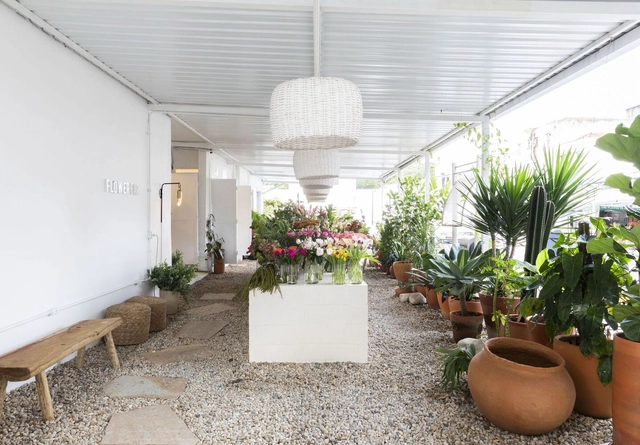
From celebrations of important conquests to expressions of wishes for someone who is sick to get better, the act of gifting someone (or oneself) with flowers is present at different stages of our lives and can carry numerous meanings. This kind of ritual materializes the expression of a feeling and, in many cultures, it is a delicate and sensitive choice, which usually takes into account the selection of specific species for each event.
For this reason, flower shops and stores specializing in flower arrangements are often places where the diversity of species is arranged in order to make it possible to choose the right arrangement or bouquet of flowers. In this sense, many florists take advantage of spatial organizations and design elements that seek to enhance the natural beauty of flowers. Some examples of this strategy are the use of more neutral tones on the surfaces, in contrast to the colors of the different species, and the use of innovative displays in dialogue with the arrangements.
What, exactly, is the point of architecture criticism? The word “criticism” is derived from the Greek term krinein, meaning to separate, to sift, to make distinctions, to discern, to examine, or to judge. According to Wayne Attoe, an architect and educator who writes about architecture criticism in his book Architecture and Critical Imagination (now sadly out of print), this does not necessarily mean to disapprove of, or to find fault with. It can be favorable or unfavorable; it can praise or condemn.
https://www.archdaily.com/978701/whats-the-point-of-architecture-criticismMichael J. Crosbie
Polígonos en pendiente en Barcelona. Image Cortesía de Matías Falero
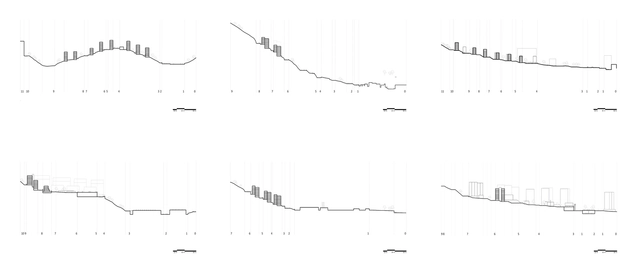
The contemporary urban footprint seems to expand its boundaries virtually without restriction while increasing in complexity. Major cities like Barcelona have expanded to the point where political boundaries merely represent the lines of administrative jurisdiction—which, in satellite imagery or everyday experience, often virtually cease to exist or are barely recognizable. On the other hand, a contemporary reading of its Metropolitan Area, stretched between mountain ranges, rivers, and the sea, demonstrates that this progressive expansion has always been shaped by its unique geographical enclave.
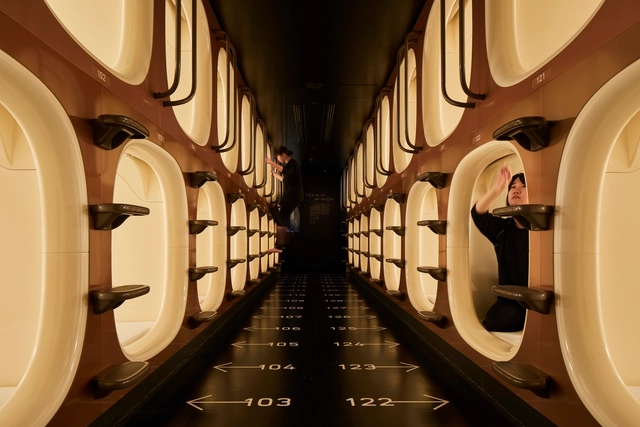
Hotels are a hub for commerce, transportation and culture. Today, interior designers are redefining hospitality spaces to accommodate new forms of travel, communication and rest. From historic renovations to contemporary ground-up hotels, these projects center around leisure and memorable guest experiences. In turn, they express brand identity to rethink what interior design and hospitality will be in the future.
Parametric design render by Oneistox graduate Alab Adviento. Image Courtesy of Oneistox
Although computational design as a technique applied in the architectural field has been around for two decades, the infinite possibilities it presents are only just being discovered. The horizons of designing using programming software are expanding alongside the growing popularity of tools like Rhino 3D and Revit. What aspiring architects will hereon have to be mindful of as they train themselves for the industry is that computational design software is not to be treated as a ‘to-do item’ to be ticked off for only adding to one’s résumé. Rather, it’s an opportunity to delve deeper into one’s creative instincts.
March is the month in which St Patrick's Day is celebrated, a tribute to the patron saint of Ireland who died on March 17, 461. In addition to the religious celebration, St Patrick's Day is marked by great parties in the streets, bars and pubs of English colonized countries such as Canada, the United States and, of course, the Republic of Ireland.
The Republic of Ireland is located on the Island of Ireland, northwest of Continental Europe and borders Northern Ireland, one of the countries that make up the United Kingdom, from which it gained independence at the beginning of the 20th century, in 1919, after an intense conflict. Since the War of Independence, the country has struggled to value and recognize its local culture, including its architecture, whether historical or contemporary. Get to know a little more about the country's architecture through the work of the seven contemporary practices gathered below.
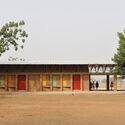
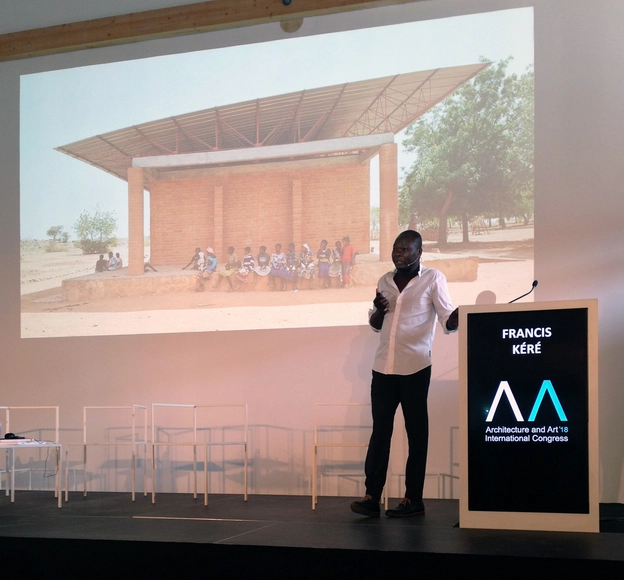
"I Draw on Paper, but I Prefer to Draw on the Ground". This phrase caught my eye during Diébédo Francis Kéré's speech at the AAICO (Architecture and Art International Congress), which took place in Porto, Portugal from September 3 to 8, 2018. After being introduced by none other than Eduardo Souto de Moura, Kéré began his speech with the simplicity and humility that guides his work. His best-known works were built in remote places, where materials are scarce and the workforce is of the residents themselves, using local resources and techniques.
Around the two-year anniversary of the start of the COVID-19 pandemic, there is little that looks the same as it did in March 2020, whether it’s how we work, how we study, or even how we move about our own homes. Many titles in this selection of spring architecture and design book releases show just how authors and design professionals are grappling with the major changes of our time. Volumes such as Debbie Millman’s Why Design Matters and Paola Antonelli’s Design Emergency share the diverse viewpoints and design solutions of some of the world’s leading creative voices; Otto von Busch’s Making Trouble and Max Holleran’s Yes to the City evaluate forms of DIY and housing activism; and Stephen Vider’s Queerness of Home and Suchi Reddy’s Form Follows Feeling tap into a more empathetic, human-centered approach to space. All of them, in some way, look at the past as a way to see clearly into the future of the built environment.
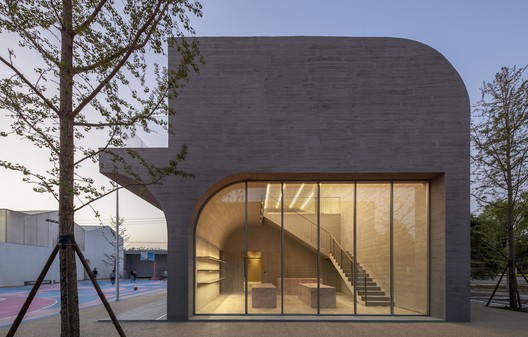
Founded in 2017, Studio 10 is an interdisciplinary design practice based in Shenzhen and Hong Kong. We are dedicated to providing highly customized, high-quality, boutique architectural, interior, product, and other creative design services. Our design and research span both the world's highest-density urban environments and low-density rural areas. As a multidisciplinary studio, we view architecture and space as the ultimate, omnipresent medium between people and their natural, social, and cultural environments. In our practice, architecture and space are not only shelters within the environment and media for perceiving our surroundings, but also catalysts and generators for rural and urban community revitalization and environmental improvement. Through constant reflection, we aim to leverage architecture and space to promote economic, cultural, and social progress, seeking an enduring balance and harmony between humanity and the environment.
To reconnect humanity with nature, we explore unorthodox treatments of form and materials in our designs, reflecting a desire to humanize architecture. By reintroducing pre-industrial and pre-digital craftsmanship into the design process, architecture and space become a hybrid of rationality and intuition. We also constantly explore recyclable, recycled, and repurposed natural and industrial materials, advocating for environmental awareness and sensitivity through their innovative and defamiliarized application.
Office repositioning is one of the biggest struggles global businesses face today. This stands true for both: architecture businesses and the clients you’re servicing with your design solutions. In the last 18 months there have been enormous transformations within the AEC industry and arguably across most industries, many of which have influenced and shaped business decisions made during the pandemic. You could say the pandemic has only sought to accelerate some of the transformation we had started to see. The biggest and most notable is in the area of communication and connectivity. Staying connected and providing employees with the tools and platforms they need to collaborate, innovate and stay productive has been at the forefront for all companies.
Every year, the National Fund for Culture and the Arts (FONCA), through the National System of Art Creators (SNCA), recognizes those who represent excellence in national culture through the Jóvenes Creadores Program. By providing grants, the program supports the creative and training processes of young Mexican artists, fostering favorable conditions for the development of original, significant, and positive creative projects.
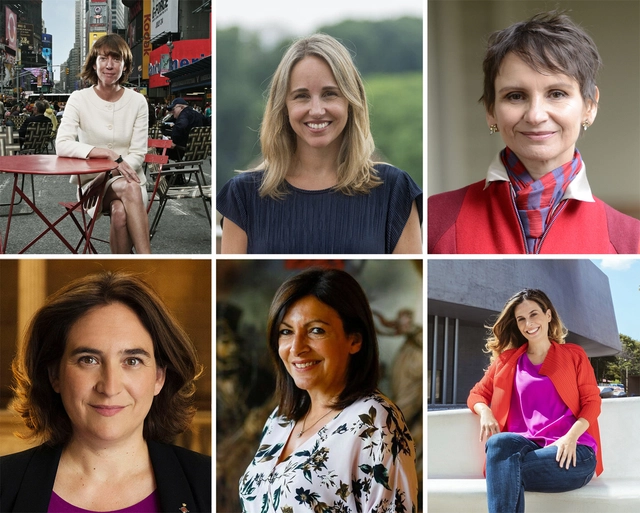
In different parts of the world, women are transforming cities and taking up spaces in urban planning and management as never before. Paris, Barcelona and Rome, for example, in addition to being cities where almost anyone would like to live, are now cities managed by women for the first time in their history, all in their second term. Major changes and currently celebrated plans, such as the “15-minute city” in Paris, the opening of Times Square to the people in New York, and the urban digitization of Barcelona as a smart city, were led by women.
Bohem Project by Team Group. Image Courtesy of Team Group
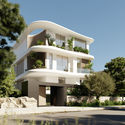
This week’s curated selection of Best Unbuilt Architecture highlights private residential projects submitted by the ArchDaily community. From a residential quarter comprising eight urban villas, to private getaways in the suburbs of Hyderabad, India, this round up of unbuilt projects showcases how architects design private spaces that combine locality and functionality in structures that cater to the residents’ lifestyles and behaviors. The article also includes projects from Iran, the United States, Thailand, and Greece.
Almost no one buys an automobile for its stated price with cash on hand, so those looking to buy a car look to what the cost will be each month to own their automobile. Homes are our deepest investment, and most homeowners are equally as proud of their home as they are of their car and are terrified of its cost. So it is not surprising that “Net Zero” homes use the same sales tactic, proving their value by promising no monthly energy bills.
In the VIP lounge at Hamburg Airport, BoConcept’s swivel function Ogi chairs are used to create comfortable grouped seating areas under acoustic-friendly lamps. Image Courtesy of BoConcept
When it comes to the shaping of public spaces, an airport lounge provides glorious scope for the flexing of design muscles. When a space serves a broad spectrum of tastes and types, what guides the aesthetic? When hundreds of people tread its floors daily, what materials will withstand the wear and tear? And what furnishing and effects does the space require in the first place? Are people using it to fuel up on food before a flight, or as a temporary office? Are they making a library of the space or a crêche; are they catching 40 winks or drinking towards an airborne stupor?
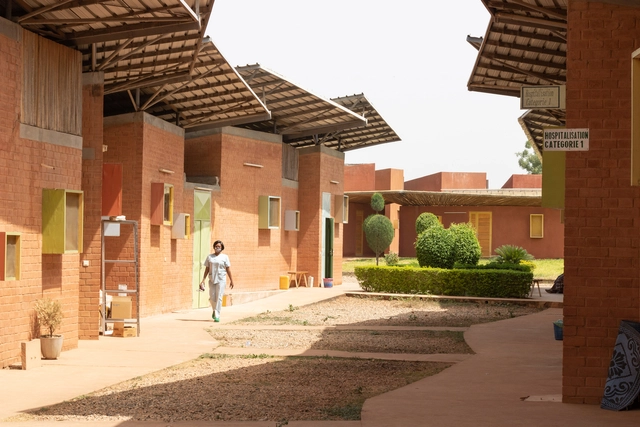
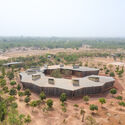
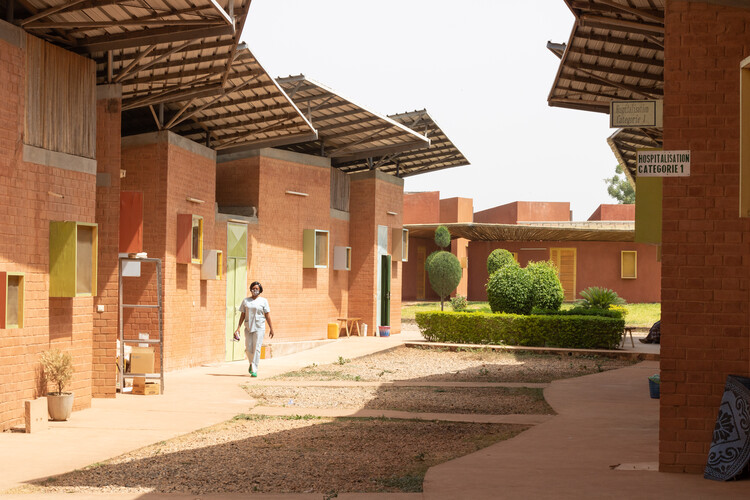
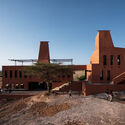
Surgical Clinic and Health Center. Cortesia de Francis Kéré
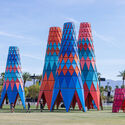
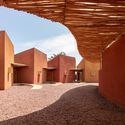
"I just wanted my community to be a part of this process," Diébédo Francis Kéré said in an ArchDaily interview published last year. It's hard to think of another phrase that so well sums up the modesty and impact caused by the newest winner of the Pritzker Prize of Architecture, whose work gained notoriety precisely for involving the inhabitants of his village in the construction of works that combine ethical commitment, environmental efficiency, and aesthetic quality.
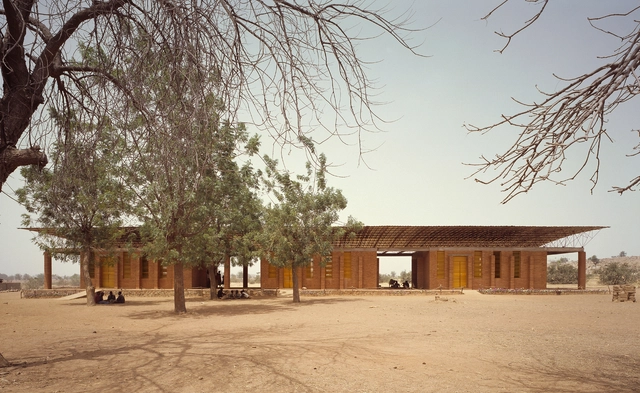
Diébédo Francis Kéré founded his architecture practice Kéré Architecture, in Berlin, Germany in 2005, after a journey in which he started advocating for the building of quality educational architecture in his home country of Burkina Faso. Deprived of proper classrooms and learning conditions as a child, and having faced the same reality as the majority of children in his country, his first works aimed at bringing tangible solutions to the issues faced by the community.



























.jpg?1647368273&format=webp&width=640&height=580)

.jpg?1647368273)