

"When I think about design in general, a story of families always comes to mind, especially in furniture design. Stories of people and families". Flexform has spoken with Antonio Citterio, Italian architect and designer, to delve into the design concepts that shape their 2020 Collection. Learn more here.
Misc
How to Expand Spaces with Revolving Corner Windows
| Sponsored Content
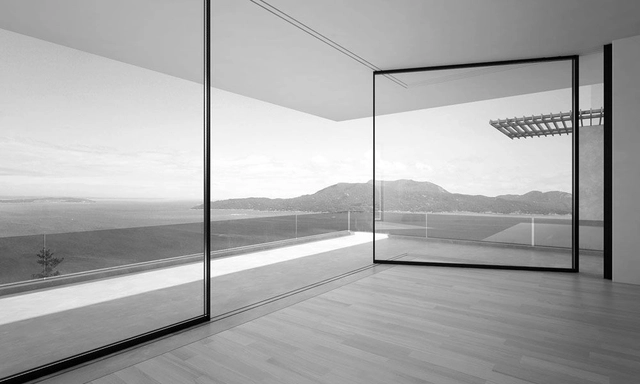
The window is the architectural element that satisfies our innate need to relate to the outside space, providing us with ventilation and light. The more extensive and clean the window is, the greater the sensation of "being outside". Consequently, opening up spaces to the outside has become a common requirement for people who want and need to inhabit flexible, adaptable spaces, in contact with the air and nature. There are many ways to do this, but not all of them allow an airtight enclosure to become fully open and continuous, clearing the boundaries between both spaces.
https://www.archdaily.com/949165/how-to-expand-spaces-with-revolving-corner-windowsCatalina Valenzuela Cortés
A Free Tool to Create Textures for Architectural Images
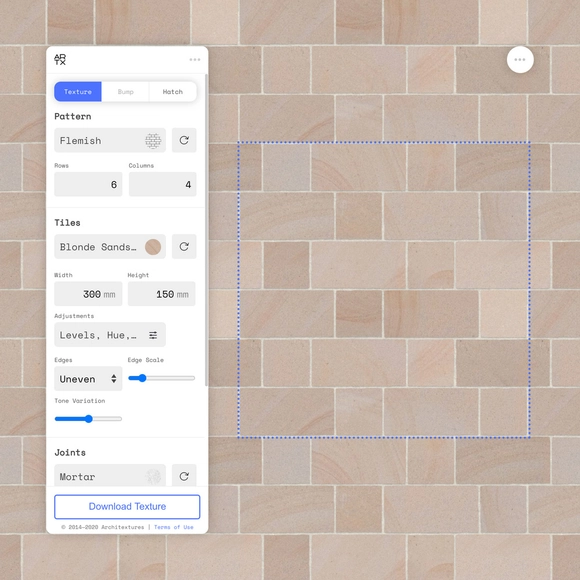
All too often, architects and designers spend hours searching for textures and materials to represent their visions. This struggle takes many forms: from scrolling through Google, Pinterest, and databases in search of the perfect texture, to manually creating one over the course of several hours, or even days. In either case, the result is frequently painful, and rarely perfect. A database organized, reliable, free and easy to use is not always a simple thing to find.
Architextures began in 2014 as a library of high-quality image files, with textures submitted by users or created by the platform itself. Over time, the platform’s creator Ryan Canning noticed that, in his professional work as an architect, the array of static image files available online did not meet the specific textures he was looking for in his design projects. Frustrated with the endless process of searching, editing and overlaying textures in Photoshop, Ryan reinvented Architextures in 2019 as an interactive tool where designers like himself could create specified, high-quality textures in seconds. And importantly, being free to use for personal and educational use, with professional accounts available for a small fee to support the tool’s development.


https://www.archdaily.com/947143/a-free-tool-to-create-textures-for-architectural-imagesEduardo Souza


Become a BIM Professional with the Autodesk Revit Architecture Course
| Sponsored Content
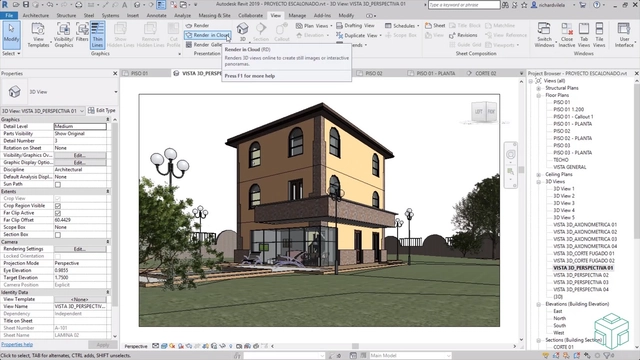
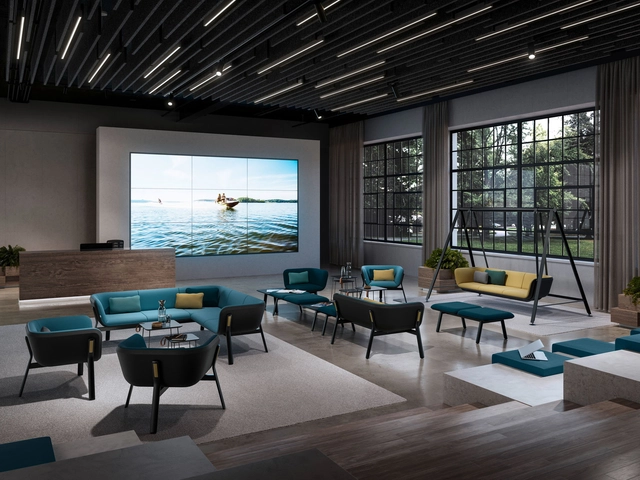
In the world of architectural design and construction, Revit BIM has become key software that helps simplify building design and analysis processes. As a collaborative work methodology for project generation and management, it enables architects and engineers to design with modeling elements and parametric drawings by using smart 3D objects.
https://www.archdaily.com/943691/become-a-bim-professional-with-the-autodesk-revit-architecture-courseGoPillar Academy
Recycling Warehouses: 25 Adaptive Reuse Projects
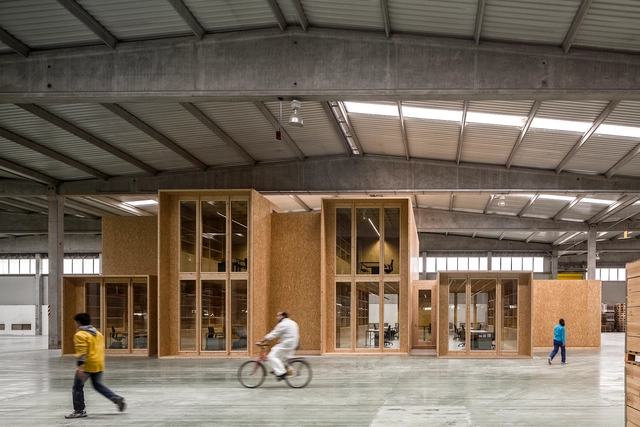

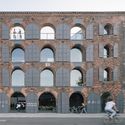


Warehouses, whether industrial or rural, are a type of building that can easily be found all around the world. Some of these shelters are century-old and have probably been built to store products or to accommodate factories. However, due to urban phenomena and new technologies, many of them stopped operating as they were originally used to and started to spark interest in several businesses whose aim was to re-adapt these structures to meet new purposes.
https://www.archdaily.com/944211/recycling-warehouses-25-adaptive-reuse-projectsVictor Delaqua
Axonometric Projections in Brazilian Architecture: 20 Examples on How to Visualize Your Project

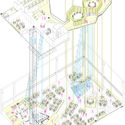
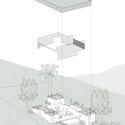
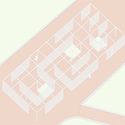
An axonometric perspective, also called parallel projection or axonometry, is an orthographic projection on an oblique plane as a means of representing three-dimensional objects. It is a very efficient way to illustrate a project since it can represent not only conceptual schemes but also construction details in a very didactic style. It allows us to change the position of the viewer when rotating the axes and thus generating several visual combinations of the design, that can help answer any questions the contractor or client may have.
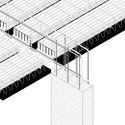

https://www.archdaily.com/942839/axonometric-projections-in-brazilian-architecture-20-examples-on-how-to-visualize-your-projectEquipe ArchDaily Brasil
Learn Revit BIM with this Free Online Introductory Course
| Sponsored Content
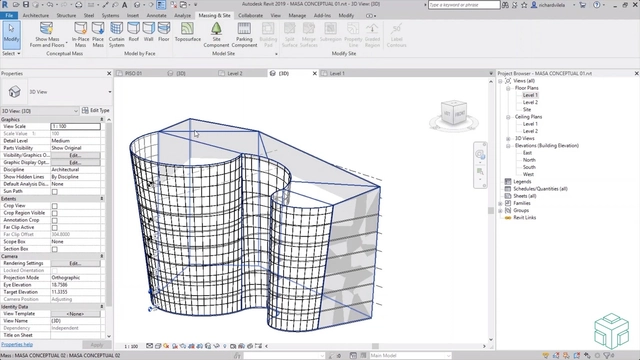
We have all heard the term BIM within the fields of architecture and construction. But have you ever wondered why its use has grown so much in recent years? The BIM (Building Information Modeling) methodology has simplified the work of the different actors in the world of architecture and construction; it not only facilitates the design process but also simplifies the general analysis of the building, minimizing errors.
Thanks to the BIM methodology, it is possible to work collaboratively and maximize efficiency in the management and administration of projects of any size. Architects and engineers work with parametric plans and models, called 3D smart objects.
https://www.archdaily.com/940315/learn-revit-bim-with-this-free-online-introductory-courseGoPillar Academy

Spotlight: Jane Jacobs

Throughout her career, social activist and urban writer Jane Jacobs (May 4, 1916 – April 25, 2006) fought against corporate globalization and urged post-war urban planners and developers to remember the importance of community and the human scale. Despite having no formal training, she radically changed urban planning policy through the power of observation and personal experience. Her theories on how design can affect community and creativity continue to hold relevance today—influencing everything from the design of mega-cities to tiny office spaces.
https://www.archdaily.com/502096/happy-birthday-jane-jacobsAD Editorial Team
Indoor Landscaping: 30 Projects that Bring Life into Interiors

Introducing elements of nature - such as water, vegetation, natural light, stones or even the use of wood - into interior design can provide richer and more complex compositions in the built environment. In these landscaping projects, the textures, silhouettes and, especially, the generated sensations, can establish new relationships of well-being and comfort for the user.
https://www.archdaily.com/935822/indoor-landscaping-30-projects-that-bring-life-into-interiorsVictor Delaqua
Minimal Solutions: 10 Residential Projects up to 60 m² in Portugal
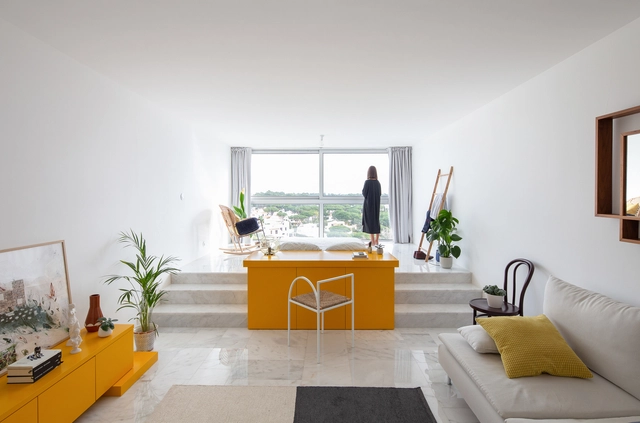
Designing small spaces is a challenge that is common for architects because of the increase in urban densities and smaller spaces dedicated to homes and apartments. For Portuguese architects, dealing with the small scale and its details is something already established in their project thinking, given the way they transform the compartmentalized plans of secular buildings through rehabilitation and refurbishment that provide a contemporary and functional atmosphere to their inhabitants. We gathered ten projects, using photographs and plans, as a few examples of this Portuguese talent.
https://www.archdaily.com/935662/minimal-solutions-10-residential-projects-up-to-60-m2-in-portugalVictor Delaqua
Architectural Thinking of Grafton Architects, The Pritzker 2020 Laureates
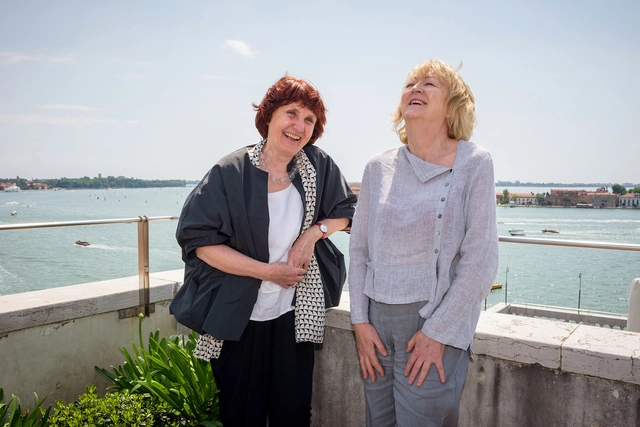
Yesterday Yvonne Farrell and Shelley McNamara, co-founders of Grafton Architects, received the 2020 Pritzker Prize. The first women to be jointly recognized for the award also received the Royal Gold Medal 2020 from RIBA earlier this year.
https://www.archdaily.com/934949/architectural-thinking-of-grafton-architects-the-pritzker-2020-laureatesVictor Delaqua
Details of Wooden Structures in Kengo Kuma's Work
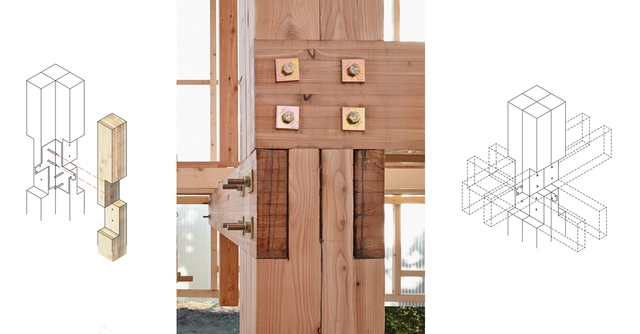
Kengo Kuma's architecture can be defined by its respect to Japanese constructive traditions and alignment with its context. Internationally recognized, the architect is known mainly for his wooden (or mixed) structures, which arise from a simple pattern of assembly and, which through different intersections and angles, generate a complex whole. The representations created by his team bring very specific details, ranging from didactic isometrics to complex parametric drawings. We have gathered details of five inspiring projects by Kengo Kuma that use wood.
https://www.archdaily.com/934591/details-of-wooden-structures-in-kengo-kumas-workVictor Delaqua