

Who said three’s a crowd? With the new Livre armchair, Manto dining table and Bonfire table lamp, Italian furniture specialists Gallotti&Radice have added a trio of designs to their range that are all big on personality.
Articles
Beyond Face Value of Face Brick: Thin Brick, Fire Resistance, and Aesthetics
| Sponsored Content
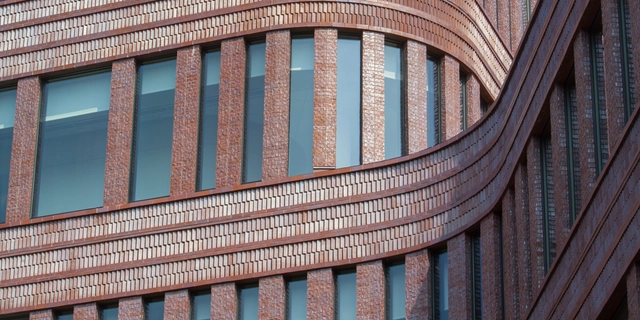
You probably see brick on a daily basis, whether it’s structuring a building, paving the road, or perhaps serving as a fireplace or chimney. But do all these applications use the same type of brick? How are the bricks supporting or being supported? What are these bricks actually made of? Brick’s versatility and ubiquitous nature mean there’s more than one answer to these questions. Even among brick’s most common applications as a building facade and/or structural wall material, there are a variety of types and construction methods employed.
https://www.archdaily.com/936258/beyond-face-value-of-face-brick-thin-brick-fire-resistance-and-aestheticsMegan Schires
Gem State: Living with Nature in Idaho's Mountains and Valleys

Idaho's nickname is "The Gem State" for its abundance of natural resources and scenic areas, from steep canyons and valleys to snow-capped mountains. It's no surprise that the state's architecture draws from this context, especially for remote housing projects. Reinterpreting building methods, materials, and spatial relationships, architects have designed a series of incredible homes across Idaho that are redefining how to live in nature.


https://www.archdaily.com/949752/gem-state-living-with-nature-in-idahos-mountains-and-valleysEric Baldwin
What Are Refractory Bricks and What Are They For?
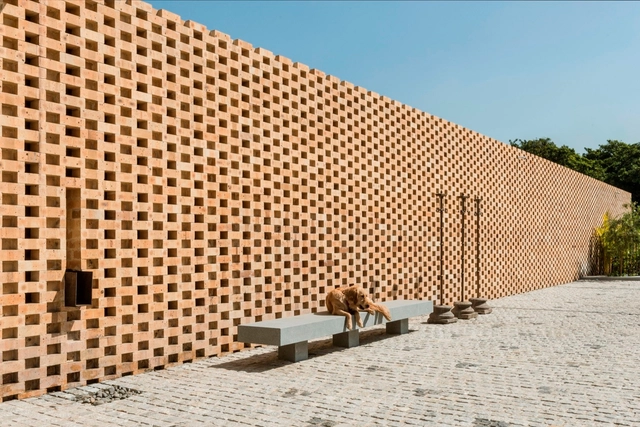
Ranging from yellow, to gray, to traditional red and orange, bricks are ubiquitous in many of our cities and widely used in construction. Briefly, the manufacturing process of traditional bricks involves molding clay and firing it in ovens, facilitating the creation of solid blocks, perforated blocks, cobogós, tiles, and other shapes. Ceramic bricks are inexpensive; easy to find; boast strong resistance, thermal inertia, and finish; and do not require such specialized labor for construction. But if the installation is done near sources of high heat, the common brick will end up cracking and breaking, making refractory bricks more suitable. But what does that mean?
https://www.archdaily.com/950115/what-are-refractory-bricks-and-what-are-they-forEduardo Souza
Is It Possible To Turn Plastic Waste Into Affordable Housing?
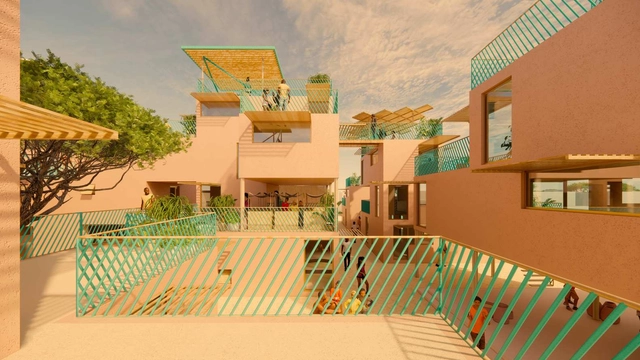
For decades, companies have relied on disposable plastic packaging to bag and contain products worldwide. Today, the staggering detrimental effects of this plastic dependence are well-known: since the 1950’s, over 9 billion tons of plastic have been produced, only 9% of which was recycled; around the world, one million plastic bottles are bought every minute and two million plastic bags are used every minute; and per the Plastic Pollution Coalition, by 2050, the oceans will contain more plastic than fish by weight. Moreover, plastic is a petroleum product, and its production only further contributes to the devastating climate effects of mass fossil fuel use.
https://www.archdaily.com/950213/is-it-possible-to-turn-plastic-waste-into-affordable-housingLilly Cao
Bamboo Formwork and Exposed Concrete in Architectural Projects

While concrete is without a doubt the world's go-to building material thanks to its durability, malleability, and ability to withstand a wide range of climates, it is also the principal source of CO2 emissions within the realm of construction. To combat this and reduce their creations' carbon footprint, many architects have begun experimenting and innovating in a bid to optimize concrete's technical qualities while diminishing its impact on the environment. Among these efforts, there are several projects that have explored the possibility of replacing traditional frameworks with more sustainable materials like bamboo, a resource that grows in abundance throughout many regions of the world and, along with having minimal environmental impact, renders high quality textured detailing on a variety of architectural surfaces.
https://www.archdaily.com/950090/bamboo-formwork-and-exposed-concrete-in-architectural-projectsBelén Maiztegui
More Than a PR Campaign—Diversity and Inclusion Through Action in Architecture Firms
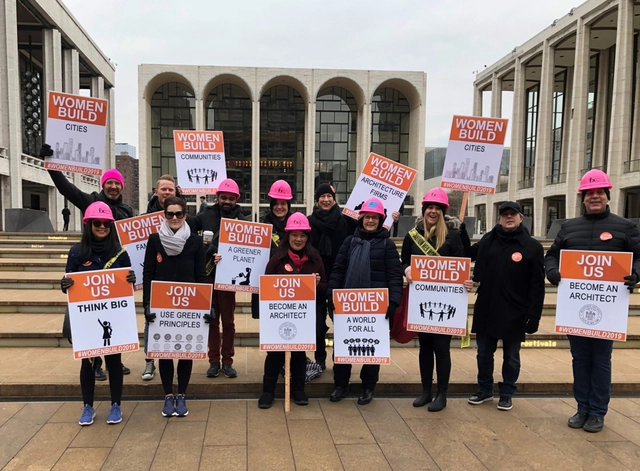
Every company across the country is talking about “diversity” and “inclusion”—but what actions are actually being taken to address the issues? In May, following the death of George Floyd and the rise of the Black Lives Matter movement, conversations were had, statements issued, and boxes checked. But achieving diversity and inclusion will involve addressing long-term, systemic issues that cannot be solved with a black square on Instagram or a carefully crafted statement from a PR department.
The first step toward diversity and inclusion is recognizing that talking about it is not enough, and the path to real change is going to be a process.

https://www.archdaily.com/950157/more-than-a-pr-campaign-diversity-and-inclusion-through-action-in-architecture-firmsGavet Douangvichit
How We Change the Earth: Human Transformations on the Planet as Seen from Above
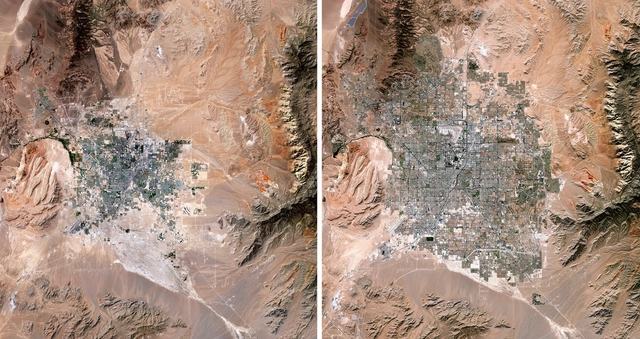
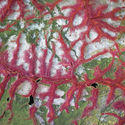
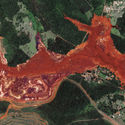
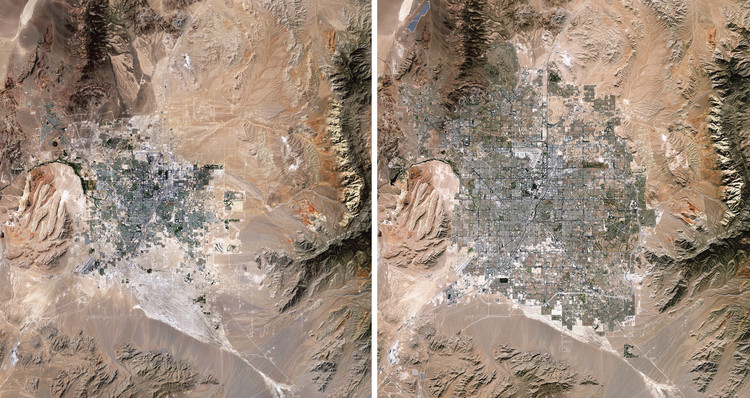
Human impacts on Earth are a common issue nowadays, and many people say that there is no turning back. Climate crisis, greenhouse gases, exploitation of natural resources, production of solid waste and atmospheric pollution are some of the most pressing issues that the global community must address if we want to ensure a sound future for the next generations.
These topics can be viewed in full-color and high-definition in the new book Overview Timelapse: How We Change the Earth, by Benjamin Grant and Timothy Dougherty, which compiles 250 satellite and drone photographs of places on Earth that are in constant transformation.


https://www.archdaily.com/949547/how-we-change-the-earth-human-transformations-on-the-planet-as-seen-from-aboveRomullo Baratto
From Ancient to Modern: Modular Construction in Chinese Timber Architecture

As our cities continue to grow and expand rapidly, there has been an increasing demand for architects and craftsmen to build houses more cost-efficiently under tight deadlines. Modular architecture has been introduced as a concept which involves assembling multiple pre-fabricated modules on site to create a working unit. By joining similar elements together in various ways, modular architecture allows for more flexibilities in design and standardized repair.
https://www.archdaily.com/949479/from-ancient-to-modern-modular-construction-in-chinese-timber-architectureScarlett Miao
Architecture and Nature: A Framework for Building in Landscapes
.jpg?1603313837&format=webp&width=640&height=580)
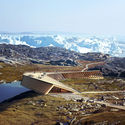
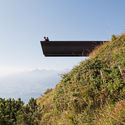
Building in nature constitutes a contradiction, as architecture enables immersive access to the landscape, while at the same time, natural landmarks are being slowly engulfed by tourists. The human presence in natural landscapes is an interplay of scales, a juxtaposition of archetypal shelters against the vast sceneries, as well as a negotiation between access to the landscape and environmental conservation. Exploring a variety of attitudes and formal strategies, the following takes a look at what could be learned from the experiences and design philosophies of several architects and practices that have perfected ways of addressing architecture in the landscape.


.jpg?1603313837)
https://www.archdaily.com/950043/architecture-and-nature-a-framework-for-building-in-landscapesAndreea Cutieru
Exploring The New Vernacular That Will Emerge as a Response to Climate Change
.jpg?1603161566&format=webp&width=640&height=580)
Since its installation in the late 1990s, a large clock in New York City’s Union Square has been counting up to 24 hours in each day with the number of hours, minutes, seconds, and milliseconds on display. However, the digital screen was recently repurposed as a Climate Clock and now projects the amount of time the world has left to take large-scale action on climate change- and the alarming truth, based on an IPCC Special Report on Global Warming counts down to only a little over seven years left until we reach the point of no return.
.jpg?1603161566)
https://www.archdaily.com/949924/exploring-the-new-vernacular-that-will-emerge-as-a-response-to-climate-changeKaley Overstreet
The Nine-Step Architectural Beauty Detox Plan
This article was originally published on Common Edge.
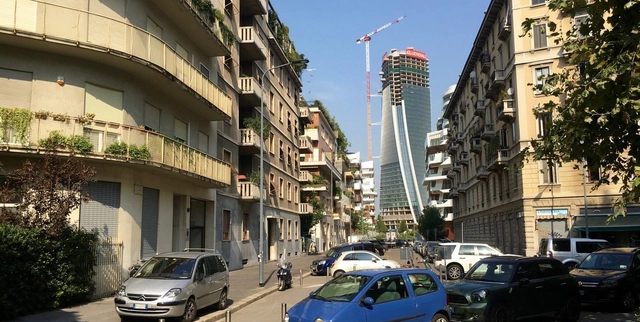
In 1755, Francesco Algarotti, disgusted with what opera had become, wrote An Essay On The Opera in which he called for its simplification. For Algarotti, opera had degenerated into a vehicle for soloists to grandstand with endless improvisations overshadowing the music and ignoring the drama. Even the drama had lost the plot with mythological characters in extraordinary and complex situations. Algarotti saw drama as being the essence of opera and wanted the emphasis restored to it, with everything else secondary. Christoph Willibald Gluck and his librettist, Ranieri de’ Calzabigi, were the first to make it work with their 1762 opera Orfeo ed Euridice. It had characters and drama people could relate to, music that could be remembered and lyrics and a plot that could be understood. It’s regarded as the first truly modern opera.

https://www.archdaily.com/950056/the-nine-step-architectural-beauty-detox-planGraham McKay
The Urban Art of Social Distancing

Being in confinement has produced unconventional means of exploring architectural spaces and installations. Instead of putting everything on hold until life goes back to normal, designers and curators found inspiration from practices like performance arts and theatre, breaking down the walls between the subject and viewers but from a distance.
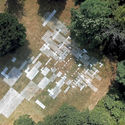
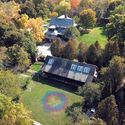
Ashley Bigham and Erik Herrmann of Outpost Office reimagined the theme of "mobility" by creating 1:1 scale drawings on the Ragdale campus using GPS-controlled field marking robots. Their unique urban installation, which addressed modern-day concerns such as public spaces, how we are engaging with them, and physicality, won first place in the 2020 Ragdale Ring competition.


https://www.archdaily.com/949520/the-urban-art-of-social-distancingDima Stouhi
Incorporating Fire in External Projects: Tips and Examples for Fireplaces
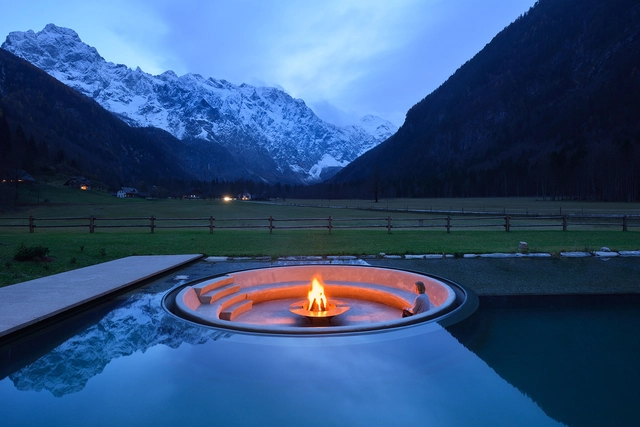


Yuval Noah Harari points out that, around 300 thousand years ago, Homo erectus, Neanderthals, and ancestors of Homo sapiens already used fire daily. According to the author of the international bestseller “Sapiens,” fire created the first significant gap between man and other animals. "By domesticating fire, humans gained control of an obedient and potentially limitless force." Some scholars even believe that there is a direct relationship between the advent of the habit of cooking food (possibly due to the domestication of fire) and the shortening of the intestinal tract and growth of the human brain, which allowed human beings to develop and create everything we now have.
https://www.archdaily.com/949662/incorporating-fire-in-external-projects-tips-and-examples-for-fireplacesEduardo Souza
Disrupting Normal Experiences: An Interview with the Curators of Svizzera 240
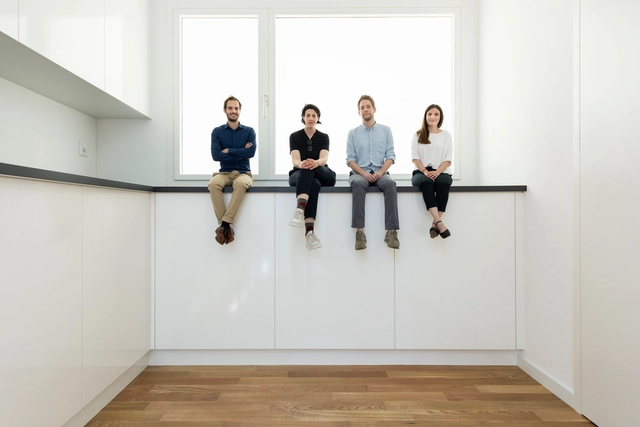
Scale is a very important referential element in built environments. Once manipulated, however, it becomes a key tool that completely changes the way we experience architecture. One of the most prominent projects that put scale at the forefront was the Svizzera 240: House Tour, the Swiss pavilion at the 2018 Venice Biennale, a project that triggered people's behaviors and perception of space, and left them feeling as though they were experiencing an "Alice in Wonderland". The project was awarded with the Golden Lion award for best National Pavilion, described by the Biennale organization as "a compelling architectural installation that is at once enjoyable while tackling the critical issues of domestic space".
https://www.archdaily.com/949884/disrupting-normal-experiences-an-interview-with-the-curators-of-svizzera-240Dima Stouhi
Cobogós and Tiles: Designer Affectively Maps the Architecture of Olinda, Brazil
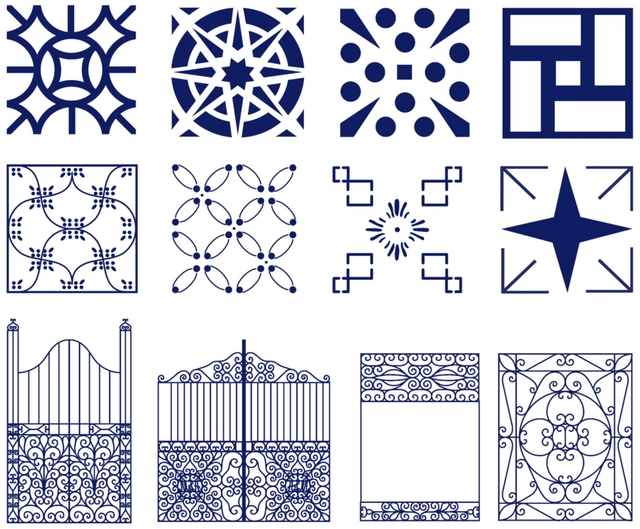
In the Historic Center of Olinda, a Brazilian municipality in the state of Pernambuco, architecture borrows shapes and colors from nature; cobogós perforations on the balconies look like round leaves and fruits, while the railings spiral with a hint of twisted flowers. The colors of the earth and sky also reappear in the floors, backyards, kitchens, and rooms of colonial houses, coating them in shades of brown and blue.
https://www.archdaily.com/948335/cobogos-and-tiles-designer-affectively-maps-the-architecture-of-olinda-brazilCecília Garcia
Landscape Architects of Color on How to Combat Erasure
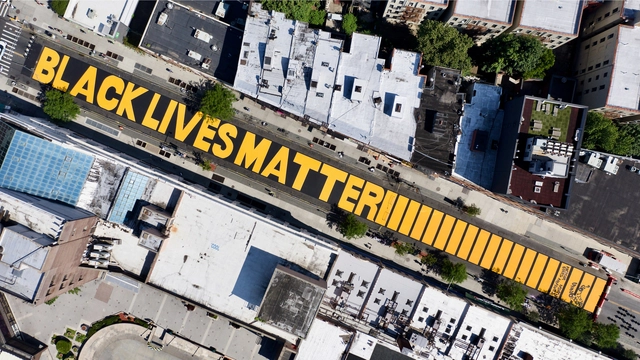
Over two days, approximately 500 online participants together set the agenda, formed and dissolved discussion groups, and shared knowledge and resources. With the assistance of an “open space” facilitator, this is how Cut|Fill, a virtual "unconference” on landscape architecture, unfolded.
Organized by the Urban Studio and Ink Landscape Architects, Cut|Fill was meant to “raise questions we all want to discuss,” explained Andrew Sargeant, ASLA, a founder of Urban Studio. One of those important questions: “how can landscape architects design with empathy and end dismissive behavior towards people of color?”

https://www.archdaily.com/949104/landscape-architects-of-color-on-how-to-combat-erasureJared Green
Erieta Attali and Philipp Valente Explore the Shadows of Germany's Industrial Past
.jpg?1602706135&format=webp&width=640&height=580)
A city's industrial past can leave unsettling imprints on the present. Large abandoned structures and forgotten facilities are very appealing not only to the voracious real estate market but also to the imagination of those who daydream about an unpromising past. Take the Ruhr valley, Germany's most populated urban area, and Europe's largest industrial region.
.jpg?1602705046 "Zollverein Coal Mine Industrial Complex in Essen. Photography & Concept © Erieta Attali")
.jpg?1602705111 "Zollverein Coal Mine Industrial Complex in Essen. Photography & Concept © Erieta Attali")
.jpg?1602705591 "Duisburg-Nord public park. Photography & Concept © Erieta Attali")
.jpg?1602705763 "Duisburg-Nord public park. Photography & Concept © Erieta Attali")
.jpg?1602706135)
https://www.archdaily.com/949944/erieta-attali-and-philipp-valente-explore-the-shadows-of-germanys-industrial-pastRomullo Baratto