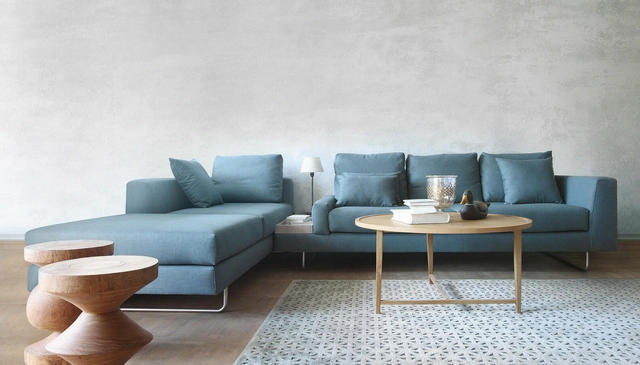
Falling in love is easy. When eyes meet tufting over a crowded showroom, the beauty of a sofa’s slender legs, soft fabric skin, and inviting curves are like a siren song, blinding you from the truth. Then, six-eight weeks after the night before, the bubble bursts.
There’s nothing better after a hard day than cozying up on a comfortable sofa. In fact, there’s nothing better after an easy day either. But what if that settee stunner you fell head over cushion for, isn’t as nice to live with when you get it home?
In order to avoid relationship pain (and neck and back), and ensure long-term compatibility, here are some rules for selecting the right sofa.
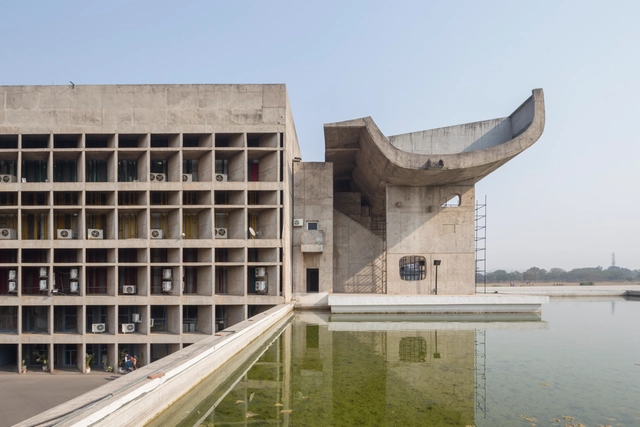
In 1950, the famous Le Corbusier was asked to design the new state capital of Chandigarh for Punjab following its separation and recent independence. The opportunity to create a new utopia was unparalleled- and is now seen as one of the greatest urban experiments in the history of planning and architecture. The city employed grid street patterns, European-style thoroughfares, and raw concrete buildings- the zenith of Corbusier’s ideals throughout his career. But what is lesser known about the ideation and realization of Chandigarh, was the woman who brought her experience of designing social housing across Africa to the project. For three years, working alongside Corbusier, and helping him design some of the best-known buildings in Chandigarh, was Jane Drew.
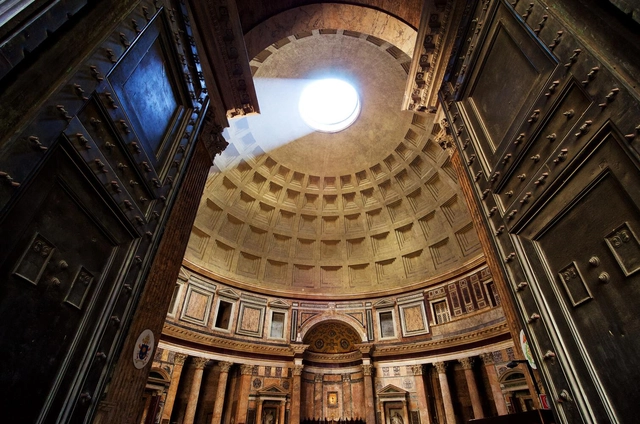
The significance of daylight in volumes of space exceeds its function of illumination. Light is a creative tool manipulated by architects to infuse a space with a metaphysical spirit, influencing the emotional states of its occupants. Having a phenomenological effect on the human psyche, light and shadow have been played with to invoke a sense of divinity and spirituality into the character of religious buildings. The interplay between architecture and light is a powerful one, shaping a deeper experience of spirituality.
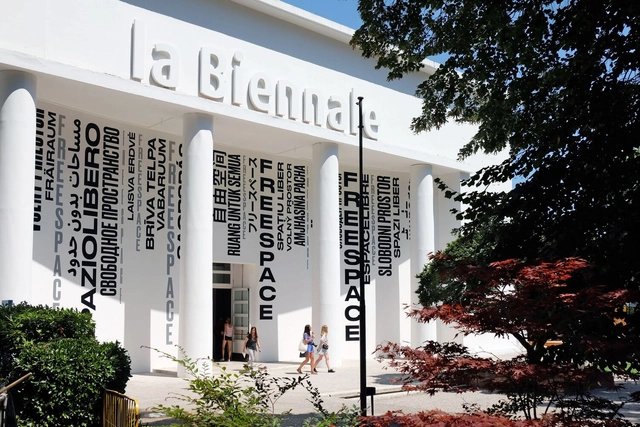
Since 1998, the Venice Architecture Biennale has been divided into three pillars: the national pavilions (each country chooses its own curators and projects), the international exhibition (curated by the Biennale's curator), and the collateral events (approved by the Biennale's curator).
In the 2023 edition of the event, the international architecture exhibition curated by Lesley Lokko is structured in six parts, including 89 participants. Over half of them are from Africa or the African Diaspora, with a 50/50 gender balance, and an average of 43 ages for participants.
Imagine if light would not only provide optimum visibility for tasks but convey meanings as well. Standards with recommended lux levels for various visual tasks have led to a quantitative understanding of lighting. However, lighting can also be used to contribute to emotion in rooms and to structure architecture. Would it be adequate to regard lighting as language sent by architects or interior designers and being received by inhabitants and citizens? Adding a semiotic perspective can help to recognize how light and shadow contributes to the meaning of the built environment.
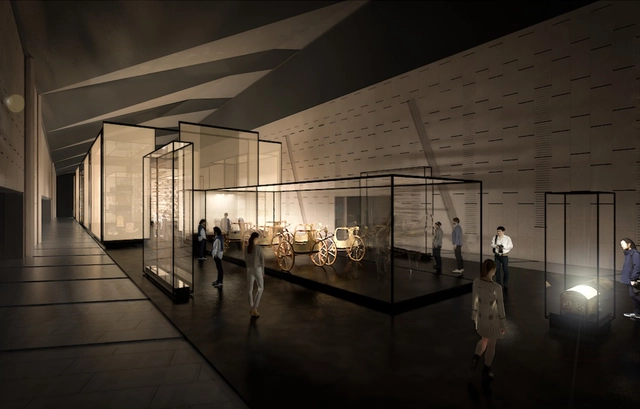
Two decades in the making, the Grand Egyptian Museum (GEM) in Cairo is one of the most anticipated cultural buildings, set to be an architectural marvel and a leading scientific, historical and archeological study center. The vast, billion-dollar mega-project occupies a site of around 500,000 square meters adjacent to the Pyramids UNESCO World Heritage Site in the Giza Plateau. Within its halls, what will soon be the world’s largest archeological museum will showcase 3,500 years of ancient Egyptian history, revealed through a collection of more than 100,000 artifacts –many of which will be displayed for the first time.
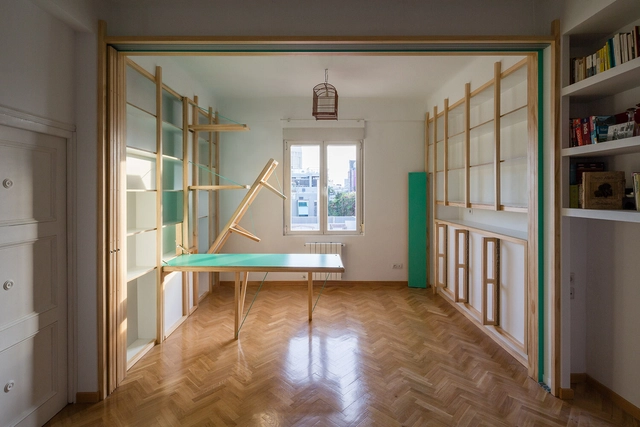
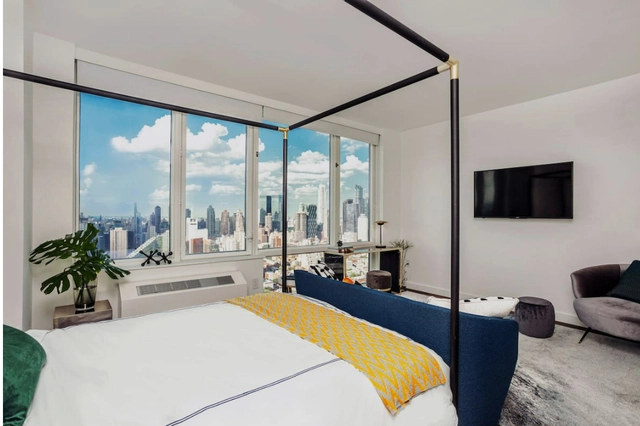
The Youtube channel Never Too Small boasts 2.25 million subscribers — a platform featuring the imaginative manipulation of space in tiny footprints. Videos of micro-apartments, in Paris, London, and beyond, get views in the millions. Clearly, there is a demand for content geared towards living small, as a global housing crisis has precipitated the ever-dwindling availability of affordable, larger-footprint residences in urban areas. Architects, working in this constrained contemporary reality, have been necessitated to make the most out of limited space, configuring sub-40 square-meter floor areas to create a non-claustrophobic spatial experience.
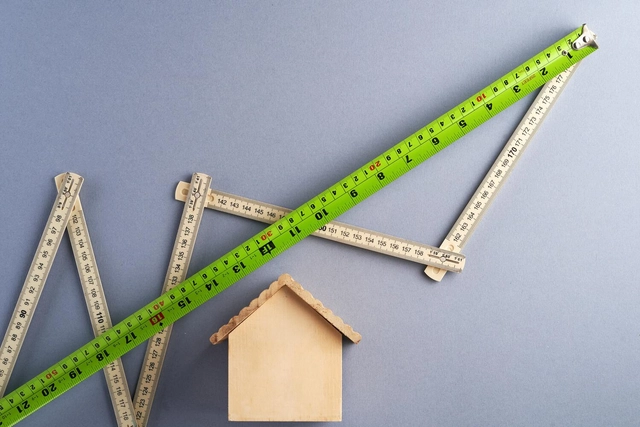
Animals measure distances and weight for their survival. On the other hand, stemming from their need to communicate to live in society, humans created languages and, later, established the standards of measuring. Whether for moving around, portioning food, making tools, or calculating the weight of objects and animals, measurement standards arise from this need that was already present in human activities in the age of chipped stone and has been with us ever since. Nowadays, most of the world's population uses meters and centimeters to measure distances. These standards come from the need to establish comparisons that allow trade between peoples and also from political and social disputes.
When Airbnb began nearly 15 years ago, it offered a new and innovative solution to book short-term stays without any hassle. By renting out a spare room or an entire apartment, it provided an alternative to traditional hotel models which were often overpriced and overbooked. Airbnb now faces many critics as the company quickly grew, offering hundreds of thousands of stays around the globe, but not without a handful of negative experiences. Now, planners and policymakers are beginning to see the effects of the abundance of Airbnb listings and how it impacts a growing housing crisis.
Research by the Science Museum Group based on objects from different periods of UK history shows how their colors have transformed over time, leaving vibrant tones behind and becoming grayer every day.
Cat Sleeman examined more than seven thousand photographs of everyday objects from the Science Museum Group Collection in research funded by the Creative Industries Policy and Evidence Center (PEC). From cameras to lamps and other household objects, they were organized into 21 different categories according to their use. The analysis was carried out based on counting pixels of different colors and also addressed the shape of the objects.
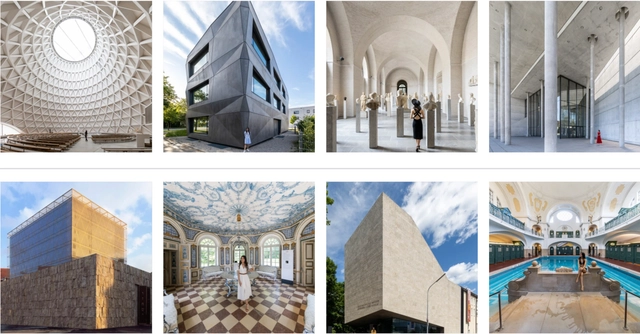
Munich – Bavaria’s capital since 1506 – is a city with layers and layers of history. Its many years as a rising architectural epicenter have left an interesting and unique mix of buildings. From Middle Age churches and cathedrals to contemporary synagogues. From skyscrapers to small pavilions. Brutalism to Art Nouveau. Munich’s architecture is truly extensive and marvelous.
Though not acknowledging Munich’s beer wonders would be wrong, the only mention of this substance would be in the stunning buildings (like the new Paulaner HQ by Hierl Architekten) that contain them. Yes, other aspects of the city are grandiose, but let’s focus on Munich’s top attraction: its architecture.
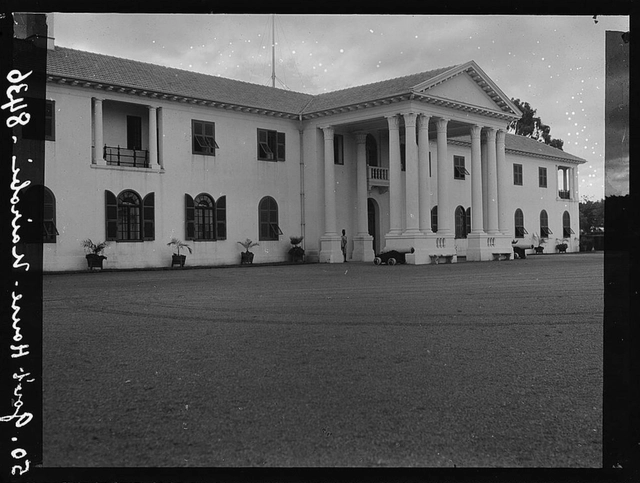
Known as the state house, the presidential palace, and an assortment of other terms — the building that hosts a country’s seat of government is usually quite architecturally striking. Frequently opulent, grand, and sometimes imposing, the state house is intended to function as a visually distinct marker of a nation — an extension of a state’s identity. In the African continent, a landmass that had seen a significant part of it colonized by European nations, this identity of statehood, in an architectural sense, is complex.
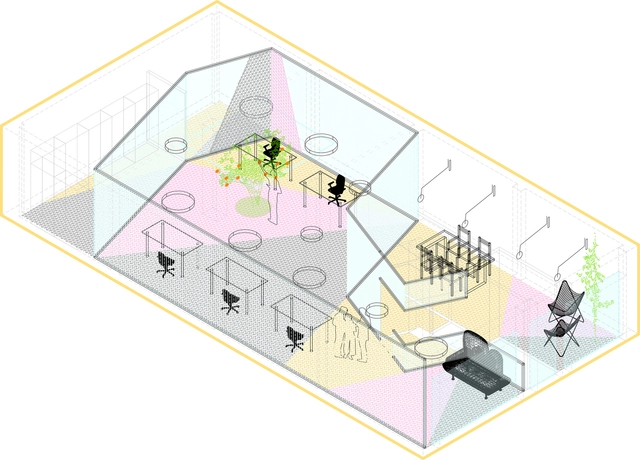
LANO FRUITS Office / Laura Ortín. Image Courtesy of Laura Ortín
From assigned cubicles to open plan coworks, workspaces have been transforming their design strategies following society’s changing lifestyles. While traditional layouts encouraged more independent work (avoiding social distractions), adjusting to new technologies and ways of thinking has enhanced productivity while respecting communication, wellness consciousness and the benefits of feeling comfortable at work.
Architects have followed these changing trends, proposing diverse workspace typologies, adapting to multiple working styles, and organizing them to create optimal productive spaces. Among them, Spanish women-led architecture offices from different backgrounds and styles stand out for introducing layouts that redefine what is commonly known as a workspace. Below we present a selection of innovative refurbishment projects, all of which showcase flexible and dynamic workspace design.
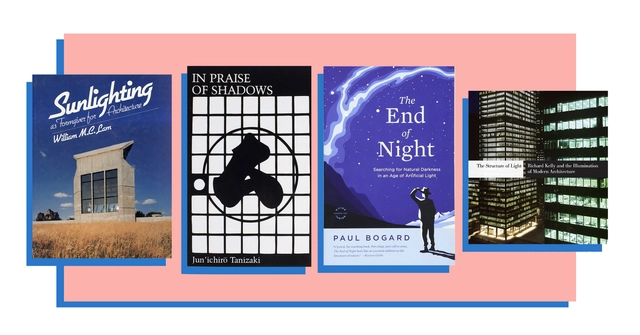
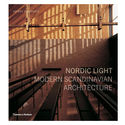
Light is an essential element to perceive architecture and to live and work in buildings. Therefore architects, lighting designers, teachers, and researchers have written inspirational books about light. They have shared their valuable theories and turned their experience into guidelines to improve daylight design and the art of illumination.
This collection offers a useful source of the best lighting design books for students, professionals, and academics. The book list is grouped into categories: Daylight, illumination, urban lighting, media facades, landscape lighting, light collections, culture, monography, history, stage lighting, and light art. In each section, the volumes appear in alphabetical order with recent books in the beginning followed by classic publications. Discover fascinating publications that will enlighten your perception and understanding of light and space.
What is the 15-Minute City? It’s every city ever built by humans on this planet until a century ago, but with a catchy new name. If a city’s old parts haven’t been destroyed in the past century, it’s the areas that attract the most tourists. And people will travel across continents and oceans to experience the best of them.
Forty years ago, a few pioneers decided to start building 15-Minute Cities again. Actually, they built 5-minute cities because they didn’t think people would walk for 15 minutes—and, in the early 1980s, they were right, because people were so conditioned to driving everywhere back then. Seaside, Florida, is where it all began. Time magazine called it “the little town that changed the world.” For the first time in the modern history of sprawl, people could toss their car keys in a drawer or hang them on the wall and leave them there for days. When people returned from Seaside vacations, they came back asking, “Why can’t we build this way at home?” And soon, the New Urbanism was born.
Sir David Chipperfield has been awarded with the 2023 Pritzker Prize, the highest distinction in the architectural profession. Known for his well-crafted, precise, and sensible response to complex environments, the architect became initially recognized for the skillful restoration and renovation of existing buildings, often cultural institutions, before expanding the range of projects to include new structures. While his built body of works demonstrates many of the core principles of good architecture, the ongoing projects reveal an equally relevant narrative: that of his direction moving forward and the way in which his approach to these principles evolves.
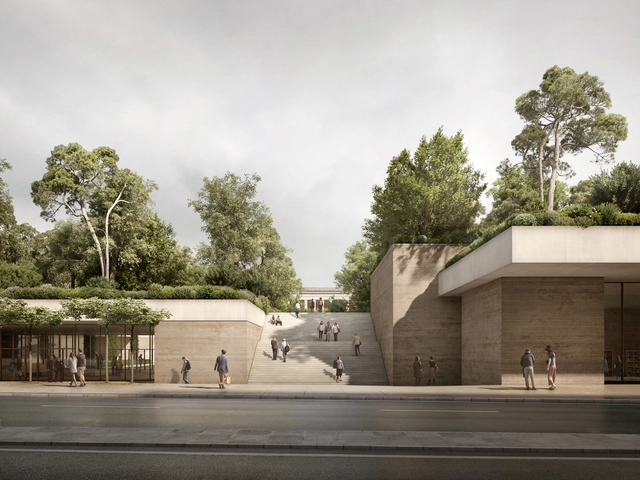
Many of the ongoing projects continue Chipperfield’s interest in museological and cultural institutions, yet he continues to work across a wide array of building types. The latest major project announced tackles one of the most prominent institutions in Greece, the National Archeological Museum. This represents yet another opportunity for the architect to present museums as institutions that offer a transformation of the urban life of the cities where they are located, while also bringing forward the historical layers that define its architecture. Other projects, such as the Santa Giulia Arena in Milano or the Elbtower in Hamburg, expand the range of programs and typologies addressed by Chipperfield.
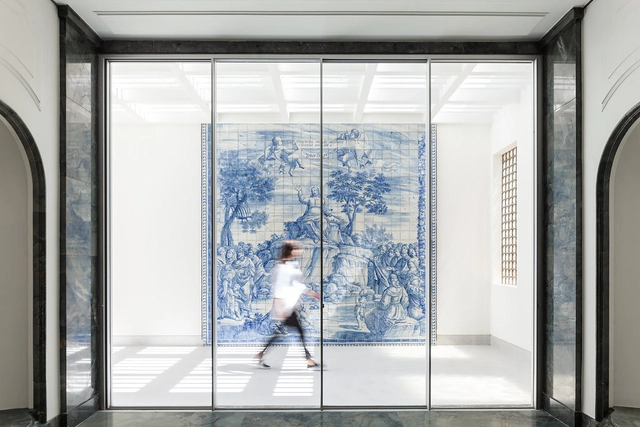
Culture reflected in a material. Portuguese tiles narrate historical themes, from the religious to the profane. They shape the Portuguese landscape and scenery when covering buildings, interiors and public spaces. In this way, its expression continues in constant change and adaptation to weave the Moorish ancestry with contemporaneity.
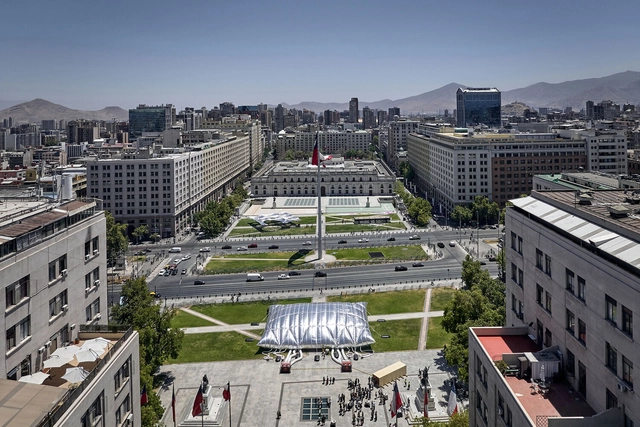
After the interruption of the 2019 edition due to the Social crisis in Chile, the Chilean Architecture Biennial returned to Santiago in January 2023 under the theme of 'Vulnerable Habitats', addressing issues such as "the emergence of the housing deficit in a context in which slums, informality, and illegal land takeovers have increased in recent years" and "the vulnerability and deterioration of public spaces; the urgent protection of tangible heritage; and environmental vulnerability in a context of a climate crisis."