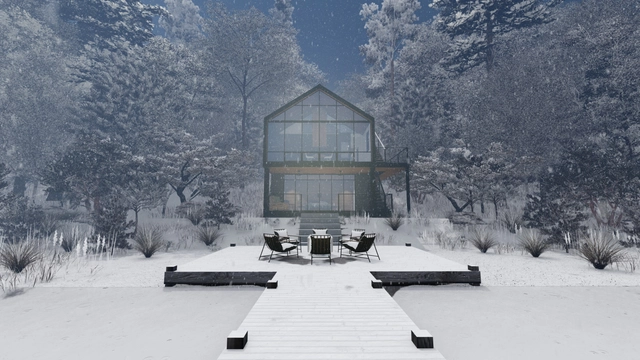
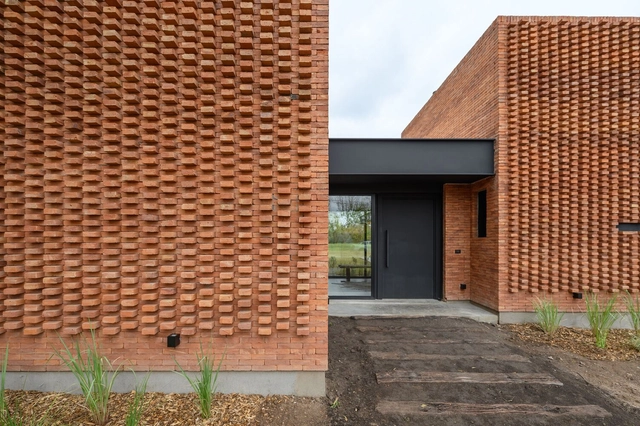
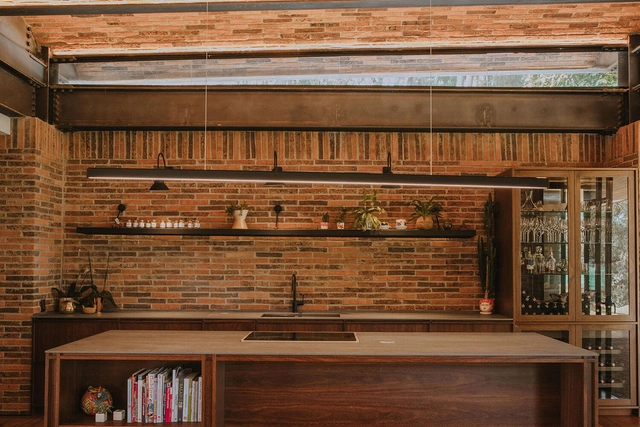
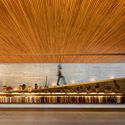
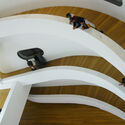
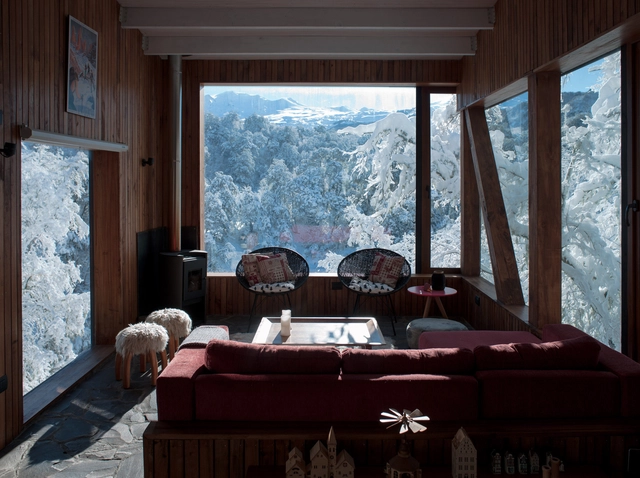
Lake House, Hudson Valley, New York. Image Courtesy of RS Mannino
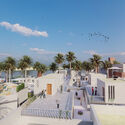
This week’s curated selection of Best Unbuilt Architecture highlights visionary villas submitted by the ArchDaily community. From a modern lake house weekend retreat in New York, a Mediterranean Villa in Portugal that blends outdoor and indoor, and a rammed earth residential complex of five villas that fold into the Balinese landscape, this round-up of unbuilt projects showcases how architects are moving forward from conventional residential architecture, pushing the boundary of luxury.
Each project has a different vision, generated by unique site conditions, and has been designed specifically for the future users of the villa. Moreover, firms like Bittoni Architects, Lipman Architects, RS Mannino Architects have all presented work that plays with materiality, giving the houses unique characteristics.
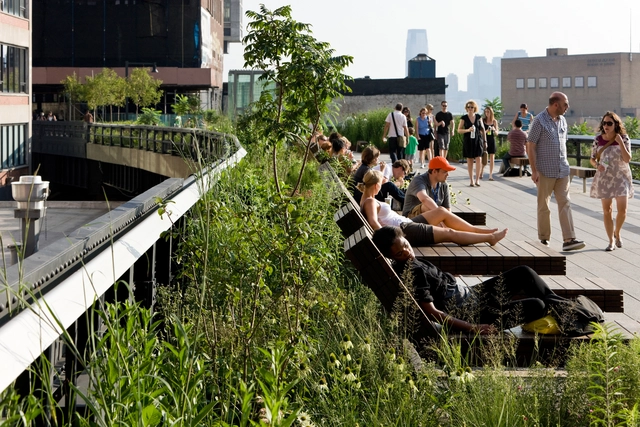
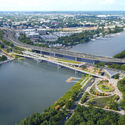
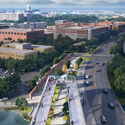
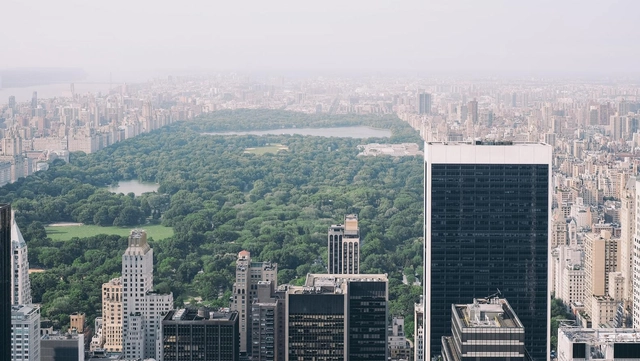
“How do we ensure new parks don’t cause ‘green gentrification,’ which can lead to the exclusion and displacement of underserved communities? How can we ensure we don’t displace the communities that new parks are meant to serve?,” asked Dede Petri, CEO of the Olmsted Network (formerly the National Association of Olmsted Parks), during an Olmsted 200 event.
New parks are meant to be accessible to everyone, but in many urban areas, developer-driven parks mostly attract wealthier Americans. Cities benefit from increased development adjacent to these new parks, bringing in higher tax revenues, but that raises questions about whether these spaces can, in effect, lead to community displacement.
https://www.archdaily.com/997686/new-strategies-for-preventing-green-gentrificationJared Green
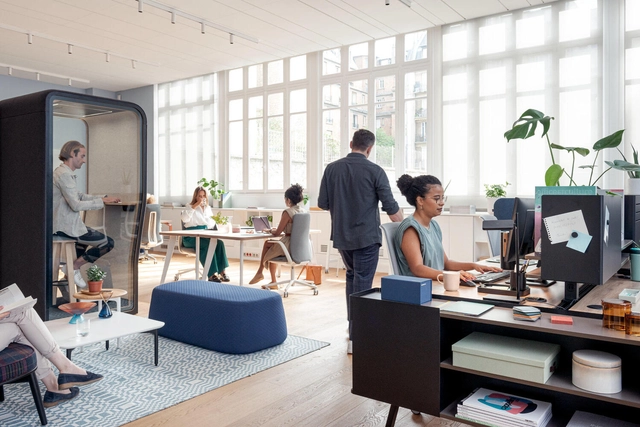
People’s tolerance for sound in the workplace is different at different times. Curating acoustics requires a hybrid approach, combining areas for focused work and comfortable conditions for meeting. Image Courtesy of Haworth
Is it the award-worthy barista skills at the third-floor coffee bar that make your days in the office bearable? Or is it being able to ring-fence a desk and height-adjusted chair and call them your own while the rest of the world hot desks? Perhaps it is knowing that the warming of your hands and toes is at someone else’s expense or that in this space you are you and not mum, dad, daughter, or husband. Or you might put it simply down to the camaraderie of the team and the common sense of purpose. One thing that is not in question, however, is that since the recent shake-up of our working practices, it matters now more than ever that productivity and wellbeing are in balance in the office, and contentment and comfort are key to both.
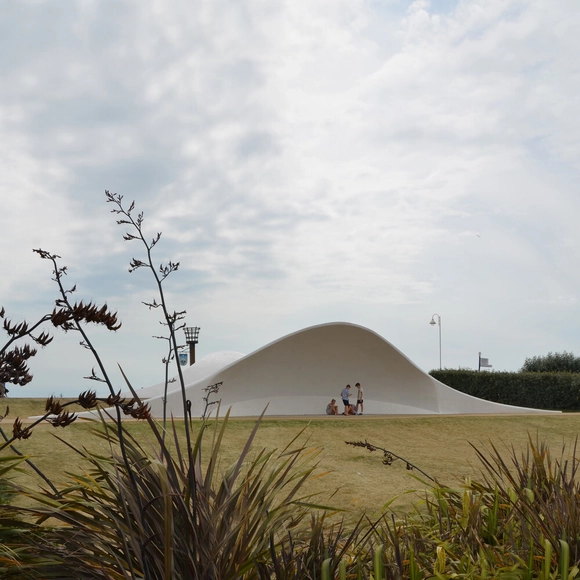
Acoustic Shells / Flanagan Lawrence. Image Courtesy of Flanagan Lawrence
Have you ever considered the sounds of cars and buses whizzing down the road as you walk downtown? Or the feeling you get when heading toward the theater? Each scenario has a certain something that appeals to big-city living. Streams of music wafting from the window, people having conversations, horns honking, and people running to their next destination are pieces of a city no one can deny — they make up the foundation of urban living.
Although big-city living offers many excellent benefits, there are times when peace and quiet can be a welcome respite to everything going on. Sometimes, people want to get away and bond with nature without driving for miles.
The process of materializing architectural ideas involves taking into account various construction and economic factors, among others, which in one way or another will have an impact on the quality of life of its future inhabitants or users. Achieving the highest thermal comfort in interior spaces and achieving the lowest possible environmental impact are just some of the objectives that architecture professionals set for themselves when designing and defining the materials that will accompany their projects.
The most important rule for a kitchen backsplash to stand by is right there in the name. An imperative part of kitchen design, backsplashes are there to guard walls and unreachable undercabinet space from problematic stains, splashes, and spills. They also, however, represent a useful creative outlet for kitchen designers and interior architects.
By adding outlandishly striking slivers of color, pattern, and texture, kitchen backsplashes can cut a strong, confident line straight through the monotony of the kitchen’s color palette.
Here are some of the different materials and design techniques that help backsplashes keep kitchens both clean and creative.
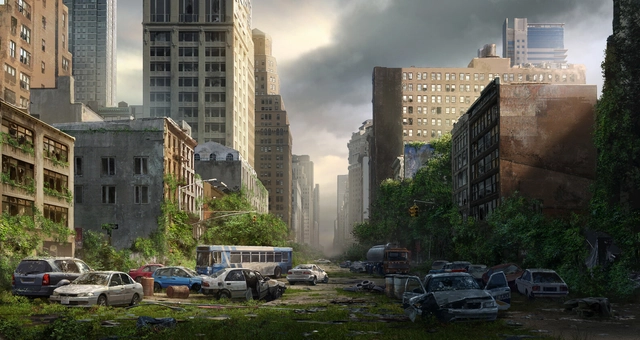
We’re all familiar with the plot of a movie that occurs in a city still standing in a post-apocalyptic era. The streets are empty, except for a few survivors who wander aimlessly, searching for signs of life. Buildings begin to crumble and rust away after years of neglect, public transportation sits idle, and overgrown weeds spring from the cracks in the unmanaged sidewalks and streets. The scene feels eerie because we can’t imagine letting our physical environment sit in decay. It seems impossible that our built environments where we live and work each day suddenly fall silent. It’s a city without a pulse.
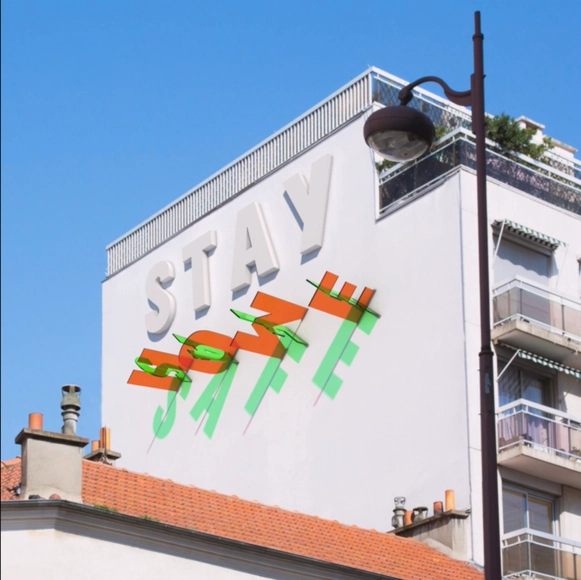
When transparent facade elements deliberately evolve from the course of the sun, we can explore a fascinating slow movement in stark contrast to the hectic urban street life on the ground. Especially the French designer Pierre Brault has responded to the accelerated rhythm of our society with facade installations that combine the principle of the sundial with colorful pop design. His three-dimensional works made of recycled colored plexiglass mesmerize through simple but dramatic movements of colored shadows. In the interview, Brault explains his inspiration, the experimental approach and his interest in working responsibly with material.
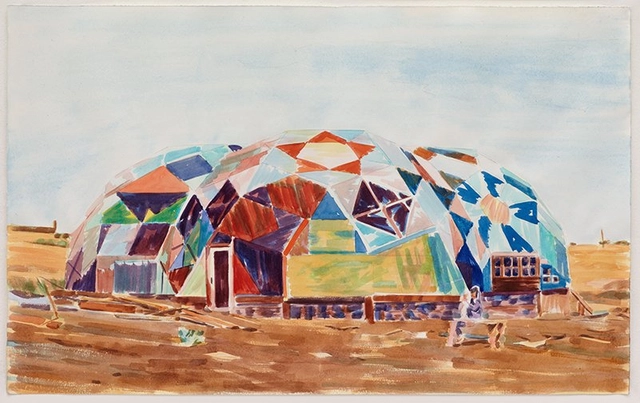
The Law of Polarity holds good in relation to human society and cultures as well - everything has an opposite. Countercultures have erupted as condemnations of “the ways of the world”. A countercultural movement expresses the ethos and aspirations of a population during a specific time. As new lifestyles are explored, supporting architecture evolves to satiate the utopian ideals of new societies. Architecture is a product of the culture it is designed for.
Sustainability is much more than simply deciding for or against a specific product. It is a concept that must be integrated into the way we build and design architecture, as well as the intelligent use of existing buildings and their potential renovations. From a sustainability perspective, demolishing an old building is just as unsustainable as building a new one. Both use large amounts of embodied energy that can be avoided when all planning parties consider new ways of working and collaborate more closely.
In this sense, the efficient use of raw materials and the reduction of waste for reuse is essential. Polycarbonate in façades, for example, has a life cycle of at least 20 years on average and can be recycled and reused in many ways, thus doubling its useful life until it can no longer be usefully recycled.
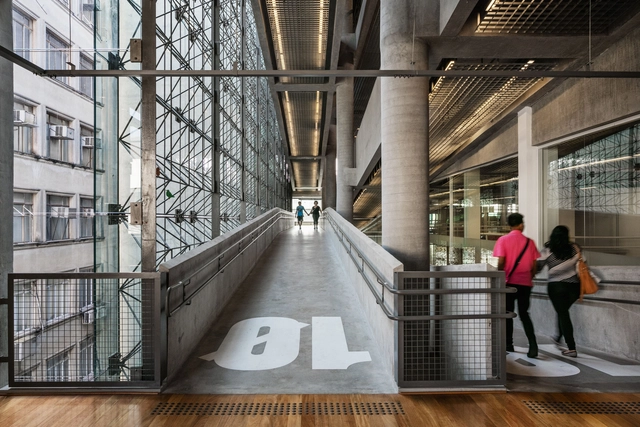
The ramp is one of the architectural elements that, besides facilitating movement between different heights and floors, provide greater accessibility to spaces. In Brazil, a series of decrees and regulations seek to ensure citizenship rights and promote equality and social inclusion of people with disabilities, which permeates issues related to their mobility and freedom to come and go. Architecture plays a key role in this inclusion, by devising strategies to ensure that these people can transit, participate and interact in any environment, whether public or private.
Infrastructure is widely known by the population in general, defined simply as a set of fundamental services for the socio-economic development of a region, such as sanitation, transportation, energy, and telecommunication. The commonly presented examples always refer to man-made physical structures. However, a new concept of infrastructure has emerged in recent decades, driven primarily by the urgent need for reconciliation between humans and nature for the survival of species.
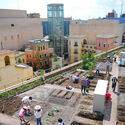
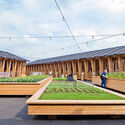
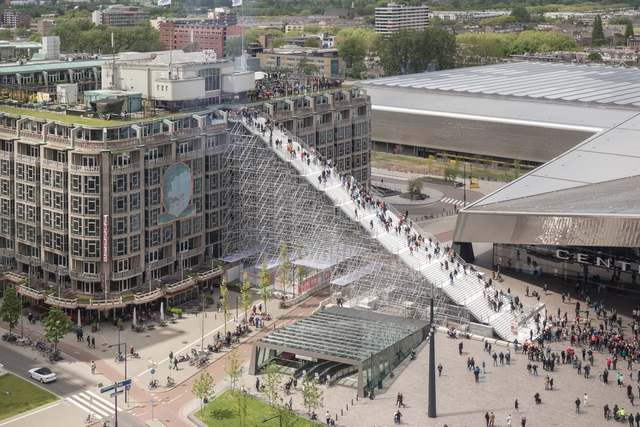
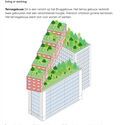
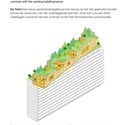
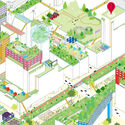
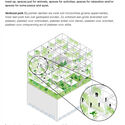
Highlighting an untapped spatial resource, MVRDV's Rooftop Catalogue, in collaboration with Rotterdam Rooftop Days, is now available online for free. Commissioned by the City of Rotterdam, the Rooftop Catalogue presents 130 innovative ideas to make use of Rotterdam's empty flat roofs, showcasing a potential new phase in the city's development and illustrating how reprogramming rooftops can help with issues such as land scarcity and climate change while also addressing the practical side of repurposing these spaces in terms of construction options and suitable sites.
Beyond light as a physical phenomenon perceptible by the human eye, daylight is an inexhaustible architectural resource that is sometimes taken for granted. Just like the air we breathe, we are all aware of the existence of light, but rarely do we seek to do anything else with it. It is essential to recognize its presence as an enabler of experiences in space, due to its intrinsic relationship with architecture and human beings.
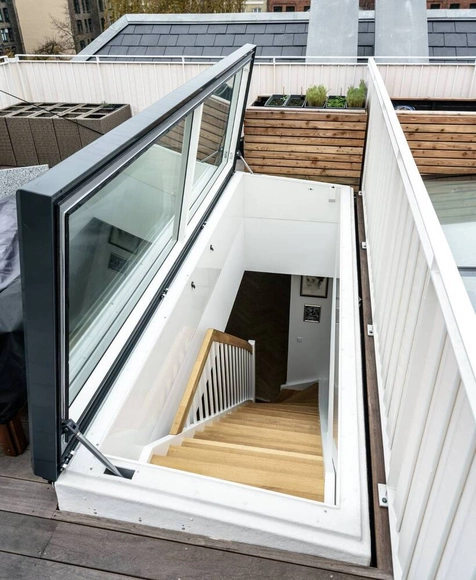
The incidence of light in architecture directly influences the way we perceive the passage of time. Since ancient times, constructions such as ziggurats have integrated strategies to capture the changing daylight through their roofs, evolving and remaining present in modern constructions such as the Villa Savoye. More recently, the flatness of roofs in contemporary buildings has been a great resource for incorporating architectural elements that also allow them to be inhabited, such as roof access hatches, which serve as a link between natural light and roof terraces.
Below, we review some of the latest technologies in skylights and access hatches, such as those developed by LAMILUX.
https://www.archdaily.com/997903/the-threshold-between-daylight-and-architecture-flat-roof-access-hatchesEnrique Tovar
In each region of the globe, vernacular constructions of the most varied kind emerged, whether buried underground, inside caves or even built with stones, wood and fabrics. Shelter solutions were based on available materials and weather conditions. The architecture arises from the development of these shelters, built to protect people from predators and the weather.
The construction solutions employed thousands of years ago have evolved and become increasingly complex but kept a common goal: dealing with the weather.
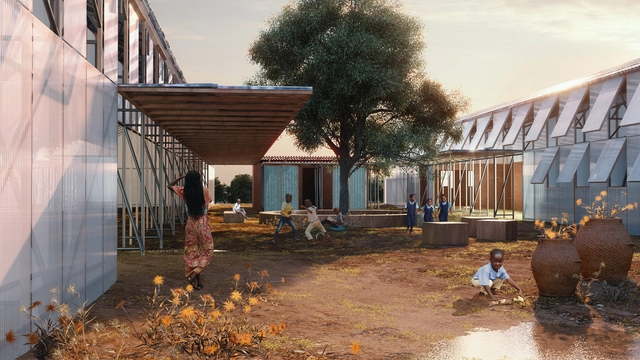
The year 2022 was marked by several socio-cultural and economic crises across the globe, from the Russian invasion of Ukraine to the increasing cost of living worldwide, combined with a number of natural disasters such as the devastating floods in Pakistan and hurricane Ian in the US. In these difficult times, architects are stepping up and embracing their role in developing design-based solutions to humanitarian crises, ranging from temporary shelters and affordable housing schemes to centers for protecting at-risk groups such as homeless underage girls, children from low-income environments, or families in need of medical care.
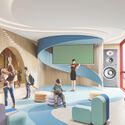
This week's curated selection of Best Unbuilt Architecture highlights projects submitted by the ArchDaily community that engage with their local communities, offering safe spaces for disadvantaged and at-risk groups. From a sanctuary for homeless girls in Iraq to an affordable housing project in Prague’s first skyscraper, this selection features projects centered around people, their needs, and desires. Many of the projects employ local materials such as clay bricks to lower the construction costs. They also reuse existing buildings and hope to engage the local community in building and appropriating the proposed spaces.
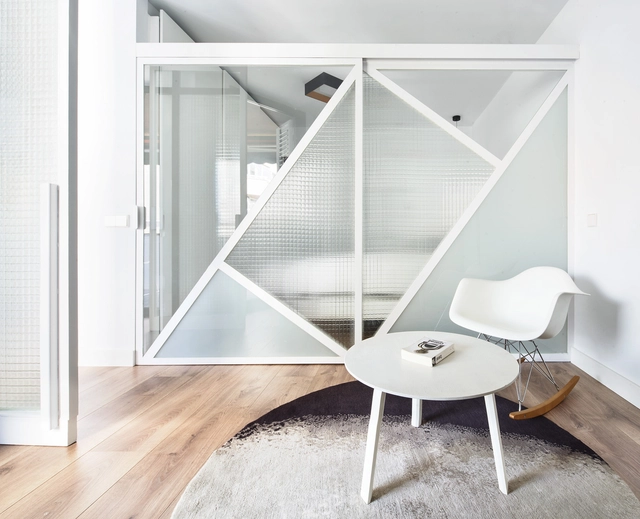
Glass is one of the most important discoveries of mankind. Originally used as a cutting tool, it has been around for about 75,000 years. The first records of glass making, however, date back to the Egyptian and Mesopotamian. Since then, the mastery of the manufacturing technique has been developing in different civilizations and nations until the Industrial Revolution popularized the material and allowed its production on a large scale. In architecture, glass was first used as a sealing element around 100 AD.
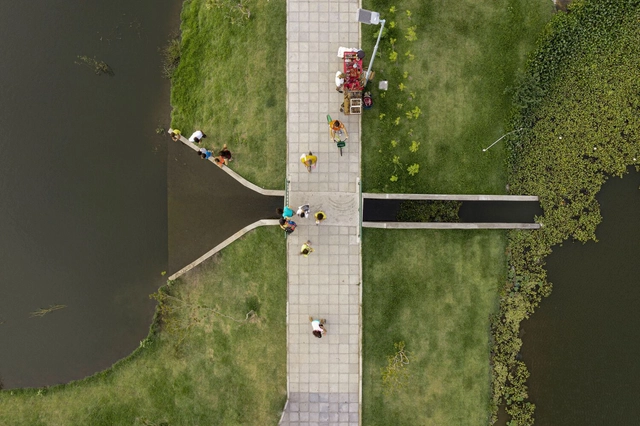
Besides reflecting the aspirations of a society, public spaces also configure the scenarios in which new ideas of coexistence and the collective can emerge from their qualities. Thinking about the streets, squares, parks, and even nature is a way of dealing with common ideals and ensuring the social dynamics in the relationship between bodies and the environment.