

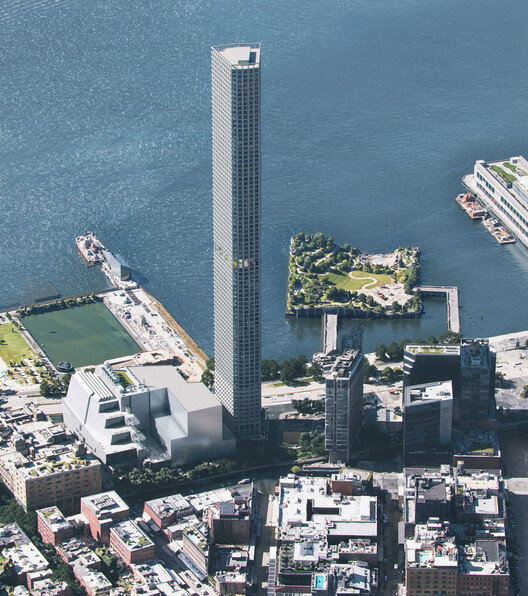
In January 2025, New York City Mayor and the New York City Economic Development Corporation (NYCEDC) announced new steps in the reimagining of Gansevoort Square, a 66,000-square-foot site located on Little West 12th Street between Washington Street and 10th Avenue in Manhattan's Meatpacking District. The redevelopment of the site aims to integrate a mix of affordable housing for New Yorkers, new retail space for residents and visitors, and opportunities to expand the Whitney Museum of American Art and the High Line. The Request for Proposals outlined a vision for up to 600 units of mixed-income housing, with a goal of 50 percent of the total units being permanently affordable, along with ground-floor commercial space. International architectural practice Powerhouse Company recently revealed its competition proposal, exceeding these demands with 1,000 rental homes in a supertall tower, half affordable and half market-rate, mixed equally throughout the building's full height.


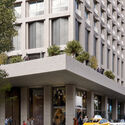
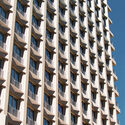
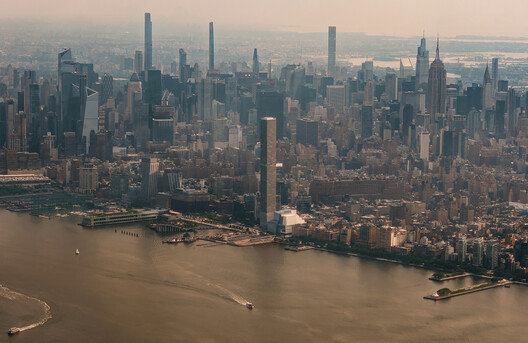
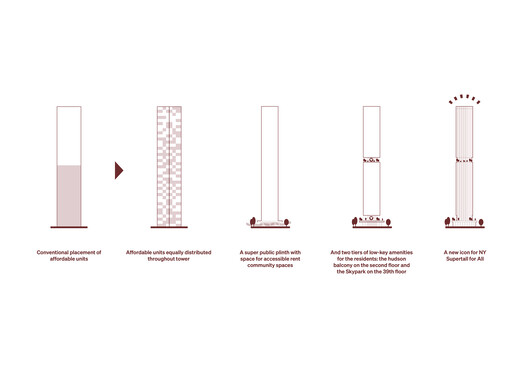
Powerhouse Company's proposal seeks to deliver an abundance of affordable housing in one of New York City's most desirable neighborhoods. The project envisions a slender, all-electric, low-carbon residential tower composed of 50 percent affordable and 50 percent market-rate homes, evenly distributed from base to top. In doing so, it transforms a familiar New York typology, the skyscraper, into a tool for deliberate urban equity. The studio points out that residential high-rises in New York have become synonymous with luxury and ultra-luxury living, particularly in the form of "supertalls." According to Nanne de Ru, Founder of Powerhouse Company and co-founder of RED Company, "Manhattan has added plenty of skyline since 2008, but far too little affordable rental housing, especially in this area. Building tall here can stay elegant while widening who gets to live in the city." Under the slogan "Supertall for All," the project was designed in consultation with local architecture firm SO–IL.
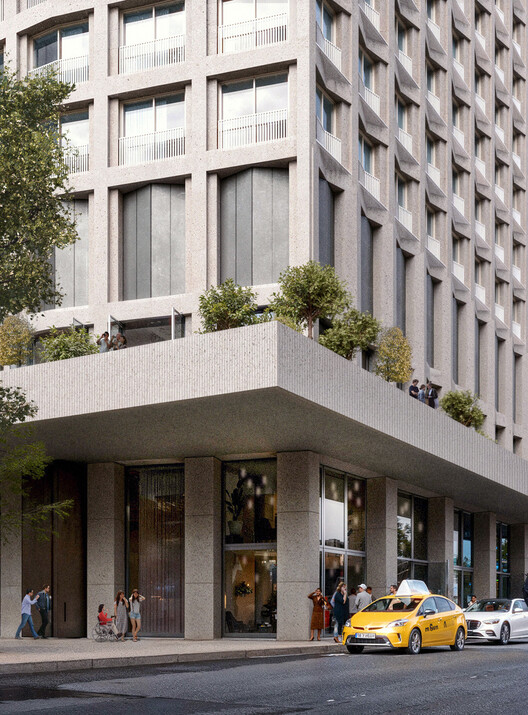
As noted by Albert Takashi Richters of Powerhouse Company, New York's greatest strength lies in its diversity. The design of the 74,000-square-metre building responds to the growing housing shortage by prioritising equity and accessibility, helping the city retain its open and inclusive character. Despite Gansevoort Square being one of New York's most affluent areas, few affordable housing units have been built in the immediate vicinity over the past decade. The proposal therefore introduces an "equitable high-rise" on one of the rarest sites along the Hudson River, translating the competition's 50/50 requirement into a defining architectural system.
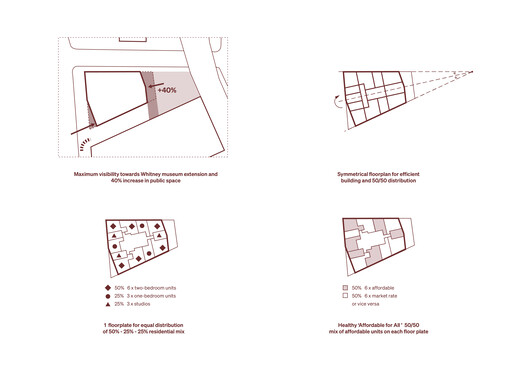
A single floor plate repeats upward in a slender extrusion, accommodating twelve homes per level, evenly split between affordable and market-rate units. This consistent rhythm lends clarity to the tower's expression, while subtle variations in façade depth and proportion add texture as it rises. Midway up, the volume opens to form a two-storey Sky Garden on the 53rd floor, a carved terrace offering expansive views, daylight, and shared spaces that introduce nature and community into the vertical city. The all-electric, low-carbon design reflects the team's belief that long-term affordability depends on buildings that remain efficient, resilient, and light on the city over time.
Housing affordability has become one of the most pressing urban challenges facing capital cities worldwide. In Europe, it has prompted governments to reassess the role of short-term rentals within residential neighborhoods, with Barcelona often cited as a leading example of regulation and control. Other recent mixed-use project announcements include Studioninedots' transformation of a 200-year-old tobacco factory site in Groningen, the Netherlands, into Niemeyer, a mixed-use urban complex integrating digital innovation, cultural venues, hospitality, education, and manufacturing within existing industrial structures; MVRDV and SYNRG's Schieblock, a 47,000-square-metre office building with commercial and hospitality spaces in Rotterdam; and Eduardo Souto de Moura and OODA's design for a new 180-metre mixed-use high-rise in Tirana, Albania.


