Human Rights Day is observed annually on 10 December worldwide. It commemorates the anniversary of the Universal Declaration of Human Rights in 1948. Drafted by representatives with diverse legal and cultural backgrounds from all regions, the Declaration was proclaimed as a common standard of achievement for all peoples and all nations. For the first time, the document set out fundamental human rights to be universally protected and inalienable, entitling every human being to them regardless of race, colour, religion, sex, language, political or other opinion, national or social origin, property, birth, or any other status. Today, the Declaration serves as a global blueprint for international, national, and local laws and policies. Available in 577 languages, it is the most translated document in the world. The United Nations has set the theme for this year's observance as "Human Rights, Our Everyday Essentials," aiming to "reaffirm the values of human rights and show that they remain a winning proposition for humanity."

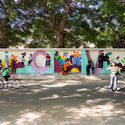
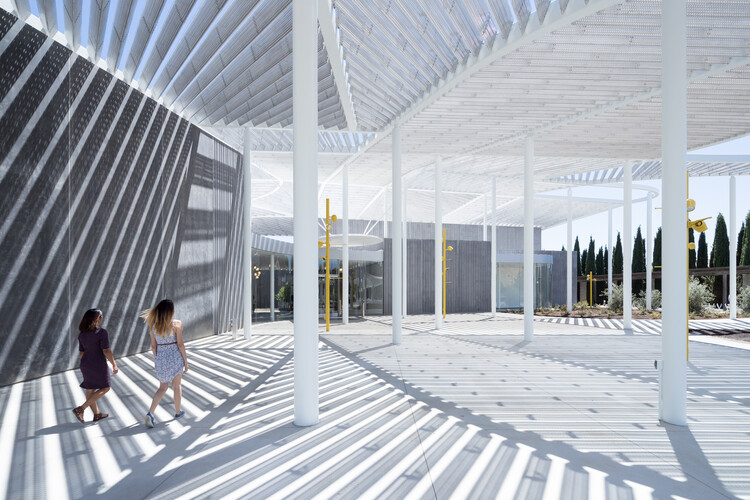
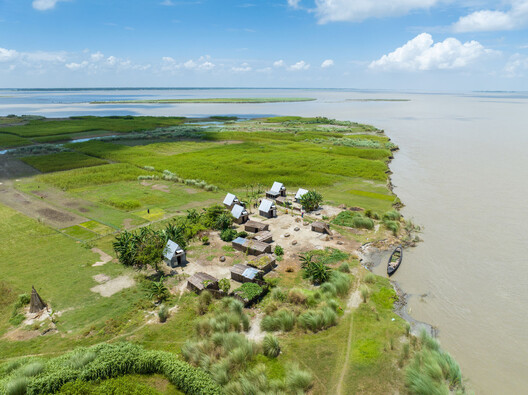
This reaffirmation comes during a "period of turbulence and unpredictability, where many feel a growing sense of insecurity, disaffection, and alienation." The UN campaign emphasizes that human rights are positive, essential, and attainable. It seeks to re-engage people with human rights by demonstrating how they shape daily life, preventing them from being taken for granted, and clarifying their practical applications. From an architectural point of view, this year's theme raises questions about foundational needs, the minimum standards required to ensure quality of life for all. What are the current spatial and environmental conditions for adequate human habitat globally? UN-Habitat states that "only when all dimensions of human rights are respected will urbanization realize itself as the transformative force that it is." According to the organization, "the human rights dimensions relate to the availability, accessibility, acceptability, adaptability, quality, and appropriateness of the rights to adequate housing, safe drinking water, and sanitation." In this context, how can architectural knowledge contribute to compliance with international human rights?
To foster discussion and reflection on these issues, and to broaden perspectives on the relationship between human rights and spatial conditions, we have compiled a selection of articles addressing socio-spatial equity, affordable housing, safety, migration, and shared natural resources.
Inclusive Design and Socio-Spatial Equity
"All human beings are born free and equal in dignity and rights" is the opening line of the Universal Declaration of Human Rights. When translated into space and material conditions, this principle is not always easy to uphold. Spatial design must address not only the diversity of bodies and mobility needs but also, and even more broadly, the diversity of sensibilities, perceptions, and cognitive patterns. One of the primary challenges is incorporating this diversity as fully as possible into design processes and generating responses that reflect such openness. To this end, we have selected articles that introduce new perspectives on public and private spaces for neurotypical and neurodivergent people of all ages.
Inclusive and Regenerative Design: Creating Spaces for Older Adults and Neurodiverse Individuals
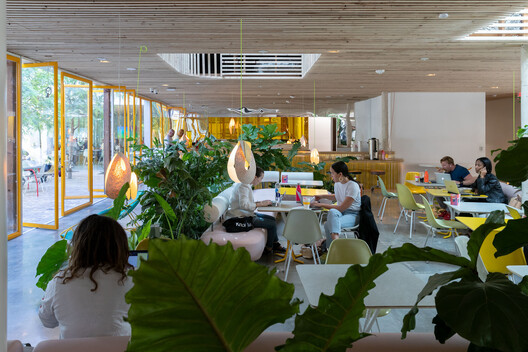
How Can Public Space Be Designed for the Neurodiverse Community?
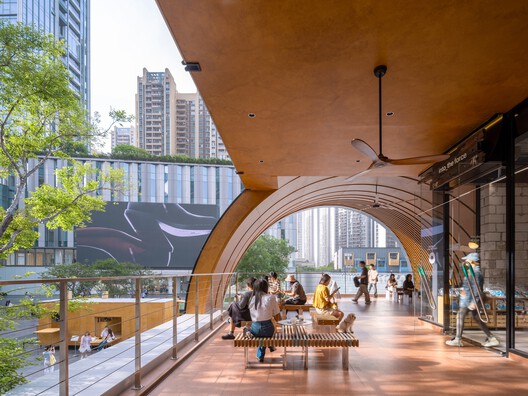
Spatial Equity in Urban Infrastructures: Public Restrooms Addressing Women's Needs
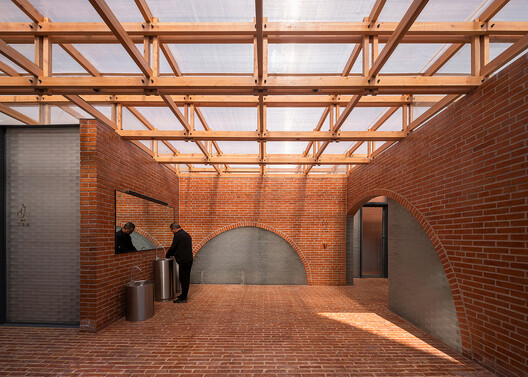
Make Space for Girls Launches Strategy for Gender-Inclusive Public Spaces
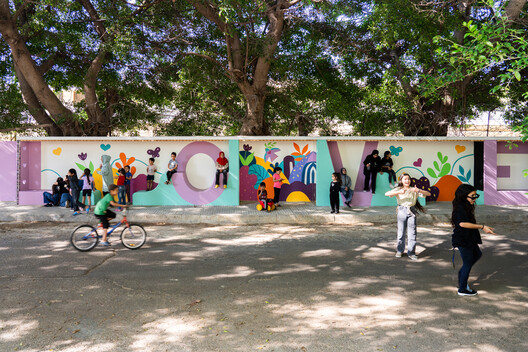
Empowering Children Through Public Spaces in Lebanon: In Conversation with CatalyticAction
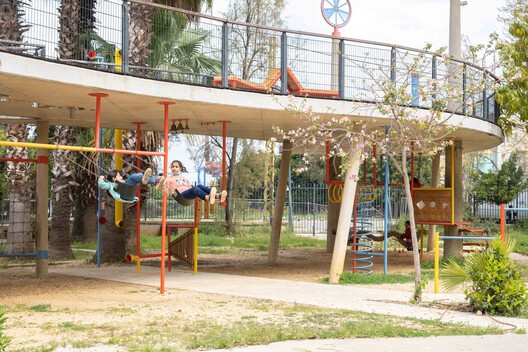
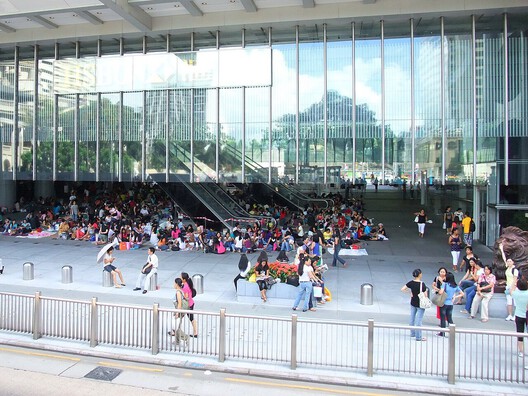
The Spatial Agency Gap: Rethinking Public Space through Co-Designing with Foreign Domestic Workers
Affordable Housing and the Right to Adequate Living
Article 17 of the Universal Declaration of Human Rights states that "everyone has the right to own property alone as well as in association with others" and that "no one shall be arbitrarily deprived of his property." Guidance on habitability can be further found in Article 25, which states that "everyone has the right to a standard of living adequate for the health and well-being of himself and of his family, including food, clothing, housing and medical care and necessary social services," as well as "the right to security in the event of unemployment, sickness, disability, widowhood, old age or other lack of livelihood in circumstances beyond his control." While these rights do not explicitly define habitability or material conditions, concepts such as health and well-being have historically been translated into standards related to sanitation, access to water, ventilation, and natural lighting. At the same time, the notion of security presented in these articles is closely linked to property and access to housing. For this reason, we have compiled articles that explore ideas and initiatives addressing housing access and contemporary quality standards.
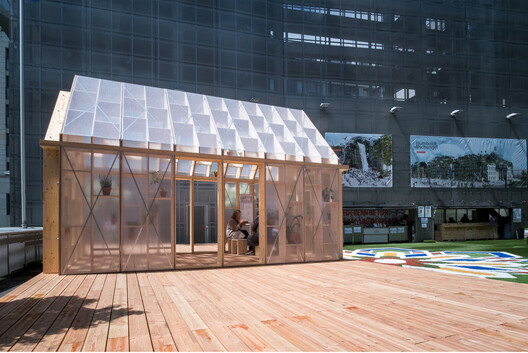
How Modular Construction Can Provide Architectural Aid: From Rapid-Response to Transitional and Affordable Housing
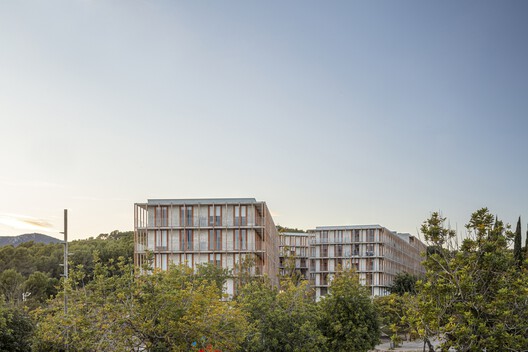
Social Modern Housing in Spain: Addressing the Crisis with Adaptable and Sustainable Solutions
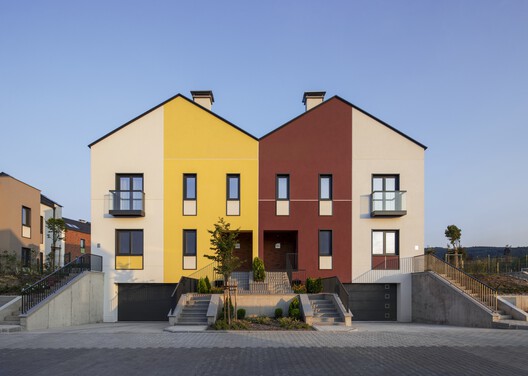
Case Studies in Community-Centered Living: Innovative Residential Design
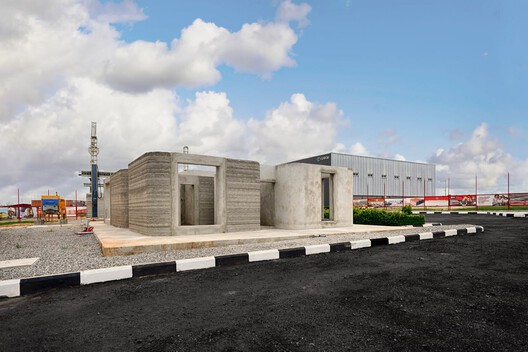
Angola Introduces Large-Scale Concrete 3D-Printing to Address Housing Crisis
Safety, Freedom of Movement, and Community Resources
Safety has become an increasingly politicized concept, often associated with spatial qualities such as illuminated public spaces, wide and open streets, or clean and unobstructed pavements. Viewed through a human rights lens, however, the spatial and environmental dimensions of safety are significantly expanded. Article 13 affirms that "everyone has the right to freedom of movement and residence within the borders of each state," as well as the right to leave and return to any country. From a collective perspective, Article 20 establishes the right to peaceful assembly and association, while Article 27 further specifies that "everyone has the right freely to participate in the cultural life of the community, to enjoy the arts and to share in scientific advancement and its benefits." To engage with the spatial implications of these rights, we have included articles addressing perceptions of security, migration, and the management of shared community resources.
Community Growth Through Architecture: Maximizing Limited Resources for Positive Impact
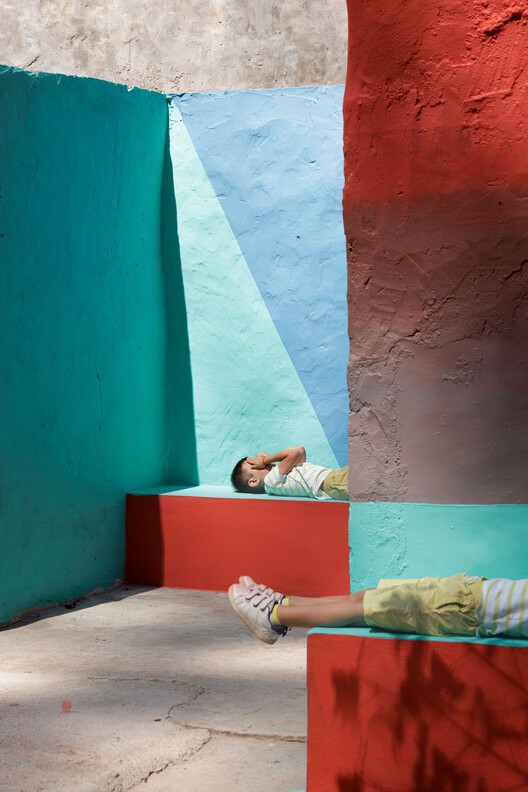
Shifting Sediments: Rivers as an Architectural and Cultural Catalyst
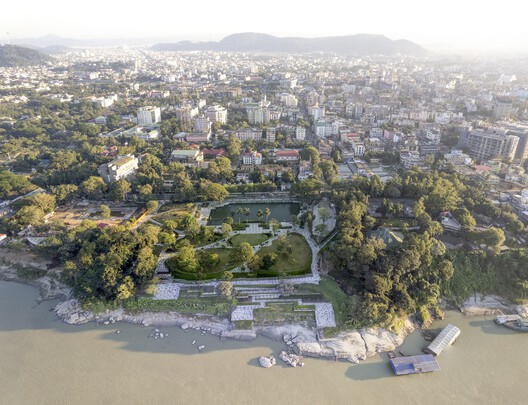
How Neuroarchitecture Can Influence the Perception of Safety in Urban Spaces and Buildings
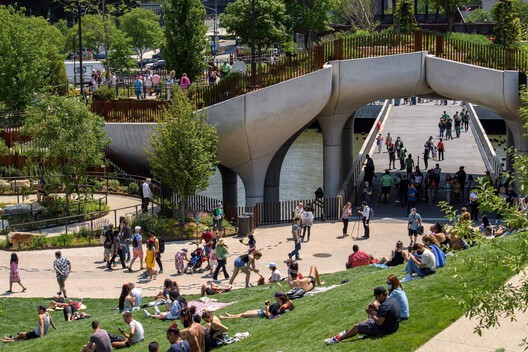
Khudi Bari: Architecture for Climate Displacement

Architects as Mediators: Three Cases of Dialogue Between Communities, Governments, and Businesses in the Global South