
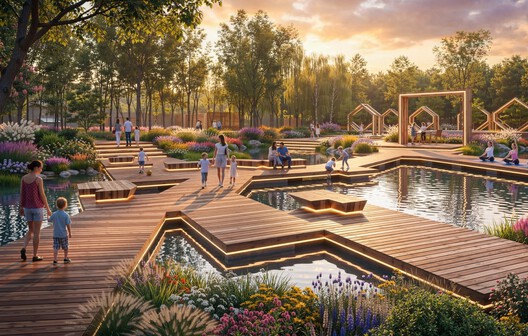
For much of modern architectural history, images have functioned as interpretive tools rather than literal records. Renderings, drawings, and competition visuals were traditionally understood as speculative instruments, offering atmospheres, intentions, and possible futures rather than fixed realities. This ambiguity allowed architects to communicate ideas that were still in formation, and it shaped a visual culture in which representation was valued as much for its suggestive quality as for its precision.
In recent years, this long-standing relationship began to shift. Architectural images did not simply become more refined or technologically advanced; they took on new social and institutional significance. As images moved beyond professional contexts and entered wider public circulation, their role expanded. They were no longer only methods of communication within the discipline, but also objects of public interpretation, discussion, and, at times, dispute. This marked a subtle but important change in how architectural visuals were understood and used.

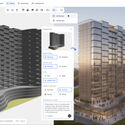
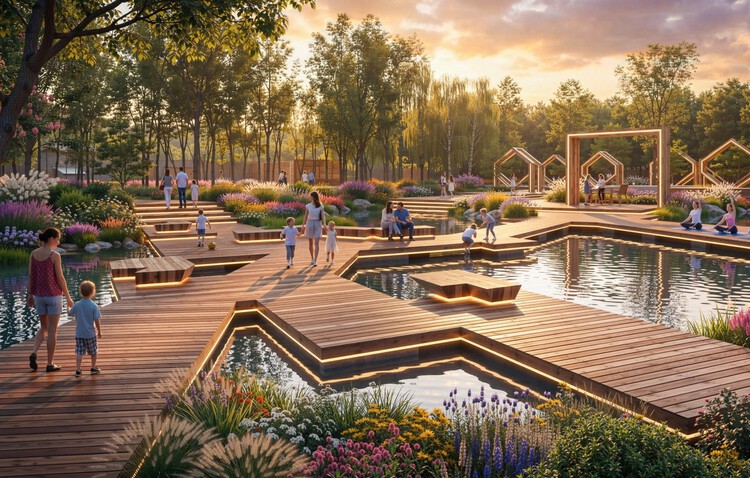
The rapid development of AI-based visualization tools accelerated this transition. Hyper-real imagery began circulating widely across platforms such as Instagram, WhatsApp, Telegram, and other digital networks, reducing the distance between professional production and public perception. Images that were once viewed primarily in juries, studios, or client meetings became part of everyday visual culture, often detached from the technical drawings, datasets, or contextual explanations that had previously framed them. As a result, architectural imagery increasingly carried expectations of clarity, reliability, and transparency.
Related Article
How Top Firms See AI Shaping Architecture’s WorkflowsBy the end of the year, signs of a gradual recalibration became visible across the profession. Rather than focusing primarily on visual impact, many practices and institutions began paying closer attention to how images were constructed, documented, and presented. The emphasis shifted from purely aesthetic considerations toward legibility, process, and credibility. In this sense, 2025 represented not a rupture but an evolution in architectural communication, as the discipline adapted to new technologies and new expectations of visual responsibility. These shifts did not unfold uniformly, but the pressures shaping them became increasingly apparent across different regions and institutions.
Real vs Fake: The Mumbai Waterfront Render Controversy
This became visible through a local story that escalated into a global reference point. In early 2025, a luxury developer promoting redevelopment along Mumbai's eastern waterfront released a series of hyper-realistic images depicting shaded promenades, open-access amphitheaters, floating cafes, and "community-first" green corridors. Influencers amplified the visuals within hours. Urban design pages described it as a benchmark for inclusive development.
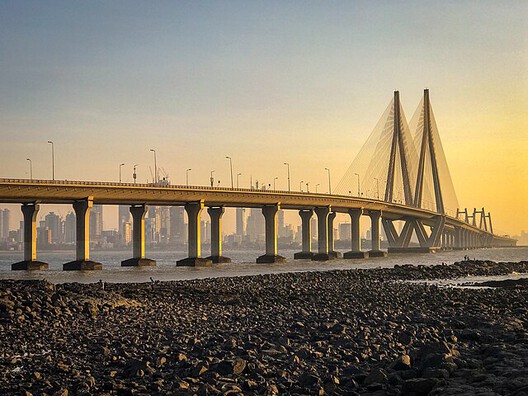
The collapse came from residents, not regulators. Using Google Lens, tidal maps, and reverse-image datasets, local citizens demonstrated that the images were entirely synthetic. Areas rendered as playgrounds were flood-prone tidal zones. Rail safety offsets were edited into lawns. Restricted edges were visually converted into public plazas. The images did not simply beautify reality; they replaced it. This moment suggested a structural shift, with architecture increasingly subject to citizen-led visual audits.
A Global Pattern of Visual Fracture
Mumbai was not an exception. Similar patterns began appearing in other cities. In Dubai, AI-generated "climate-responsive" desert eco-districts circulated months before site surveys were conducted, later traced as visual composites combining Scandinavian housing typologies with Southeast Asian planting libraries.
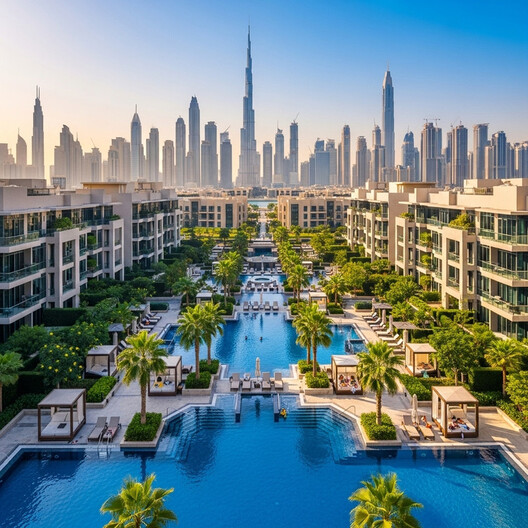
In New York, flood-resilient housing visuals were criticised when activists revealed that lush "community terraces" were digitally layered over public housing blocks scheduled for demolition. In Shanghai, cultural district renderings triggered backlash when independent analysts exposed how informal housing settlements were algorithmically replaced by synthetic parkland in public-facing visuals. In each case, architectural imagery crossed a threshold: it no longer merely aestheticised projects, it politically framed them.
Competitions Rewriting the Visual Contract
By mid-2025, professional bodies began rewriting the rules of architectural imagery. In India, the Council of Architecture's draft national guideline became a global reference point. The proposal introduced mandatory render provenance metadata, disclosure of AI prompts, visible watermarking for public-facing images, and separate jury evaluation channels for atmospheric visuals versus technical drawings.
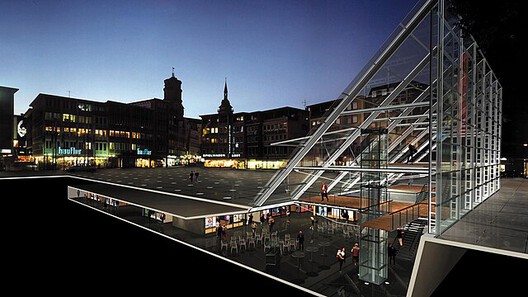
This moment institutionalised a previously informal debate. The Royal Institute of British Architects initiated parallel internal policy reviews. European Union design procurement committees opened consultations on mandatory AI-labeling for competition submissions. Architecture images were no longer treated as neutral supplements; they became regulated instruments.
Authenticity Markers Go Mainstream
Practice culture shifted just as visibly. Firms across the world are embedding EXIF-style signatures into their render pipelines, logging toolchains, datasets, edit histories, and temporal stamps. Images transformed from flat outputs into layered, traceable documents. A rendering's authority began to reside in its metadata rather than its mood. What emerged was a forensic aesthetic: visuals that could be audited.
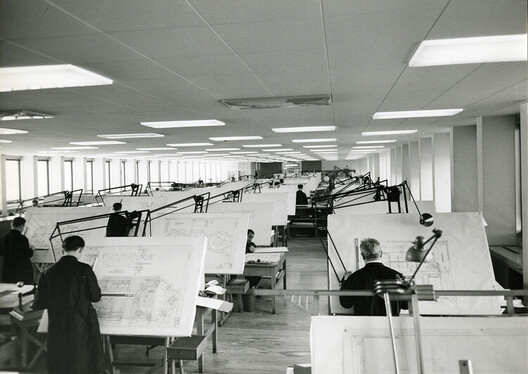
While professional studios added layers of verification, architecture schools moved in the opposite direction stylistically. In India, the UK, South Korea, and Brazil, top graduate studios began presenting what critics called "anti-renders." Projects replaced cinematic lighting with raw axonometric linework, dense construction diagrams, climate overlays, labor mappings, and infrastructural data fields. The unfinished became a mark of seriousness. The line replaced the illusion. The image shifted from spectacle to evidence of thinking.
The Aesthetic of Credibility
Competitions across Europe, South Asia, and Latin America reported a parallel distortion. Entries were increasingly optimized for social media virality rather than professional clarity. Vertical boards replaced landscape formats. Fog-heavy lighting and hyper-saturated skies dominated. Plans shrank, sections disappeared. Explanatory diagrams receded. Projects began performing better inside algorithms than inside juries. Architecture entered a contradiction: maximum visibility, minimum legibility.
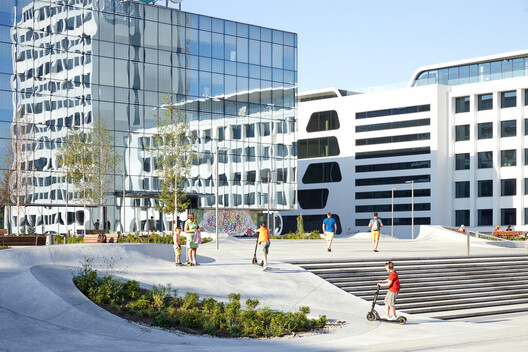
By late 2025, architectural images were no longer neutral. Governments used renders to legitimize infrastructure and redevelopment. Activists produced counter-visuals to expose displacement and environmental risk. Communities learned to read images as arguments rather than illustrations. The rendering stopped being decorated. It became power.
A Profession Rebuilt Around Trust
AI did not kill architectural drawing. It destabilised it enough to force a recalibration. What emerged was an aesthetic of credibility: visible layers, imperfect line work, declared toolchains, and transparent workflows. Gloss lost authority, traceability gained it. Images became documents. Renderings became evidence.
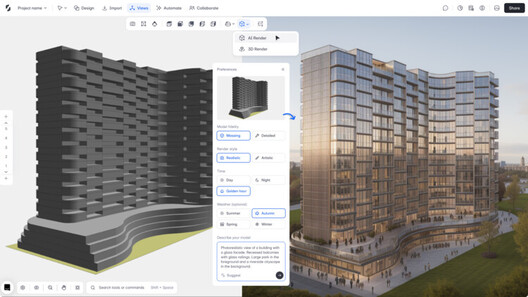
The most lasting impact of 2025 may prove to be more philosophical than technological. Architectural images became accountable. Representation became political. Visuals stopped selling futures and started defending truths. By the end of the year, more of the profession began asking how images could inspire and started asking how they could be trusted. In that shift, architecture discovered its next visual language.
This article is part of the ArchDaily Topic: Year in Review, proudly presented by GIRA.
GIRA sets the standard where architectural design meets intelligence. From the defining moments of 2025 to the innovations shaping 2026, we create smart solutions that elevate living and working environments with timeless aesthetics. Join us in shaping the future of architecture and interior design — where vision becomes reality.
Every month we explore a topic in-depth through articles, interviews, news, and architecture projects. We invite you to learn more about our ArchDaily Topics. And, as always, at ArchDaily we welcome the contributions of our readers; if you want to submit an article or project, contact us.