

What is the current global outlook on the recyclability of materials used in architecture? To what extent are contemporary societies truly committed to reducing environmental impact? In the effort to live in balance with nature, replacing fossil fuels with renewable energy sources is one of the key strategies for cutting greenhouse gas emissions and addressing global warming. Looking to nature for inspiration as a way to protect it means creating designs that incorporate sustainability, circularity, and recyclability from the very first sketch. From building systems to surface finishes, the use of biomaterials in architecture reflects a mindset rooted in long-term responsibility for a material's full life cycle.



According to Roland Geyer, an expert on the environmental impact of plastics, more than 90% of the plastic produced worldwide is never recycled, and a large portion ends up in the oceans. About 40% comes from packaging materials that can take up to 500 years to break down. In response to the deterioration of ecosystems, United Nations Member States have, for the first time, committed to restoring them as part of the Sustainable Development Agenda. The goals for 2030 include eliminating poverty and improving the lives of people around the globe. With a universal call for responsibility, the aim is to figure out how to meet the needs of millions today without putting future generations at risk.
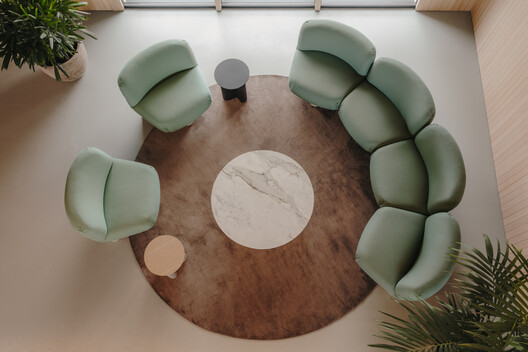
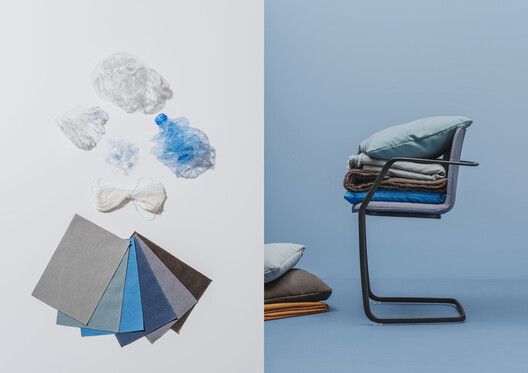
Whether through prioritizing long-lasting design or ensuring the durability and quality of each piece, many indoor and outdoor furniture collections showcase a strong design identity while also promoting healthy ergonomics and an awareness of their environmental impact. Andreu World introduces a range of its own materials and fabrics: Pure ECO® plastics made from 100% recycled content, a natural-origin polymer debuting in the new Nuez Lounge BIO® chair designed by Patricia Urquiola, and Circular ONE®, a fabric produced from yarn spun using plastics from PET bottles and textile waste.
Related Article
What Are Biomaterials in Architecture?I worked intensively with Andreu World to apply a circular approach to the Nuez collection, focusing not only on the materials but also on simplified disassembly options that can extend the product's life cycle—Patricia Urquiola
A Path Towards a Circular Economy: Recycled and Recyclable Materials
All the designs in the Andreu World catalog aim to achieve a circular economy by 2030. In keeping with their design philosophy, they use sustainable wood from reforested forests, paying close attention to every step of the process—from controlled logging to the delivery of the logs at the sawmill and the boards sent to their factories to be turned into components. For example, Reverse Wood reflects a strong commitment to nature and a tribute to wood, showcasing their expertise in woodworking, craftsmanship, and technical skill. The result is a versatile table system with endless integration possibilities, built from curved ash-wood pieces that are precisely assembled through expert carpentry.
Beyond reusing the waste generated during the production of its furniture, Andreu World has developed a technology that creates an industrial material meant to meet their needs while easing the burden on the planet. Made from thermopolymer pieces that have reached the end of their life cycle, along with industrial scraps, this material is designed to follow a core principle of the circular economy. Pure ECO® plastics are 100% recycled and recyclable, ensuring the material remains circular from its origin to the end of its lifespan. Produced through industrial recycling, they represent an important step toward a more responsible and sustainable use of raw materials—especially since plastics still come from fossil sources.
Biodegradation and Composting: Plastics That Aren't Plastics
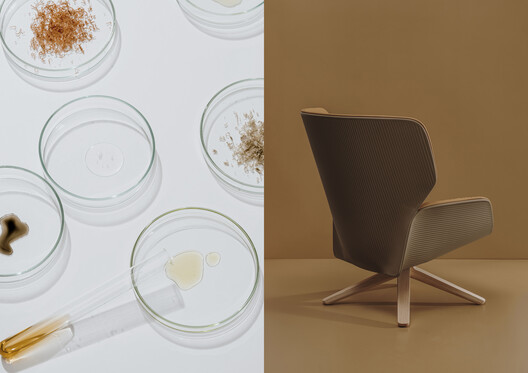
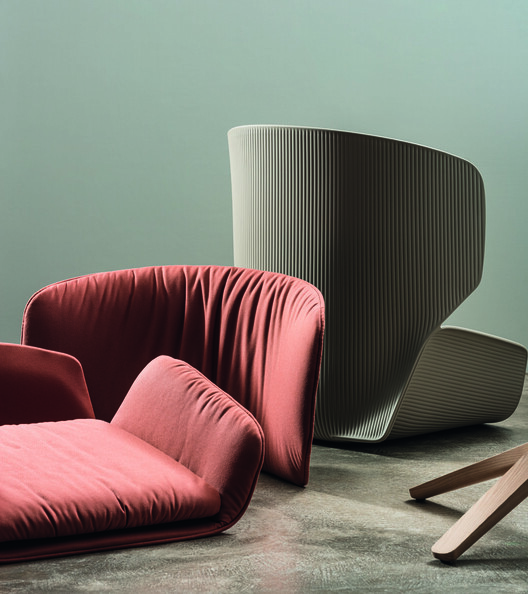
Andreu World has developed a BIO® thermopolymer that does not come from fossil fuels. Made from natural sources, it is based on a bioplastic produced by living microorganisms through the fermentation of genetically modified bacteria, combined with natural fillers and plant-based additives derived from nature. It also offers an ecological profile similar to wood, as it can be recycled, biodegraded, and composted. Suitable for long-lasting applications, the first seat created with this material and manufacturing process—featuring a one-piece shell and backrest—is the new Nuez Lounge BIO® chair designed by Patricia Urquiola. The material is also being used in other collections, offering improved elasticity and strength.
The key characteristics and properties of BIO® thermopolymer include:
- a renewable, natural, bio-based origin
- wood-like performance and comparable durability
- recyclability, biodegradability, and compostability
- breakdown into organic carbon, water, and biomass at the end of its life
- no generation of microplastics
- mechanical properties equivalent to those of a conventional thermopolymer
- high resistance to UV rays
- strong performance against weather conditions such as rain, humidity, and high temperatures
- non-toxic composition
- easy cleaning and maintenance, resisting stains and scratches from regular use
The Second Life of Waste: Fabrics With a Positive Environmental Impact
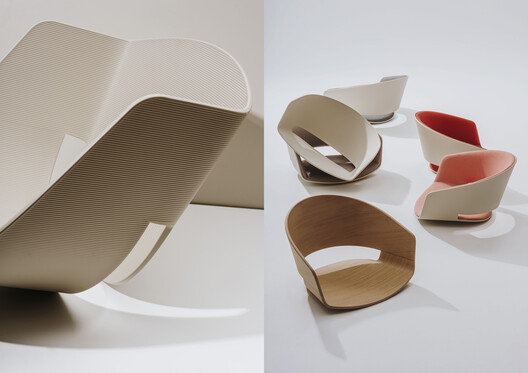
The lounge chair designed by Patricia Urquiola features an exclusive fabric made from yarn produced using plastics recovered from PET bottles and textile waste. Recycled and recyclable, this fabric—called Circular ONE®—offers the quality and durability needed for heavy-use upholstery. By producing yarn from recycled material, the environmental impact is significantly lower compared to conventional yarn production. The process also reduces water consumption, cuts the use of harmful chemical components, decreases energy use by up to 50% thanks to solar-powered manufacturing, and lowers CO₂ emissions.
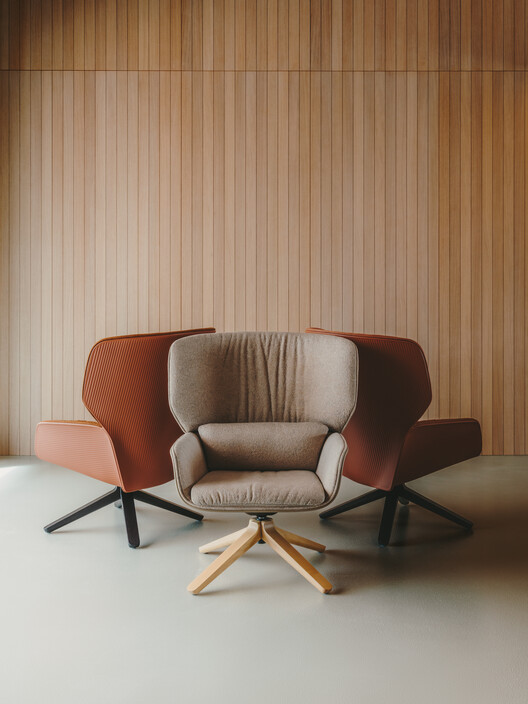
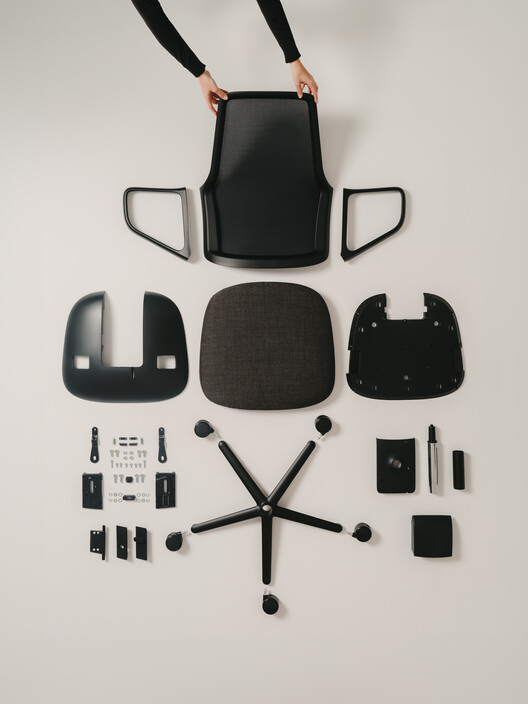
The design keeps its signature enveloping shape and features a high backrest that highlights the shell's technological look paired with its organic texture. Available in four colors, the foam is 100% recycled and recyclable, and the parts are assembled without glue, making it easy to take apart for repairs or reupholstering. The central ash-wood base adds a natural touch and is FSC® certified. Overall, Nuez Lounge BIO® was created with the goal of achieving full circularity in both its design and production system. It has a carbon footprint of 36.96 kg CO₂ eq., measured using the Greenhouse Gas Protocol (GHG) at scope level 3 and with "ex-works" transport. The Nuez Lounge BIO armchair has earned numerous international awards and recognitions for its sustainability and innovative design. These include the 2021 Red Dot Design Award for best sustainable design and two Best of NeoCon honors: a Gold Award in the "sofas and lounge seating" category and another in Sustainability. It also received a Good Design Australia award.
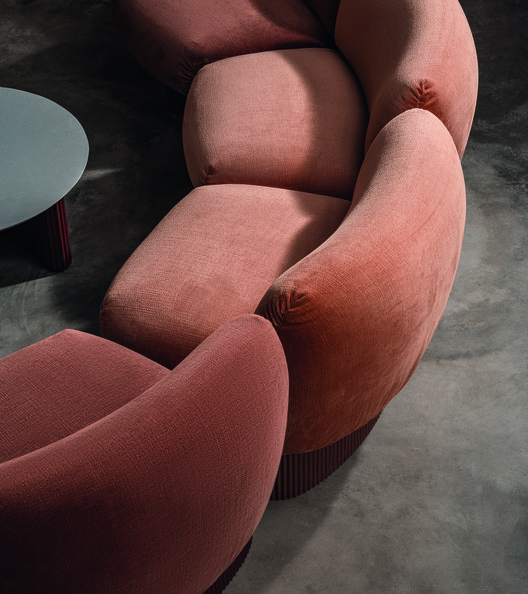
In short, Andreu World's new materials are now integrated throughout its collections. The Ronda Collection has evolved, carrying the essence of its original wooden design into new versions made with a Pure ECO® thermopolymer shell. All options in the collection—wooden, upholstered, and thermopolymer chairs—can be paired with different wooden or metal bases in steel or aluminum, either fixed or swivel, with outdoor versions also available. Meanwhile, Flex Collection was designed so that its components—shell, foam, fabric, and wooden or aluminum base—can be easily separated. Offering comfort and versatility, it brings together materials, functions, and modern needs without losing its signature design. In addition to using Pure ECO® thermopolymers, it is upholstered with Circular ONE® fabric. The chairs, armchairs, and stools can be matched with metal or wooden bases across the many options and sizes in the catalog, including Flex Chair, Flex High Back, Flex Corporate, and Executive.


