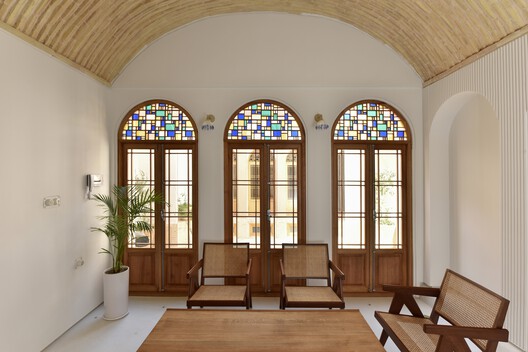
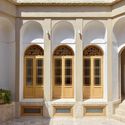
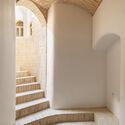
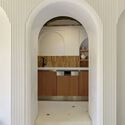
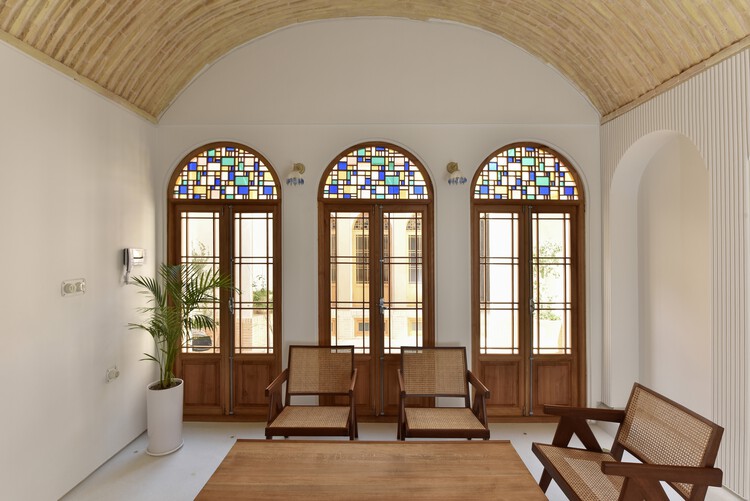
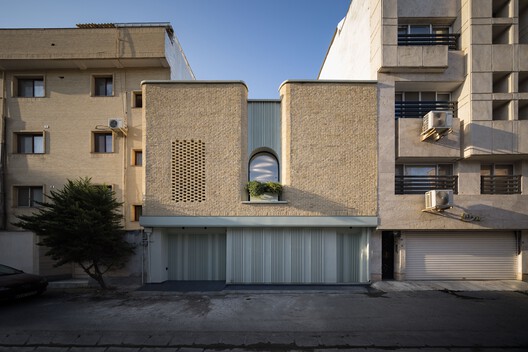
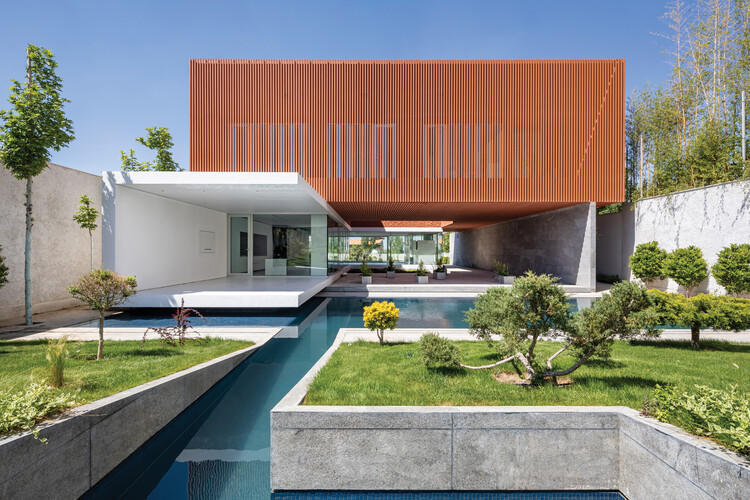
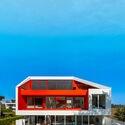
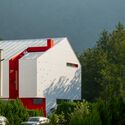
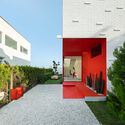
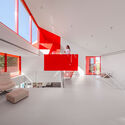
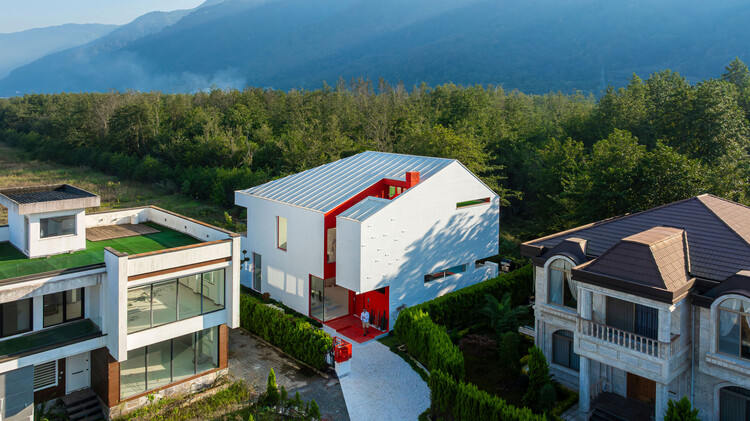
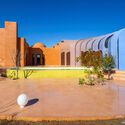
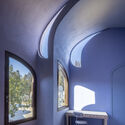
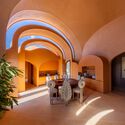
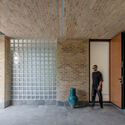
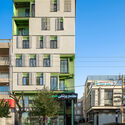
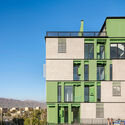
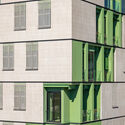
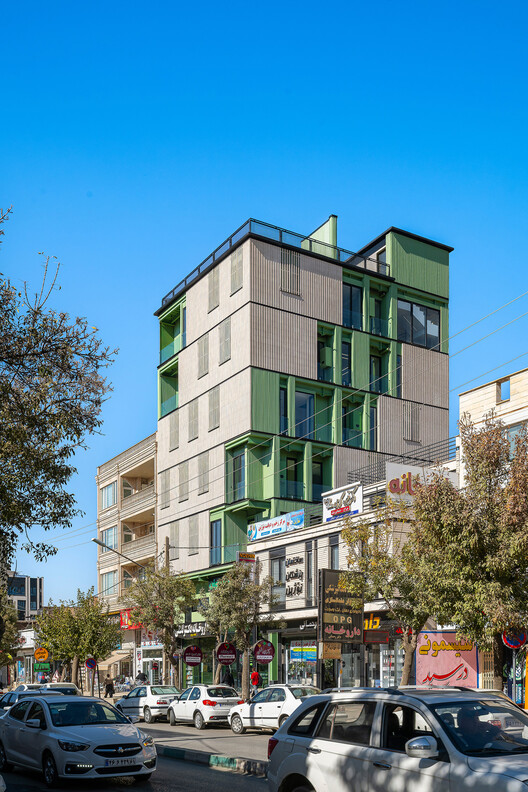
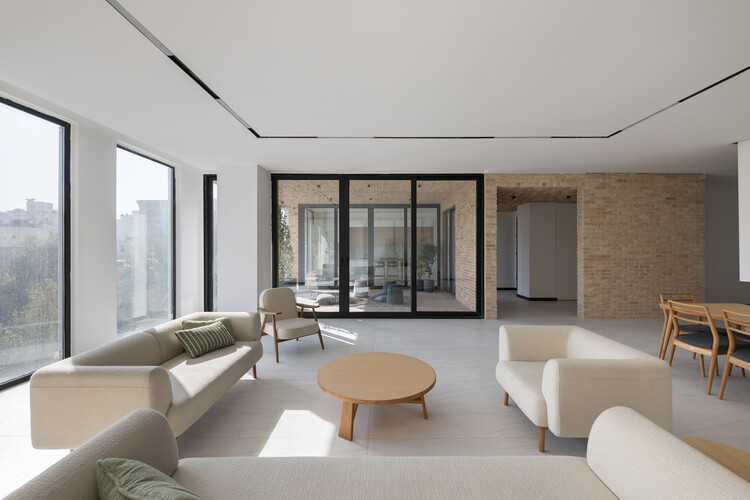
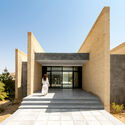
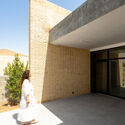
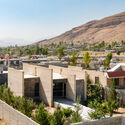
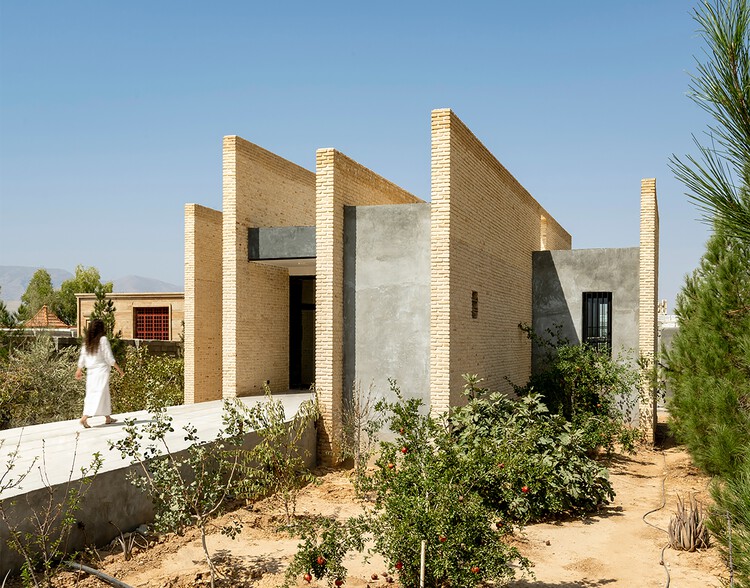
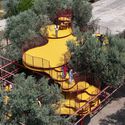
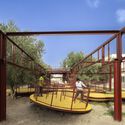
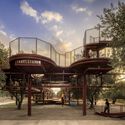
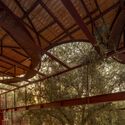
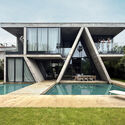
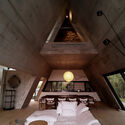
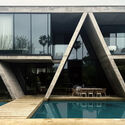
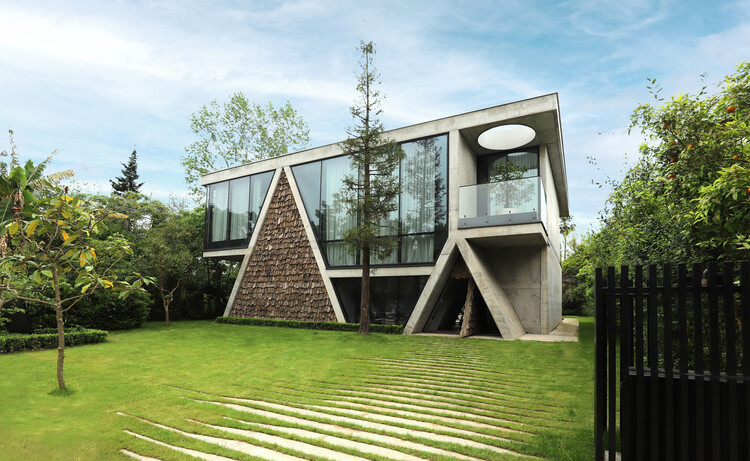
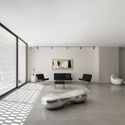
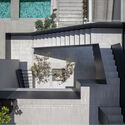
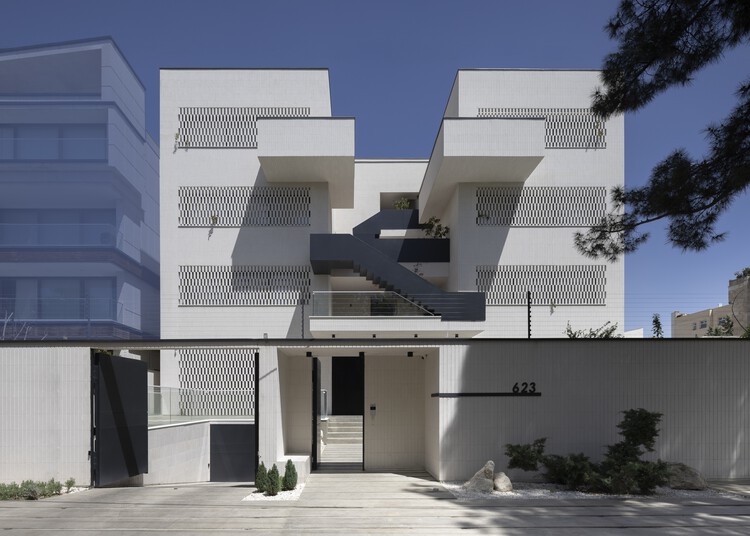
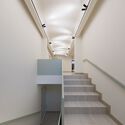
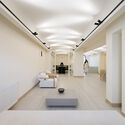
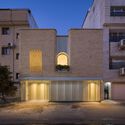
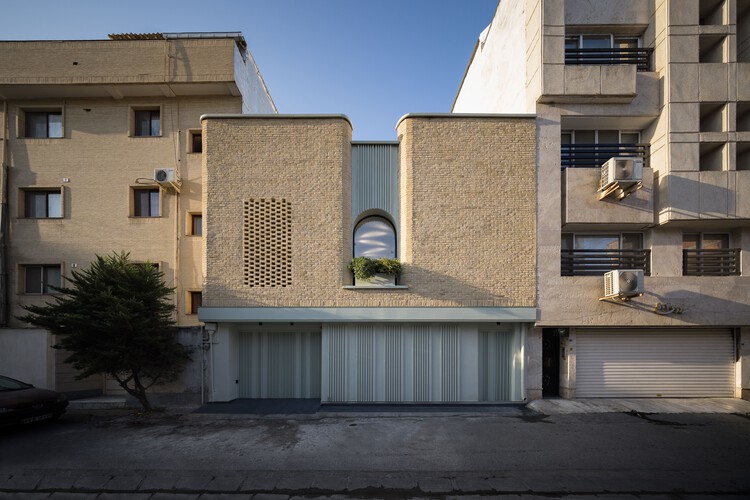
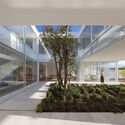
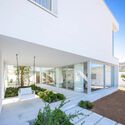
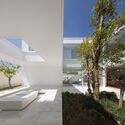
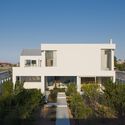
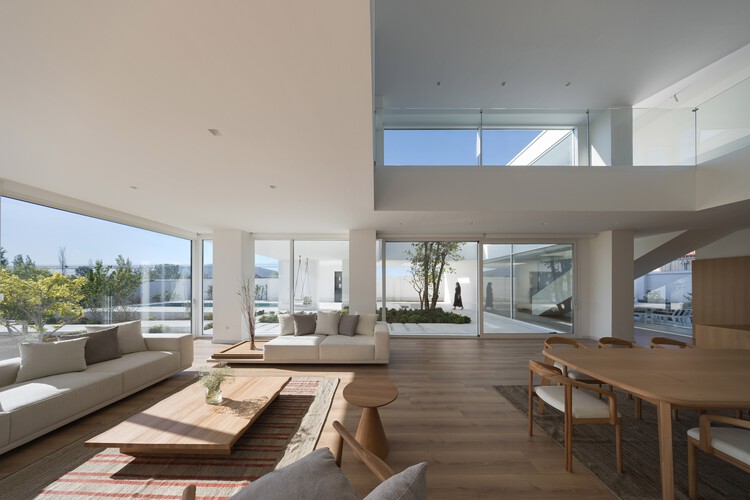
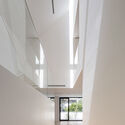
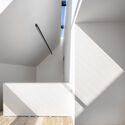
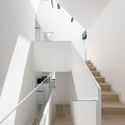
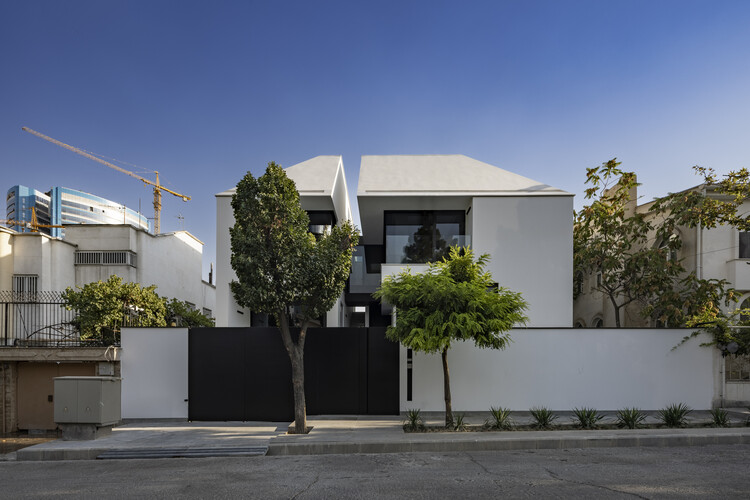
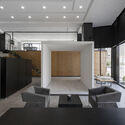
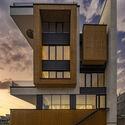
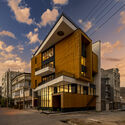
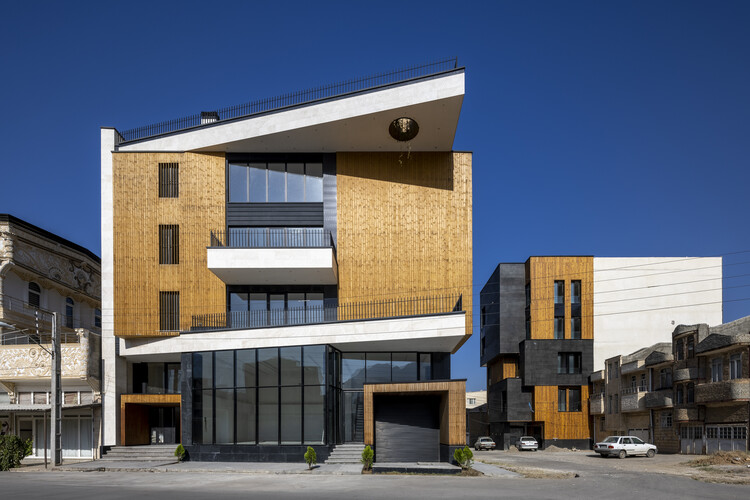
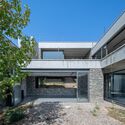
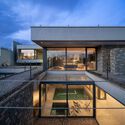
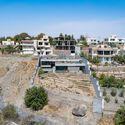
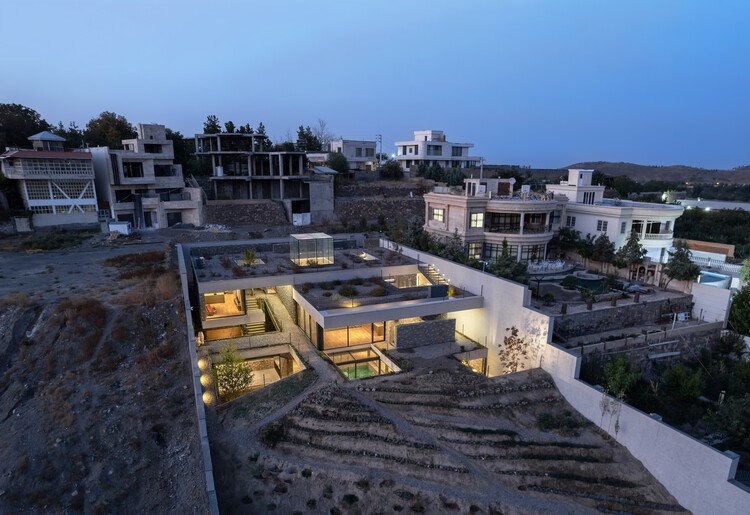
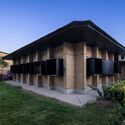
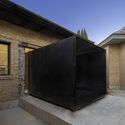
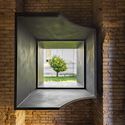
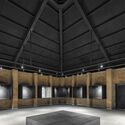
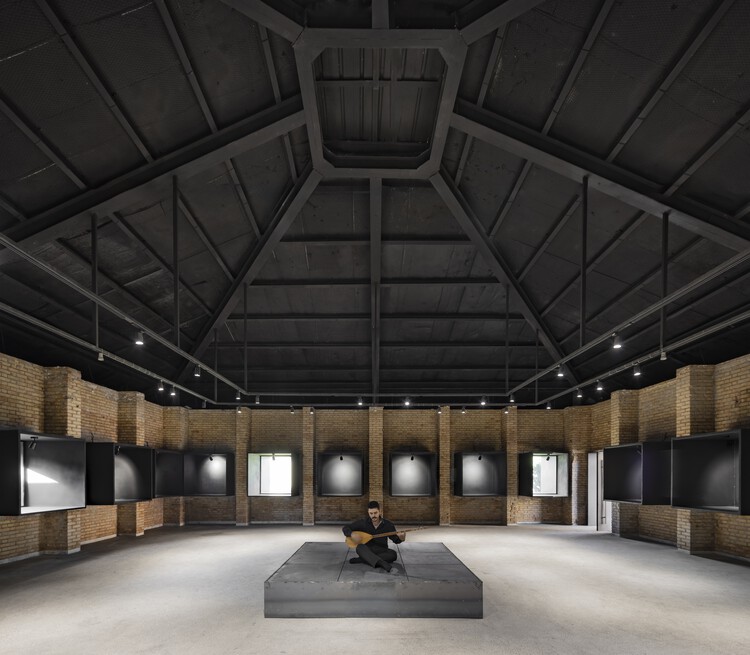
Apartment No. 1 / Architecture by Collective Terrain

Architects: Architecture by Collective Terrain
Location: Mahallat, Iran
Client: Ramin Mehdizadeh, Hossein Sohrabpoor, Mehdi Mehdizadeh
Area: 420 sqm
Year: 2010
Photographs: Omid Khodapanahi
Persian Factory Second Prize Winning Proposal / Hooba Design Group

Designed by Hooba Design Group, one of the major aims in their second prize winning proposal for the Persian Factory in Iran was coming to an integrated spatial pattern, which fits both the new part of the existing structure and the site plan of the factory. In order to achieve an integrated organization, they used a spatial diagram, which defined both the inside and outside of the project simultaneously. This diagram is influenced by the building’s site, and also the existing status of building and additional sections. More images and architects’ description after the break.
Padideh Kish Competition Winning Proposal / Shirdel and Associates Architects

The first prize winning proposal in the competition to design the masterplan of Padideh Kish, a destination resort in Kish Island, Iran, creates a fantastic and exciting place to improve and deepen the experience of a trip and remain in the mind of any visitor. Designed by Shirdel and Associates Architects, their idea of Padideh is a result of juxtaposition, the interaction and development of concepts where each one is dependent on the architectural achievements and architectural history of Iran. More images and architects’ description after the break.
Mosque (Amir Al-Momenin) Proposal / CAAT Architecture Studio

Focusing on local architecture, the proposal for the Mosque (Amir Al- Momenin) by CAAT Architecture Studio detaches from everyday life and the approach to worship space in accessing the building. The integrated entity of the proposal plays its role as a religious and cultural center in the region scale while communicating with the environment. More images and architects’ description after the break.
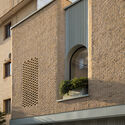
Brick Pattern House / Alireza Mashhadmirza

Architects: Alireza Mashhadmirza
Location: Tehran, Iran
Year: 2011
Photographs: Courtesy of Alireza Mashhadmirza
No Name Shop / Ali Dehghani, Ali Soltani & Atefeh Karbasi

Architects: Ali Dehghani, Ali Soltani, Atefeh Karbasi
Location: Najafabad, Iran
Area: 794 sqm
Year: 2012
Photographs: Farshid Nasrabadi
DGS-Co Office Building / Ali dehghani, Ali soltani & Atefeh karbasi

Architects: Ali dehghani, Ali soltani & Atefeh karbasi
Location: Najafabad, Iran
Year: 2012
Area: 1011 sqm
Client: Mohammad Ayati
Photographs: Farshid Nasrabadi
JAY Mixed-Use Complex Winning Proposal / ASAR Consulting Engineers

ASAR Consulting Engineers shared with us their winning proposal in the competition to design the JAY mixed-use complex in Tehran, Iran. With the aim of a long-term plan to create a vibrant urban complex in a 54 hectare area site, their proposed response to these challenges begins with a public garden which improves the existing green spaces and plays a role as an urban structure to integrate the 4 different zones of the project. The program includes about 173 hectares of commercial, recreational and administrative activities. More images and architects’ description after the break.
Tehran Stock Exchange Competition, 2nd Prize / Hadi Teherani Office + Design Core [4S]

Tehran Stock Exchange Competition, 3rd / Nasrine Seraji + ASAA + Mehdi Bakhshizadeh + Tadbir Omran lranian

Designed by Atelier Seraji Architectes & Associés, in collaboration with Mehdi Bakhshizadeh and Tadbir Omran lranian, their questioning started with the debate on what is the most distinguishable aspect of Persian Architecture in trade, bank and stock exchange buildings? The other urgent question was regarding the main difference between western and Persian thought in contemporary cultural debates.
They came to the conclusion that one of the main differences is the description and perception of the idea of complexity and its structure in our culture. The result is a new public space through this new building in Tehran through building an innovative structure that sits intelligently with the site and proves the capacity of Persian engineering. More images and architects’ description after the break.
Tehran Stock Exchange Competition Entry / LAVA

Designed by LAVA, the proposal for the Tehran Stock Exchange fuses visionary geometries and forms with traditional elements of Persian culture. The vision seeks to define a new typology for the next century, mixing virtual and human interaction. Inspired by the local morphology such as cave houses, the building is envisioned as an urban rock, with smartly carved ovoid shapes enhancing natural light, panoramic views, interior spaces and the relationship with the surroundings. An interior light void maximizes fresh air and sunlight, while roof terraces add to the amenity of workers. More images and architects’ description after the break.
Tehran Stock Exchange Competition Entry / EBA[M] + VMX Architects

Tehran Stock Exchange Competition Entry / Hans Hollein & Partner

Designed by Hans Hollein & Partner, the Tehran Stock Exchange aims to become a civic symbol that not only accommodates the stock exchange functions but also repents the practice in its entirety. As an architectural intervention, The buildings’ architectural nature allows it to become an identifiable structure within the urban fabric. The rectangular form of the office tower follows the homogenous surroundings, but the TSE´s façade is an innovative merger of two building envelope typologies and a strong contrast to any building in the vicinity: The window wall and the ceramic brick façade. More images and architects’ description after the break.
Tehran Stock Exchange Competition, 1st Prize: Alejandro Aravena Architects & VAV Studio
During the last few years the world has witnessed dramatic changes. Our world is no longer rural, economic models are struggling, and the centres of innovation and political power have shifted.
It is this context that explains why the recently held competition for the new Tehran Stock Exchange is relevant beyond the building. The Physical Development Research Center organized a competition between 29 top architecture firms, later narrowed down to eight after a RFQ process, who each worked with a local Iranian firm. In a country experiencing a very unique economic moment, the brief of the competition aimed to challenge the typology of the stock exchange in general, as well as factors that could alter this type to address cultural factors specific to its location. Thus, the firms were asked to look at how this program has developed throughout history while also undertaking a thorough analysis of the specifities of this project.
The jury was composed by local architects Mehdi Alizadeh, Farhad Ahmadi, Bahram Shirdel, Hossein Sheikh–Zeineddin and Nader Tehrani (MIT Head of Architecture, principal at NADAAA) as spokesperson.
Alejandro Aravena (founder of Alejandro Aravena
Aravena’s entry stood out from the rest as it was conceptually distinct, aligned with the brief of the competition. Other highlights of this entry are its geometry, structural base, sensitivity to climate, and relation to its mountainous landscape, which are explained further in the architect’s description below:
A monolithic figure at a first glance, the building achieves a particular transparency thanks to the hollow blocks used on its skin, turning into a lamp that is transparent to the public.
The decision of the jury, while unanimous, is only a recommendation to the client, so we will keep you informed as the project moves forward.
Read the complete architect’s description, with renders and drawings, after the break:
Army Residential Complex / Hootanpei

Located in a land about 80 hectares in Tehran, the design for the Army Residential Complex by Hootanpei was chosen in an architectural competition. With the contractor’s demand of 28-30 towers with 20-30 floors, the most important factor of design was minimum interference between pathways and driving ways and also suitable green places to create comfort and welfare for residents. More images and architects’ description after the break.
P.S.P Office Building / Olgoo Office

Architects: Olgoo Office
Location: Pardis Technology Park,Tehran, Iran
Architect In Charge: Mehran Khoshroo
Project Team: Almara Melkomian, Adel Ataee, Mehdi Atashbar, Amir Masoud Nafisi, Mahsa Mamaghani, Soodabeh Ghorbani, Kourosh Asadzadeh, Hamid Reza Etemadi, Syamak Yazdanian
Project Year: 2007
Project Area: 2050.0 sqm
Photographs: Courtesy of Baraks Studio
Amir Villa / Nextoffice – Alireza Taghaboni

Architects: Nextoffice – Alireza Taghaboni
Location: Karaj, Iran
Architect In Charge: Alireza Taghaboni
Design Team: Rouholah Rasouli, Masoud Saghi, Farideh Aghamohamadi, Mojtaba Moradi
Project Year: 2011
Photographs: Parham Taghiov
Ajoodaniyeh Tower / Kamvari Architects

The proposal for the Ajoodaniyeh Tower by Kamvari Architects seeks to use traditional design within Iran as a means of addressing performance criteria within a high-rise. With the intention of analyzing unique aspects of traditional architecture specific to the region, they combine these with advanced design methods to produce a novel proposal for the site and our client. More images and architects’ description after the break.
Cultural – Sport Complex For Disabled / Experimental Branch of Architecture

Architects: Experimental Branch of Architecture
Location: Tehran, Iran
Completion: 2011
Area: 18,000 sqm
Client: Development of Cultural Environment Co.
Photographs: Courtesy of Experimental Branch of Architecture
Tehran Football Camp / Kourosh Rafiey

Despite previous efforts to build football related complexes in Iran, Kourosh Rafiey’s proposal aims to solve the country’s lack of these spaces. The design includes a high-tech complex with complete facilities that could fulfill all the desires of football players and fans, including hotel, stadium, sport complex, with expert doctors, offices , shops, parking and even exercise playgrounds for all age groups. More images and architects’ description after the break.