How to visualize architectural concepts in SketchUp using D5 Lite for faster design exploration.
How to visualize architectural concepts in SketchUp using D5 Lite for faster design exploration.

Einstein’s Special Theory of Relativity introduces the mind-blowing concept that time – as we know it – is not as stable and reliable as it first seems. As a defining characteristic upon which all of human history is referenced, the fallibility of time is a confusing prospect. 15 minutes, for example, seems an eternity while waiting in line, and yet the 300,000 years of human history equates to less than a day in the lifetime of the Earth.
So when we talk about ‘saving the planet’ by slowing and reversing climate crisis, what we really mean is extending our own existence upon it. Because no matter what we do, this rock will continue to spin for billions of years yet. In reality, humanity itself is only a temporary installation.
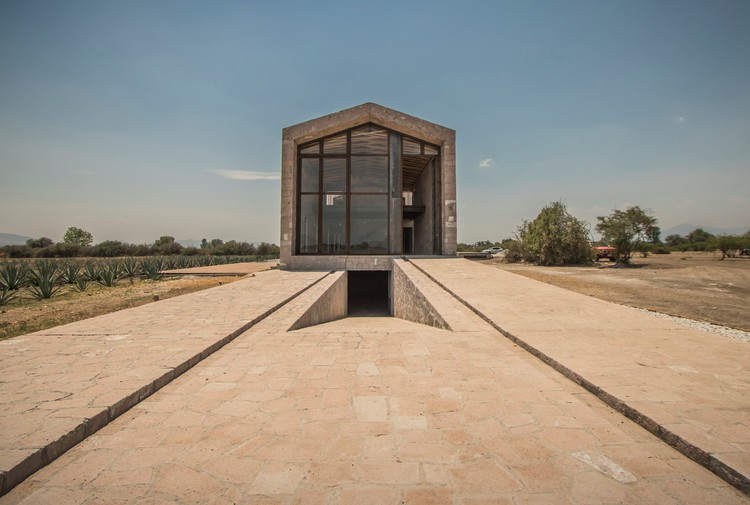
These four outdoor installation projects use the Earth’s environment and borrow its resources to investigate our human relationship with time, and how it affects our lives down here on the surface.


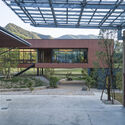
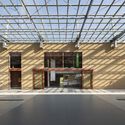
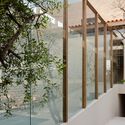
Researchers point out that "proto-greenhouses" arose to fulfill the desire of the Roman Emperor Tiberius (42 BC to 37 AD) to eat cucumbers every day of the year. Since it was impossible to grow the vegetable on the island of Capri in winter, his gardeners developed beds mounted on wheels that they would move into the sun when possible, while on winter days they would place them under translucent covers made of Selenite (a type of gypsum with a glassy appearance). But the production of large-scale greenhouses only became possible after the Industrial Revolution with the availability of mass-produced glass sheets. Since then, they have been used to grow food and flowers, forming a microclimate suitable for plant species even in places with severe climates. But in some cases, these artificial growing conditions can also form interesting living spaces. The recent Lacaton & Vassal awards rekindled this interest. How is it possible to create greenhouses that can be good for both humans and plants?



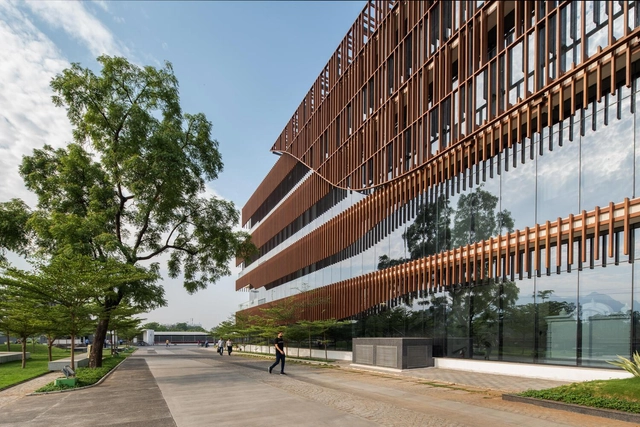


Ecuadorian firm Uribe Schwarzkopf has unveiled plans for a mixed-use project set to redefine the skyline of Guayaquil. Located in the Puerto Santa Ana neighborhood, the new YOO GYE project aims to deliver residential and commercial spaces through a design shaped by the local environment. Its interiors are designed by YOO Inspired by Starck, under the creative direction of Philippe Starck himself.

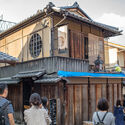
Two years ago, Starbucks' branch in Al Seef, Dubai captivated the internet with its contextual design. Located in the oldest part of Dubai, the renowned coffee outlet boasts a thatched roof, mud-like exterior finishes, traditional screens, and wooden furniture, all of which retain the picturesque charm of the landscape. The design not only garnered immense attention on social media but also attracted curious customers to the store. Effortlessly blending in with its regional context, the Al Seef branch has become an integral part of the locality. The store is one of Starbucks' many efforts at regionalizing its international outlets to create authentic connections with customers. In an era where consumers crave meaningful connections, regionalism in retail design emerges as a powerful design strategy.

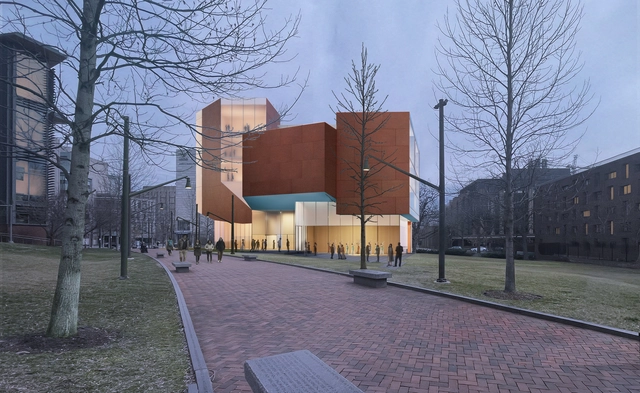
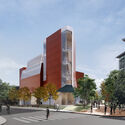
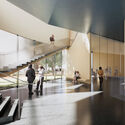
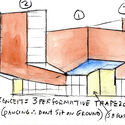
The University of Pennsylvania has unveiled Steven Holl Architects’ design for its new Student Performing Arts Center. The 37,300-square-foot building is set to offer dedicated and flexible spaces for over 70 student performing arts groups on campus, including dance, theater arts, a cappella groups, and musical ensembles. The proposal was informed by a study completed in 2019 by Penn’s University Life, which concluded that additional performance and rehearsal space was needed to meet current and future demand. The project is set to begin construction in 2024, with anticipated occupancy starting in winter 2027.

With the increasingly frequent and intense impacts of climate change on cities, nature-based solutions (NBS) have emerged as a core strategy for adapting to this reality.
Nature and ecosystems provide valuable services to people, from climate regulation to the promotion of health and well-being. Reintegrating these services into the urban landscape is a critical part of the transformation required for cities to face complex challenges, such as the impacts of increasingly intense rainfall, extreme heat, and pollution. At the same time, it can enhance resilience and expand access for the most vulnerable populations to essential infrastructure, leisure spaces, and economic opportunities.