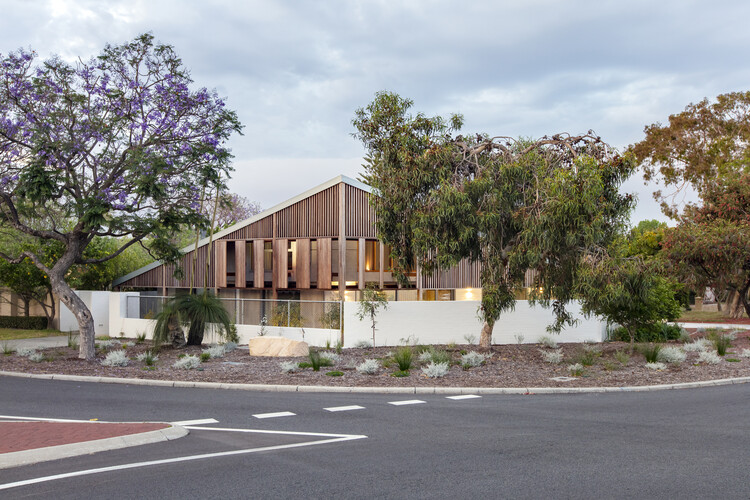
-
Architects: Philip Stejskal Architecture
- Area: 200 m²
- Year: 2020
-
Manufacturers: Gyprock, Midland Brick

.jpg?1619525533)
While they can serve various functions in many projects, stairs are, first and foremost, elements of vertical circulation used to connect two or more levels. Due to the relatively intermittent nature of their use, many designs for small spaces leverage this characteristic to explore solutions that go beyond traditional configurations and standard riser dimensions.
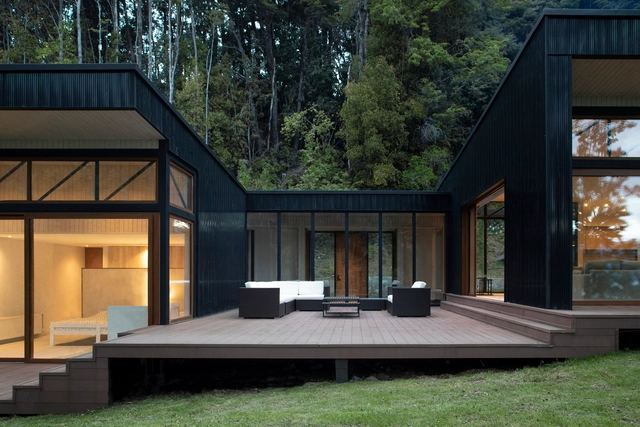
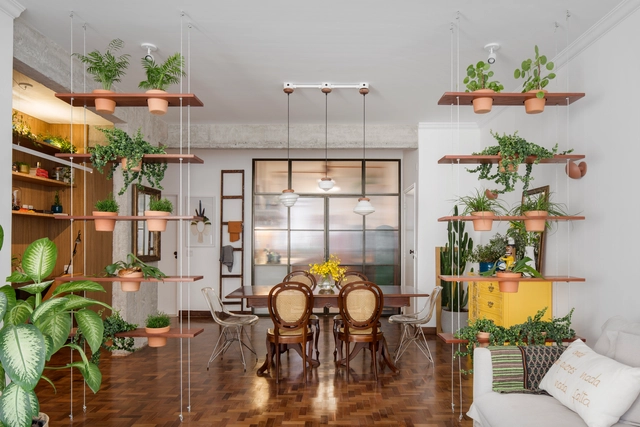

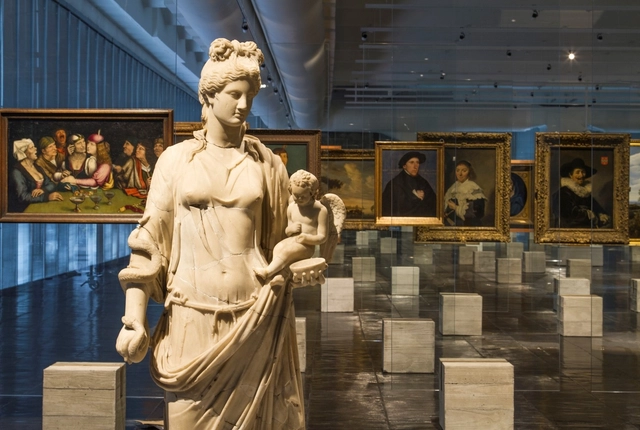
Today, May 18, is International Museum Day, celebrated under the theme "The Future of Museums: Recover and Reimagine." Amid the pandemic landscape imposed by COVID-19, some museums have reopened with major restrictions, while many others have remained closed. Regardless, these institutions have begun to reconsider their models and redefine their role in society. In this sense, the pandemic catalyzed a shift in exhibition formats, bringing new solutions and innovations to the public, such as virtual tours.

Canada’s contribution to the 17th Venice Architecture Biennale explores Canadian cities’ established “career” in cinema as stand-ins for the world’s metropoles, raising questions of authenticity, architectural identity and the collective understanding of the built environment. Curated by David Theodore of McGill University and realized by Montréal architecture and design practice T B A / Thomas Balaban Architect, the exhibition Impostor Cities highlights the diversity and versatility of Canada’s cityscapes as portrayed on film.
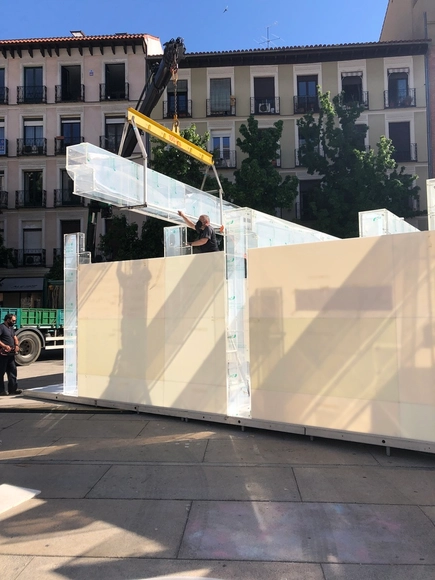
Plastic is an incredible material. The big problem with it is how we are using it and discarding it in nature. It was with this idea in mind that The Plastic Museum was created: to show the vital role that plastic plays in our lives and the possibilities that its reuse and recycling offer. Opened in Madrid on May 8, it not only contains plastic but was built entirely from this material. Through the artifacts displayed inside, including objects for health care, communication, construction, food, and sustainable mobility, the visitor will learn about the essential functions that plastic provides us when used correctly.
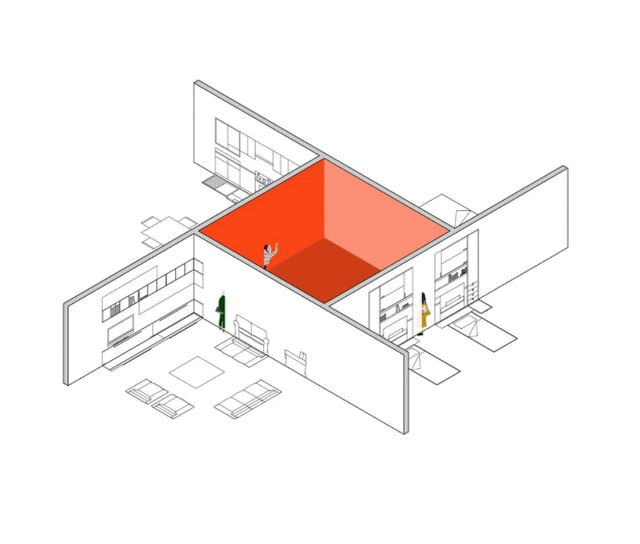
Titled "In Our Home", the Albanian pavilion at the 17th International Architecture Exhibition - La Biennale di Venezia, exhibits the impact knowing one's neighbor has on the built environment. Curated by a team of four architects: Fiona Mali, Irola Andoni, Malvina Ferra, and Rudina Brecani, the pavilion will be on display at Arsenale's Outdoor Arena no.2 from May 22nd until November 21st, 2021.



_Adolf_Bereuter.jpg?1621280011&format=webp&width=640&height=580)
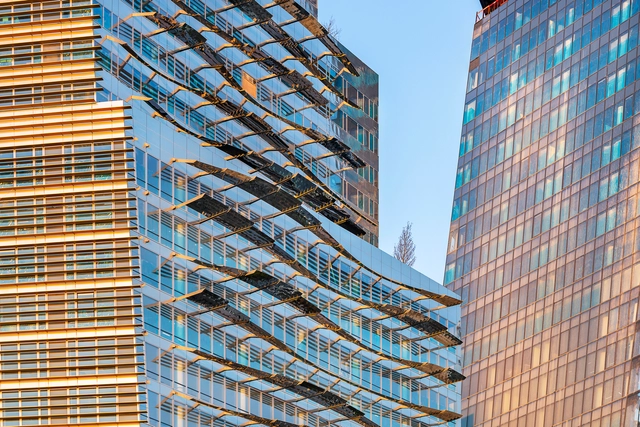
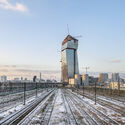
Carefully placed within the urban context and the product of searched perspectives and precise gestures, Ateliers Jean Nouvel's mixed-use project Tours Duo is set to become a landmark for Eastern Paris. Located close to the Paris ring boulevard and in the vicinity of a vast expanse of railway infrastructure, the project's site was the main driving point for the design, giving it its iconic shape. The project featuring two inclined towers nears completion, and photographer Jad Sylla shows the structures changing the Parisian skyline.

No País dos Arquitectos is a podcast created by Sara Nunes, who also runs the architectural film production company Building Pictures. The podcast aims to profile the professionals, projects, and stories behind leading contemporary Portuguese architecture. With just over 10 million inhabitants, Portugal is a fascinating country when it comes to this professional field, boasting an architectural output that punches far above its population or territorial scale.
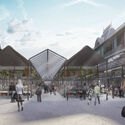
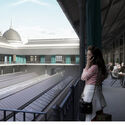
In this week's episode, Sara talks with architect Nuno Valentim about the rehabilitation of the Bolhão Market. Listen to the interview and read the transcript of the conversation below:


The International Union of Architects (UIA) has announced the UIA Gold Medal and Prizes winners. The UIA Gold Medal is awarded to Brazilian architect Paulo Mendes da Rocha, president of the 27th UIA World Congress of Architects — UIA2021RIO Honour Committee. The architect will also participate in a keynote speakers session programmed for July.
Paulo Mendes da Rocha, now 92 years old, has been honored with important awards, such as the Pritzker Prize in 2006, considered to be one of the world's premier architecture prizes, and the Venice Biennale Golden Lion for Lifetime Achievement, in 2016. Mendes da Rocha was the first Brazilian to be awarded this prize.

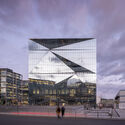
The German Design Awards are celebrating their tenth anniversary this year. The awards are going to mark this occasion by looking at the role of design and at the decade’s highlights.

Peru is home to a wide range of new cultural architecture. Strongly tied to the country’s megadiverse geography, Peru’s modern projects reinterpret past building techniques. Taking inspiration from the vernacular and varied landscapes, these contemporary buildings arise from long traditions rooted in ancient cultures and civilizations.


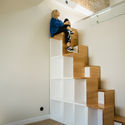

.jpg?1619525561 "The Green House / URBAstudios. Image: © João Morgado")

.jpg?1619525533)

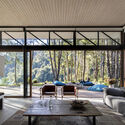

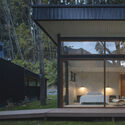

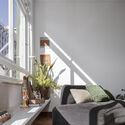










_Adolf_Bereuter.jpg?1621280254 "© Adolf Bereuter")
_Adolf_Bereuter.jpg?1621280091 "© Adolf Bereuter")
_Adolf_Bereuter.jpg?1621280169 "© Adolf Bereuter")
_Adolf_Bereuter.jpg?1621280089 "© Adolf Bereuter")
_Adolf_Bereuter.jpg?1621280011)