Manufacturers: AutoDesk, Adobe Systems Incorporated, Graniti Maurino, K. Winkler AG Holzbiegewerk, Kunstgiesserei St. Gallen, +3Tekima Exceptional Carpets, Trimble, Viabizzuno-3
Manufacturers: GRAPHISOFT, Gaggenau, Airlux, Bisazza, Brun del Re, +7Ceadesign, Egli Jona AG, Herbert Maeder AG, Huber Fenster AG, Hunziker AG, Truffer Natural Stones, Wood Rangers-7
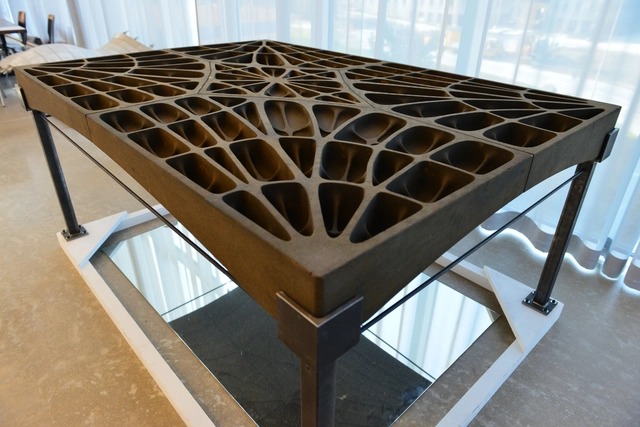
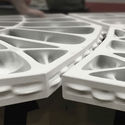
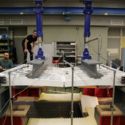
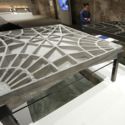
With the intention of maximizing available space and avoiding steep construction costs, researchers from ETH Zurich’s Department of Architecture have devised a concretefloor slab that with a thickness of a mere 2cm, remains load bearing and simultaneously sustainable. Inspired by the construction of Catalan vaults, this new floor system swaps reinforced steel bars for narrow vertical ribs, thus significantly reducing the weight of construction and ensuring stability to counter uneven distributions on its surface.
As opposed to traditional concretefloors that are evidently flat, these slabs are designed to arch to support major loads, reminiscent of the vaulted ceilings found in Gothiccathedrals. Without the need for steel reinforcing and with less concrete, the production of CO2 is minimized and the resulting 2cm floors are 70% lighter than their typical concrete counterparts.
https://www.archdaily.com/869192/gothic-construction-techniques-inspire-eth-zurichs-lightweight-concrete-floor-slabsOsman Bari
The Centre Le Corbusier, the final project of renowned architect Le Corbusier, has reopened to the public in Zurich following an extensive renovation. Completed in 1967, the scheme is only of the only Le Corbusier buildings to be constructed almost entirely from glass and steel: realizing his concept of the synthesis of architecture, life, and art in real life.
For ten consecutive years, Vienna ranks first in the Mercer survey on cities with the best quality of life in the world. In this edition to the global ranking, eight Western European cities join the top ten, even when "trade tensions and populist undercurrents continue to dominate the global economic climate", as Mercer points out in its report.







.jpg?1559132289&format=webp&width=640&height=580)

_Vienna_Tourist_Board_Christian_Stemper.jpg?1554392750&format=webp&width=640&height=580)










-2.jpg?1559132060 "© Paul Clemence")
-2.jpg?1559132035 "© Paul Clemence")
.jpg?1559132098 "© Paul Clemence")
-3.jpg?1559132228 "© Paul Clemence")
.jpg?1559132289)