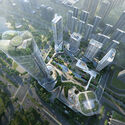
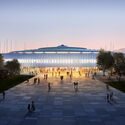
West Bund Orbit. Image Courtesy of Heatherwick Studio
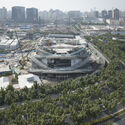
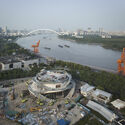
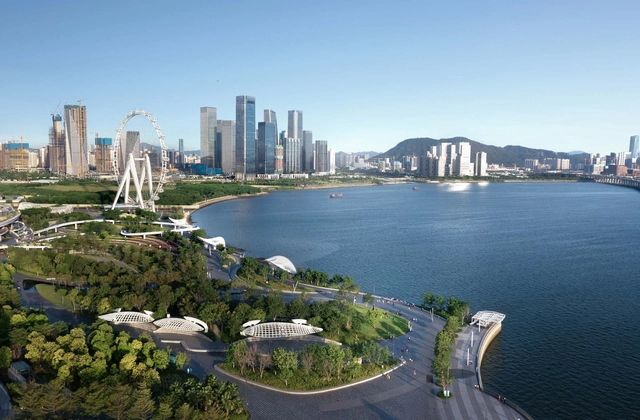
Heatherwick Studio has unveiled the design of an exhibition hall situated on Shanghai's emerging West Bund waterfront, in China. Known as the 'West Bund Orbit,' this building will be the focal point of the new Financial Hub in the Xuhui District. Set to become a prominent landmark along the Huangpu riverside, the project is a pivotal public space for passersby, welcoming visitors to its cultural design program.
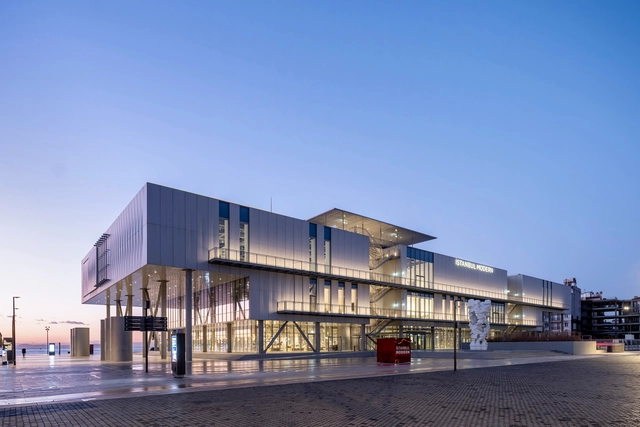
Designed by Renzo Piano Building Workshop, a new building for Istanbul Modern, Türkiye’s first museum of modern and contemporary art, will open to the public on May 4th, 2023. The official opening ceremony of the museum is set to take place at a later date. The museum, measuring over 10,500 square meters, is located on the Karaköy waterfront, a historic district at the intersection of the Bosphorus and Golden Horn. The new building offers spaces for temporary exhibitions, interdisciplinary educational programs, film screenings, and an extensive art collection.
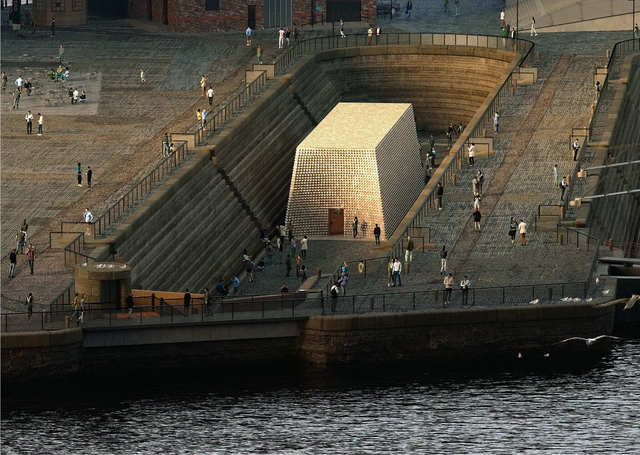
National Museums Liverpool (NML) has revealed a revised version of the redevelopment of the city’s waterfront, led by architect Asif Khan and artist Theaster Gates. The plans include the redesign of the public spaces at Canning Dock, a historical area central to the Liverpool docks. As part of the Waterfront Transformation Project, the interventions aim to create accessible public spaces to better serve the community and to create a link between the surrounding museums. The preliminary proposal is now open for public consultation.
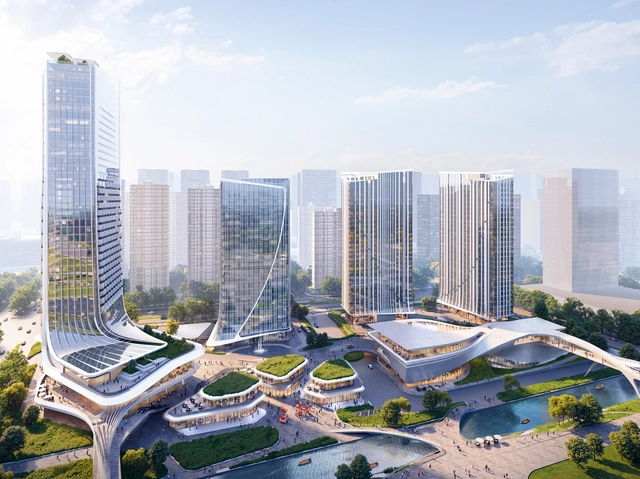
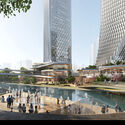
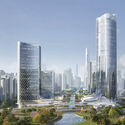
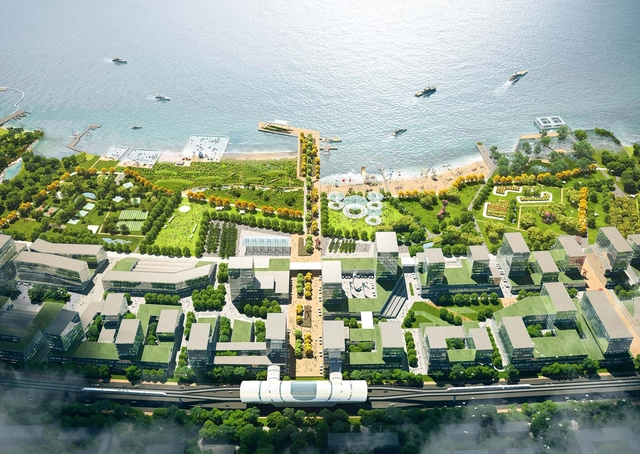
Nanjing K.Wah G72 / UNStudio. Image Courtesy of K.Wah
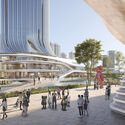
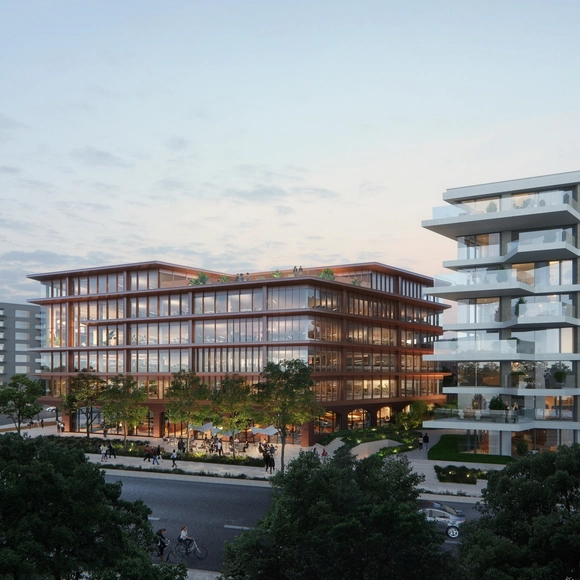
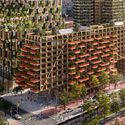
UNStudio has been commissioned to create a human-centric mixed-use destination on the waterfront of Nanjing, China. Developed by K.Wah Group, the new complex aims to enhance the working-living environment for the local community while contributing as a hub for culture and finance. The project, set along the central axis of the Hexi New District, introduces high-rise office towers, commercial and cultural functions, two serviced apartment buildings, a headquarters tower, a hotel, and various public amenities.
Larnaca Masterplan. Image Courtesy of Foster + Partners
Foster + Partners, working in collaboration with Petrolina Group, has revealed the design of a new master plan to transform the seafront of Larnaca, Cyprus, into a sustainable and enjoyable area for the city residents, future generations, and new visitors. The resort town of Larnaca aims to redesign one of its main arteries, the Larnaca-Dhekelia Road, to become more pedestrian-friendly, along with its seafront. Foster’s proposal aims to enhance the land’s ecological value and to double the length of the waterfront accessible to the public.
This week, the Museum of Modern Art officially launches a new series of exhibitions entitled Architecture Now. According to MoMA, “The first iteration of the series, New York, New Publics, will explore the ways in which New York City–based practices have been actively expanding the relationship of metropolitan architecture to different publics through 12 recently completed projects.”
The exhibition will showcase public-facing work, such as parks, community gardens, and pools, by Adjaye Associates, Agency—Agency and Chris Woebken, CO Adaptive, James Corner Field Operations, Kinfolk Foundation, nArchitects, New Affiliates and Samuel Stewart-Halevy, Olalekan Jeyifous, Only If, PetersonRich Office, SO – IL, and SWA/Balsley and Weiss/Manfredi.
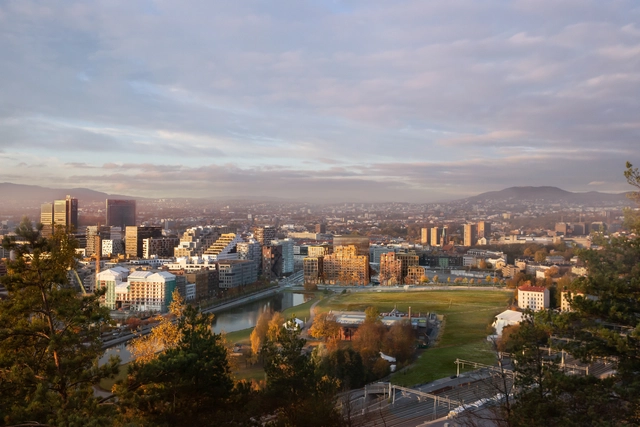
Norwegian architecture offices A-lab and LPO revealed the plan to develop the last remaining plot in Bispevika, part of the Fjord City, a large-scale waterfront urban renewal project in the center of Oslo, Norway. The intervention strengthens the connection between the historic medieval city of Oslo to the new Fjord City while also introducing cultural, creative, and commercial activities to the area. The project comprises five buildings forming a quarter. The proposed massing and height take a contextual approach as they are reduced toward important local monuments such as the baroque residence “Ladegården” with its baroque garden “Barokkhagen." The project is developed by Oslo S Utvikling (OSU), the same client behind the Barcode project, and in collaboration with landscape architects SLA.
SAARET. Image Courtesy of White Arkitekter and K2S Architects
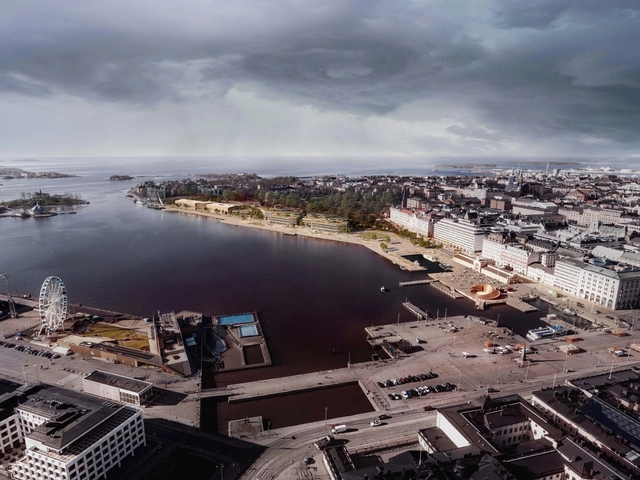
The city of Helsinki has announced White Arkitekter and K2S Architects as the winners of the competition to design a new waterfront cultural destination in the Makasiiniranta area of Helsinki’s South Harbor. The redevelopment includes the site of a New Museum of Architecture and Design. Titled ‘Saaret,’ which translates to ‘The Islands,’ the proposal aims to create a well-integrated development that brings together cultural and sustainable environments. It also promises to improve the area’s microclimate and create bio-diverse habitats by using the space available on the rooftops to add beehives, vegetable and herb gardens.
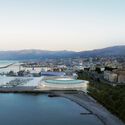
First drafted by Renzo Piano and developed by RPBW and OBR, the Waterfront di Levante is a project that aims to transform what was previously the back of a port into a new urban front on the sea. The development is planned to become a new landmark on the seafront of Genoa, Italy, by bringing new urban and port functions, both public and private, to an underutilized area. By controlling the built-to-open area ratio, it also seeks to enhance the connection between the city and the sea. The project introduces functions such as the new Urban Park, a new dock, residences, offices, student housing, retail facilities, apart-hotels, and a new sports hall.
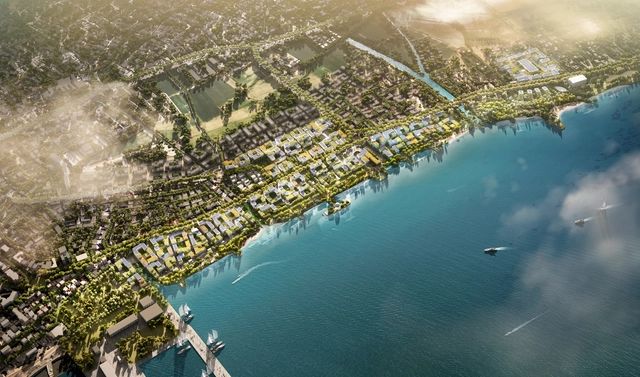
KCAP won the design competition for the Coastline of Yantai, Shandong Province, south of Beijing. As one of China's top 10 ports and a gateway city for communication between Japan and South Korea, Yantai Seafront Garden will transform the underused coastal area into an influential economic and technological development zone in Northeast China. The conceptual proposal was selected by its vision of 4 stages along the 95km of waterfront, including water conservation zones, a "sponge city" community, and a resident tidal shoreline.
Powerhouse Company has revealed a new design for THIS., a new mixed-use development in Amsterdam’s North District. Overlooking the waterfront of the IJ river, the complex offers the necessary amenities for both working and living in an area close to the city center. The ensemble includes a new office building, two waterfront private sector residential buildings, and two social housing blocks containing a total of 2017 homes. A Hidden Garden, designed by Delva Landscape Architecture and Urbanism, connects the residential and office buildings, creating a space for leisure and social activities.
Coastal cities have always been a point of attraction for residents, tourists, and businesses. Alongside the aesthetic features, their proximity to the sea has made these cities a focal point for maritime transportation with the construction of ports, as well as hotspots for recreational and aquacultural activities. However, the past decades saw these particular regions threatened with a shortened lifespan; rising water levels, floods, and recurring cyclones, along with other natural disasters, have endangered coastal communities, putting their population, ecosystem, and built environment at risk.
A consortium comprising developers Dream Unlimited and Great Gulf together with lead architects Alison Brooks Architects, Adjaye Associates, Henning Larsen and landscape design practice SLA were selected to develop Toronto's Quayside into a new neighbourhood containing affordable housing, robust public spaces and new business opportunities. The design for the 4.9 hectares site on Toronto's waterfront proposes over 800 affordable housing units, together with an 8,000 square-metres forested green space and an urban farm, accompanied by arts venues and flexible educational spaces.
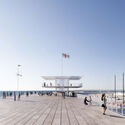
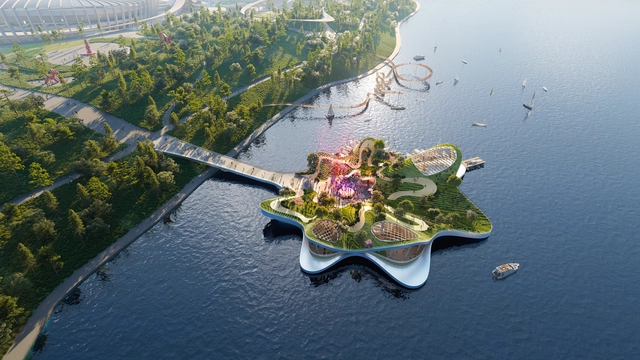
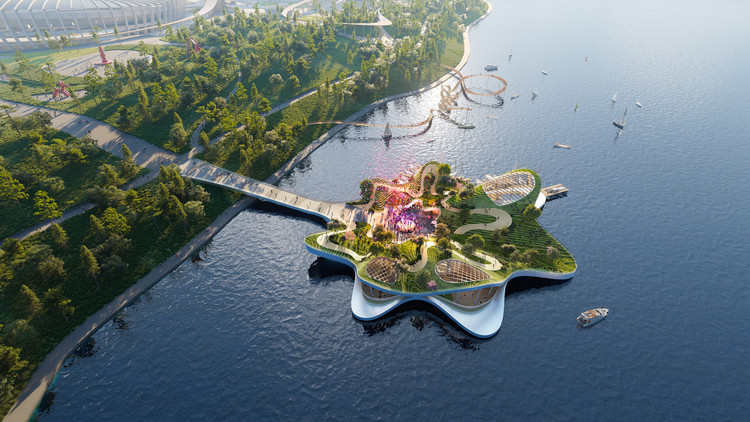
Following the Seoul Metropolitan Government's announcement of reviving and expanding the city's Olympic Jamsil Sports–MICE Complex, Heatherwick Studio has proposed a dynamic multi-leveled pier that promotes notions of "community spirit, activity, equality, play, and togetherness". Titled The Leaf, the project will feature plant-covered platforms built on the Han River, and will offer visitors recreational and cultural spaces across a floating platform.
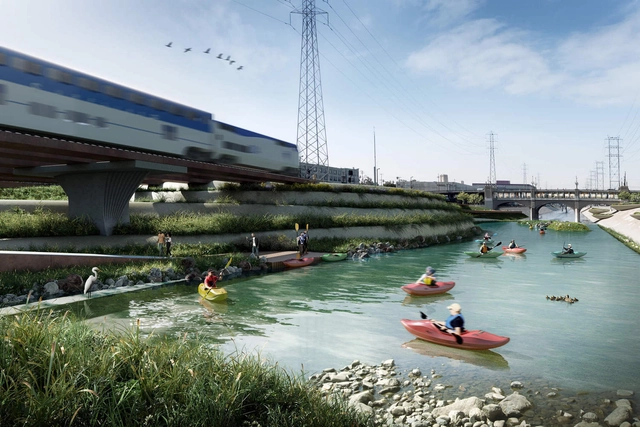
Studio-MLA is adopting lessons learned from their Los Angeles River design project design, shown here, to the River-Side Gateway master plan. Image Courtesy of Studio-MLA
Following a lengthy search, the California city of Riverside and its Parks, Recreation, and Community Services Department have selected Studio-MLA as the lead designer of the River-Side Gateway Project Suite, a string of nine sites along a seven-mile stretch of the Santa Ana River. Funded by the California Coastal Conservancy, the search committee sought a design team that could best revitalize the open spaces and trails along the northern edge of Riverside, the largest city in the Inland Empire region of California with a population of over 300,000.
Sou Fujimoto. Image Courtesy of Sou Fujimoto Architects
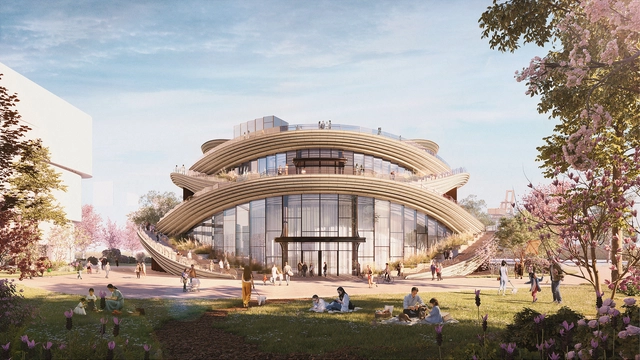
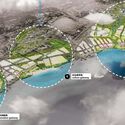
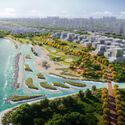
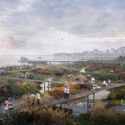
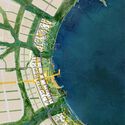
After MAD’s Wormhole Library, the city of Haikou revealed a pavilion by Sou Fujimoto Architects. Scheduled for the end of spring, the ribbon-like white pavilion with an accessible roof will be one of the first public waterfront interventions to be completed in the spring of 2021. Shaping the future of Haikou city and Hainan Free Trade Port, the master plan of 16 permanent destinations re-imagines the future of coastal living.
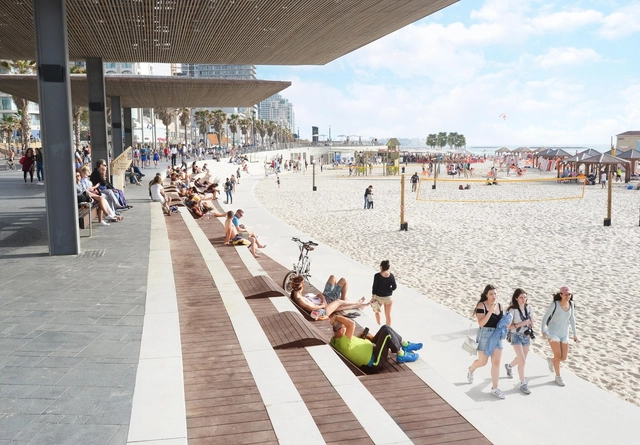
The area surrounding a river, lake, lagoon or sea coast acts as a transition zone between water and land. Therefore, turning the water banks into dynamic and appealing public spaces helps to establish a certain balance between the stiffness of the built environment and the fluidity of water.
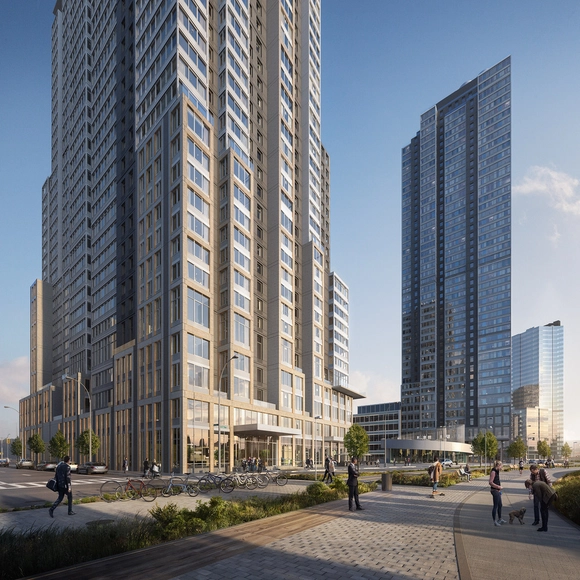
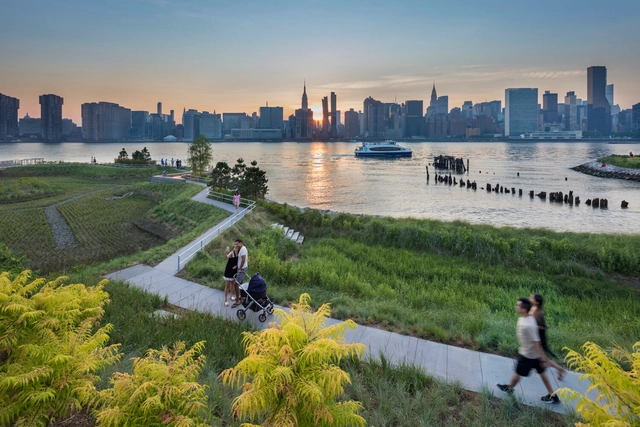
ODA-Designed Hunter’s Point South, the newest development by TF Cornerstone, and the largest affordable housing project in NYC has launched its housing lottery. The master-planned, mixed-use and mixed-income community, park, school, and playground, situated along the East River in Long Island City, Queens, the first of its kind to hit the market since COVID-19, brings 1,194 rental units and a new park to Long Island City waterfront.





















.jpg?1613464686&format=webp&width=640&height=580)
.jpg?1613464615 "Sou Fujimoto. Image Courtesy of Sou Fujimoto Architects")
.jpg?1613464611 "Sou Fujimoto. Image Courtesy of Sou Fujimoto Architects")
.jpg?1613465267 "MAD- Wormhole Library. Image © SAN")
.jpg?1613465249 "MAD- Wormhole Library. Image © SAN")
.jpg?1613464686)