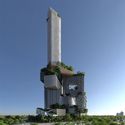
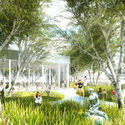
Can architecture and design reverse climate change? Architect and founding partner of Stefano Boeri Architetti (SBA), Stefano Boeri believes it can. Boeri’s Vertical Forest, a project which marries the natural and urban spheres through biodiversity and reforestation, has already come to fruition in Milan, is currently under construction in Beijing, and soon to be constructed in Shanghai. (Watch the video to learn more about Boeri’s Vertical Forest projects.)
We'd like to discuss this common critique. The point of the role of visualizations in our communication is relevant but, even though we fully understand where the criticism comes from, arguments such as these are in our opinion not correct.
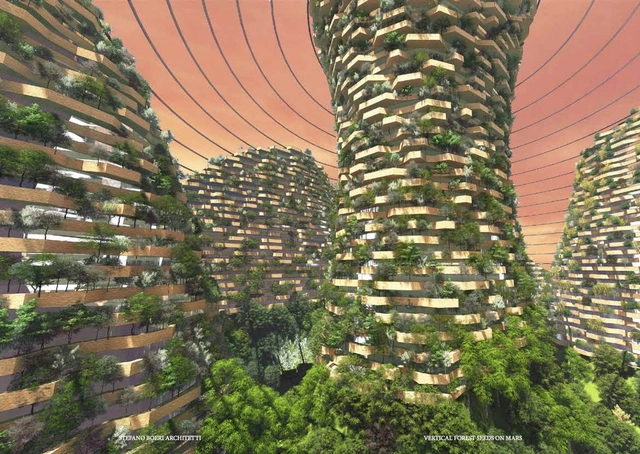
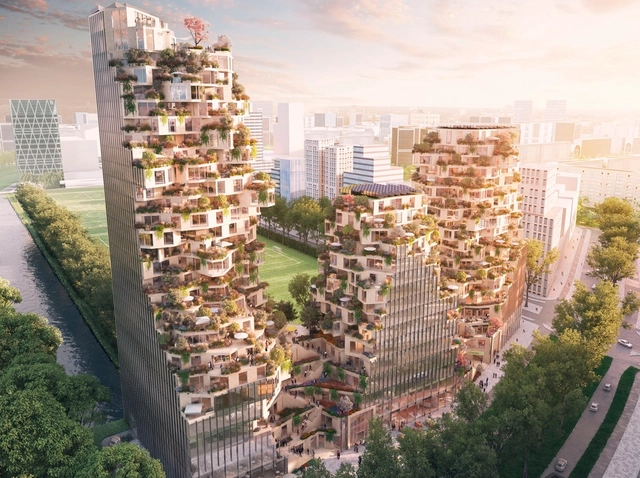
Scheduled for completion later this year, Bosco Verticale, by Boeri Studio, will be the world’s first vertical forest. The project’s inspired many supporters, but also many detractors. Speaking to its controversiality, Lloyd Alter, the architect, sustainable design enthusiast, and managing editor of Treehugger, called it “the rendering that launched a thousand blog posts.”
And perhaps no blogger caused more stir in the architecture community than Tim De Chant, who implored “can we please stop putting trees on skyscrapers”? De Chant’s article set off a maelstrom of comments from ArchDaily users, who vigorously debated both for and against the idea of putting trees on buildings.
To get to the bottom of this, we talked with Lloyd Alter himself about vertical forests and the real challenges and benefits they present. Lloyd is a regular contributor to Inhabitat, The Huffington Post and numerous other publications; he also teaches at Ryerson University School of Interior Design. Read on for Lloyd’s take on this controversial trend, after the break.

_Rob_'t_Hart.jpg?1456927640 "The 5th-floor forest at MVRDV's EXPO 2000 Dutch pavilion, photographed during the expo in 2000. Image © Rob't Hart")