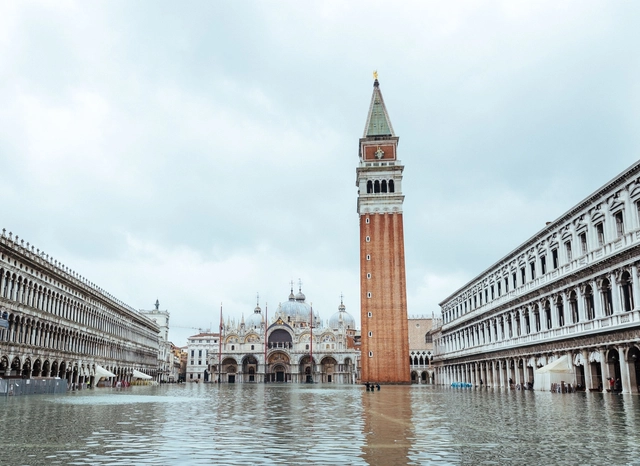
Throughout November 2019, Venice has been inundated with the city's worst floods in half a century. Photographs and videos spread across the world showing the city’s iconic St Mark’s Square underwater, with a 2-meter-high surge threatening irreparable damage to historic sites such as Saint Mark’s Basilica. While the city has been battling rising water levels since the 5th century, the recent floods, set against the context of climate change, have spurred debate about how coastal cities are vulnerable to rising sea levels, and how the damage can be mitigated against.
Carnets. Architecture is Just a Pretext book cover. Credits: Carnets, M-L-XL
Carnets. Architecture Is Just a Pretext is a publication that resumes a large research about the state of the art of young Architecture practices in Europe. The work, dealing with architectural practices through a biographic approach, is addressing to the new direction which profession is taking in Europe among young architects.
Carnets is a research project started two years ago by eight architecture students from IUAV University of Venice. The aim is to investigate the current landscape of Architecture in Europe, after the 2008 economical crisis, through interviews, talks, round tables and workshops. The protagonists of this research are 30
CA'ASI is organising an architectural competition to highlight the vitality and originality of young European architecture.
The best projects in this international competition, which is open to young architects from across Europe, will be exhibited at CA'ASI as part of the 17th International Architecture Biennale in Venice (May 23 to November 29, 2020). This competition represents a unique opportunity to showcase the important role contemporary European architecture plays in finding innovative solutions to improve living conditions on our fragile planet.
We have steered clear of prescribing a set theme in order to encourage new ideas to emerge, as it has been the
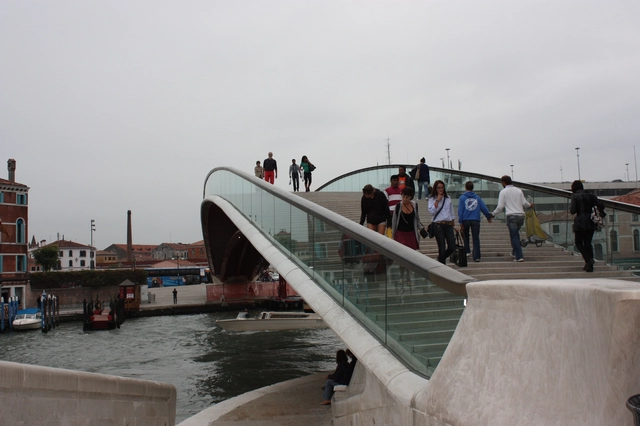
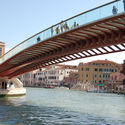
Spanish architect Santiago Calatrava was fined by the Court of Accounts of Venice to pay 78,000 euros for errors that increased the cost of the construction of the Constitution Bridge on the Grand Canal of Venice.
https://www.archdaily.com/923132/santiago-calatrava-receives-a-fine-for-negligence-on-his-bridge-in-veniceArchDaily Team
Courtesy of Dan Davison under the license CC BY 2.0
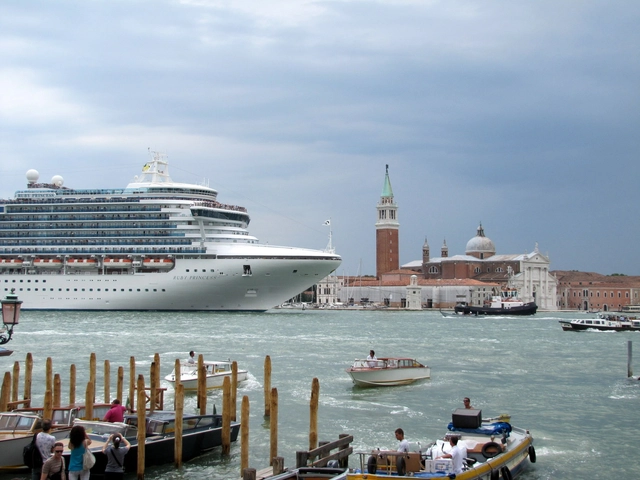
Starting September, all ships that exceed 1000 tonnes will be obliged to change their route, in order to prevent them from entering Venice’s lagoon. The Italian government took the decision after major protests due to many incidents, the latest being in June of 2019 where 5 people were injured from a collision between a cruise ship, the dock, and a small tourist boat.
Nothing is ordinary about the Italian city of Venice. Whether it is the vividly-colored architecture that dates back to Gothic and Byzantine eras, or the fact that the city is floating on water, culturally-rich Venice is an intriguing destination for people of all backgrounds and interests.
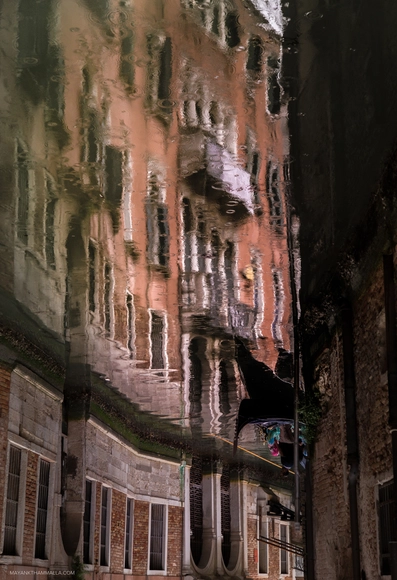
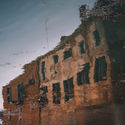
With every visit to Venice, London-based architect and photographer Mayank Thammalla found himself discovering new scenic views of the city, ones that are often tucked beneath its architecture. In his recent photographic series ‘Echoes of Venice’, Thammalla used the canal ripples as his canvas and displayed the deteriorating architecture of Venice from a unique, inverted perspective.
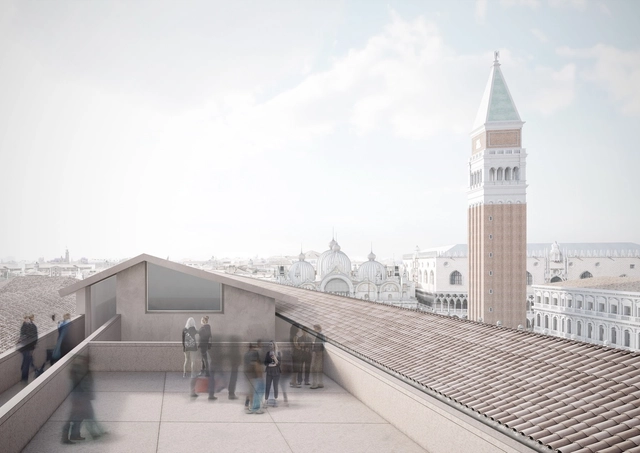
David Chipperfield Architects Milan’s renovation of the historic Procuratie Vecchie building in Venice is set to get underway, following a granting of permission by the Superintendency of Archaeology, Fine Arts and Landscape earlier this year. For the first time in 500 years, a large portion of the Procuratie Vecchie on the Piazza San Marco will be made accessible to the public to host activities of The Human Safety Net, supporting vulnerable communities.
The U.S. Department of State and the National Endowment for the Arts Design Program announce that the call for applications has been posted for the U.S. presentation at the 17th International Architecture Exhibition held in Venice, Italy, from May 23 to November 29, 2020. The Venice Architecture Biennale exhibition is the premier showcase for revolutionary ideas in contemporary architecture and design through national venues.
This call for applications is specifically for the exhibition at the U.S. Pavilion. The award amount is $325,000 (including $125,000 for pavilion management), with potential additional funding pending availability from the National Endowment for the Arts.
Courtesy of carriage trade, photo: Nicholas Knight.
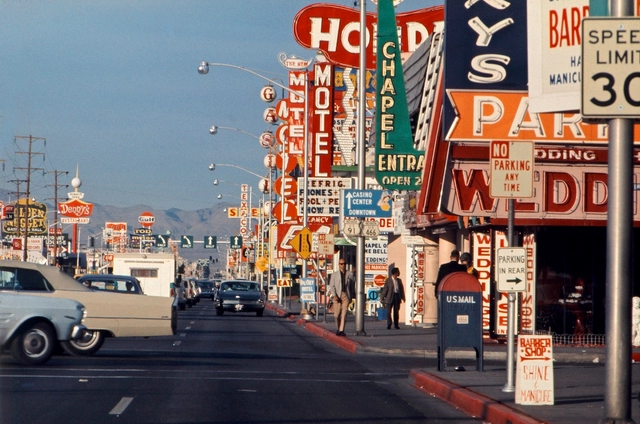
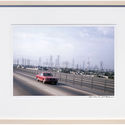
An exhibition has opened at New York’s Carriage Trade Gallery celebrating the photography of Denise Scott Brown, highlighting the significance of pop art in the American vernacular. The project was initiated by Scott Brown, and first exhibited in Venice in 2016, with the latest events in London and New York initiated by PLANE-SITE.
The exhibition, titled “Photographs 1956-1966” is co-curated by Andres Ramirez, with 10 photographs selected, curated, and featured for limited sale. As well as being on display at the Carriage Trade Gallery, a concurrent exhibition is taking place in the Window Galleries at Central Saint Martins, University of the Arts, London.
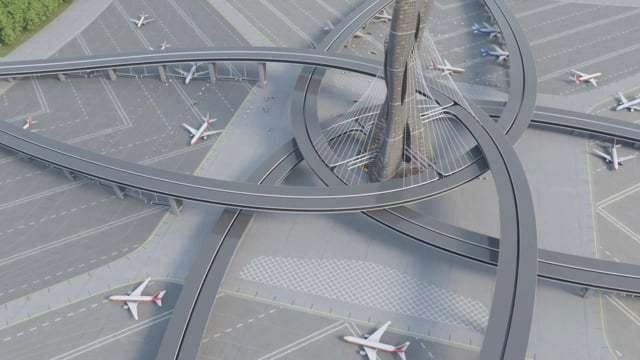
In the European Cultural Center’s biennial exhibition, students from North Carolina State University’s College of Design worked alongside Curtis Fentress, Ana-Maria Drughi, and Joshua Stephens of Fentress Architects to propose innovative concepts for reshaping air travel. PLANE—SITE’s latest film from their series of short videos of the Time-Space-Existence exhibition showcases this design collaboration.
Marghera City of Making: International Design Competition
The invited design competition aims to explore visions and urban schemes envisaging the re-articulation of manufacturing areas in the territory in-between Mestre and Marghera industrial area. In a condition of radical transformation of labor and productive activities, among the ones that are suitable for Marghera areas, some relevant processes seem to be more feasible and innovative. They consist of the increase of the level of digital content within enterprises, the profound innovation in the manufacturing sector, the inclusion within circular economy processes, the ever-increasing sharing of services and equipment that become places for urban sociality.
This article was originally published on August 15, 2016. To read the stories behind other celebrated architecture projects, visit our AD Classics section.
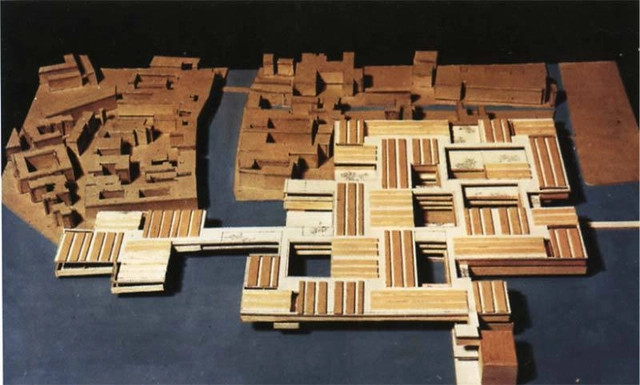
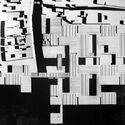
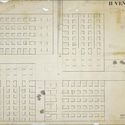
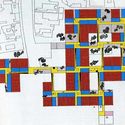
Le Corbusier made an indelible mark on Modernist architecture when he declared “une maison est une machine-à-habiter” (“a house is a machine for living”). His belief that architecture should be as efficient as machinery resulted in such proposals such as the Plan Voisin, a proposal to transform the Second Empire boulevards of Paris into a series of cruciform skyscrapers rising from a grid of freeways and open parks.[1] Not all of Le Corbusier’s concepts, however, were geared toward such radical urban transformation. His 1965 proposal for a hospital in Venice, Italy, was notable in its attempt at seeking aesthetic harmony with its unique surroundings: an attempt not to eradicate history, but to translate it.
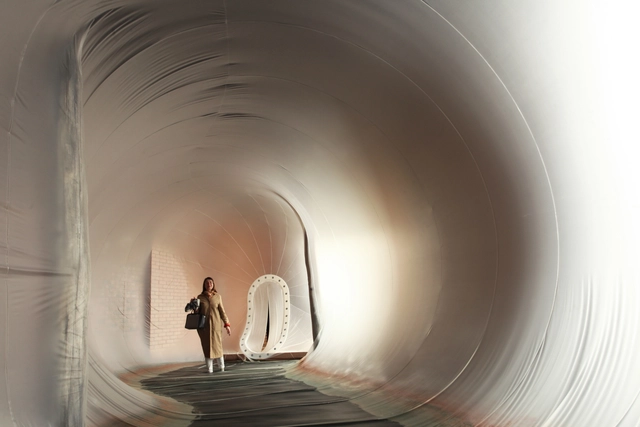
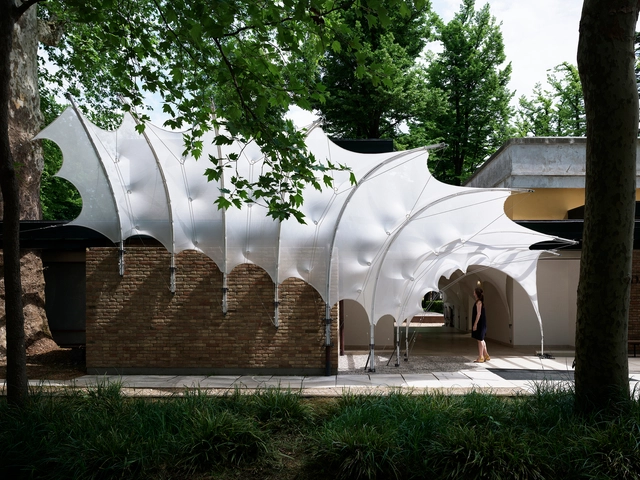
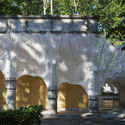
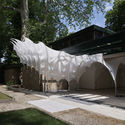
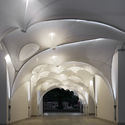
Architects: Center for Information Technology and Architecture : Mette Ramsgaard Thomsen, Martin Tamke, Yuliya Sinke Baranovskaya, Vasiliki Fragkia, Rune Noël Meedom Meldgaard Bjørnson-Langen, Sebastian Gatz
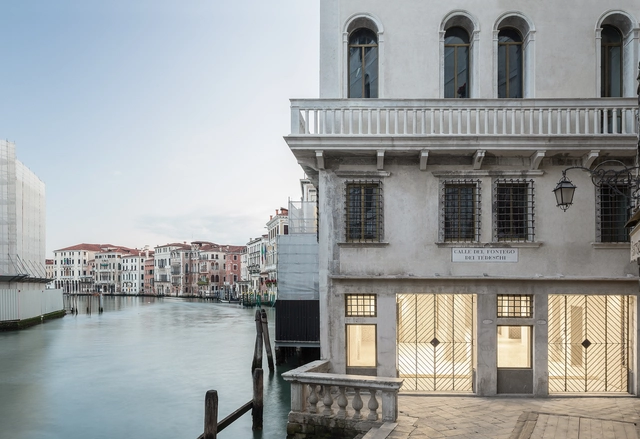
The history of Venice’s architecture, as seen today, is a semblance of styles centuries old. A destination rich in culture, many of Venice’s existing buildings, from homes alongside the thin interior canals to the grand domed churches of Palladio, have remained stagnant in their overall design and layout since the 16th century. Once a hub of Byzantine and European trade, the city now thrives on a steady stream of tourism and a foundational group of local residents.
The structures that make up the city’s compact matrix, once integral to its function as a commercial empire, have come to take on new functions through architectural intervention; notably, architects such as Carlo Scarpa, OMA, and Tadao Ando have had a large hand in this process.
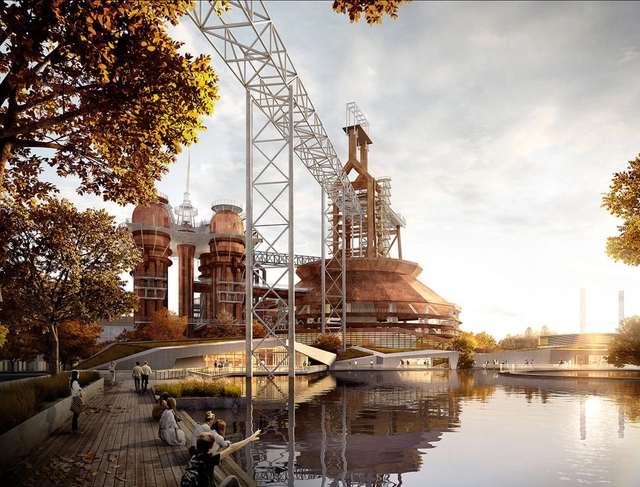
Across the world, developed cities are rebelling against heavy industry. While some reasons vary depending on local circumstances, a common global drive towards clean energy, and the shifting of developed economies towards financial services, automation, and the gig economy, is leaving a common trace within urban centers. From Beijing to Detroit, vast wastelands of steel and concrete will stand as empty relics to the age of steel and coal.
The question of what to do with these wastelands, with defunct furnaces, railways, chimneys, and lakes, may be one of the major urban questions facing generations of architects to come. What can be done when the impracticality of industrial complexes, and the precious land they needlessly occupy, collides with the embodied energy, memories, and histories which few would wish to lose?