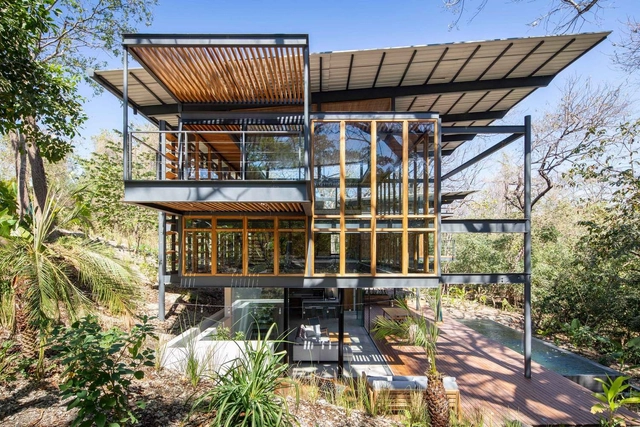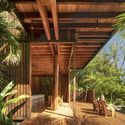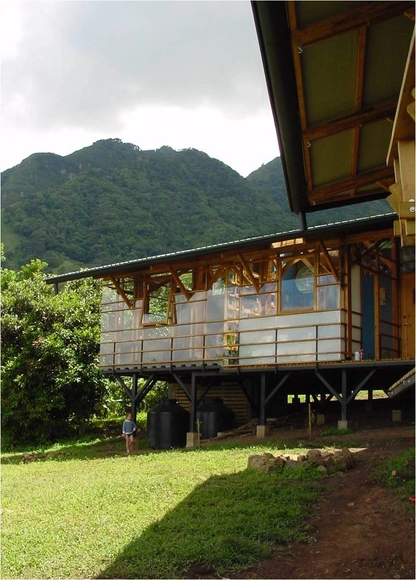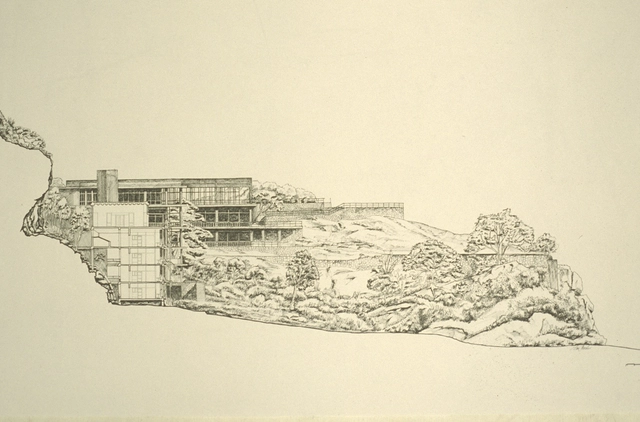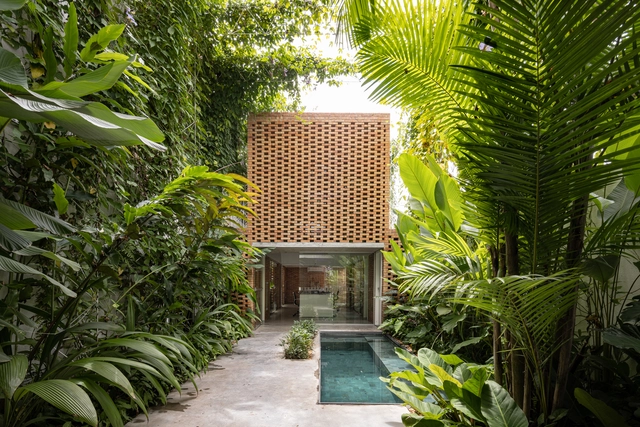
When we think of the word "tropic," the image that typically comes to mind is an exotic space, characterized by perpetual warmth and humidity, with frequent and heavy rainfall nurturing lush vegetation. Throughout history, this tropical climate has been romanticized as a paradise and criticized for potentially fostering weakness due to its perceived clemency.
Thankfully, those judgments and associations have been relegated to the past, paving the way for theoretical and practical projects that outline the advantages and disadvantages of living in a tropical climate. These projects acknowledge the various strategies to enhance human adaptability within these distinctive climatic conditions.
Bruno Stagno from Costa Rica not only reflects on how responses to the environment can be the main foundation for the inspiration and identity of architecture but also suggests going a step further, envisioning architecture for an entire latitude.
We discussed his current concerns and motivations, the shortcomings and necessary innovations in tropical cities, the relationship between academia and professional practice regarding the environment, and, above all, projections for the future of Costa Rican architecture.
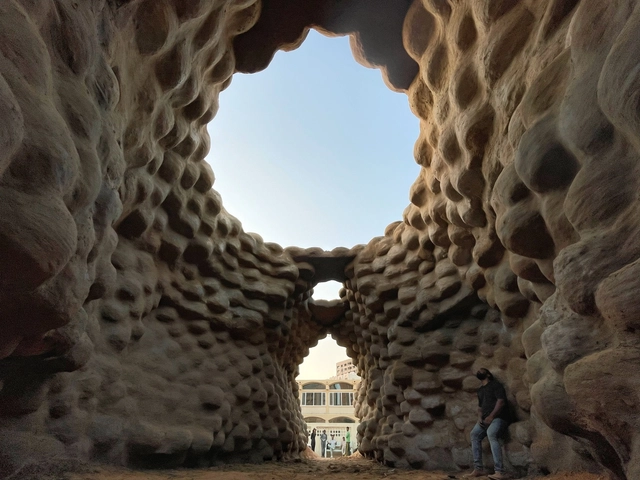
Architecture in the Global South often embodies a rich cultural heritage and craftsmanship, incorporating vibrant colors, intricate patterns, and symbolic elements. It also tackles the challenges faced by developing economies, such as limited resources, rapid urbanization, and social inequality, by promoting inclusive and community-driven design solutions. As installations and pavilions serve as radical templates for interrogating these architectural ideals and seeking innovative solutions, we present the top architectural installations as part of our year-in-review. They encompass curated exhibitions like the Venice Architecture Biennale, as well as permanent pavilion structures in specific contexts that delve into local materials, waste reuse, and the reinterpretation of historical narratives.
Tropical architecture, a term widely used in architectural discourse, lacks a consistent definition. The adjective ‘tropical’ relates to the zone between the Tropics of Cancer and Capricorn, which covers more than 40% of the earth’s surface. Heat is possibly the only shared characteristic of this belt. The tropical zone holds a range of climates from arid to wet, as well as a variety of geographic, social, and economic contexts. Unlike in temperate or arctic zones, a single umbrella term is used to describe the architecture of the tropics.
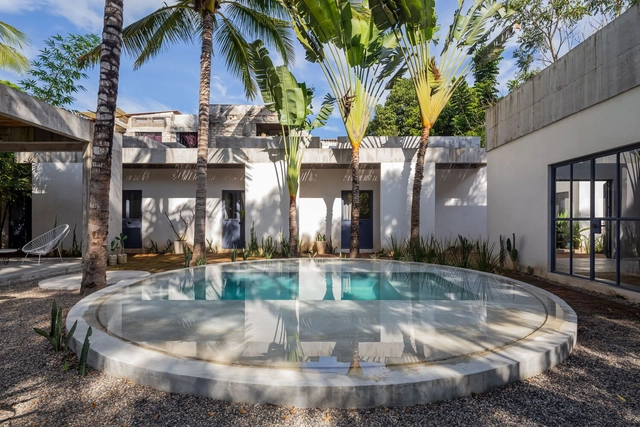
Sayulita is a small beach town in Nayarit, a state located in the western region of Mexico. It is a locality of about 3,390 inhabitants that has grown significantly in the last decade due to tourism, mainly from the United States and Canada, who are attracted by the landscapes and waves that have made it one of Mexico's main surfing destinations.
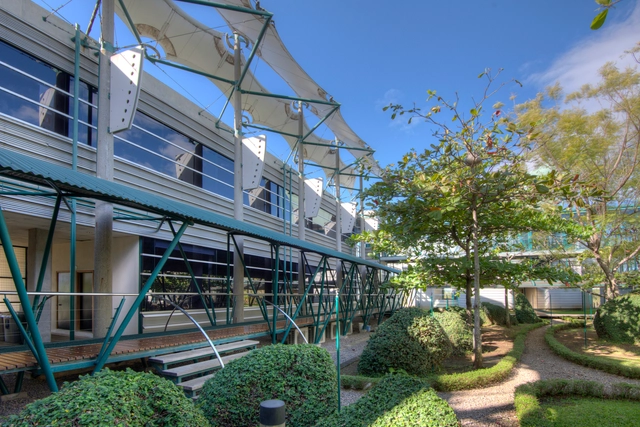
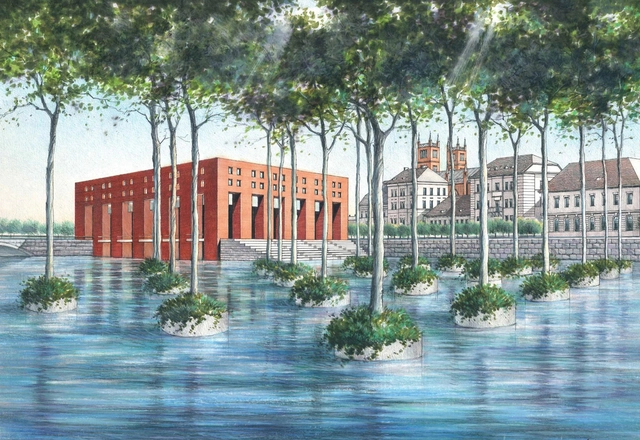
Perspectiva exterior por Nicolás Belcic. Image Cortesía de Bruno Stagno
From Costa Rica, architect Bruno Stagno not only reflects on how responses to the environment can be the main basis for inspiration and identity in architecture but also proposes going a little further, with contemporary tropical architecture for an entire latitude.
What happens when these limits are extended? What happens when these motivations escape outside of the tropical context? Bruno Stagno presents here the project "A Mangrove for Berlin", his participation in the 1995 competition for the Reconstruction of the Berlin Academy of Architecture, "Berliner Bauakademie", an emblematic work of the architect Friedrich Schinkel.
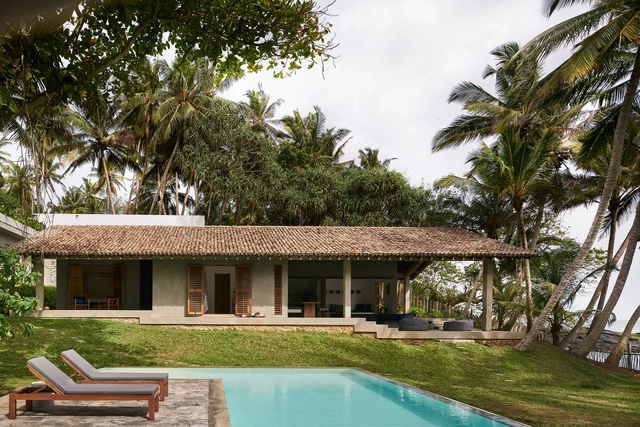
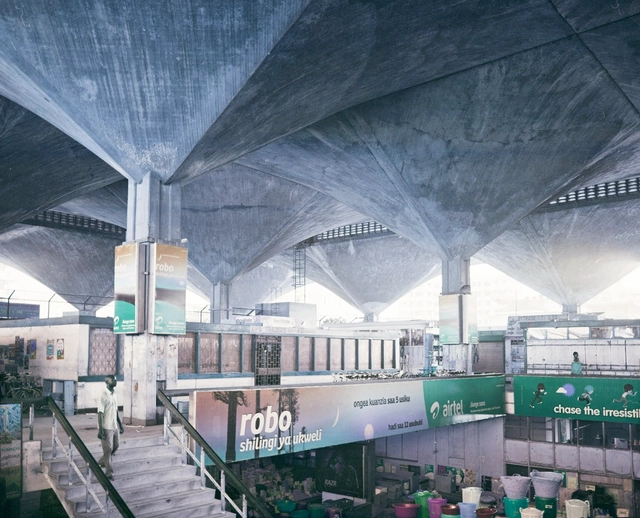
The legacy of the Modernist movement is a complicated one. Spanning a diverse assortment of fiercely debated sub-categories and styles, the Modernist style has established its presence in virtually every continent. Although the movement's origins may be rooted in Europe and the U.S., outside of the Eurocentric canon architects have redefined and re-established the definition of a "Modernist" building. In Sri Lanka, for example, architect Geoffrey Bawa's sensitive, nature-inspired architectural responses gave rise to the "Tropical Modernism" label. Over in the African continent, it is in the East-African country of Tanzania that some highly unique examples of Modernist architecture are found – headed by architects Anthony Almeida and Beda Amuli.
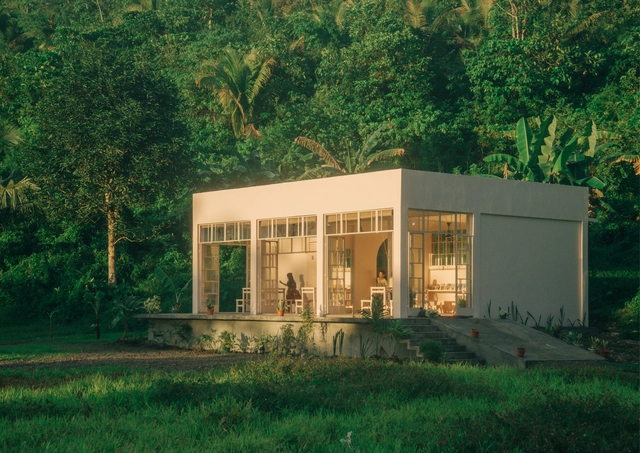
Children's Learning Center, Mas-in Village / Native Narrative. Image
Since the first civilizations, nature has been a fundamental pillar to serve humanity as a natural habitat, offering shelter, food, and medicine. In modern times, industrial and technological revolutions have taken over the landscape, reshaping the way humans interact with nature. However, today and due to the events that we have experienced as a society, it is necessary to focus on creating cities and spaces that integrate nature into everyday life.
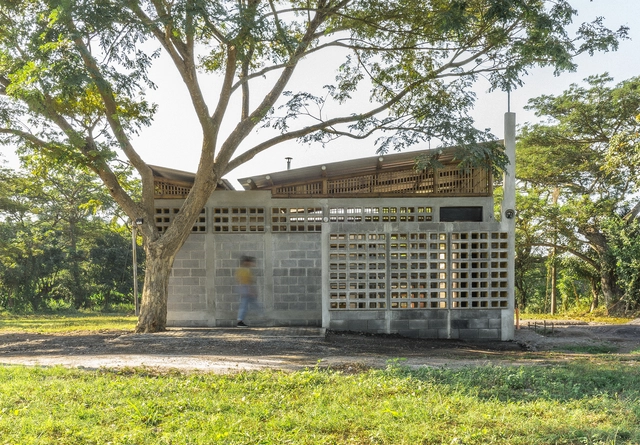
Plan B Guatemala / DEOC Arquitectos. Image Cortesía de DEOC Arquitectos
"Here in the tropics, it's the shade not the stove that refreshes and brings people together," says Bruno Stagno about tropical architecture.
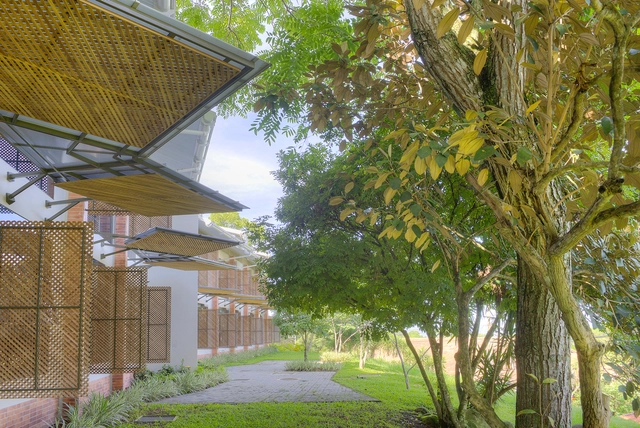
Guatemala ha estado construyendo su sombra a lo largo de los años. Nos encontramos con 3 ejemplos que proponen interesantes respuestas a este clima. Proyectos que materializan tanto grandes cubiertas con pendientes para dar sombra y evacuar el agua de lluvia con rapidez, como fachadas perforadas que permiten el ingreso de la brisa y la ventilación interior.