1. ArchDaily
  2. Tea House

Tea House: The Latest Architecture and News

Coffee or Tea: Third Places, Kiosks, and the Retail Architecture of Duration

Subscriber Access | 
Audio available

"Coffee or tea?" is one of those phrases that follows you across contexts: asked on airplanes, after a meal, in hotel lounges, and in meeting rooms. It sounds like a small question—mere preference, a quick fork in the service script. Yet it also carries a quiet cultural inheritance. Tea arrives with the long history of ritual and domestic pacing, tied to older geographies of trade and everyday etiquette. Coffee arrives with a different lineage of circulation, later industrialized into the modern café and its public-facing rituals. In both cases, the drink is never only a drink; it is a practiced relationship to time and space.

In contemporary East Asia, however, "coffee or tea" increasingly reads as something else: imperceptibly or subconsciously, it is becoming more of a choice about where you want to be. Each beverage now carries a spatial expectation. Coffee implies a room you can occupy—often a place to pause, work, meet, or cool down. Tea, despite being culturally pervasive, appears more diffusely across the city—sometimes as a dedicated destination, sometimes as a high-frequency kiosk, and very often as an embedded default within dining typologies. The result is that a question posed as taste has begun to operate as a subtle indicator of spatial preference: whether you are seeking duration or velocity, enclosure or flow, a third place or a quick node on the street.

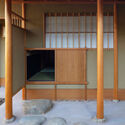
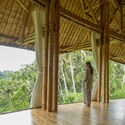
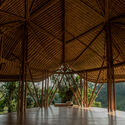
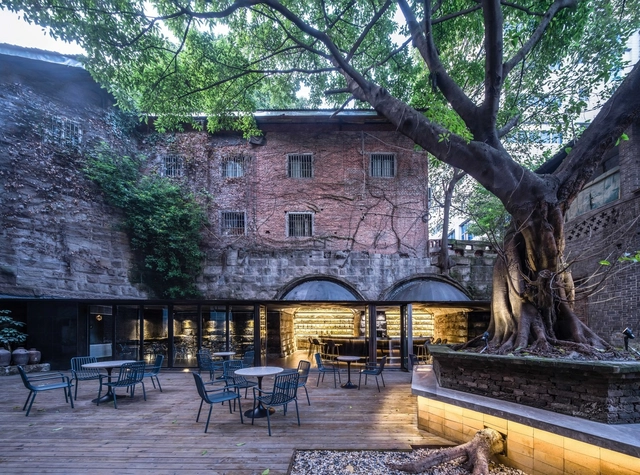
Coffee or Tea: Third Places, Kiosks, and the Retail Architecture of Duration  - Image 1 of 4Coffee or Tea: Third Places, Kiosks, and the Retail Architecture of Duration  - Image 2 of 4Coffee or Tea: Third Places, Kiosks, and the Retail Architecture of Duration  - Image 3 of 4Coffee or Tea: Third Places, Kiosks, and the Retail Architecture of Duration  - Image 4 of 4Coffee or Tea: Third Places, Kiosks, and the Retail Architecture of Duration  - More Images+ 28

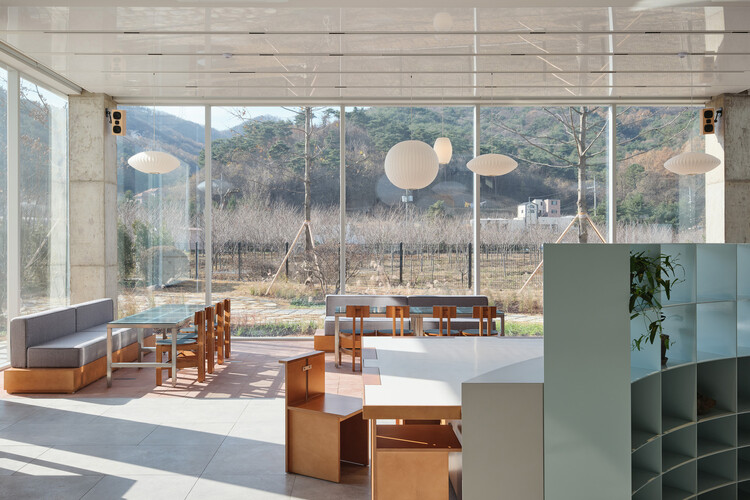
Kaomai Tea Barn / PAVA architects

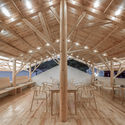
Kaomai Tea Barn / PAVA architects - Exterior Photography, Store, Garden, Facade, ForestKaomai Tea Barn / PAVA architects - Interior Photography, Store, Deck, Beam, Facade, Table, Lighting, ChairKaomai Tea Barn / PAVA architects - Interior Photography, Store, Facade, Table, LightingKaomai Tea Barn / PAVA architects - Exterior Photography, Store, ForestKaomai Tea Barn / PAVA architects - More Images+ 23

  • Architects: PAVA architects
  • Area Area of this architecture project Area:  210 m²
  • Year Completion year of this architecture project Year:  2022

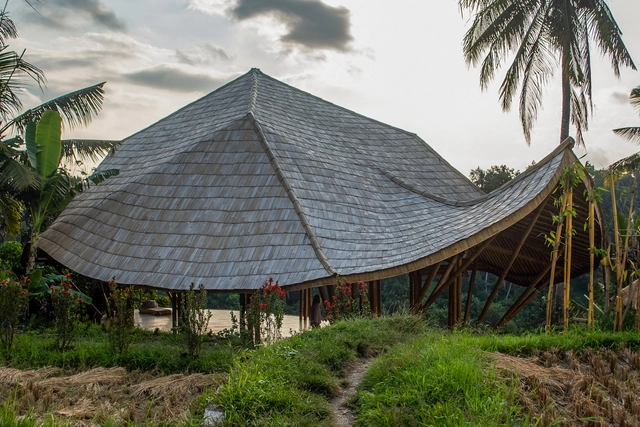
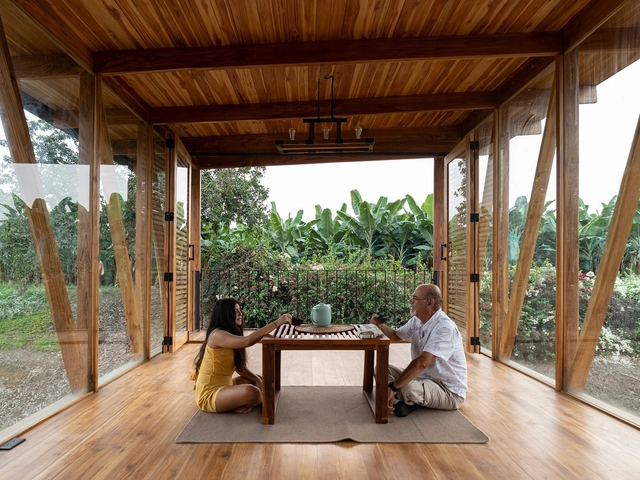
Tea House / Pablo Luna Studio

Tea House / Pablo Luna Studio - Interior Photography, PavilionTea House / Pablo Luna Studio - Interior Photography, Pavilion, Beam, FacadeTea House / Pablo Luna Studio - Interior Photography, PavilionTea House / Pablo Luna Studio - Exterior Photography, PavilionTea House / Pablo Luna Studio - More Images+ 16

  • Architects: Pablo Luna Studio
  • Area Area of this architecture project Area:  125 m²
  • Year Completion year of this architecture project Year:  2020

Cafes and Bars in China: Examining the Spatial Routine of Drinking

Subscriber Access | 

Both tea and alcohol in traditional China were similarly aestheticized, and both influenced the language of literature and art. People used to exchange alcohol as a gift in a way that they later would with tea. Today, more and more cities in China have embraced this drinking culture that passed down from generation to generation, and reinterpreted with a new contemporary fashion, which is constantly evolving in the urban cafes and bars.
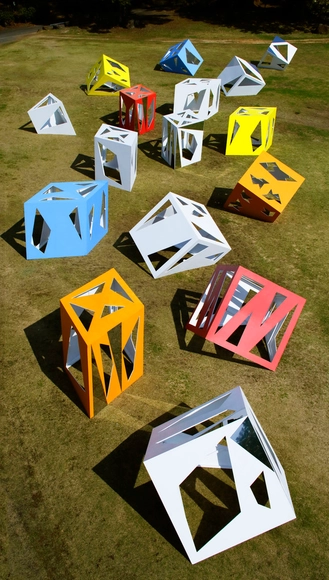
Teahouses: Reinterpretation of Traditional Spaces

Subscriber Access | 

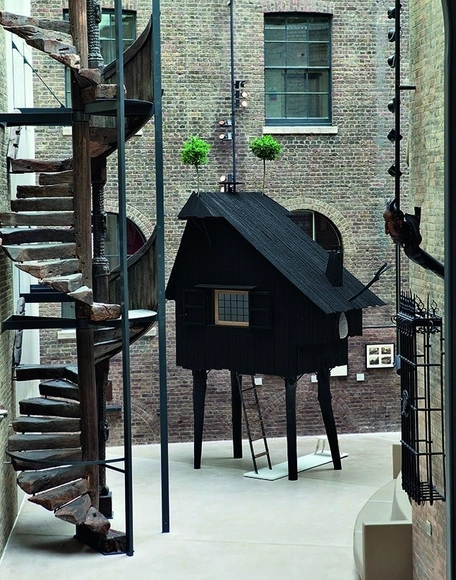
Chashitsu, which is the Japanese term for a teahouse or tea room is a construction specifically designed for holding the Tea Ceremony, a traditional Japanese ritual in which the host prepares and serves tea for guests. Teahouses are usually small, intimate wooden buildings, where every detail is intended to help withdraw the individual from the material disturbances of the world.

Terunobu Fujimori Discusses Freedom of Design in Traditional Settings

Terunobu Fujimori is a Japanese architect and leading historian of modern Japanese architecture acknowledged for his shift from traditional techniques. In a short video interview, he discusses his original understanding of a traditional Japanese building and his interpretation of the renowned Japanese teahouse.

Aware Tea / Yue-Design Space Design Studio

Aware Tea / Yue-Design Space Design Studio - StoreAware Tea / Yue-Design Space Design Studio - StoreAware Tea / Yue-Design Space Design Studio - StoreAware Tea / Yue-Design Space Design Studio - StoreAware Tea / Yue-Design Space Design Studio - More Images+ 17

•
Changzhou, China

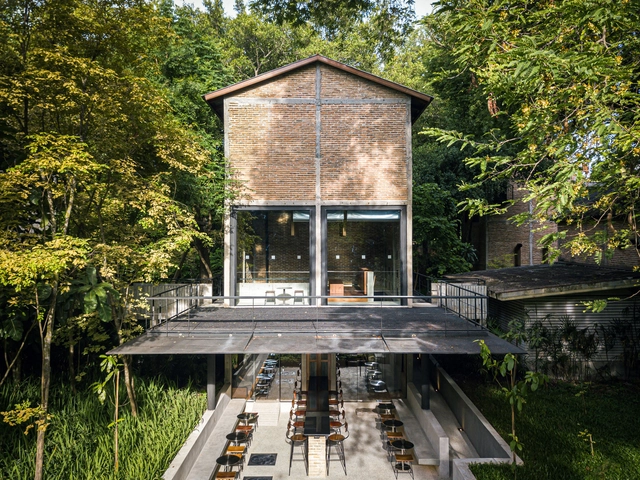
Twin Tea House / Hill Architecture

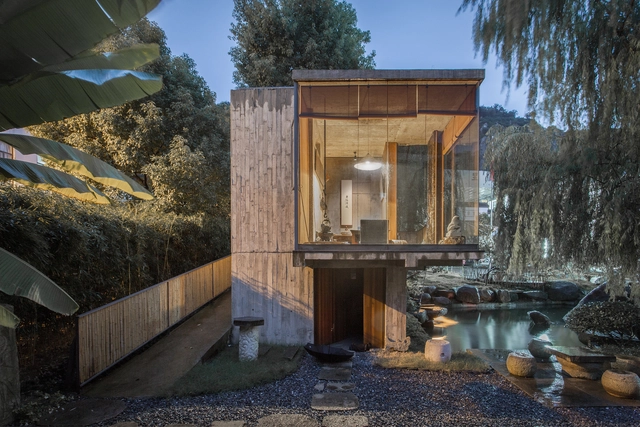
Twin Tea House / Hill Architecture - Store, Garden, Fence, Stairs, Handrail, ForestTwin Tea House / Hill Architecture - Store, Garden, Facade, HandrailTwin Tea House / Hill Architecture - Store, Kitchen, Beam, Door, Table, ChairTwin Tea House / Hill Architecture - Store, Garden, Door, FacadeTwin Tea House / Hill Architecture - More Images+ 26

•
Hangzhou, China
  • Architects: Hill Architecture
  • Area Area of this architecture project Area:  2040 m²
  • Year Completion year of this architecture project Year:  2016
  • Manufacturers Brands with products used in this architecture project
    Manufacturers:  SoLife

TEA MASTER / kooo architects

TEA MASTER / kooo architects - Store, Table, ChairTEA MASTER / kooo architects - Store, Arch, Table, ChairTEA MASTER / kooo architects - Store, TableTEA MASTER / kooo architects - Store, Table, Lighting, ChairTEA MASTER / kooo architects - More Images+ 14

•
Hangzhou, China
  • Architects: kooo architects
  • Area Area of this architecture project Area:  140 m²
  • Year Completion year of this architecture project Year:  2018
  • Manufacturers Brands with products used in this architecture project
    Manufacturers:  DuPont, Margraf Rupen

Moriyuki Ochiai Architects Designs Tea Houses Perfect for Stargazing

Japan-based Moriyuki Ochiai Architects have designed a cluster of tea rooms located in a rural area known as Bisei, in the Okayama Prefecture. This town is known as both the place where green tea was introduced to Japan and as a "sanctuary for stargazing", which inspired the firm's design to create a strong connection between the tea rooms and the surrounding scenery.

Sky Tea House / DC Design

Sky Tea House / DC Design - Grocery Store, Facade, Beam, HandrailSky Tea House / DC Design - Grocery Store, Facade, BeamSky Tea House / DC Design - Grocery Store, FacadeSky Tea House / DC Design - Grocery Store, Beam, Stairs, TableSky Tea House / DC Design - More Images+ 28

  • Architects: DC Design
  • Area Area of this architecture project Area:  200 m²
  • Year Completion year of this architecture project Year:  2018

Can Architecture Save China’s Rural Villages? DnA’s Xu Tiantian Thinks So

Subscriber Access | 
Can Architecture Save China’s Rural Villages? DnA’s Xu Tiantian Thinks So - Arch Daily Interviews
Bamboo Pavilion. Image © Zhou Ruogo

Travel seven hours by car in a Southwest direction from Shanghai and you will arrive in Songyang County. The name is unfamiliar to many Chinese people, and even more foreign to those living abroad. The county consists of about 400 villages, from Shicang to Damushan.

Here, undulating lush green terraces hug the sides of Songyin river valley, itself the one serpentine movement uniting the lands. Follow the river and you will see: here, a Brown Sugar Factory; there, a Bamboo Theatre; and on the other side, a stone Hakka Museum built recently but laid by methods so old, even the town masons had to learn these ways for the first time, as if they were modern methods, as if they were revolutionary.

And maybe they are. Songyang County, otherwise known as the “Last Hidden Land in Jiangnan,” may look like a traditional Chinese painting with craggy rock faces, rice fields and tea plantations, but it has also become a model example of rural renaissance. Beijing architect Xu Tiantian, of the firm DnA_Design and Architecture, has spent years surveying the villages of Songyang, talking to local County officials and residents, and coming up with what she calls “architectural acupunctures.”

Can Architecture Save China’s Rural Villages? DnA’s Xu Tiantian Thinks So - Arch Daily InterviewsCan Architecture Save China’s Rural Villages? DnA’s Xu Tiantian Thinks So - Arch Daily InterviewsCan Architecture Save China’s Rural Villages? DnA’s Xu Tiantian Thinks So - Arch Daily InterviewsCan Architecture Save China’s Rural Villages? DnA’s Xu Tiantian Thinks So - Arch Daily InterviewsCan Architecture Save China’s Rural Villages? DnA’s Xu Tiantian Thinks So - Arch Daily InterviewsCan Architecture Save China’s Rural Villages? DnA’s Xu Tiantian Thinks So - Arch Daily InterviewsCan Architecture Save China’s Rural Villages? DnA’s Xu Tiantian Thinks So - Arch Daily InterviewsCan Architecture Save China’s Rural Villages? DnA’s Xu Tiantian Thinks So - Arch Daily InterviewsCan Architecture Save China’s Rural Villages? DnA’s Xu Tiantian Thinks So - Arch Daily InterviewsCan Architecture Save China’s Rural Villages? DnA’s Xu Tiantian Thinks So - More Images+ 65

Qimen Black Tea House / Atelier Lai

Qimen Black Tea House / Atelier Lai - Cultural CenterQimen Black Tea House / Atelier Lai - Cultural CenterQimen Black Tea House / Atelier Lai - Cultural CenterQimen Black Tea House / Atelier Lai - Cultural CenterQimen Black Tea House / Atelier Lai - More Images+ 36

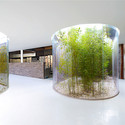
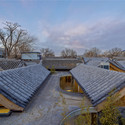
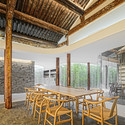
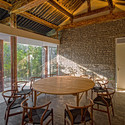
Tea House in Hutong / ARCHSTUDIO

Tea House in Hutong / ARCHSTUDIO - ExtensionTea House in Hutong / ARCHSTUDIO - ExtensionTea House in Hutong / ARCHSTUDIO - ExtensionTea House in Hutong / ARCHSTUDIO - ExtensionTea House in Hutong / ARCHSTUDIO - More Images+ 21

  • Architects: ARCHSTUDIO
  • Area Area of this architecture project Area:  450 m²
  • Year Completion year of this architecture project Year:  2015