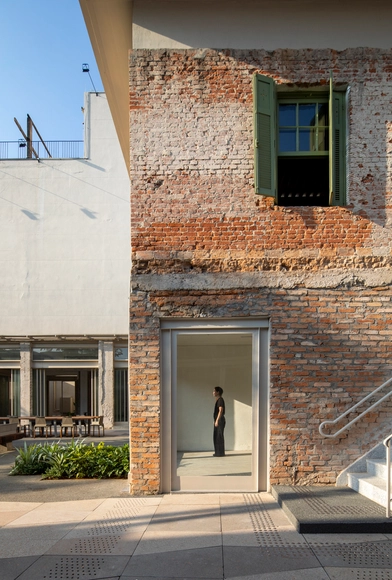
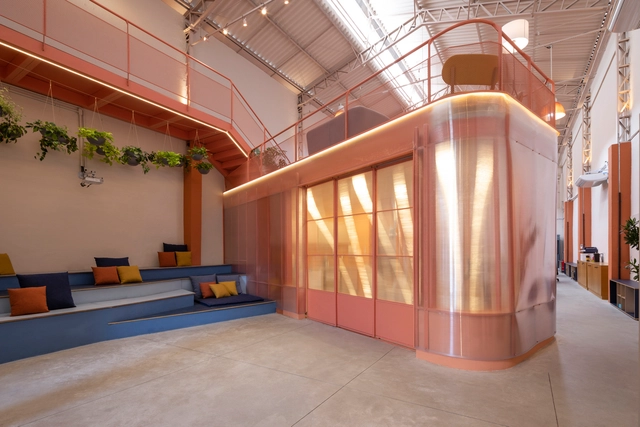
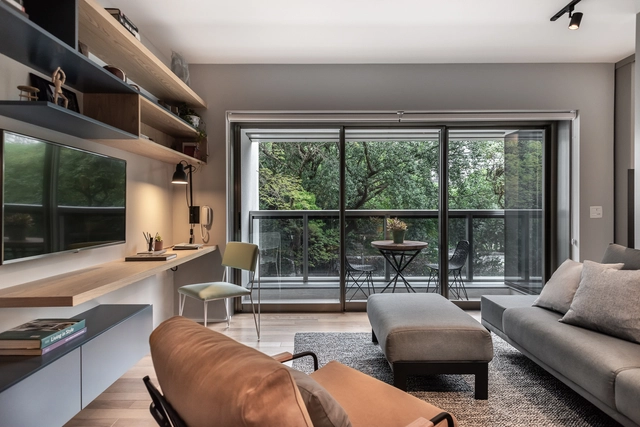
The relationship between architecture and gastronomy transcends the simple functionality of a dining space. It is a sensory symbiosis where the environment prepares the palate as much as the seasoning does. A dish's visual aesthetics can be understood through principles of volumetry, balance, contrast, and rhythm — concepts equally vital to architectural design. Likewise, restaurant architecture — its colors, lighting, and material choices — acts as an invisible ingredient that can elevate the dining experience or compromise the perception of flavor before the first bite. Both disciplines are dynamic and direct reflections of social behaviors and cultural trends that dictate how we occupy space and nourish our bodies.