1. ArchDaily
  2. Smart City

Smart City: The Latest Architecture and News

7 of MIT Labs' Best Ideas for Future Cities

Future cities have captured our imaginations for centuries. From Thomas F. Anderson’s 1900 vision for a Future Boston, through Le Corbusier’s 1924 Ville Radieuse, to modern ‘future-proof’ cities such as Songdo, South Korea, architects and town planners have considered how cities will respond to the movement of people, capital, technology, and ideas.

Today, groups such as the Senseable City Laboratory at MIT have been created with the goal of suggesting ideas for the city of tomorrow. Through a technique known as ‘Futurecraft’, the Senseable City Lab places the designer in a possible future environment and asks them to generate design proposals which could enhance daily life. As we are about to see, some of their ideas would make heads turn even in a galaxy far far away.

7 of MIT Labs' Best Ideas for Future Cities - Sustainability7 of MIT Labs' Best Ideas for Future Cities - Sustainability7 of MIT Labs' Best Ideas for Future Cities - Sustainability7 of MIT Labs' Best Ideas for Future Cities - Sustainability7 of MIT Labs' Best Ideas for Future Cities - More Images+ 30

Envisioning the City of the Future: Making the Invisible Visible

The international contest is open to students, graduates and experts and its aim is to imagine and design possible scenarios of the city of the future: How will smart and sharing cities look like in the future? How are these changes going to impact on people’s lives in cities?

Tirana 2030: Watch How Nature and Urbanism Will Co-Exist in the Albanian Capital

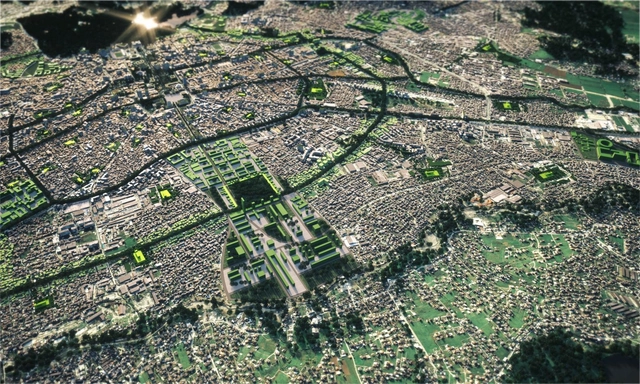
In 1925, Italian designer Armando Brasini created a sweeping masterplan to transform the Albanian capital city of Tirana. Almost one hundred years later, the Tirana 2030 (TR030) Local Plan by Italian firm Stefano Boeri Architetti has been approved by Tirana City Council. Collaborating with UNLAB and IND, Boeri seeks to define a new era in the country’s capital, incorporating controlled development, advanced infrastructure, green corridors, and an enhancement of the city’s architectural heritage.

Tirana 2030: Watch How Nature and Urbanism Will Co-Exist in the Albanian Capital - Image 1 of 4Tirana 2030: Watch How Nature and Urbanism Will Co-Exist in the Albanian Capital - Image 2 of 4Tirana 2030: Watch How Nature and Urbanism Will Co-Exist in the Albanian Capital - FacadeTirana 2030: Watch How Nature and Urbanism Will Co-Exist in the Albanian Capital - Image 4 of 4Tirana 2030: Watch How Nature and Urbanism Will Co-Exist in the Albanian Capital - More Images+ 14

Rahul Mahrotra Discusses the "Flawed" Notion of 'Smart Cities'

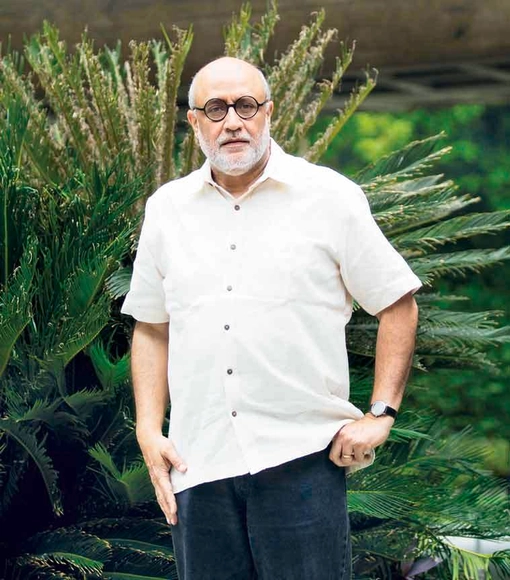
In an interview with The Indian Express, Rahul Mehrotra—conservationist, architect and author of Kumbh Mela: Mapping the Ephemeral MEGACITY—talks to Shiny Varghese about his belief that the current notion of a 'smart city' is about "blanket replication, [which] will result in gated communities and flattening of the city, driven by infrastructure and investment." He argues that this approach "will create a form of exclusion."

Could Smart Cities Slowly Destroy Democracy?

Could Smart Cities Slowly Destroy Democracy? - Image 1 of 4
Songdo, South Korea, was built along the "smart city" template. Image © Wikimedia User G43

Has the concept of the smart city "crystallised into an image of the city as a vast, efficient robot?" In the age of the "Internet of Things," where does the citizen fit in? In this article from The Guardian, journalist Steven Poole takes a critical stance against the purported utopian ideals of smart cities. Poole delves into the nuances of who the smart city is truly meant to serve, questions the debate over whether it should develop along a top-down or bottom-up approach, and poses the provocative thought: "a vast network of sensors amounting to millions of electronic ears, eyes and noses - also potentially enable(s) the future city to be a vast arena of perfect and permanent surveillance by whomever has access to the data feeds." Questions of control, virtual reality, free-will, and hierarchies of power, Poole asserts are critical to the discussion of technology's powerful role in the future. Read the full article to learn more about the possible potential of the smart city to "destroy democracy," here.

ArchDaily Celebrates World Cities Day: 23 Unmissable Articles on Cities and Urbanism

Last year the UN General Assembly issued a resolution to “designate 31 October, beginning in 2014, as World Cities Day.” A legacy of the Expo 2010 Shanghai, the first World Cities day is being hosted today in Shanghai, with the aim of focusing on global urbanization and encouraging cooperation among countries to solve and promote sustainable urban development worldwide.

“In a world where already over half the population lives in urban areas, the human future is largely an urban future, said UN Secretary-General Ban Ki-moon, on the importance of World Cities Day. “We must get urbanization right, which means reducing greenhouse emissions, strengthening resilience, ensuring basic services such as water and sanitation and designing safe public streets and spaces for all to share. Liveable cities are crucial not only for city-dwellers but also for providing solutions to some of the key aspects of sustainable development.”

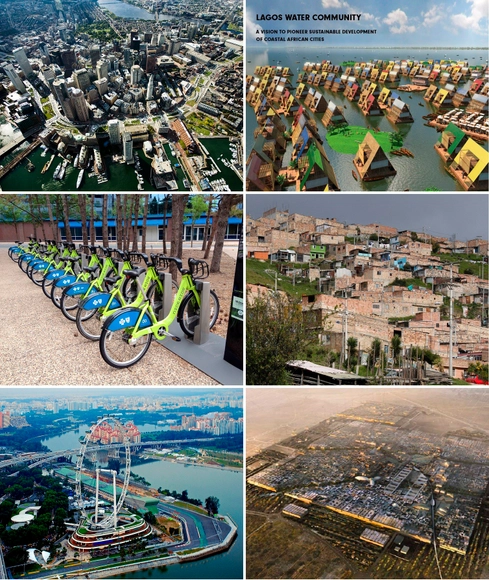
To celebrate World Cities day, we’ve rounded up 23 articles that you can’t miss on critical issues relating to our cities, ranging from sustainability to addressing equality and creative solutions for integrating cycling into our cities.

Think we’ve missed something? Let us know in the comments below.  

WAF Unveils 2014 Festival Program

With the World Architecture Festival (WAF) just around the corner, the festival's full program has been unveiled, featuring three days of fascinating talks, an impressive list of key-note speakers and networking opportunities.

"Architects and the City" is the overarching theme for this year’s main conference sessions, and the talks will focus on the contributions architects can make to cities and how they affect – and are affected by – politics, infrastructure, planning communities and technology. Conference talks include “Greening the urban landscape: strategies for environmental urbanism,” “Question time- is ‘iconic’ architecture out of control?" and “Connecting the city; regenerating communities.”

The festival also features an impressive line-up of key note speakers, including Rocco Yim of Rocco Design Associates who will speak on his involvement in the West Kowloon Cultural District, the largest arts and cultural project in Hong Kong to date, and Richard Rogers who will speak candidly about his life as one of the most influential global figures in architecture and his future agenda. Moshe Safdie will close the Festival, looking back over his extensive career to talk exclusively about the defining moments that shaped its path.

More WAF program highlights after the break...

Building Skin Developed That Could Cool Our Cities

Building Skin Developed That Could Cool Our Cities - Featured Image
© Harunori Noda

The urban heat island effect - the hot, overwhelming temperatures that a city's concrete produces - has a huge impact on livability and comfort within the city. Now, an elegant cooling system has been designed that not only reduces energy usage, but - should it be installed on multiple buildings - could even lower the overall temperature of a city itself. Learn more, after the break.

Subscriber Access

The Hudson Yards - New Development, "Smart" Development

The largest private project New York City has seen in over 100 years may also be the smartest. In a recent article on Engadget, Joseph Volpe explores the resilience of high-tech ideas such as clean energy and power during Sandy-style storms. With construction on the platform started, the Culture Shed awaiting approval, and Thomas Heatherwick designing a 75-Million dollar art piece and park – the private project is making incredible headway. But with the technology rapidly evolving, how do investors know the technology won't become obsolete before its even built?