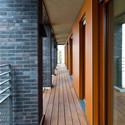
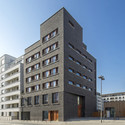
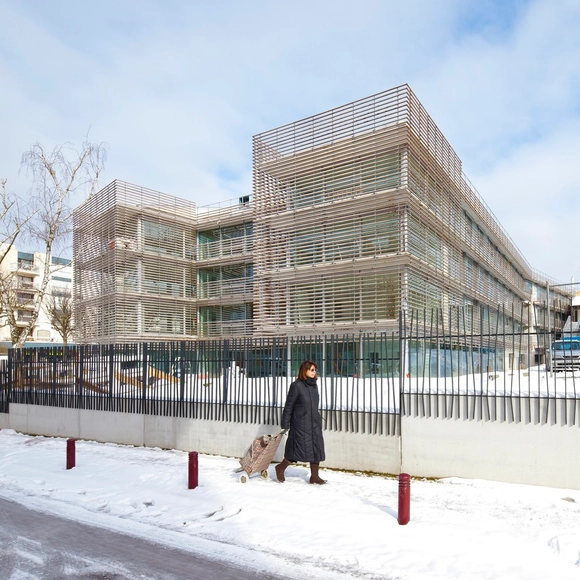
Stockholm-based Kjellander + Sjöberg Architects (K + S) has won first prize in a competition to design the “Skärvet” urban neighborhood in Växjö, Sweden. A starting point for Bäckaslöv, a long term vision for a sustainable community by developer Skanska, the new neighborhood will take shape along the railway line connecting Växjö to Norra Bergundasjon.
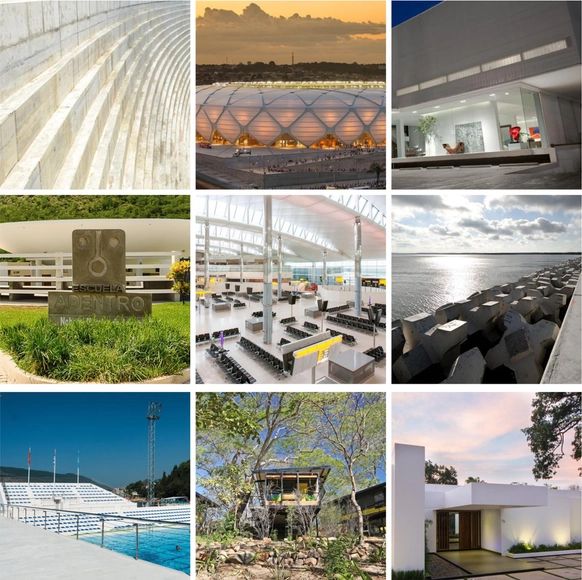
CEMEX has unveiled the international finalists for the XXIII Building Awards, which aim to recognize the best architecture and construction internationally. Spanning across three categories, the awards recognize housing, institutional/industrial and large-scale infrastructure projects that were built during 2013 and stand out for their constructive solutions, aesthetics and innovative techniques.
Both the international and national winners will be announced on November 5. Read on after the break for the international finalists and check out our coverage on the Mexican finalists for the XXIII Building Awards here.
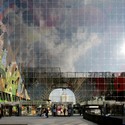
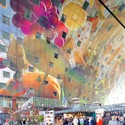
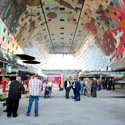
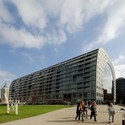
Rotterdam’s very own, MVRDV has completed the Netherlands’ first covered market: the Markthal Rotterdam. Unlike any other market in the world, the Markthal presents a new urban hybrid that unites a market hall with housing.
Within the hollow core of the 228-unit, “horseshoe-shaped” residential building is an expansive, 40-meter-tall public market, offering 96 fresh food stalls, 8 restaurants and supermarket. Colorful murals cover the arch’s vaulted interior, peering through the largest single glazed cable net facades in Europe, which enclose the market.
This sense of transparency and openness was key, as the Markthal is the driving force to the rejuvenation of the Laurenskwartier area and hopes to attract thousands of visitors each year.
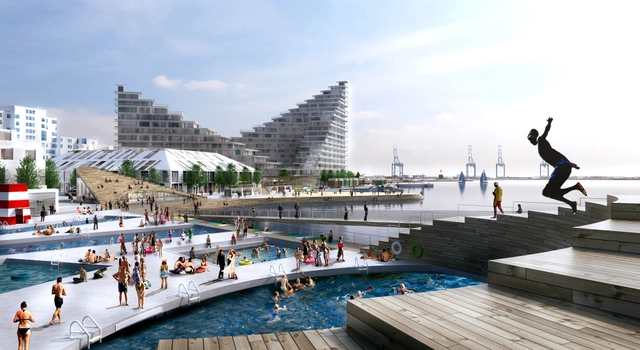
BIG has unveiled plans for Bassin 7 (BSN7), a new civic-minded, mixed-use neighborhood in Denmark’s second largest city. The phased development will “breathe life into the harbor front,” placing importance on the public realm by organizing the site’s seven residential buildings with a series of recreational and cultural activities, including a beach zone, swimming pools, theater and cafe, along a public promenade.
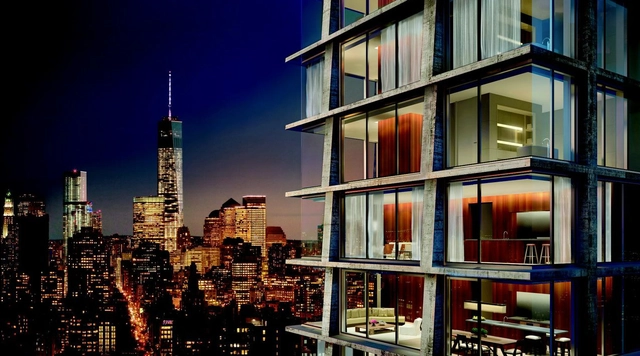
Herzog & de Meuronhas teamed up with British designer John Pawsonto design a 28-story tower for Manhattan’s Bowery district. The raw concrete tower, as developer Ian Schrager describes, will be designed as the “ultimate expression of Uptown meets Downtown.” Eleven luxury residences will top a 370-room hotel, all featuring open plans and mullionless floor-to-ceiling windows that frame unobstructed views of the city.
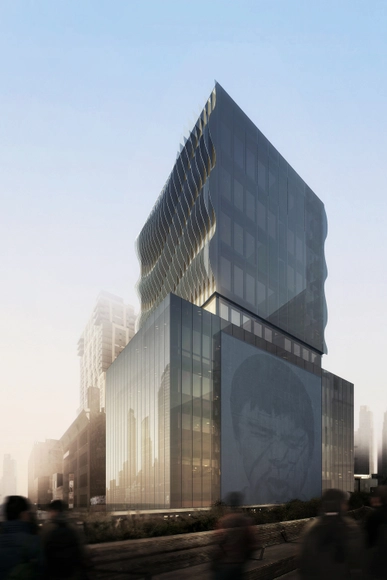
“515 Highline” is the latest luxury condominium planning to make its claim next to New York’s beloved High Line. Clad in an undulating glass and steel facade, the 12-story, 12-residence development designed by Singapore's SCDA Architects will be unique in that it is the only property bordered by the elevated park on two sides.










.jpg?1410393814 "© Albrecht Imanuel Schnabel")
.jpg?1410393714 "© Petra Rainer")

.jpg?1410393735 "© Albrecht Imanuel Schnabel")