Forests cover about a third of the planet and play a fundamental role for life on Earth. According to Peter Wohlleben, author of the book “The Secret Life of Trees”, through fungal weaves, specimens of a forest can communicate with each other, exchange nutrients, help out the weakest plants, and organize survival strategies, which is essential for the healthy growth of individuals. The preservation of existing forests and the creation of new ones are essential for biodiversity and natural recovery, but also to meet the demand for wood. According to a report by the WWF (World Wide Fund for Nature), it is estimated that the amount of wood harvested in the world will triple by the year 2050, with the increase in population and income in developing countries. In addition, it is estimated that there will be an increased use of wood to manufacture biofuels, pharmaceuticals, plastics, cosmetics, consumer electronics and textiles. Searching for wood substitutes can be a smart path towards a sustainable future, especially if the alternatives are made using waste generated by other industries. Pyrus, for example, is an oil-free wood material produced sustainably with bacterial cellulose waste repurposed from the kombucha industry.
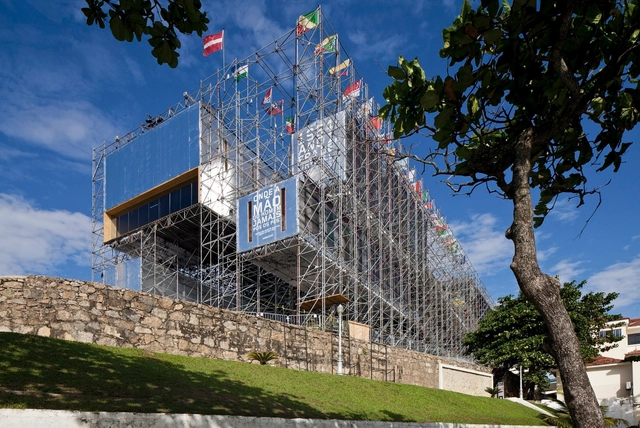
Technical precision combined with environmental concern and exploratory and investigative character make Carla Juaçaba one of the great representatives of Latin American architecture today. Carioca, born in 1976, Carla Juaçaba attended the University of Santa Úrsula and attributes much of her experimental and interdisciplinary style to this educational institution. It is not by chance that during her academic training her great inspiring masters were the architect Sergio Bernardes and the visual artist Lygia Pape, insinuating her interest in the multiple disciplinary branches that can compose architecture. In this sense, while still at graduation, Carla worked together with architect Gisela Magalhães, from Oscar Niemeyer’s generation, in scenography and expography projects.
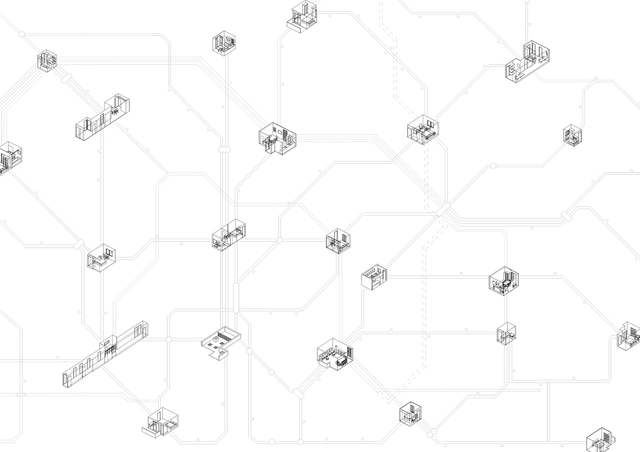
Una ciudad de habitaciones: La casa compartida como laboratorio urbano. Image Cortesía de Paula Olea Fonti
"A city of rooms" is a research work by architect Paula Olea Fonti that focuses on the study of shared housing, which is one of the most common ways for young students and professionals to live in the city. A popular and ordinary house, if you will. One that many architects would distinguish for its low architectural value.
While research seems intrinsic to the design process, architectural research is a professional path in itself, whose purpose is to highlight scientific evidence and explore alternatives outside of pre-established norms or empirical considerations. Its purpose is to create a framework of knowledge that can inform the design to reach objectively better outcomes. The following discusses the role and state of research in architecture, some prominent areas of inquiry, and the architects or institutions that dedicate their work to these subjects.
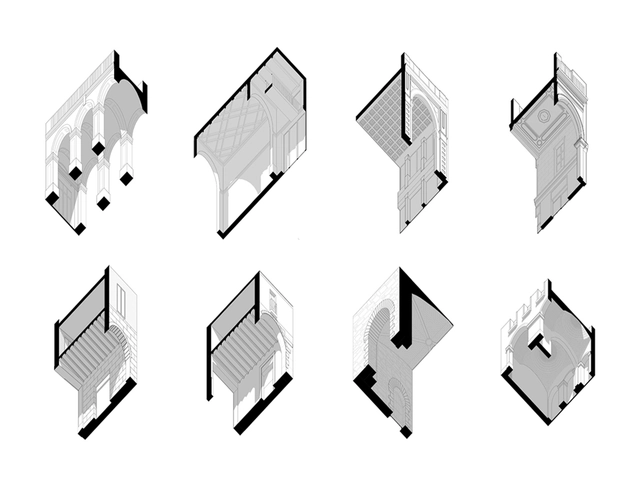
Entrearcos, arquitecturas de conexión - Colección. Image Cortesía de Daniela Silva Landeros
The gaze is a tool that the architect uses constantly but does not fully value. It is an instrument that, in addition to allowing us to know and recognize our reality and the phenomena that arise from it, can work as a method of analysis. "Entrearcos (Between-arches): architecture of connection" is a research project developed by the architect Daniela Silva Landeros that studies, in the specific case of the Ciutat Vella neighbourhood of the city of Barcelona, the issue of arches in our cities. And Silva Landeros does so from alternative points of view that call into question the way we are used to looking.
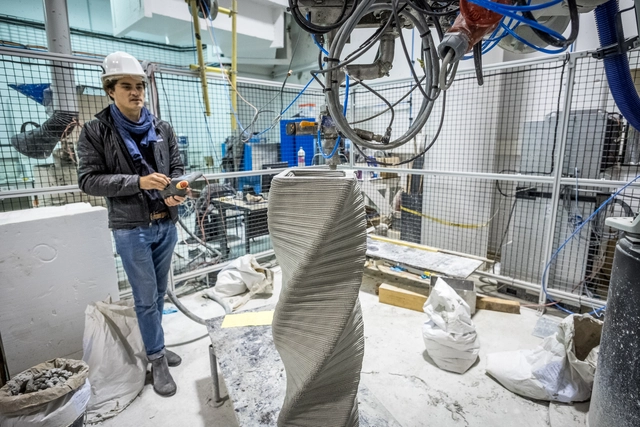
Paul Carneau, Design by Data alumni working with the 3d printing facilities at Ecole des Ponts ParisTech - Photo by Stefano Borghi
The Advanced Master[1] “Design by Data” in Computation Design & Robotics for Architecture and Construction was launched in 2016 and is one of the latest programs in innovative professional education at l'École des Ponts ParisTech. The program was designed to meet the increasing need of the professional sectors of architecture and engineering for combining architectural awareness and skills in creative engineering. Design by Data trains professionals to master advanced design tools (coding, generative design, machine learning) as well as digital manufacturing and design processes (robotics, 3D printing, and mechatronics) applied to architectural and construction projects.
Videos
Slab House Proposal / Skeleton. Image Cortesía de reBENT
The reBENT project, developed by the Research Group 9 of the March 2019-20 Program of the Bartlett School of Architecture (UCL), explores the interactive relationship between augmented reality (AR) and manual construction processes using PVC pipes –highly resistant and cheap– as a base research material. In addition to taking advantage of its active bending properties to interact with AR, this material provides a fast and affordable system for the creation of complex concrete structures made by weaving together a series of bent PVC pipes and reinforcing bars, which are then used as formwork for glass fiber reinforced concrete (GFRC).
So far, the exploration of this hybrid approach –neither purely analog nor purely automated– has led to the design of prototypes, architectural elements, and habitable structures. In addition, the team developed an augmented reality platform for Microsoft Hololens in order to guide the construction and customization process through holograms.
“The Urban Rhetoric” is a bi-annual initiative by Innovature Research and Design Studio [IRDS] to create a platform for discussion and act as a catalyst in recreating the future of urbanism and urban development in India. We aim to do so with the help of an academic magazine with essays that inspire the agenda for future urbanism. A city is not just defined by the planners and architects that build it, but also by the users that occupy it. Thus, through this initiative we strive to make these parallels meet by reinforcing the interactions between decision makers and users. This prospective magazine crusading towards the agenda for future urbanism aims to provide a platform for dialogue and discussions on growth and development in Indian cities.
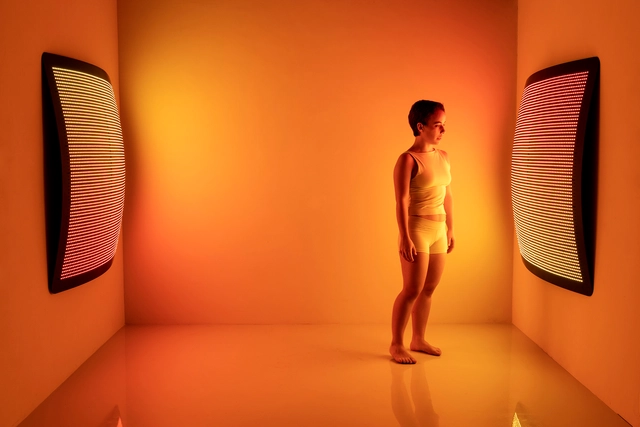
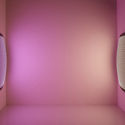
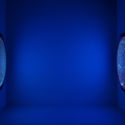
With the aim of creating immersive environmental experiences in interior spaces, the design studio Aqua Creations has developed Manta Ray Light, a lighting installation built with responsive RGB LED technology that mixes the colors red, green, and blue to generate more than 16 million light tones. By presetting its color spectrum, offering a range of brightness settings on a scale of 0.1 to 100%, and even loading images and videos into its internal memory, the system allows its user to add color and movement to expressive spaces, or deliver a feeling of warmth and concentration to intimate and private rooms.
A glimpse of hope emerged from the endless loop of COVID-19 news this week when China announced the closure of their last temporary hospital in Wuhan due to their stabilization of the pandemic that has now taken the world by storm. Western countries have been enforcing more restrictive measures aiming to stop the spread of the virus, including mandating shelter-in-place orders and forcing any business deemed non-essential to close. Due to the quarantine and isolation politics imposed by the authorities around the globe, we asked you, our readers, how the coronavirus is affecting your daily life as architects and designers. These answers allowed us to compose an overall picture of the atmosphere established by the pandemic – and the way we are adapting to it.
Which is more male: a stadium or a nursery? Hannah Rozenberg, a recent graduate of the Royal College of Art, says that it’s the former—and she has an algorithm to prove it.
Intentionen | Intentions (Design and Research in Architecture and Landscape)
Research-related design and design-related research in architecture, urban design and landscape architecture are generated, supported and structured by intentions as conscious purpose and position as well as intended content of perception, thought and action. The symposium will examine modes of action and meanings of intentions. How do they have an orienting, clarifying and dynamic effect within the processes of design and research, and how do they contribute to design and knowledge? What tensions arise between imprint, orientation and the projective, between research, imagination and realization, and how can these be evaluated, communicated and conveyed in a transferable way? To question characteristics of intentions in the creative contexts of action and their impact is particularly connected with dimensions of 'Reflexive Design'.
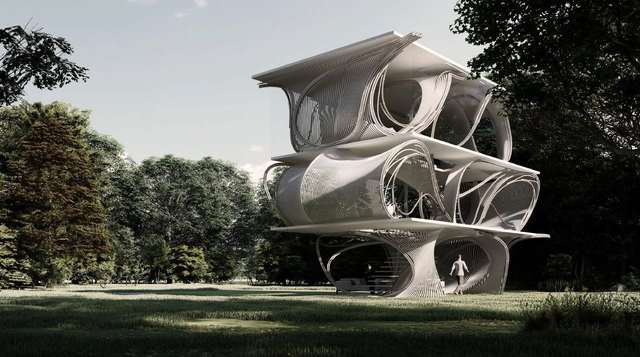
Skidmore, Owings & Merrill (SOM) has signed a Memorandum of Collaboration with the European Space Agency (ESA) in order to further develop their existing research for Moon Village. Signed in Paris, by Colin Koop, Design Partner at SOM, and Johann-Dietrich Wörner, Director General of ESA, the announcement was made earlier this month.
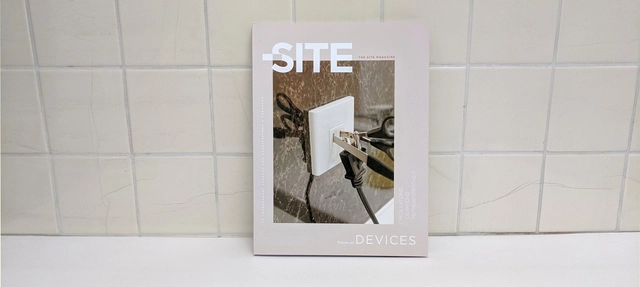
In the three years since our editorial collective launched The Site Magazine we have collaborated with designers and design institutions around the world to probe social, economic, cultural, and political questions through the lens of architectural knowledge. The discipline of architecture is simultaneously broad and incisive: the practice of architecture demands a constant reinvention of its role, a redefinition of design’s limits. Our forthcoming series “Does Architecture _______?” confronts the obstacles and opportunities afforded by architecture’s evolving agency while continuing to delineate relevant contexts for spatial design. “Does Architecture _______?” is conceived as a series of five thematic issues, each one curated to discursively champion or constructively critique the latent tensions and potential of the built environment that we know, or can imagine.
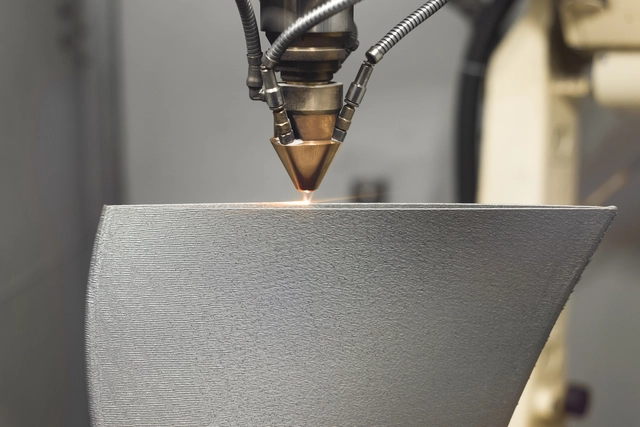
Additive Manufacturing (AM) is a term used to identify the manufacturing processes performed by 3D printing through layer-by-layer construction. In addition to avoiding the generation of waste through the use of precise geometries and exact quantities of material, these controlled processes can be much faster than traditional ones, since they don't require tools or other instruments.
Additive Manufacturing is done based on a digital model. The process begins with a CAD design or three-dimensional scan and then translates that shape into an object divided into sections, allowing it to be printed. Its use has extended from industrial design to the replica of archaeological objects to the manufacture of artificial human organs and tissues, among many others.
The Daylight Award 2020, a dual prize for research and architecture, is now open for nominations. The Daylight Award is a great opportunity for the global community of architects and researchers to consider and nominate their colleagues who have expertise in advancing outstanding daylight research and the unique use of daylight in architecture.
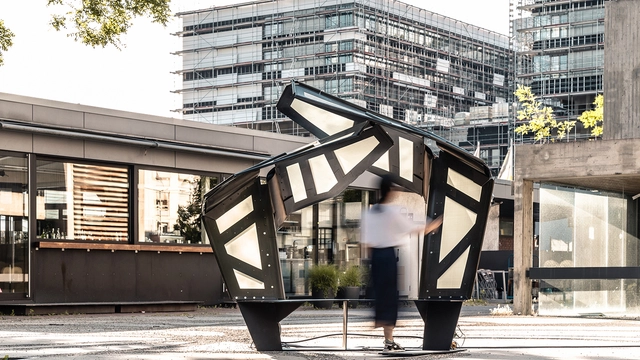
The Institute for Computational Design and Construction (ICD), the Institute of Building Structures and Structural Design (ITKE) and the Institute for Textile and Fiber Technologies (ITFT) at the University of Stuttgart have launched the ITECH Research Demonstrator 2018-19. The project aims to investigate large-scale compliant architecture.
The relationship between the human body and architecture has always been a key element in architectural design and practice, however, the connection between the two wasn't documented or even accepted until the rise of ergonomics some years ago. Nowadays, the question is how is the body perceived in modern times? How does this perception influence the way we design the buildings and spaces that we inhabit? Too often, ergonomics is seen as a discipline that emphasizes the separation between body and object; however, not only is it the connection between them, it is also the pre-established blueprint that maximizes and synchronizes their productivity. At its most basic level, it's a technical discourse on the increasingly mechanized human dwelling.





.jpg?1648076854 "Casa Santa Teresa / Carla Juaçaba. © Federico Cairoli")












.jpg?1580136024 "© SOM | Slashcube GmbH")