Architectural photography provides a window into the built world, making significant structures more accessible to people who may never have the chance to visit them. A good architectural photograph captures more than just the physical structure; it conveys the mood, scale, and context of a space. Each photograph is unique and shaped by the photographer's eye, which conveys their sensitivity and perception of the built environment through their lens.
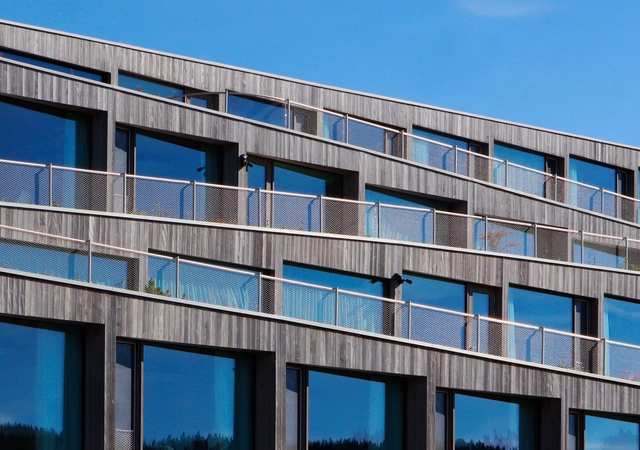
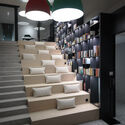
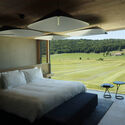
In a recent photo series, Paul Clemence turns his lens toward Bjarke Ingels Group's (BIG) Hôtel des Horlogers, located in the Swiss Village of Le Brassus in Switzerland. Previously known as Hôtel de France, which opened in 1857, Audemars Piguet reimagined the project. BIG, an international studio known for avant-garde architecture and experimentation, continues to see this claim to its end through the design of a compact structure made up of five floors, with its rooms connected in a single zig-zag path. Designed in collaboration with the Swiss design firm, CCHE, a futuristic structural form featuring layers of long ramps was assembled for Audemars Piguet's vision of a luxury hotel.
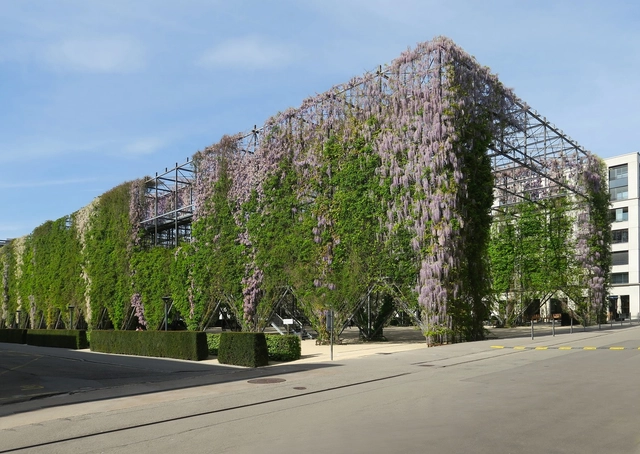
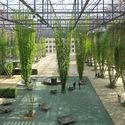
Paul Clemence’s capture of Zürich’s MFO Park is an evocative photo series for Archi-photo, demonstrating the juxtaposition between the metal shell of the man-made and the wild nature of the park itself. Vines intertwining themselves upon the skeleton of the structure create an attractive destination, replenishing the brownfield land and replacing it with a renewed and captivating image.
Zürich’s MFO park is a vibrant parkscape in Switzerland, previously a site used for around a century by the Oerlikon Machine Works (MFO). Saturated with construction debris and pollution during a long period of industrialization, it has been transformed into a green paradise with the nearby wooded Oerliker Park brimming with ash trees. Offering a diverse area of open space it is available to the public for a wide range of activities and events, with the presence of ‘Park House’, a large open hall, and trellis enveloped with climbing vegetation.
Have you ever thought a building looked suspiciously similar to a futuristic tank? Or, perhaps a gothic spire was eerily reminiscent of a matchstick? You’re not alone. Rich McCor, aka paperboy, has been traveling the world since 2015 filling his Instagram account with whimsical photographs of black paper cut-outs that transform often serious works of architecture into playful cartoon-like images.
Taking Christoph Niemann’s surreal account abstractsunday as a starting point, McCor was inspired to disrupt the norms of architecture and embellish the everyday. Though the account originally began while McCor was exploring the UK “it's taken me way beyond London to corners of the world I never thought I'd see,” he says. It’s easy to see why his humorous images of golf ball domes, beach-side creatures, and a pyramid-turned-magic trick have garnered McCor over 350k followers.