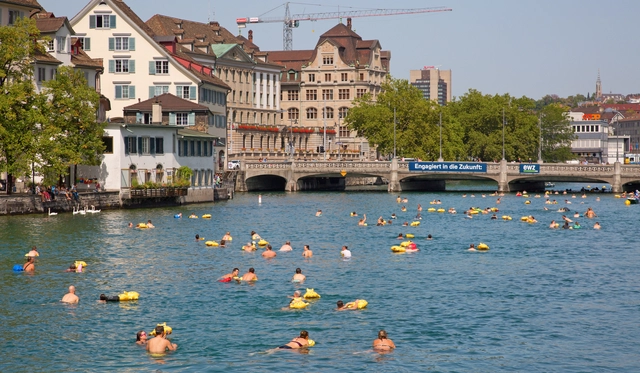
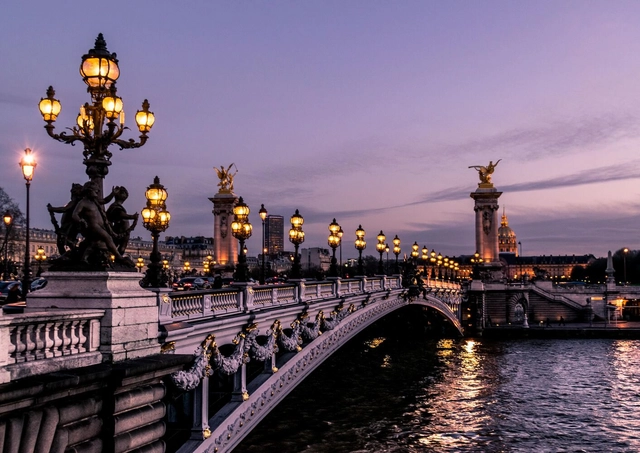
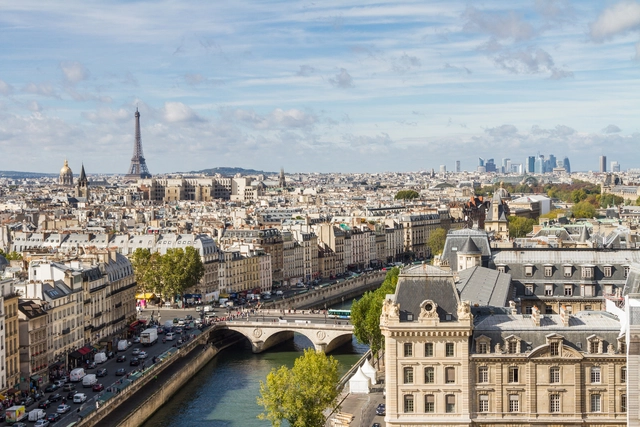
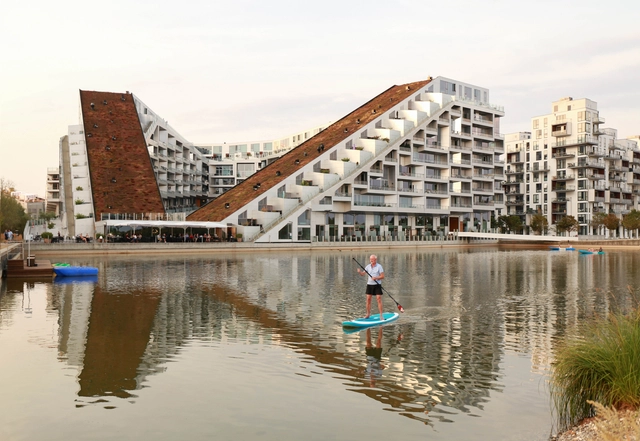
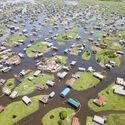
Throughout history, rivers played a crucial role in the social structures of cities. Along riverbanks, communities often congregated for socializing, swimming, and fishing. Swimming in rivers was a popular summertime activity enjoyed by people of all ages. Whether it was the Thames in London or the Seine in Paris, rivers were bustling with swimmers; integrated into urban lifestyles.
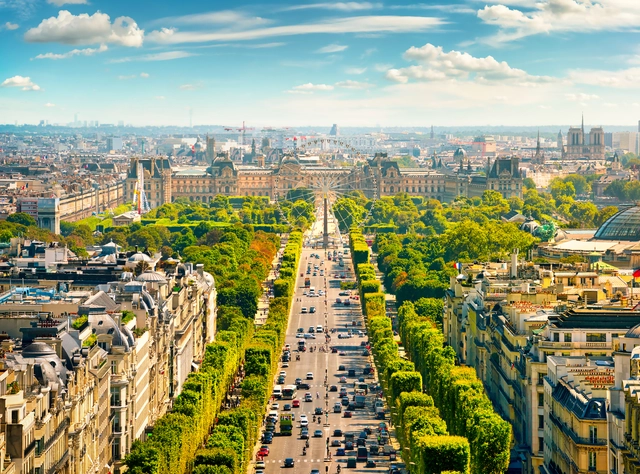
via Shutterstock | givaga | View on Avenue des Champs Elysses
As the countdown to the XXXIII Olympic Games in Paris ticks away, the city is making preparations that will completely shift its urban landscape and infrastructure. Set to be the largest event ever organized in France, the games will start on 26 July and continue till 11 August 2024. With only 200 days left, the Paris City Council has approved around 43 new initiatives acting as a catalyst for the city's transformation – aiming for a greener, healthier, and mobile Paris. From cleaning the Seine River to building a cycling lane, activating a transit line, and banning non-essential city traffic, the heart of the French capital is on a mission against time to revitalize its historic urban core.
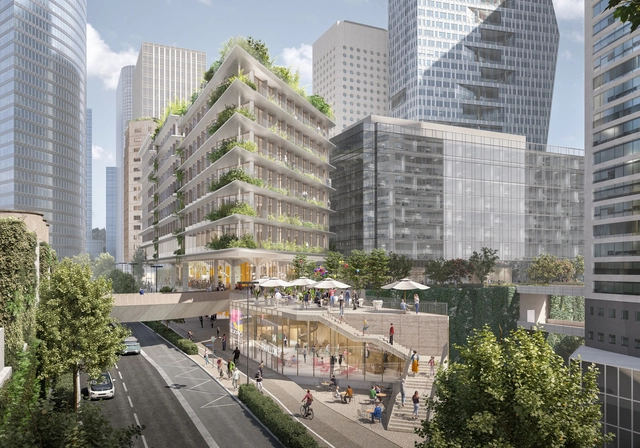
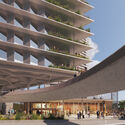
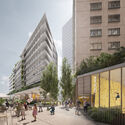
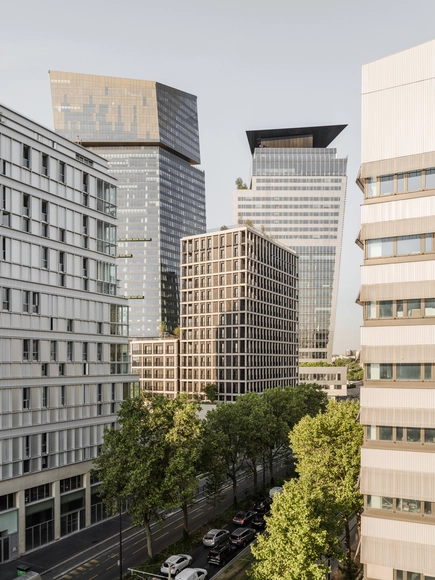
RSHP has just won the Jean Moulin competition held in La Défense, Paris, to design a low-carbon mixed-use development. The competition is a part of the Paris business district initiative to become the world's first post-carbon business neighborhood, launching “Empreintes,” aiming to revolutionize five urban sites at the district’s periphery. Through collaboration with neighboring city centers, the scheme hopes to create various sustainable mixed-use properties.
Cities are not just inert landscapes or lifeless settings; they play active and significant roles in shaping numerous television narratives. Whether in series or soap operas, urban environments play a fundamental role not only as the backdrop where plots unfold but also in shaping the developments of storylines, their creations, guidelines, and contexts. While, on the one hand, cities and their urban cultures contribute to the composition of various small screen plots, on the other hand, television programs can also help shape a certain idealized imagination about these urban spaces, generating unrealistic expectations and perpetuating a series of stereotypes about the represented cities.
Paris MayorAnne Hidalgo has been awarded the 2023 ULI Prize for Visionaries in Urban Development, one of the most respected honors in global land use and community development. The honor comes in recognition of Mayor Hidalgo’s vision for a more inclusive and sustainable Paris and the global impact of her policies. Hidalgo, the first female Mayor of Paris, is credited with advancing ambitious policies that have reduced Paris’ carbon emissions by 40% in ten years and have increased the percentage of affordable housing. Hidalgo has also been named among Time magazine’s 100 Most Influential People in 2020.
In the rapidly evolving landscape of the 21st century, cities have emerged as models of innovation in terms of sustainable development goals. Cities creatively address pressing urban challenges, including density, transportation, housing, and resilience. They hold the potential to pioneer a comprehensive climate agenda, serving as laboratories for sustainable initiatives, cross-sectoral innovations and community-oriented strategies. Cities act as catalysts for revolutions, implementing impactful solutions that can be applied worldwide.
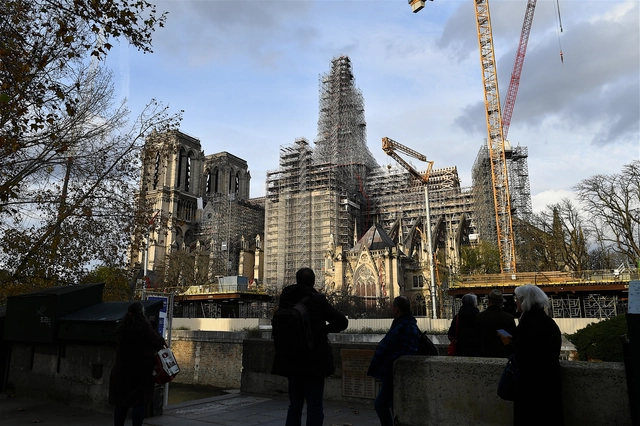
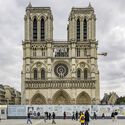
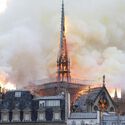
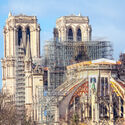
In April 2019, a devastating fire engulfed the 860-year-old Notre Dame Cathedral in Pars, severely damaging its wooden roof and leading to the collapse of the 19th-century spire, originally designed by Viollet-le-Duc. Immediately after, French President Emmanuel Macron promised that the iconic monument would be restored in just 5 years, an ambitious deadline. As the restoration of the roof structures nears completion, in February 2023, the scaffolding for the reconstruction of the spire has been assembled. The Spire is expected to be finished by the end of the month.
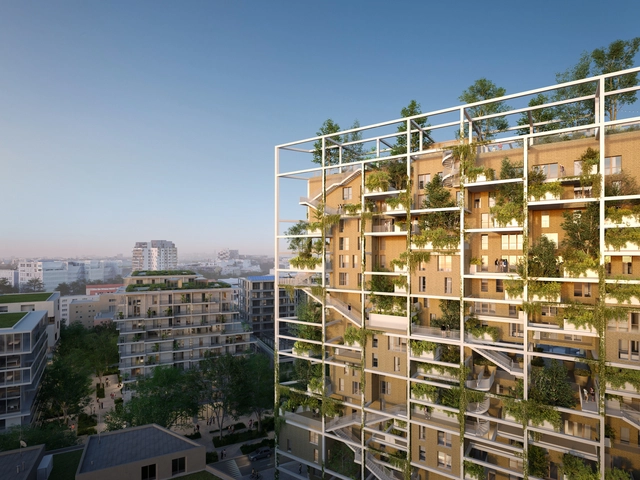
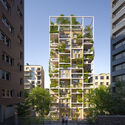
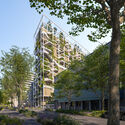
Construction on MVRDV’s La Serre started. Situated in the ZAC Léon Blum eco-district in Issy-les-Moulineaux, just outside of Paris, and designed by MVRDV, in collaboration with landscape architect Alice Tricon, and developer OGIC, the scheme aims to challenge conventional apartment living by integrating nature into the urban setting. The project features housing units, shops, and ample greenery, aiming to create a haven of biodiversity.
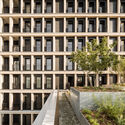
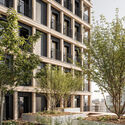
In Paris’ thirteenth arrondissement, the architecture office Moreau Kusunoki has completed Le Berlier, a 50-meter-tall timber tower housing residential units along with various other amenities. Situated at the intersection of multiple urban flows, networks, and scales, the project aims to find the middle ground between innovation, monumentality, and domesticity. The new residential center expresses its structural system through the grid of the façade, rendered in charred and pre-weathered wood.
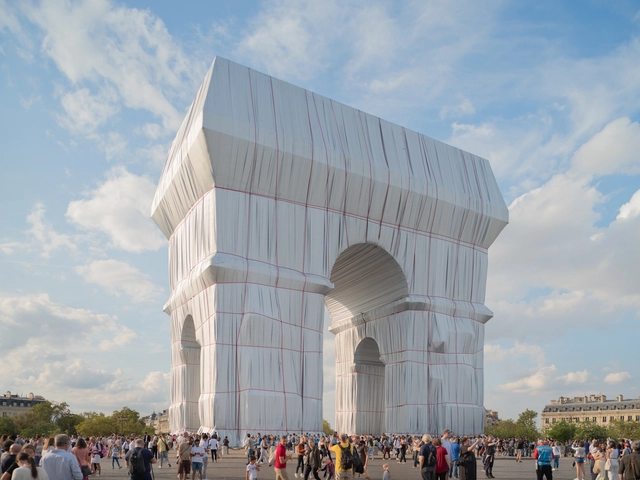
Two years ago, on September 18, 2021, Christo and Jeanne-Claude's L'Arc de Triomphe, Wrapped, 1961–2021, was inaugurated. The monumental public artwork wrapped the Parisian monument in over 25,000 square meters of silvery fabric tied in place with 7,000 meters of red rope. The materials, all made out of woven polypropylene, a type of thermoplastic, are now being reused, upcycled, and recycled, following the artists’ vision. Most of the materials will be transformed to serve practical uses for future public events in Paris. The Christo and Jeanne-Claude Foundation is also collaborating with Gagosian to bring Christo’s early works to London’s East End for an exhibition open from October 6-22, 2023.