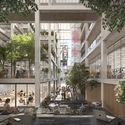
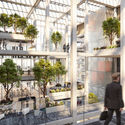
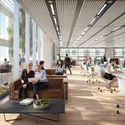
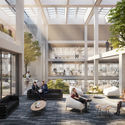
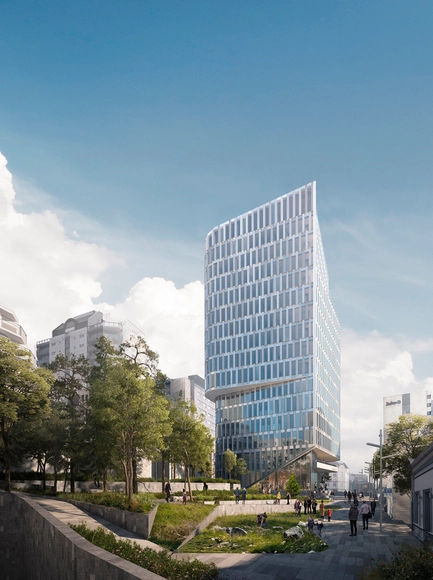
The sustainable mixed-use K8 tower, designed by Schmidt Hammer Lassen moves forward with final approval from the Stavanger City Council in Norway. The proposal aims to encourage future urban developments in the city and generates a new benchmark for sustainable and creative work environments.
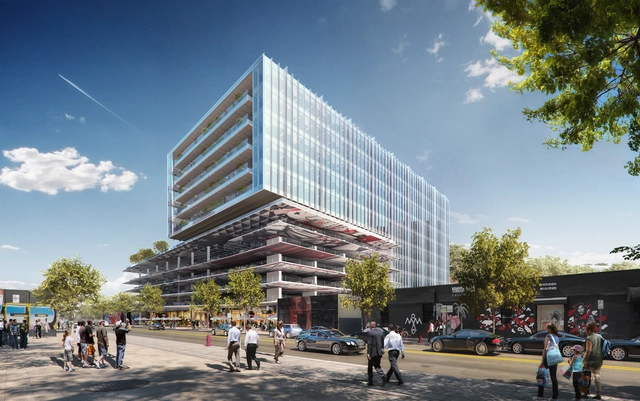
Gensler has unveiled 545wyn, “the first Class-A office tower in Miami in over a decade”. In collaboration with office developer Sterling Bay and local development partner Joe Furst of Place Projects, the project introduces a new generation of office space, aiming to attract a new type of innovative, forward-focused tenants. In fact, Gensler Miami will be the building’s first tenant of the 10-story tower.
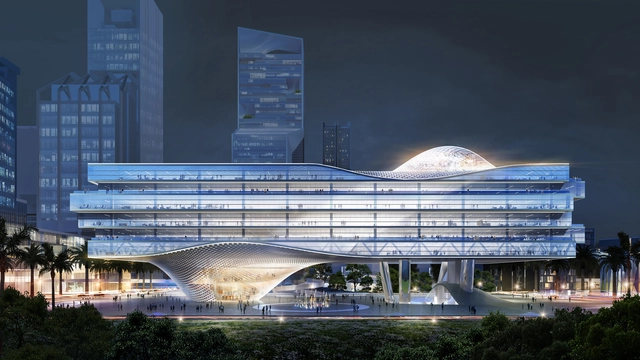
Büro Ole Scheeren unveiled images of the Shenzhen Wave, a transformational headquarters for ZTE, and new symbol of China’s next digital revolution. Envisioned as the future of workspace, the project “reimagines the urban cityscape as an interactive and integrated spatial ecosystem hovering above ground level”.
With society's needs and aspirations shifting, spatial typologies and architectural programs are continually being questioned, and this re-evaluation creates the premises for innovation. The following is an exploration of how architecture is metabolizing society's fundamental changes throughout several aspects of everyday life, challenging the existing assumptions regarding program and space.
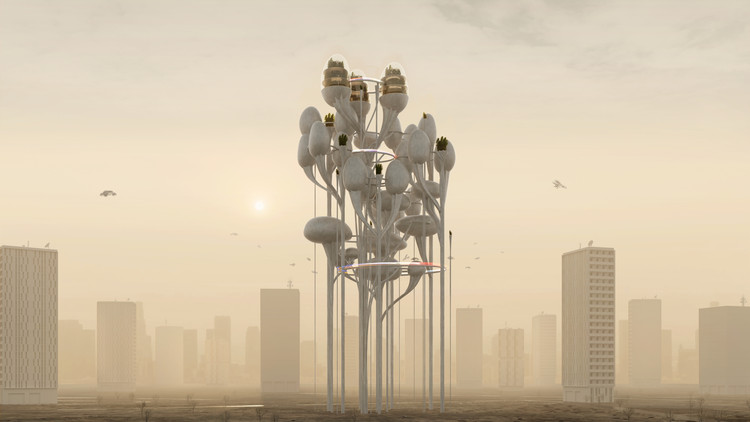
Force Majeure - Futura. Image Courtesy of Jeanne Schultz Design Studio
Putting together competition entries from all around the world, this week’s curated feature for Best Unbuilt Architecture showcases inspiring approaches and concepts. Submitted by our readers, the selection highlights uncommon proposals, part of international contests. While some are winning projects, others received honorable mentions.
Serie imagines stacked timber pavilion-like offices, Schlaich Bergermann Partner, LAVA, and Latz + Partner design new pedestrian and cycle bridge over the Neckar River in Heidelberg, Germany and Aidia Studio create an Oculus in the Emirati desert. Other competition entries include a landscaped avenue by ZXD Architects in Hangzhou, a community school in Egypt by Hand Over, a winning pavilion for the Singapore’s Archifest 2020 by ADDP Architects and OWIU Design Studio; and a Baha’i House of Worship by SpaceMatters in India.
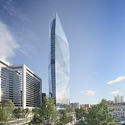
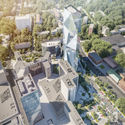
SOM and Fender Katsalidis have won an international design competition for Central Place Sydney, a commercial development that will introduce new transformative public space and high-tech towers. Located in Sydney's Central Business District, Australia, the proposed project seeks to transform the western edge by introducing innovative buildings and public realm improvements.
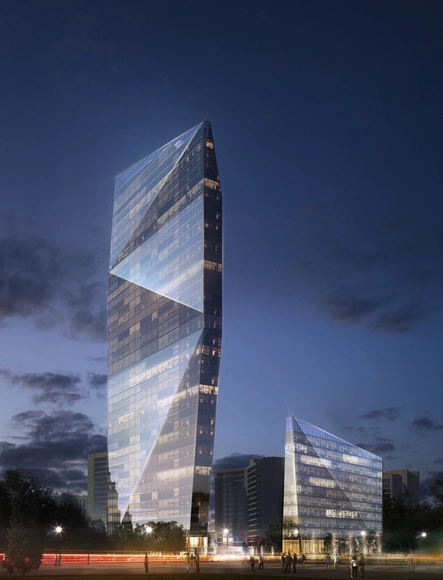
SPEECH has designed a proposal for the World Trade Centre (WTC), in Moscow, Russia, one of the largest and oldest mixed-use business complexes built initially in 1980. The suggested project introduces two glass blocks to the city’s skyline, featuring mixed-use functions such as offices, cafés, and shops.
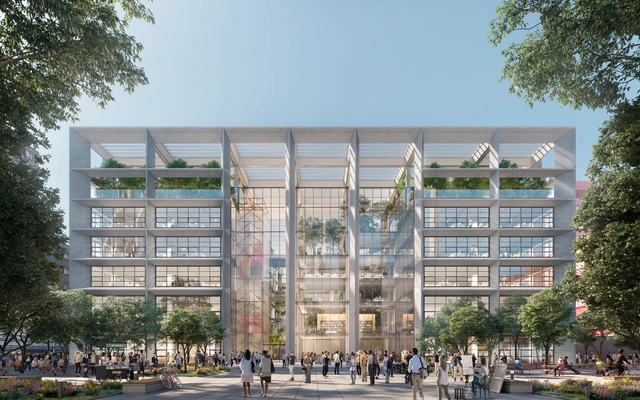
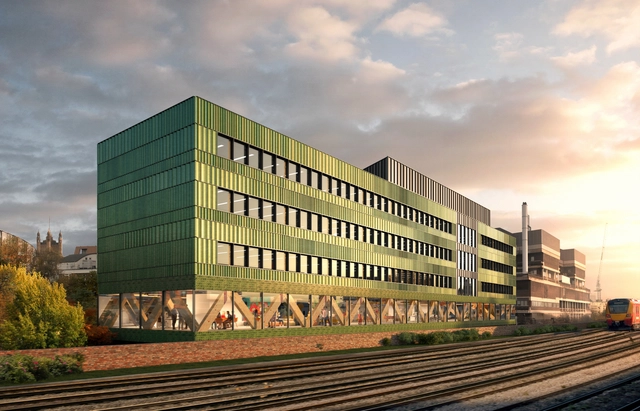
A new six-story net-zero carbon office development in Vauxhall, London, UK has been granted planning commission by the city council to move further. Designed by FCBStudios, the timber workspace named Paradise, will transform an abandoned site on old Paradise street, and replace the existing disused roastery.
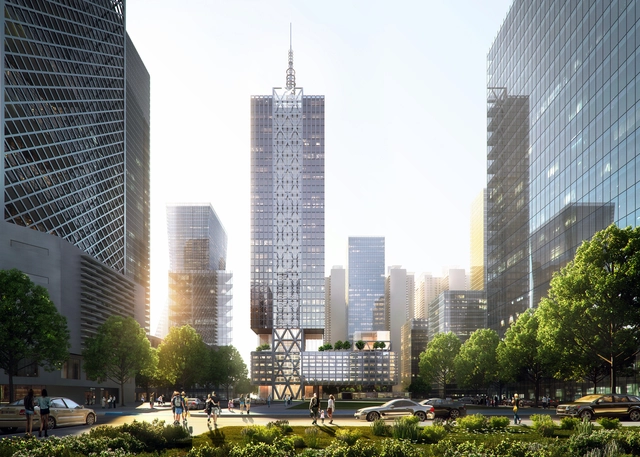
Hytera, one of the world's leading radio and communication systems manufacturers, has selected SOM to design its global headquarters, in Shenzhen, China. Integrated within the context, the project joins other emerging technology enterprises in the city and introduces a new typology of office space, as well as activates the surrounding public space.
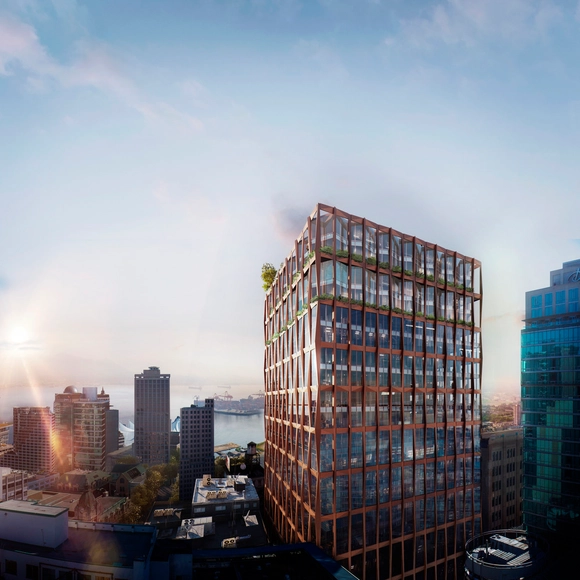
The KPF-Designed 601 West Pender Street was granted approval by the Vancouver City Council. Located next to the city’s historic Rogers Building, the project generates an urban oasis within the city, replacing a six-story parking structure in the Central Business District.
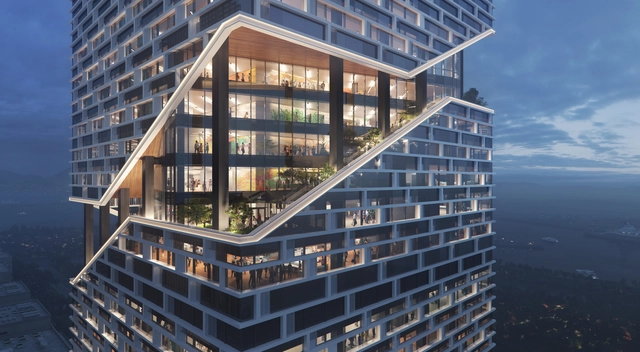
NBBJ has been selected to design the new Vivo headquarters, introducing the next generation of work environments that integrates nature, health, and equal access to amenities. Located in Shenzhen’s Bao’an district, the 32-story spiraling tower highlights an innovative design that embraces the urban-coastal site and reflects the company’s values. Construction began in May 2020 and is scheduled for completion by fall 2025.
In Belval Luxembourg, ICÔNE, the Foster + Partners-designed office development has broken ground. Tackling the future of workspace, the design generates flexible layouts and addresses the current tendencies for safe working environments.
Perkins and Will have generated a set of strategies, grounded in public health guidance, to help offices resume their work during COVID-19. Focusing on the transition phase, the guideline helps employers draw a road map for safe return.
Whether we are passionate about our work or just want to earn a living; whether we work for ourselves or for someone we’ll never meet; whether we work with our hands, our heart, or our mind; whether we work sitting down, standing up, inside, outside, during the day, at night, in a business suit or in a boiler suit: work plays a central role in all our lives.
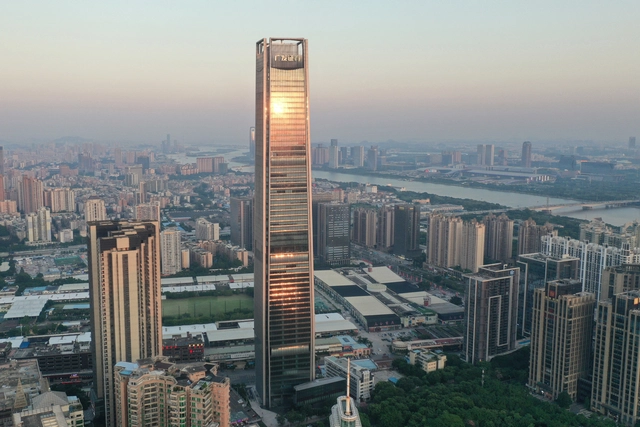
Located in the Zhujiang New Town district of Guangzhou, the Guangfa Securities Headquarters has just been completed. Designed by Jaeger Kahlen Partner, the 308-meter tall super high rise is the latest addition to the skyline of the city.
Whether we are passionate about our work or just want to earn a living; whether we work for ourselves or for someone we’ll never meet; whether we work with our hands, our heart, or our mind; whether we work sitting down, standing up, inside, outside, during the day, at night, in a business suit or in a boiler suit: work plays a central role in all our lives.
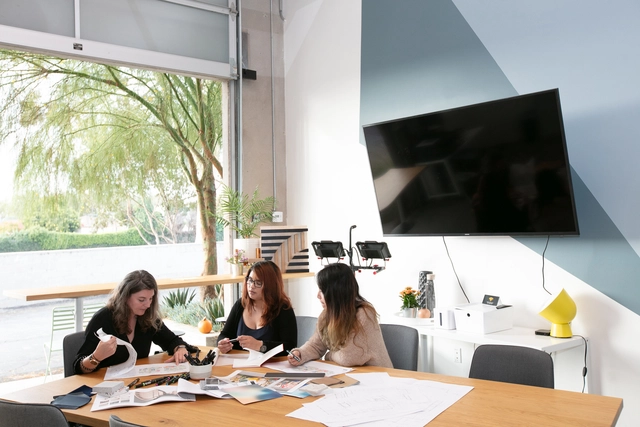
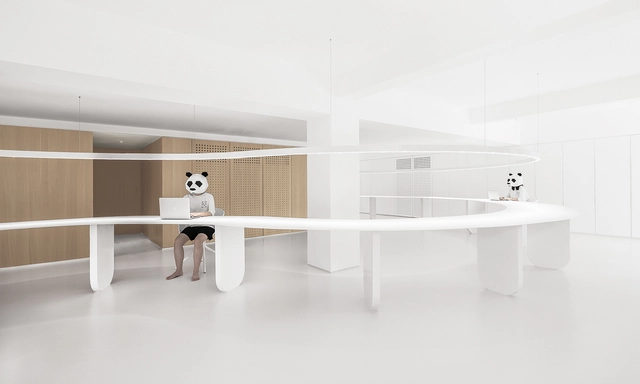
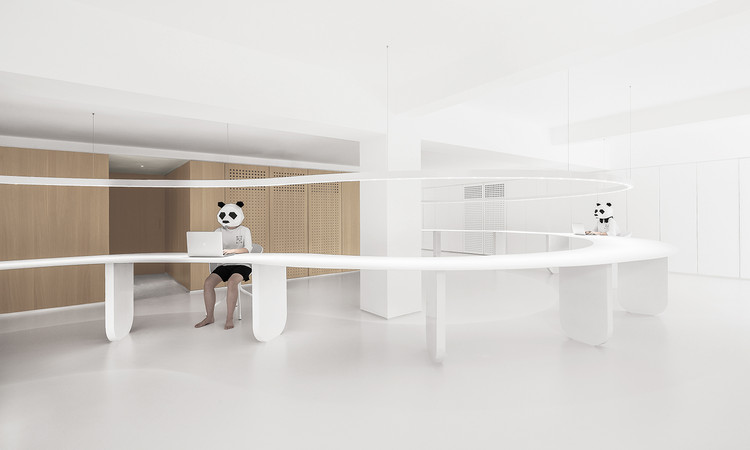
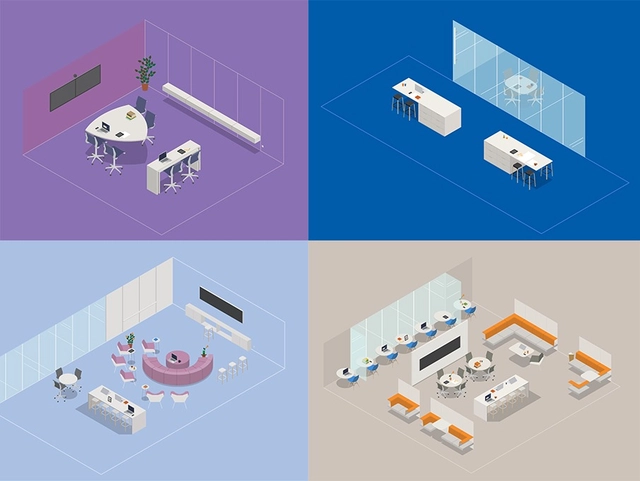
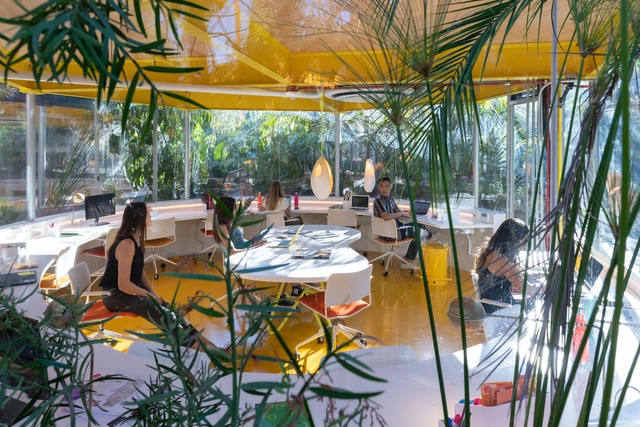
Today's generation no longer sees work in the same way as previous generations. New company models and occupation possibilities have changed the spaces where people develop their professional activities. Working from home, from coworking spaces, or remotely from anywhere in the world is already a fairly common reality. But a number of companies still do not utilize or create spaces where their employees can work together, collaborating in the same environment. In addition to shared culture that companies often try to create, it is essential that the design of an office takes into account the needs and particularities of each type of work and encourages communication and interaction, while providing places for concentration and focus. As generations and corporate cultures change, it is natural for the office space to move away from traditional layouts with cubicles, tables, and meeting rooms.






.jpg?1598465204 "proposal for a self-sufficient community. Image Courtesy of Guallart Architects")



.jpg?1597587766&format=webp&width=640&height=580)

.jpg?1597587782 "Courtesy of SOM | Fender Katsalidis")
.jpg?1597587827 "Courtesy of SOM | Fender Katsalidis")
.jpg?1597587803 "Courtesy of SOM | Fender Katsalidis")
.jpg?1597587766)

.jpg?1596100203 "Courtesy of FCBStudios")
.jpg?1596100176 "Courtesy of FCBStudios")

.jpg?1596100270 "Courtesy of FCBStudios")