-
Interior Designers: MINGGU DESIGN
- Area: 1700 m²
- Year: 2018
-
Manufacturers: LiteMatrix, MOLZA


.jpg?1514544693&format=webp&width=640&height=580)

.jpg?1500564698&format=webp&width=640&height=580)
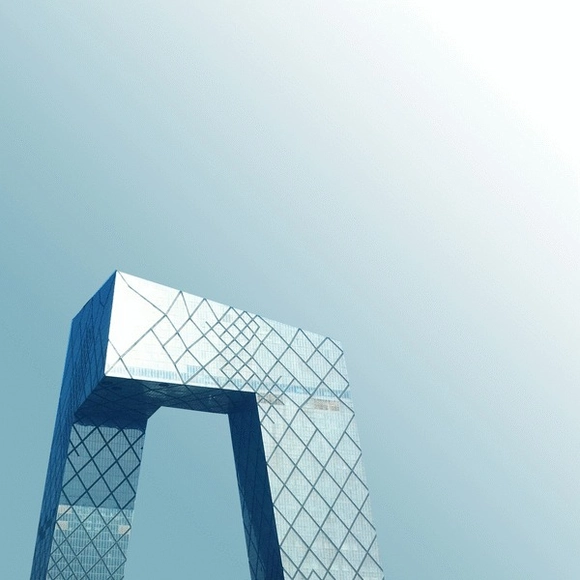
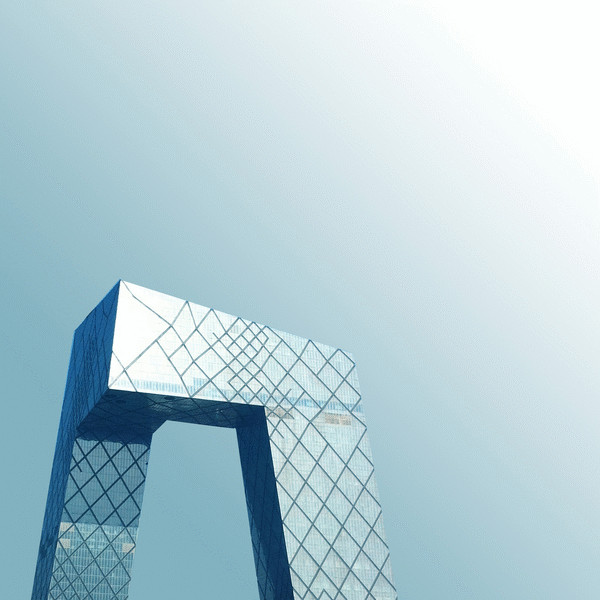
A simultaneous celebration of their cultural iconicity and distillation from their various contexts, Beautified China is a photographic essay by Kris Provoost (one-half of the vlogging duo behind #donotsettle) that tracks the evolution of Chinese architectural landmarks over the course of the past 7 years. Beginning his investigation with the 2010 World Expo in Shanghai, Provoost considers a decade of architecture proposed for China by the profession’s biggest names, many of which have been built now with monumental reputations in rising cities.
“Most ‘starchitects’ had their chance to build, or to fulfill their wildest dreams,” explains Provoost. “Some of them became landmarks: CCTV headquarters by Rem Koolhaas and Ole Scheeren or the Bird’s Nest/National Stadium by Herzog and de Meuron for example. Others have turned a suburb into a new center, or have established a new city on its own.”
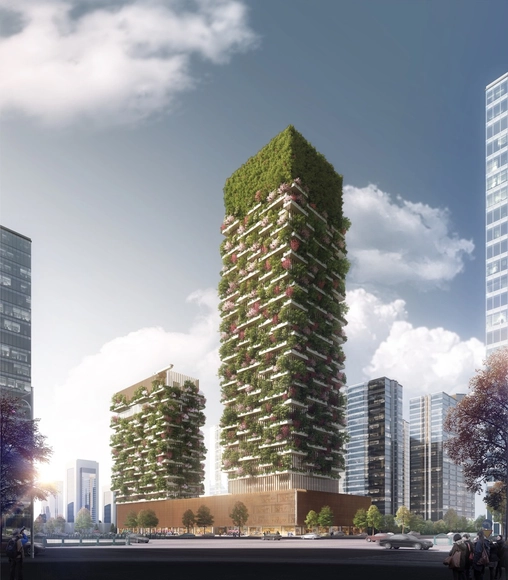
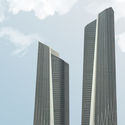
Stefano Boeri Architetti has released plans for their first “Vertical Forest” project to be realized in Asia, two mixed-use towers to be located near the Yangtze River in the Pukou District of Nanjing, China. In total, over 1100 trees will cover the building, helping to regenerate local biodiversity while cleaning the air.


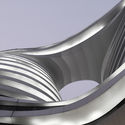
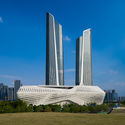
Photographer Khoo Guo Jie of Béton Brut has provided us with some new images of Zaha Hadid Architects’ Nanjing International Youth Culture Centre, now nearing completion along the Yangtze river in Hexi New Town, Nanjing’s new central business district.
Occupying a 5.2 hectare site, the complex contains 465,000 square meters of floor space, which includes a hotel, conference center, offices and underground parking, and is part of a larger masterplan by ZHA that will feature a pedestrian bridge linking the plaza with the other side of the river.

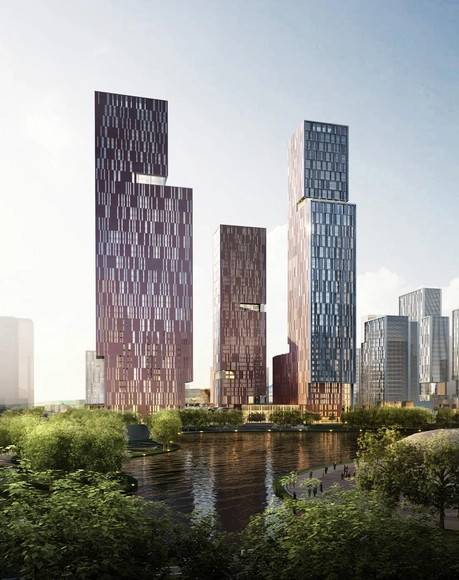
Ennead Architects has unveiled the plans for its new project, the Qilin Technology Innovation Park, located in Nanjing, China. The 468,000 square meter project seeks to give a new direction to Chinese urbanism, as it moves away from the trend of “individual architectural trophies,” and towards “creating a holistic district identity and memorable urban space on a human scale.”
Inspired by Silicon Valley, the new science and technology district will create a “24-7 mixed-use urban research hub,” with commercial and government office space, conference facilities, residential buildings, hotels, retail environments, and public open space.
.jpg?1514544376 "Courtesy of GOA")
.jpg?1514544460 "Courtesy of GOA")
.jpg?1514544496 "Courtesy of GOA")
.jpg?1514544342 "Courtesy of GOA")
.jpg?1514544693)




.jpg?1505716041&format=webp&width=640&height=580)
.jpg?1505607707 "© Jin Weijian")
.jpg?1505607738 "© Jin Weijian")

.jpg?1505716041)


.jpg?1500562110 "© Jin Xiaowen")
.jpg?1500562578 "© Jin Xiaowen")
.jpg?1500564912 "© Jin Xiaowen")
.jpg?1500564849 "© Jin Xiaowen")
.jpg?1500564698)








.jpg?1469553627 "Courtesy of Archiland International")