
-
Architects: Sanaksenaho Architects
- Area: 800 m²
- Year: 2012


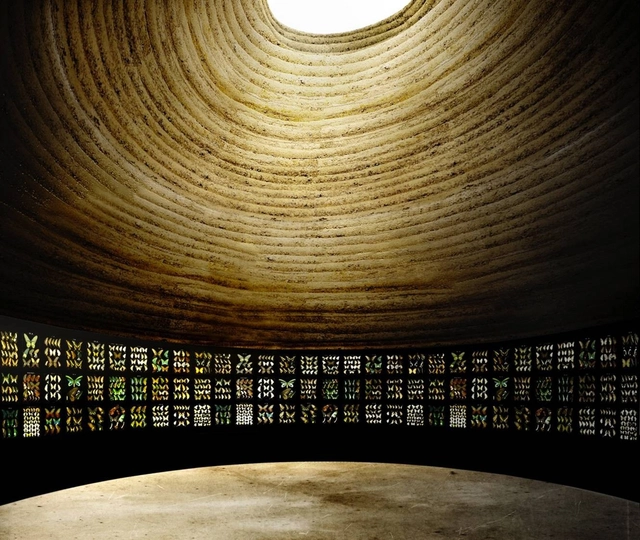
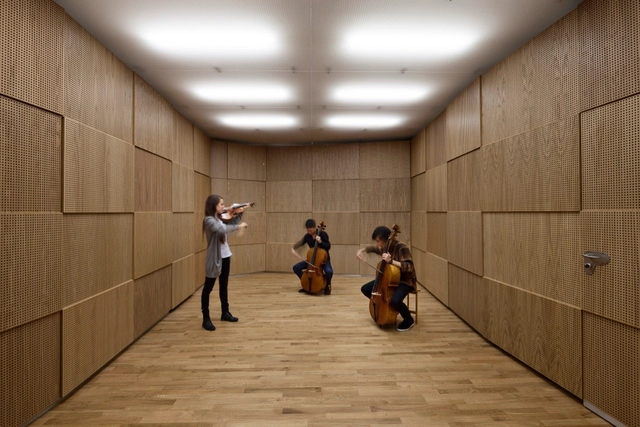
Kuehn Malvezzi, Pelletier De Fontenay, Jodoin Lamarre Pratte, Dupras Ledoux, and Nicholet Chartrand Knoll (NCK) have won one of three first place positions in Montréal’s Space for Life International Architectural Competition, which seeks to reinvent mankind’s relationship with the natural world for the city’s 375th birthday, with their proposal for the redesign of the Montréal Insectarium. Titled Insectarium Metamorphosis, the project provides new spaces for visitors to get up close and personal with the multitude of insects housed in the museum.


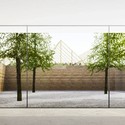



The Space for Life International Architectural Competition of Montréal has recently announced its three winners. The competition prompted designers to rekindle an interest in the natural world through an architectural intervention at a pre-appointed venue. Located in the city’s Botanical Gardens, this winning proposal by Lacaton & Vassal, Frédéric Druot, FABG, and SNC Lavalin does so in a simple, elegant way, with a glass pavilion for the Gardens that serves a variety of purposes. Learn more, after the break.
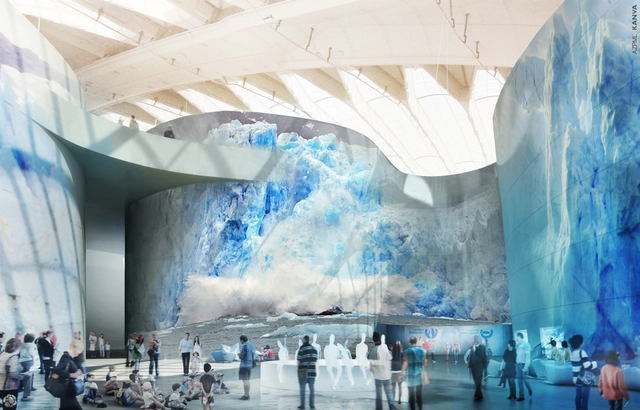
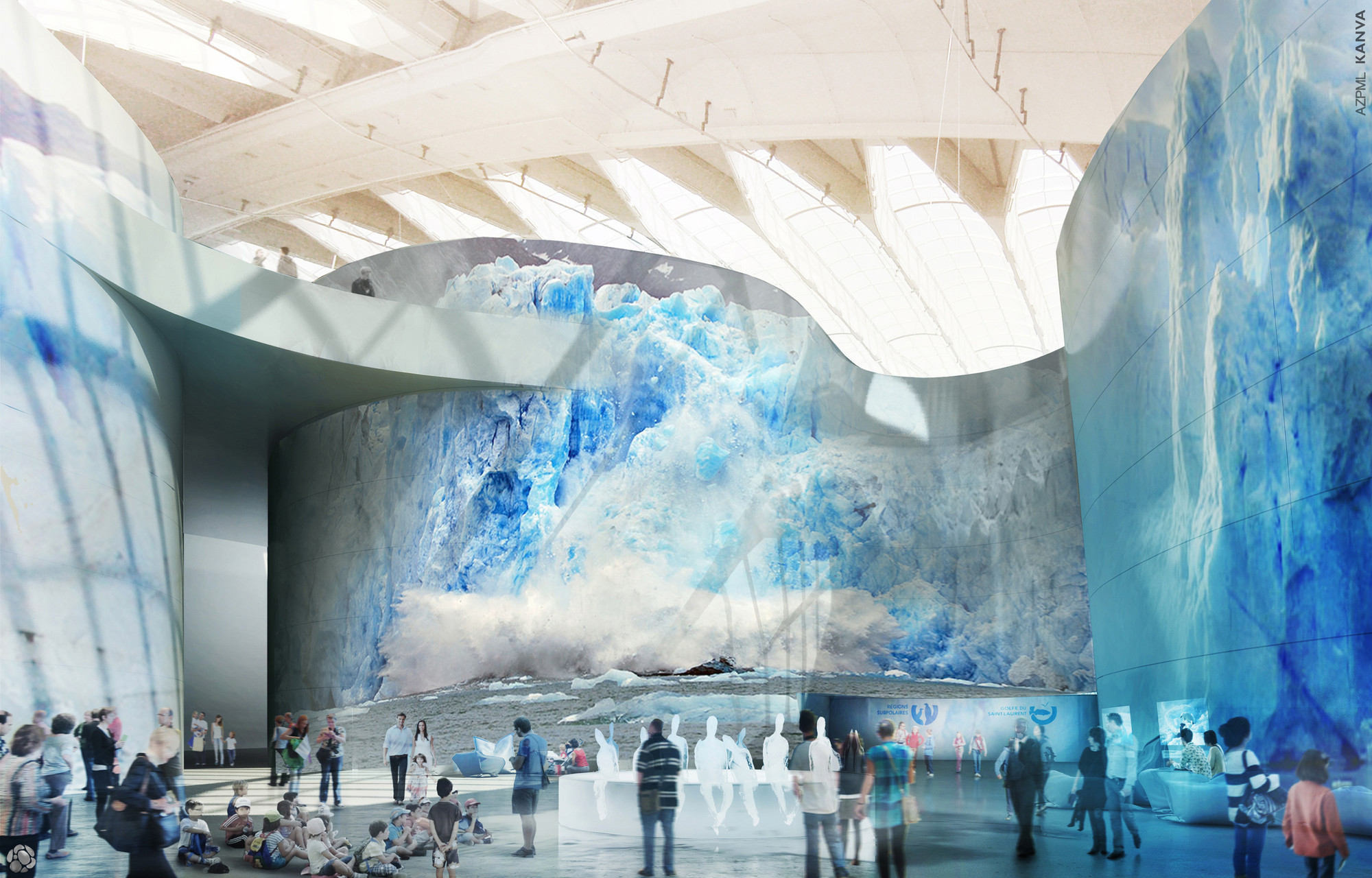
Montréal’s Space for Life competition has recently announced its winners, with design firms AZPML and KANVA named as one of three first winners with their joint design. The competition demanded that entrants reinvigorate the relationship between humanity and the natural world through an intervention at Montréal’s Biodome. The two firms’ winning proposal, Migration du Biodome, does that with the installation of a series of undulating walls.
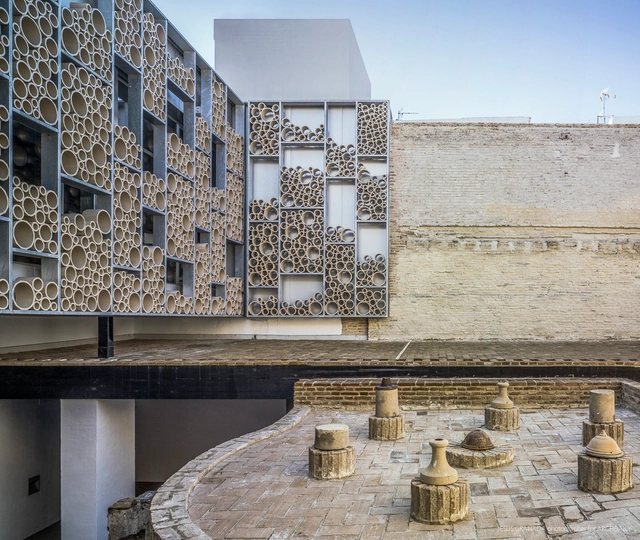
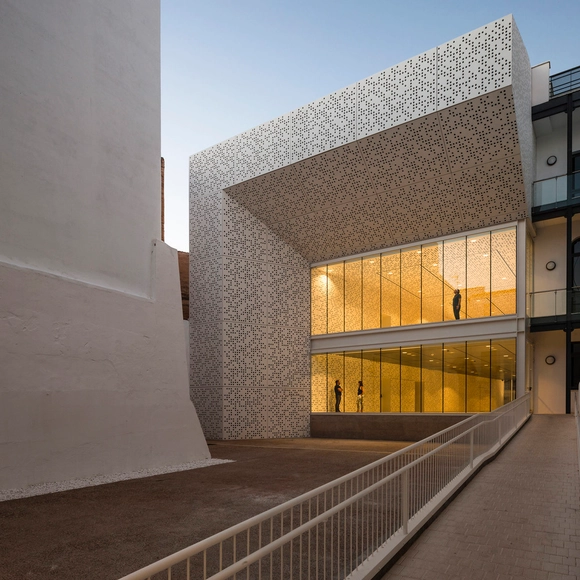

The question of whether the traditional museum survive in the digital age has been bounced around since the dawn of digital art and archiving. In an article for The Independent, Christopher Beanland examines the issue of a global "museum boom" (especially in China where a new one opens every day), and how this is having an undoubtedly positive impact on people's quality of life. For Beanland, it's curious that "we don't splash out on council houses or universities or hospitals any more – but we do build museums and galleries." Perhaps it's because they are "a reliquary for our collective memories" and "a triumph of our collective will" or, in most cases, because they employ excellent PR and branding strategies. He notes that "despite being swamped by possessions, we've changed our views towards those things. In the second half of the 20th century, people defined themselves by what they had. But today people increasingly define themselves by what they do."
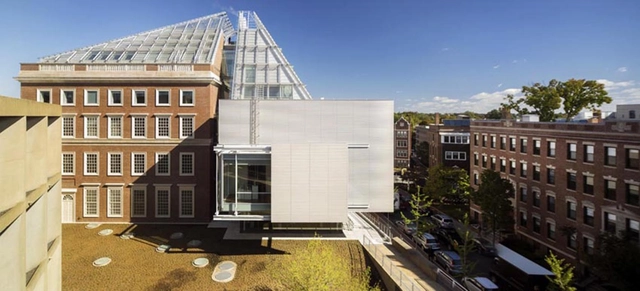
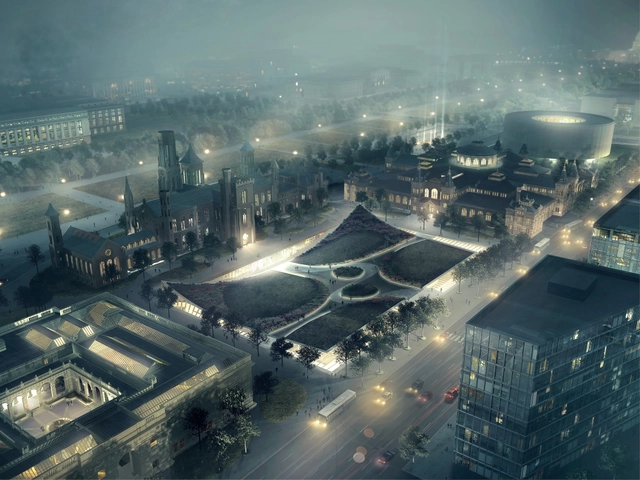
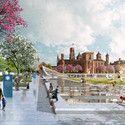
Nearly a year-and-a-half since the announcement of their selection, BIG has unveiled plans for a massive, 20-year-long overhaul for the Smithsonian’s southern campus in the center of Washington DC. With an overarching goal to unite the site by dissolving the notable impediments and discontinuous pathways that plague the area, BIG plans to also expand visitor, education and gallery spaces, while updating aging and inefficient building systems.
"Where today each museum is almost like a separate entity, in the future, it’s going to be a much more open, intuitive and inviting campus to meander around," Bjarke Ingels explained.
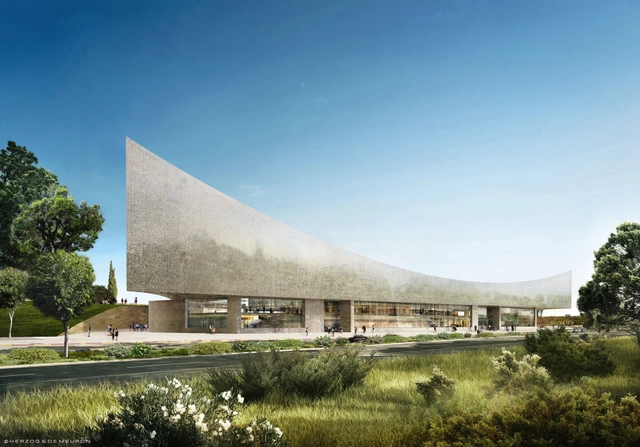
The Israeli National Library has released images of Herzog & de Meuron’s design for the library’s new home in Jerusalem. The six-story building, awarded to the Swiss practice over five others following an extensive interview process conducted last year, will be built by 2019 on a prominent site at the base of the Knesset building and adjacent to the Israel Museum, Science Museum and Hebrew University.
More image and information about the new library, after the break.

An international jury behind Budapest’s new National Gallery has launched a second and invited competition for a select few of the industry’s best after the first, open competition lead to “disappointing” results. Jean Nouvel, David Chipperfield, Mecanoo, Nieto Sobejano, Renzo Piano, SANAA and Snøhetta have been asked to submit proposals for a 5-building museum complex on the edge of Városliget, one of the city’s main parks. It will house the new National Gallery, the Ludwig Museum, an ethnography museum, architecture museum and photography museum.
The competition, known as the Liget Project, is being directed by jury members Wim Pijbes, the director of the Rijksmuseum, and Henri Loyrette, former director of the Louvre in Paris.

A team of architects from Rome have been announced as winners of CTRL+SPACE’s ideas competition for a digital arts museum in central Madrid. The competition challenged teams to envision a 21st-century contemporary arts museum that embodies technology as an “integrated medium of work” and questions the meaning of “public access.”
The winning proposals, after the break.

Following a national search, the National Medal of Honor Foundation has selected Safdie Architects to design its new museum and education center at Patriots Point in Mount Pleasant, South Carolina. Safdie was selected for their “extensive experience with cultural projects and national monuments across the U.S. and abroad.” The National Medal of Honor Museum will bring the stories of the Medal of Honor recipients to life for visitors.
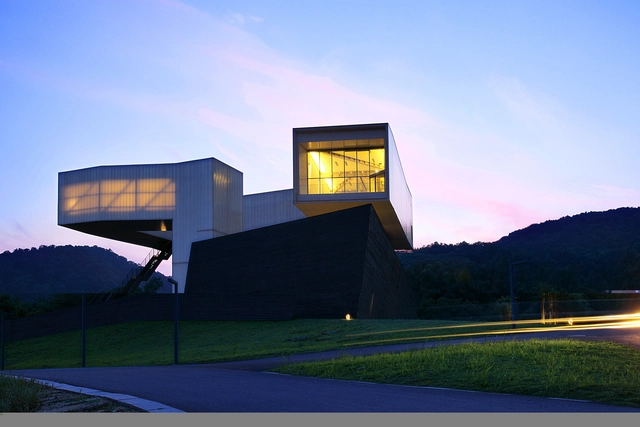
According to the BBC, Frank Gehry’s Biomuseo in Panama City, Steven Holl’s Sifang Art Museum in Nanjing, and BIG’s Danish National Maritime Museum in Helsingør are among the top eight greatest museums recently completed. Do you agree? Let us know which recently completed museums tops your list in the comment section after the break and review the BBC’s complete selection here.
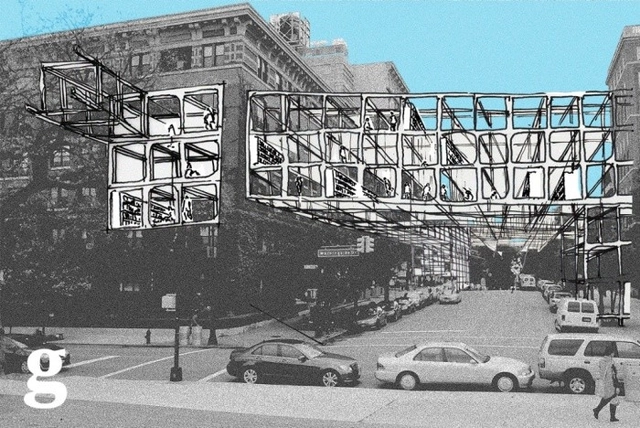
Barack Obama still has two years left in his presidency, but speculative planning for his Presidential Library has already begun for each of the four possible final locations. Just as the election of President Obama broke down historical precedents for who could hold office, could the design of his dedication library represent an architectural shift from previous libraries? This article by Lilah Raptopoulos from The Guardian presents four unofficial visions for the design of the new library, each of them from award-winning architects. Their bold design sketches expand our perceptions of what a presidential library could be, and explore new ways in which these libraries could serve their communities. See all four designs and read the full article from The Guardian entitled, “Obama's presidential library: four radical visions of the future from top architects.”
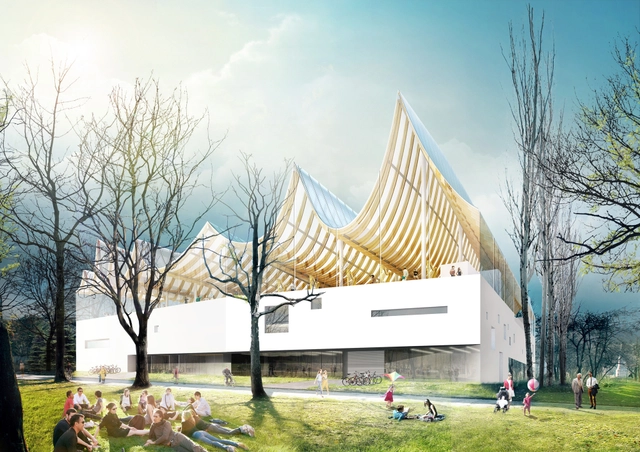
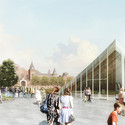
Fundamental has shared with us their vision for the House of Hungarian Music, as part of the Liget Budapest Competition. Inspired by the Neo-Baroque and Neo-Gothic spires of the park’s monuments which surrounding it, the modest house features a folded, white canopy rooftop which illuminates its surroundings and provides natural light deep into its interiors.
More on Fundamental's proposal, after the break.
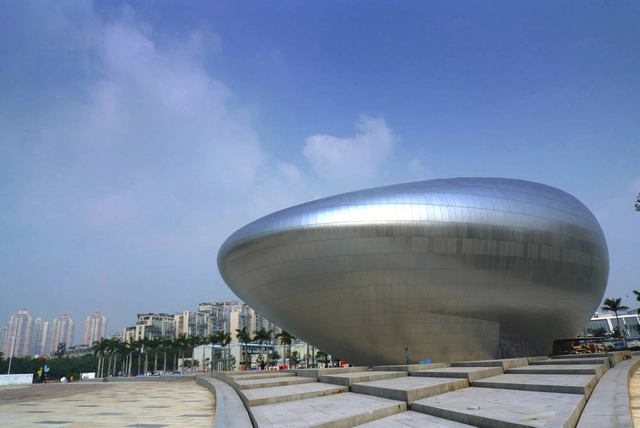
In an article for the Financial Times, Edwin Heathcote asks "what are design museums actually for?" Noting that we are living through a "boom time" for the typology, Heathcote argues that when we are overwhelmed by design in our day to day lives, what will fill these spaces? London's Victoria & Albert Museum sprouted from the legacy of the 1850 Great Exhibition, where the concept of a design museum originated, as an attempt to "display the fruits of Britain’s industrial revolution." Ironically in the very same museum in 2013, curator Kieran Long acquired a print of the world's first 3D printed gun for the permanent collection. Will the ubiquity of 'design' soon negate the need for dedicated spaces? Read Heathcote's conclusions in full here.











.jpg?1415911708 "Courtesy of BIG")