

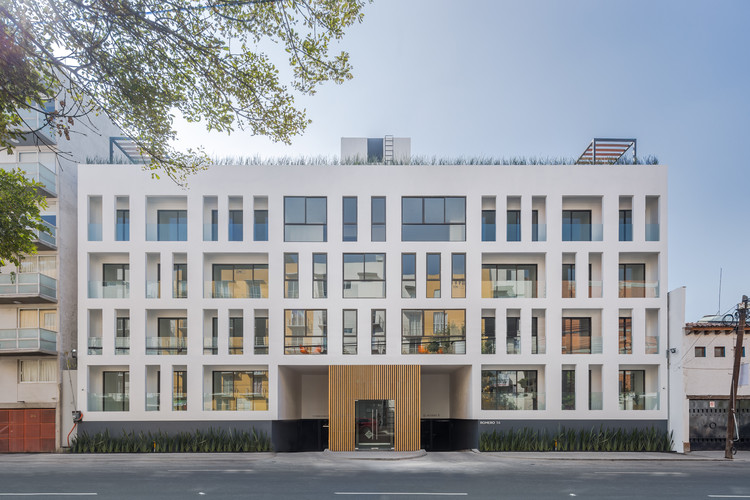
-
Architects: HGR Arquitectos
- Area: 15660 m²
- Year: 2017
-
Manufacturers: Firenze, Goirand, Gravita, Llano de la Torre, Pisos Creativos, +1


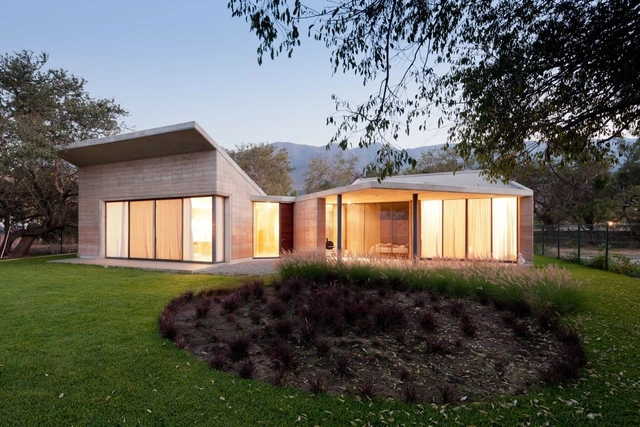
As part of a generation of designers that have, in recent years, put Mexico on the map, Tatiana Bilbao is an architect that is increasingly part of the profession’s global consciousness. But, while some Mexican architects have made their mark with spectacular architecture following the international trend of “iconic” architecture, Bilbao opted instead for a more people-focused approach. In this interview, the latest in Vladimir Belogolovsky’s “City of Ideas” series, Bilbao explains how she got into this type of community-building architecture, her thoughts on architectural form, and her ambitions for the future.
Vladimir Belogolovsky: The more I talk to architects of your generation or my generation, the more it becomes apparent that architecture has absolutely no boundaries. In other words, architecture is not just about buildings. More and more, architecture is about building communities.
Tatiana Bilbao: Absolutely. For me, that is the most important part of architecture. Architecture is not about building a building; architecture is about building a community.
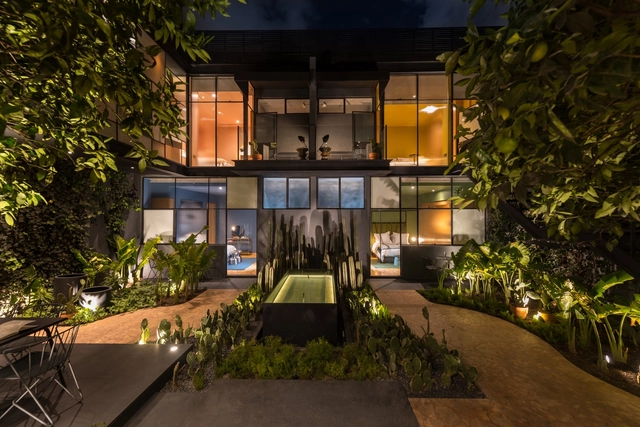
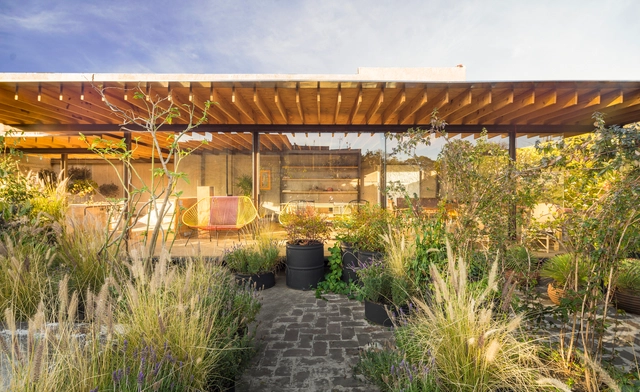
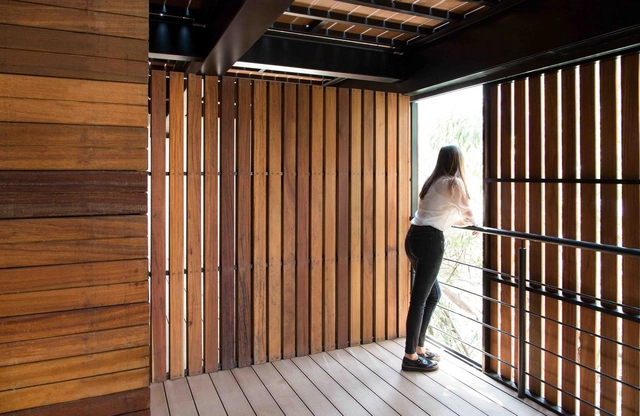
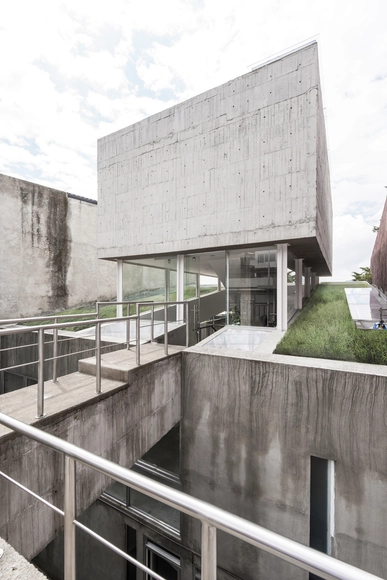
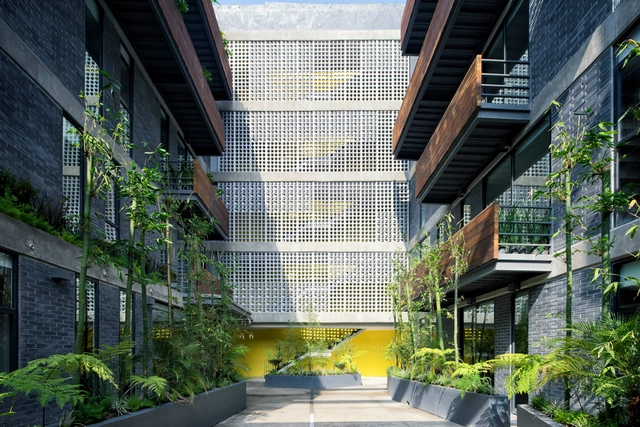

Humans are adaptable animals; we have evolved to adjust to, and survive in, many difficult and extreme conditions. In some cases, these extremes are natural, while in other modern cities extreme living situations are created by us, and we are forced to accept and adjust. Here is a list of extreme settlement conditions: some challenging, some wonderful and all of them offering a fascinating insight into how we occupy the planet in 2017.

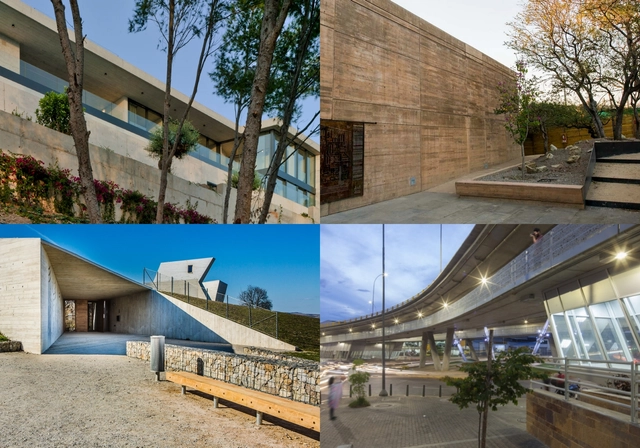
The CEMEX Building Award recognizes the best projects in Mexico and the rest of the world that use concrete in a creative and innovative way, with a focus on sustainability and social welfare. This year, the award received 70 entries in the 5 categories and 4 special awards of its International Edition.

The Polyforum Cultural Siqueiros is an outstanding example of extraordinary artistry crafted by Mexican muralist, David Alfaro Siqueiros, together with Diego Rivera and Jose Clemente Orozco. The building was constructed in 1971, taking the shape of a diamond and housing “The March of Humanity,” what is recognized as the world's largest mural. It blankets both the interior and exterior surfaces, covering a total of 8,000 square meters. In 1981, the Polyforum was declared a monument of Mexico’s National Patrimony.

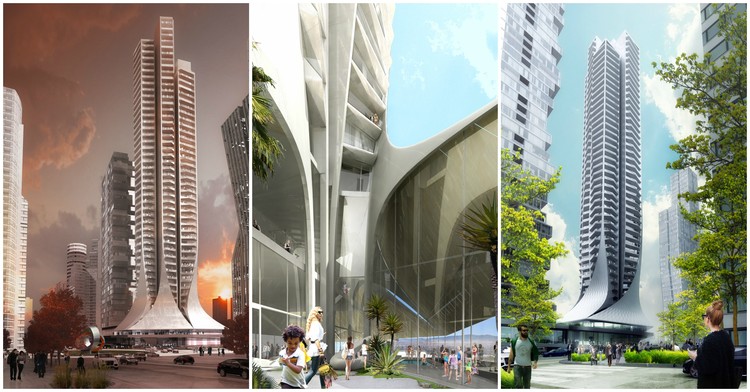
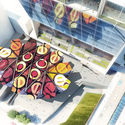
Zaha Hadid Architects has revealed images of their latest design, the Bora Residential Tower in Mexico City, as construction on the project has broken ground.
Commissioned by Mexican developer Némesis Capital in 2015, the new tower will offer a variety of new housing options to the fast-growing neighborhood of Santa Fe, a business district in western Mexico City that is home to 3 universities and the regional offices of high profile tech companies including Microsoft, Apple, Sony, Roche and Amazon.
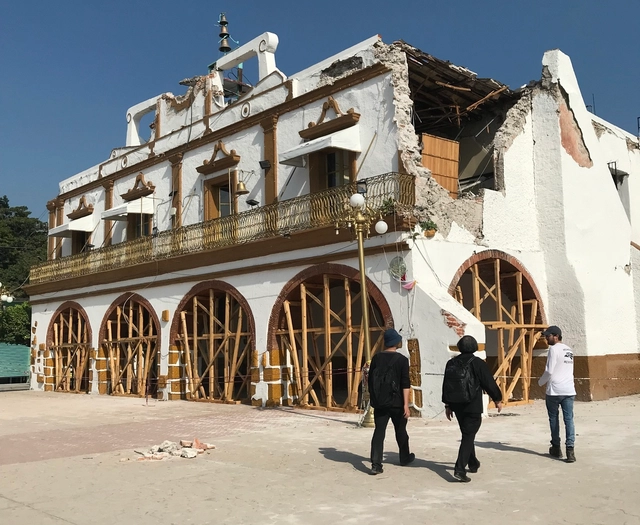
Last week, Mexico received a visit from 2014 Pritzker Prize winner Shigeru Ban, who, following September’s devastating earthquakes, reached out to the country in order to offer support through his experience with humanitarian projects.

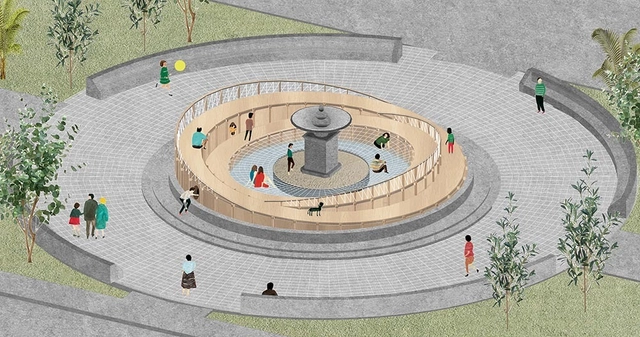
How can play areas in cities open up new ways to interact with and experience space?
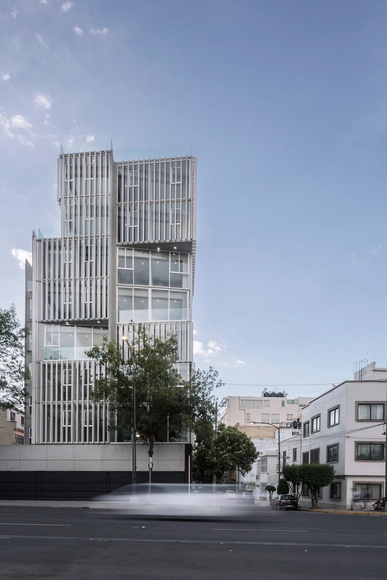
_Jaime_Navarro_6.jpg?1507820280&format=webp&width=640&height=580)
For the 9th edition of Design Week Mexico, emerging Mexican practice Materia has completed a architectural pavilion within Mexico City's largest public green space, Chapultepec Park. Commissioned by Design Week Mexico in collaboration with Museo Tamayo, the pavilion will serve as a major cultural attraction during the event from October 11th—15th, and beyond.
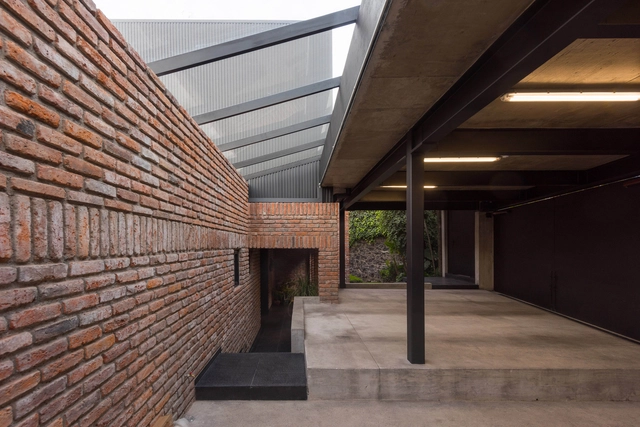




























.jpg?1510256668 "Courtesy of Némesis Capital")


.jpg?1510256643 "Courtesy of Némesis Capital")
.jpg?1510256627 "Courtesy of Némesis Capital")