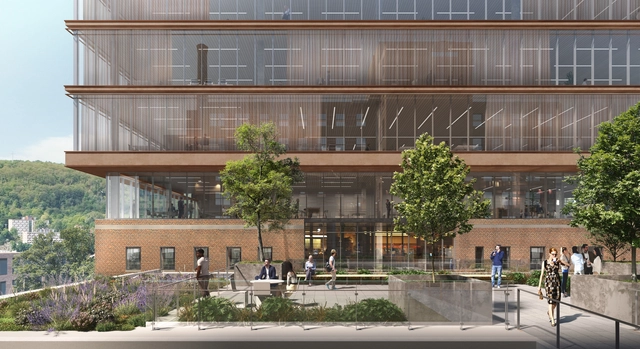
Terrace Garden between both phases. Image Courtesy of NEUF architect(e)s
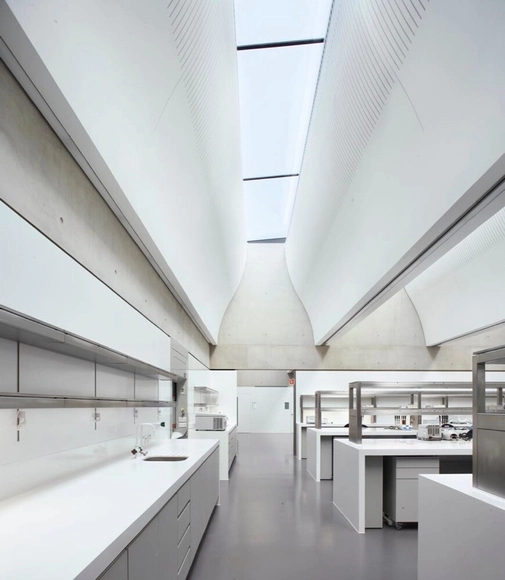
With modern medicine, it may be difficult for many people today to imagine the devastation caused by Tuberculosis (TB) just about 100 years ago. Initially associated with insalubrious, overcrowded conditions, just in Canada it caused the death of approximately 8000 people annually in the late 19th century. During this time, before more advanced treatments were discovered, prescriptions from doctors involved sunlight, fresh air, and rest. As a response, sanatoria were established. These were places where patients could be separated from the community to manage their disease. One testament to that legacy stands in the heart of Montreal: the former Royal Edward Laurentian Institute, later known as the Montreal Chest Institute. Born from crisis, it has since become a symbol of resilience, transformation, and innovation, shifting from a space of isolation to a thriving hub for research and entrepreneurship in the life sciences.
The synergetic relationship between architectural design and scientific discovery tends to be rarely addressed, yet a lucrative proposition. The built environment holds immense potential in supporting research breakthroughs and innovation and the scientific community. The influence extends beyond physical spaces to include both internal dynamics and external engagement through strategic design interventions that connect various caches of impact, from individual researchers to the broader community.
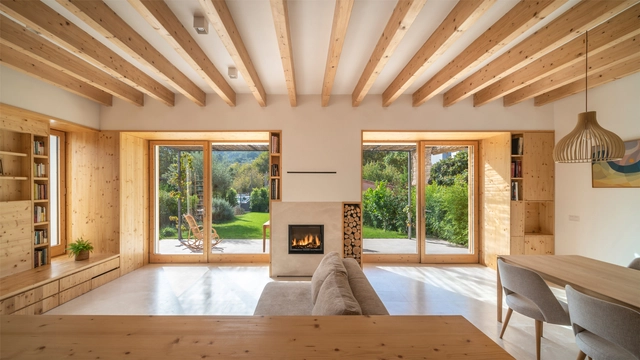
How is it possible to reduce the energy consumption of our homes? What design, material, and/or technological strategies can be developed to achieve interior comfort while also addressing the climate crisis? While achieving energy efficiency depends, among other factors, on the state of the homes, there are various strategies related to the implementation of renewable energies, air conditioning technologies, and more that can be applied, taking into account government policies, laws, regulations, and standards specific to each region.
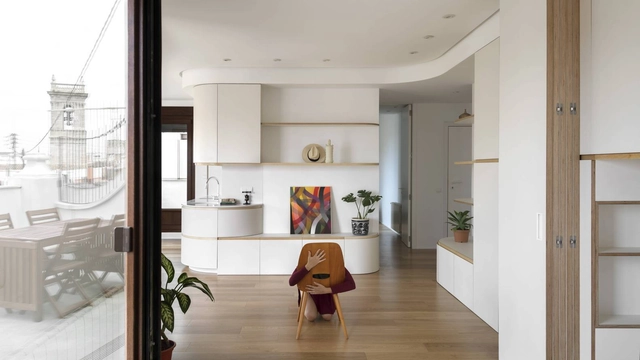
How to design livable spaces, making the most of the available square meters? Currently, the design of housing in major urban centers is often linked to finding ways to optimize interior spaces, integrate environments for better lighting and ventilation, and establish a connection with the outdoors. According to the needs of its inhabitants, project requirements, and often construction costs, architecture professionals seek to provide flexibility, spaciousness, and adaptability to spaces through renovations, transformations, and more, which provide good living conditions and consider the possible changes that future generations may have to face.
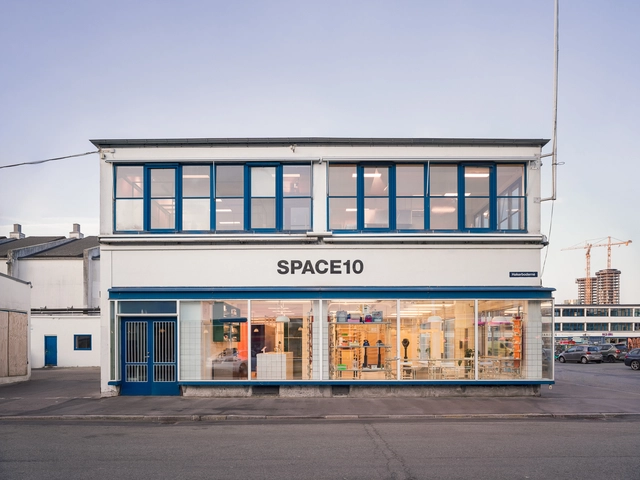
Sede de Copenhague – Fotografía de Hampus Berndtson . Image Cortesía de SPACE10
Ten years ago, SPACE10 was born as a pioneering platform ushering in a novel approach to corporate innovation, consolidating itself for its ability to be open, democratic, driven by a playful purpose, and community-oriented. Composed of a small core team of around 23 people based in Copenhagen, their efforts have focused on combining the power of creativity, science, and technology to find solutions that address the accelerated climate crisis and social injustices.
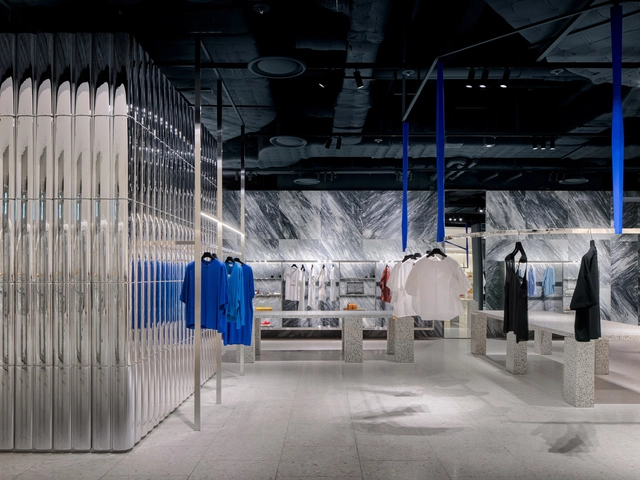
Within the realm of commercial architecture, the design of spatiality can adopt multiple approaches, conceiving proposals that achieve a balance between aesthetics and functionality. Taking into consideration that various cultural variables, social tensions, and economic interests are involved, the construction of these spaces directly involves the interaction between users, brands, and their products, participating in the experience on-site from colors and materials to lighting, climate control, sounds, aromas, and more.
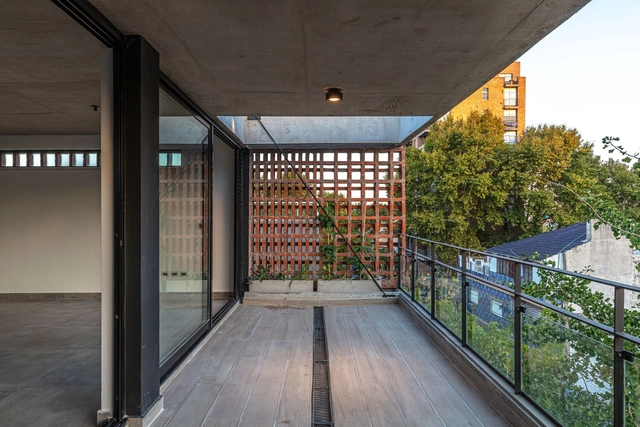
The search for outdoor spaces in dense city dwellings has become for some a necessity and for others a requirement to be fulfilled. In short, it is one of the most sought-after commissions that architects around the world receive on a daily basis. Beyond the fact that this phenomenon has been accentuated during the Covid-19 pandemic, since their origins, these expansion spaces have been conceived not only to increase the use of natural lighting and ventilation but also to promote the indoor-outdoor relationship, giving the possibility to accommodate various uses and functions even when square meters are scarce or when the connection with nature is glimpsed far over the horizon.
Reflecting on what the materials of the future will be like, we will talk about a material that is booming in Barcelona and which perhaps leads us to respond by suggesting that, as always, everything comes back.
For some years now, hydraulic mosaics have been back on trend, generating interest due to their high artisan value and their diverse designs, perfect for combining traditional environments with avant-garde details.
TNC / Taller de Arquitectura de Ricardo Bofill. Image Cortesía de Ricardo Bofill Taller de Arquitectura
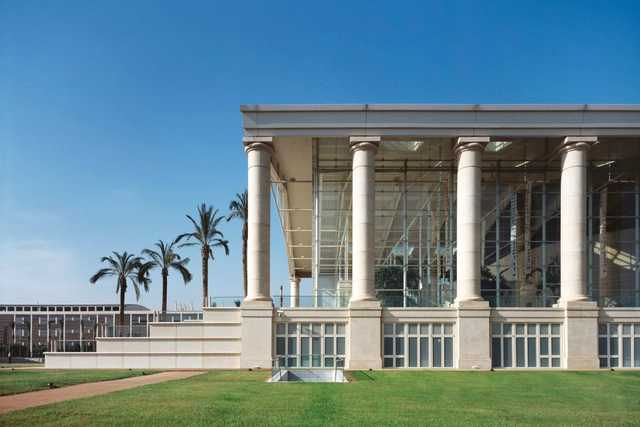
Catalonia's National Theatre, known by the abbreviation TNC, is a public theatre located in the Plaça de les Arts, near Plaça de Glòries, in Barcelona. It is one of the city's most prestigious buildings and one of the most important cultural institutions in Catalonia.
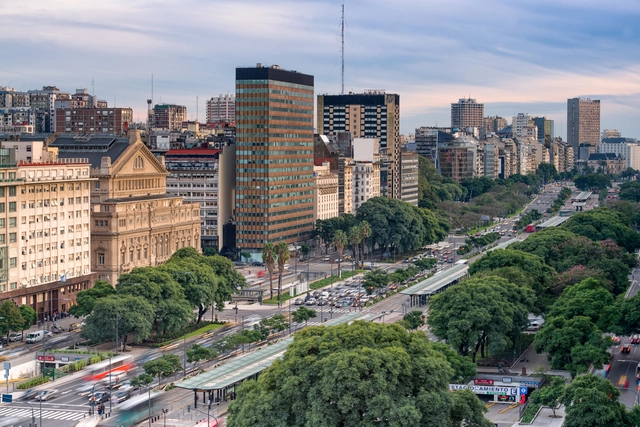
Buenos Aires, Argentina. Image from sharptoyou. Image via Shutterstock
Understanding the diversity and plurality of people who inhabit and pass through cities on a daily basis, gender-responsive urban planning aims to incorporate all those identities, perspectives and activities that have been invisible for years. Understanding the complexities that surround cities and getting involved in the urban experiences of their inhabitants, public spaces turn out to be the scenario for the development of urban life and, as such, should bring together a series of guidelines and considerations in accordance with this new paradigm that act as planning tools, composing this network of spaces and contemplating all the users of the city.
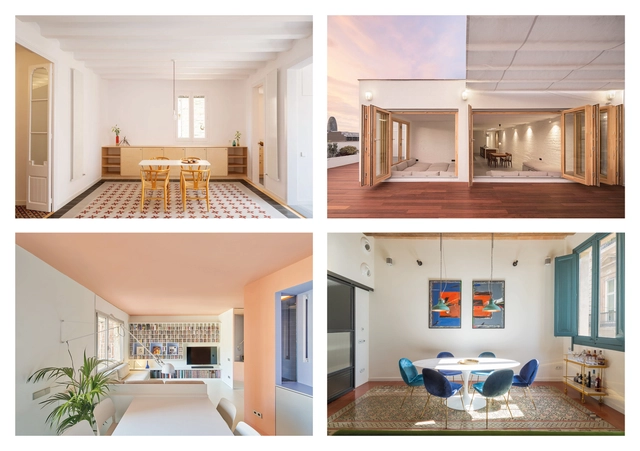
Reforma en Sants, Un oasis en el corazón del Poblenou, Departamento THE DUKE, Reforma de vivienda en la calle Calabria. Montaje con fotografías de reformas en Barcelona. Image via ArchDaily
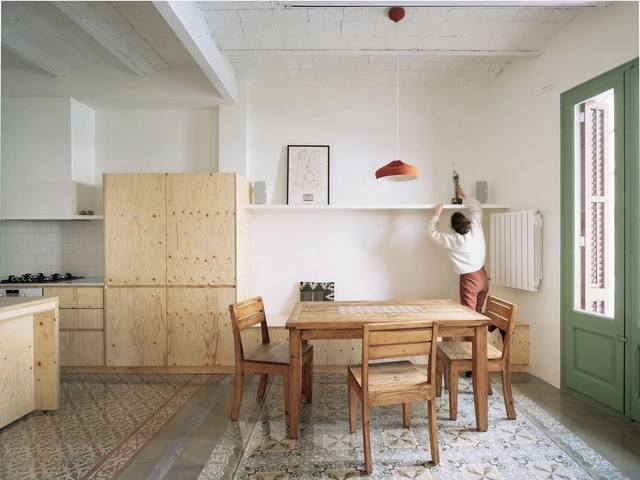
Nowadays, the integral reform of flats in Barcelona is one of the most common activities for both freelance architects and local architectural studios. This is not surprising in a city with more than 4,000 years of history in which there is a lot of buildings and little room for new construction.
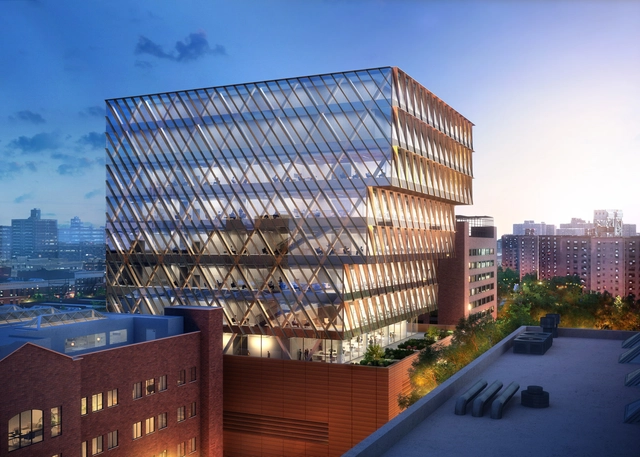
Skidmore, Owings & Merrill (SOM) unveiled its design for the New York City Public Health Laboratory, a ten storey building meant to strengthen the metropole's capability to respond to a variety of public health issues and future challenges. The laboratory is organized within a cubic glass volume stepping outward, which rises from a masonry-clad podium containing community-related functions. In order to give the new facility an active role within the Harlem neighbourhood, the design incorporates a training lab and an auditorium available to the community.