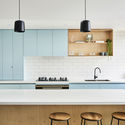
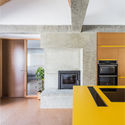
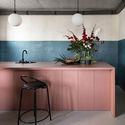
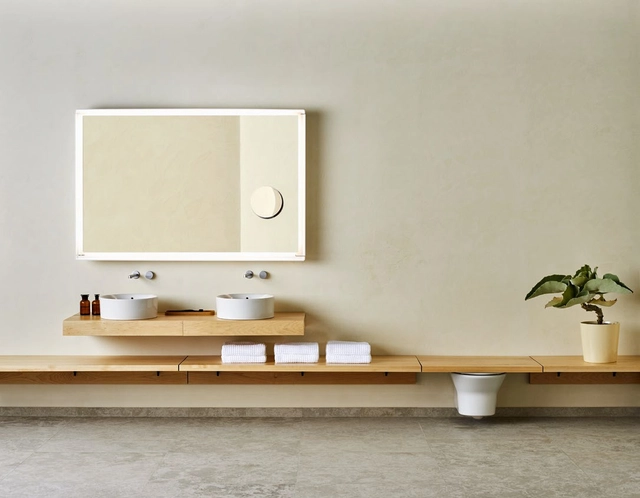
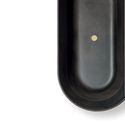
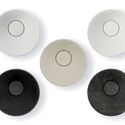
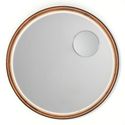
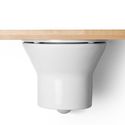
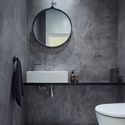
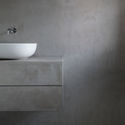
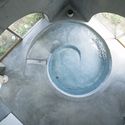
In a balance of aesthetics, performance, and versatility, HIMACS shows a solid surface material of choice for many architects and designers. Taking a further step forward, the entire range of standard HIMACS sinks and basins is now officially SCS certified, containing a minimum of 8% pre-consumer recycled content. This certification enhances the material's technical and visual appeal by providing a more sustainable option without compromising quality or functionality.
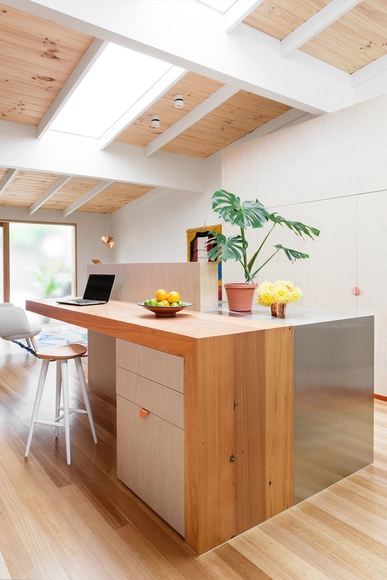
From bathroom vanities with integrated basins to kitchen islands with flush-mounted sinks, HIMACS shapes offer a seamless balance of style and function. Each component integrates effortlessly with the surrounding HIMACS surface, creating a continuous, grout-free finish that is both elegant and easy to maintain.
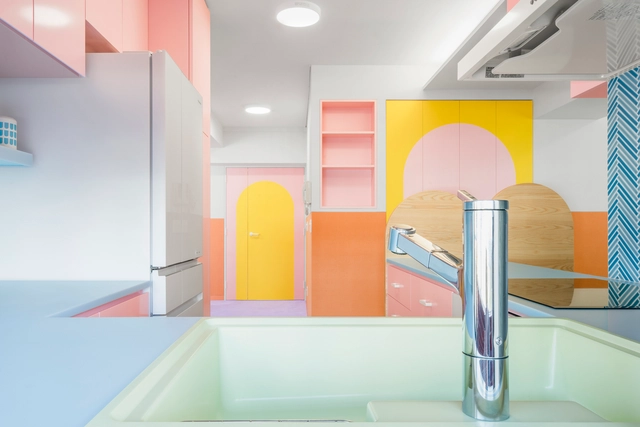
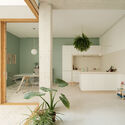
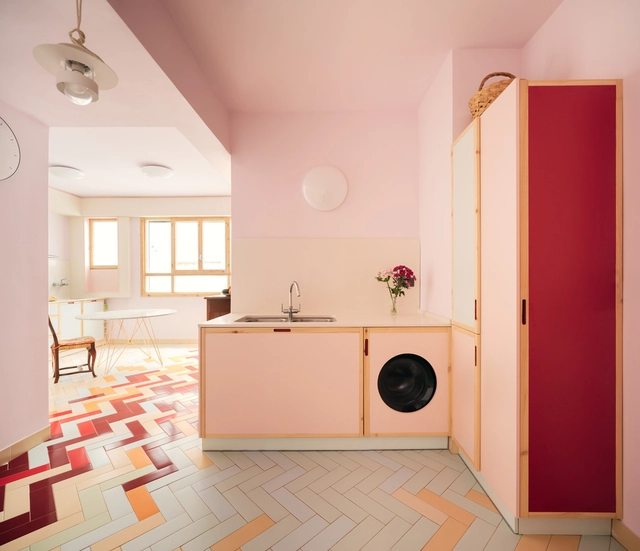
Urban apartments are frequently praised for their clever use of space, but what of their approach to color? Thoughtfully incorporating color is more than an aesthetic decision; it has the potential to shape emotional responses, influence mood, and create spatial illusions. Research in color psychology shows that colors affect our social, cultural, and psychological reactions, making them powerful design tools. Variations of blue, for instance, have been shown to slow melatonin production, keeping people more awake and alert, while shades of green relieve strain on our nervous systems, helping us feel calmer and more grounded. Color in architectural spaces can even alter our perception, creating illusions of depth, movement, and texture that influence how we experience space. Warmer hues like oranges and reds tend to make a room feel more intimate and cozy, while cool whites and blues lend a sense of openness, making spaces appear taller and more expansive.
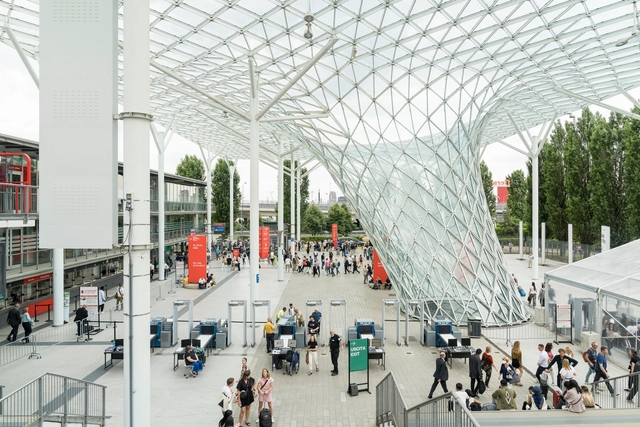
Salone del Mobile.Milano has announced the opening dates and events program, expanding the trade fair event to encompass more narratives and projects relevant to the design community. The 62nd edition will take place at Rho Fiera Ilano from April 16 to 21, 2024. It is expected to include over 1900 exhibitors from around the world, with contributions from emerging designers and several design schools under the recurring SaloneSatellite, now in its 25th-anniversary edition. The cultural program also includes immersive installations, like David Lynch’s “Thinking Rooms.”
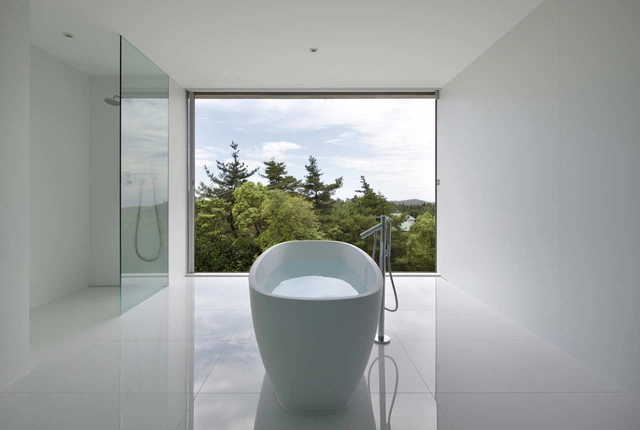
The private space is usually associated with hiding what goes on inside, allowing people to have certain moments of intimacy. Habitually, bathrooms have been designed for this purpose, reducing openings to a minimum or — sometimes — eliminating them completely.
However, being such an important space within a building, bathrooms have become an object of new exploration for architects. By blurring the limits of privacy — without losing it completely — these spaces are open to the outdoors, allowing the breeze to enter. How does this new experience feel? Check out 30 open bathrooms that play with the feeling of exhibitionism, without fully revealing what is happening inside.
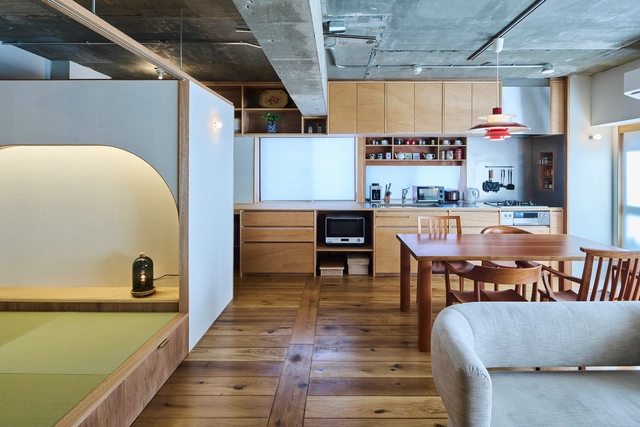
room206 Apartment / Daiki Awaya. Image Courtesy of Daiki Awaya
Kitchens encapsulate the essence of culture, acting as dynamic museums that preserve age-old recipes, processes, and traditions. Influenced by ethnic practices and culinary customs, kitchen architecture varies greatly across continents. In this context, kitchens transcend their domestic role and become insightful manifestations of cultural, societal, and regional factors. They not only serve as functional spaces for cooking and meal preparation but also stand as reflections of the rich tapestry of culture and lifestyles embraced by the individuals who inhabit them.
In residential architecture, there have always been central, indispensable spaces and peripheral spaces more easy to ignore. When designing a home, the task of the architect is essentially to configure, connect, and integrate different functions in the most efficient way possible, necessarily prioritizing some spaces over others. And although today many are designing in ways that are increasingly fluid and indeterminate, we could say that the bedroom, bathroom, and kitchen are the fundamental nucleus of every house, facilitating rest, food preparation, and personal hygiene. Then meeting spaces and other service areas appear, and with them lobbies, corridors, and stairs to connect them. Each space guides new functions, allowing its inhabitants to perform them in an easier and more comfortable way.
However, fewer square meters in the bathroom could mean more space for the living room. Or, eliminating some seemingly expendable spaces could give more room for more important needs. In an overpopulated world with increasingly dense cities, what functions have we been discarding to give more space to the essentials? Here, we analyze the case of the laundry room, which is often reduced and integrated into other areas of the house to give space for other functions.
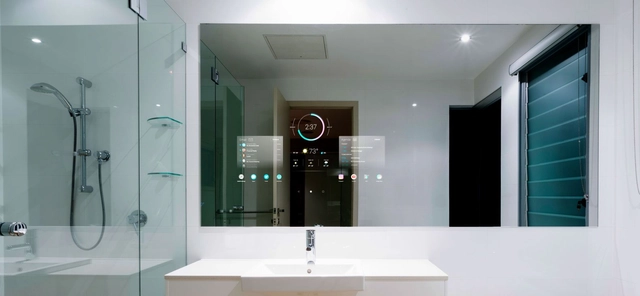
Home automation, from voice-controlled virtual assistants to app-controlled thermostats, has quickly and unexpectedly ushered the future into our own homes. As technology continues to progress, the way we interact with our environment will likely only grow more and more futuristic – even spaces as personal as our home bathrooms. While the prospect of such a highly digitized personal life may be daunting to some, others see this trend’s potential for improving not just comfort, but health and safety as well. Below, we outline some of the technologies that we hope to see in the bathrooms of the future.
https://www.archdaily.com/926022/what-will-bathrooms-look-like-in-the-futureLilly Cao
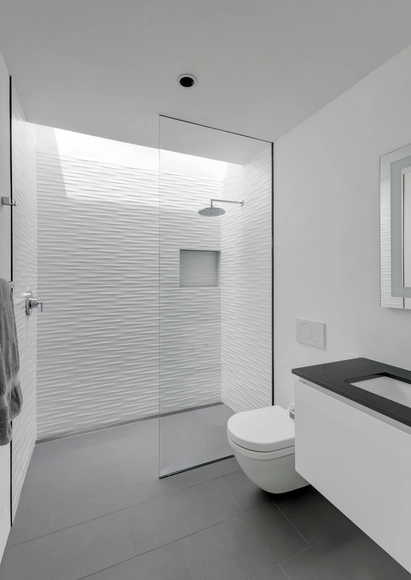
Because it doesn't include a bathtub, or require doors, screens, or curtains, the walk-in shower often makes bathrooms appear larger, cleaner, and more minimalist.
However, some precautions must be taken when designing them. Most importantly, the shower cannot be left completely open, even if it appears to be at first glance. Most designs incorporate a tempered glass that prevents water from "bouncing" out of the shower space, subtly closing the area. When this transparent division doesn't have a frame, the appearance of fungi due to accumulation of water and moisture becomes less likely.
One of the most practical and functional spaces of any residential project is the kitchen. Its artificial surfaces – be it countertops, kitchen benches, or coverings – contain most of the space's equipment. Thus, it’s essential to build kitchens with the most resistant and hygienic materials. Aside from these requirements, it's also important to pay attention to aesthetics and profitability, while adapting the space to the dynamics of each family.
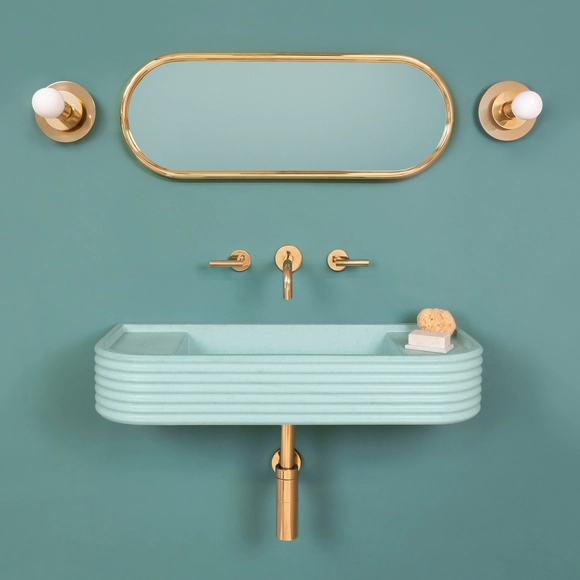
British company Kast has launched a new version of its traditional pigmented concrete sinks. Since concrete is an extremely versatile material, which combines the characteristics of natural stone with the ability to be molded in different forms, the products show carved surfaces with highly defined textures. The exploration of their linear patterns ranges from smooth horizontal ripples to diagonal folds or 'sharp' and vertical grooves. The organic variations in the colors and textures of the surfaces create a different aesthetic that comes directly from the character of the material.
Funded by Norman Foster in 1967, Foster+Partners studio develops projects that integrate architecture and engineering with interior and object design. In a special collaboration with Porcelanosa – experts in the fabrication of furniture and accessories made out of stone, ceramic, brass, wood and KRION®–, they have designed a collection of bathrooms in simple and minimalistic ways, highlighting the essence of the materials and the trade of their fabrication.
The collection has been branded as TONO and its objects can be mixed and adapt to diverse typologies, from residential interiors to commercial spaces and offices.
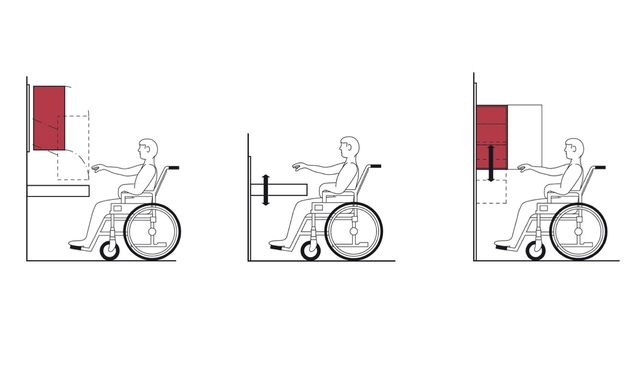
Universal accessibility in architecture refers to the capacity that all people have to access and inhabit a space regardless of their cognitive and physical capacities, and it is a subject that cannot be dismissed. Although little modifications can make a difference, it is ideal for the spaces to be thought out according to universal design guidelines from the beginning.
In the case of the kitchens, a series of new technologies that increase the comfort and efficiency of our daily spaces have made an appearance. Thus, multiplying its functions and allowing better use of the available surface. Let's take a look at the latest innovations presented by Häfele.
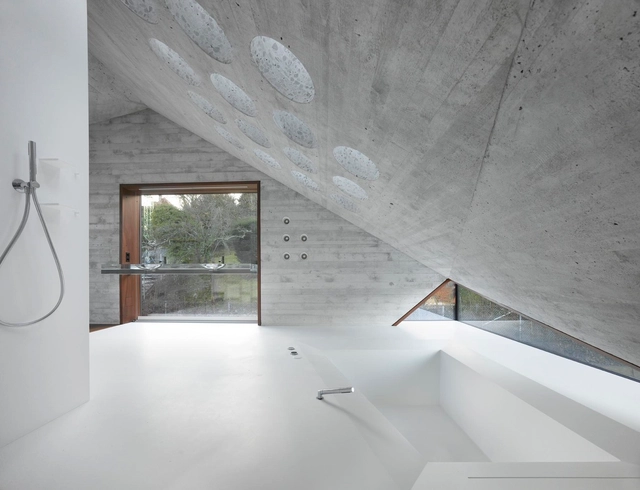
Béton brut or "raw concrete" is a naturally porous material that provides many advantages for the design and build of a bathroom. As a waterproof and pressure-resistant material, it is easy to clean, doesn't deteriorate, prevents bathroom fungus and is low maintenance. Attractive as it is functional, concrete is versatile for both on-site furniture and wall coatings, floors and even shower trays. In addition, due to its thermal mass, concrete is an excellent material for floor heating.
Pro Tip: There are a variety of concrete finishes, but for the safety of daily bathroom users, you must add a surface sealer and a certain percentage of traction to avoid slippage.
Below, we've compiled 26 concrete bathrooms that find intimacy in béton brut.
This collection is one of many interesting content groupings made by our registered users. Remember you can save and manage what inspires you on ArchDaily account. Create yours here.
https://www.archdaily.com/914939/best-concrete-bathrooms-brutalism-in-intimate-spaceMartita Vial della Maggiora