Henning Larsen Architectshas won an invited competition to design a new headquarters for the Central Bank of Libya in Tripoli. Inspired by Libyan vernacular architecture, the structure will occupy two existing site excavations. The first, and largest, excavation will be transformed into a “shaded oasis” that serves both the bank and Gurji district by providing areas for operations, an education center, restaurant and hotel. The second will allow vehicular access to the treasuries.
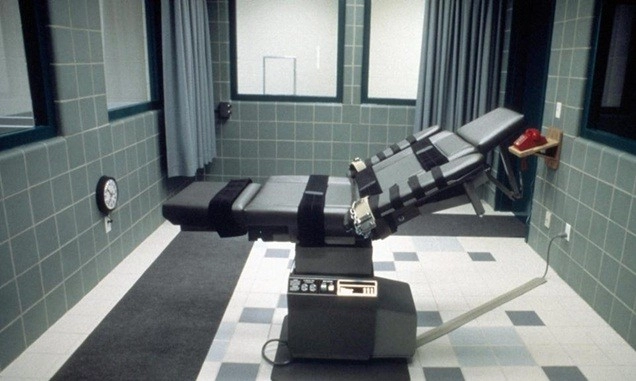
We think of architectural regulations as being there to ensure that buildings are safe for the public. But what if a building’s harm is not caused by unexpected structural failure but by the building performing exactly as intended? Can a building designed to facilitate human rights violations amount to a violation in itself? And what is the responsibility of the architects involved? These are the questions at the centre of the current debate in America around the architectural profession’s involvement in prison design.
Read on for more on the ethics of prison design after the break














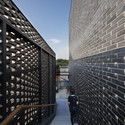
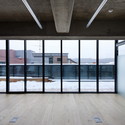
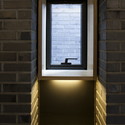
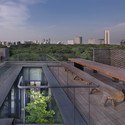




















.jpg?1396878423&format=webp&width=640&height=580)
.jpg?1396878350 "Courtesy of UDG China")
.jpg?1396878423)



.jpg?1396318325 "Courtesy of Plazma Architecture Studio")
.jpg?1396318524 "Courtesy of Plazma Architecture Studio")
.jpg?1396318540 "Courtesy of Plazma Architecture Studio")
.jpg?1396318697 "Courtesy of Plazma Architecture Studio")
