
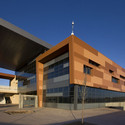
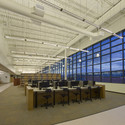

- Year: 2008



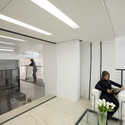
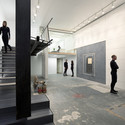
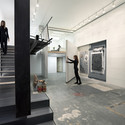
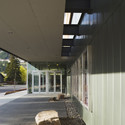
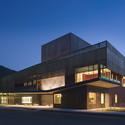
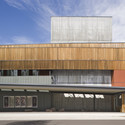
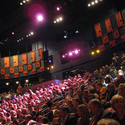
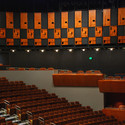
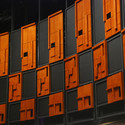
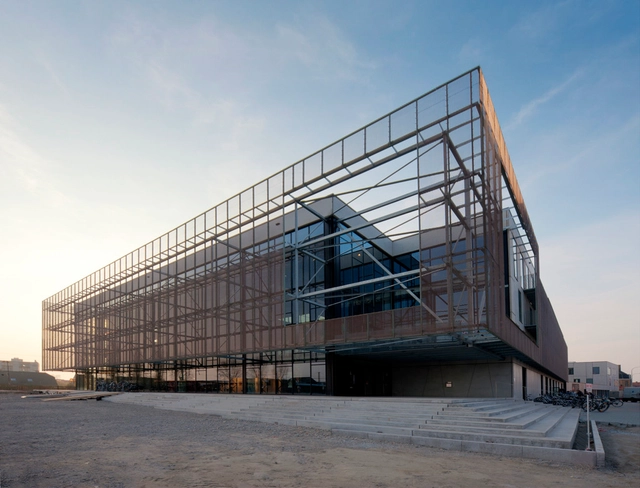
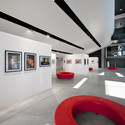
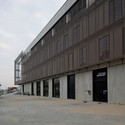
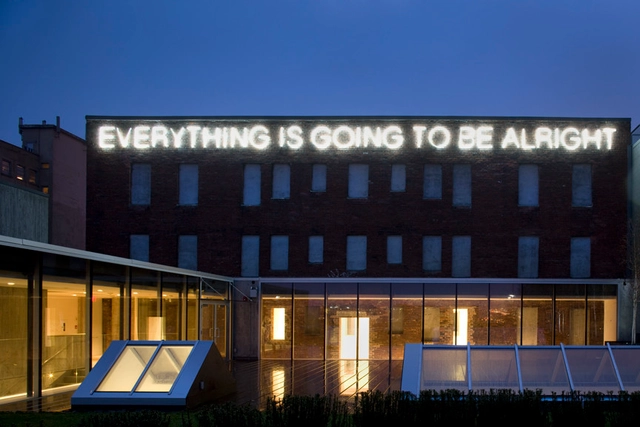
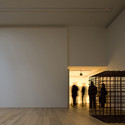
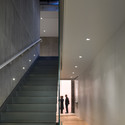
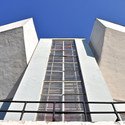
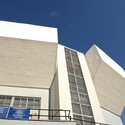
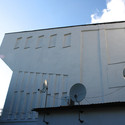
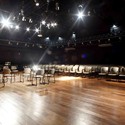
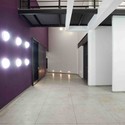
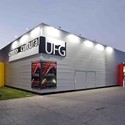
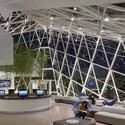
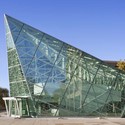
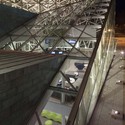
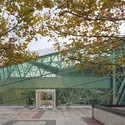
Carefully studying the circulation of the Cros Old factory buildings and in knowing, that when considered together, the three existent buildings have a great value for its urban and architectural system, volumetric plastic qualities and spatial configuration, Díaz y Díaz Architects sought an integration of architectural space. In doing so, their design is perceived as a unified whole. More images and architects’ description after the break.


Venice is commonly regarded as one of the wonders of the world, attracting over 17 million tourists each year. However, the city of Venice faces ongoing problems that threaten its ability to stay above water. The city’s flooding issues are notorious around the world. Every year water surges through its legendary labyrinth of streets wreaking havoc on architectural gems such as the Palazzo San Marco. With its architecture under threat, and dwindling population as many young people flock to the mainland, it is appropriate to think of Venice as a dying relic.

Peter Ruge Architekten shared with us their entry for an international competition to design a new opera and theatre house in Busan, Korea. The city of Busan has a specific geography consisting of mountain areas that connect directly to the Pacific Ocean, great nature, a high population density, and an urgent demand for public spaces to be used by the inhabitants. By taking advantage of these characteristics, they were able to develop the concept for their design. More images and architects’ description after the break.
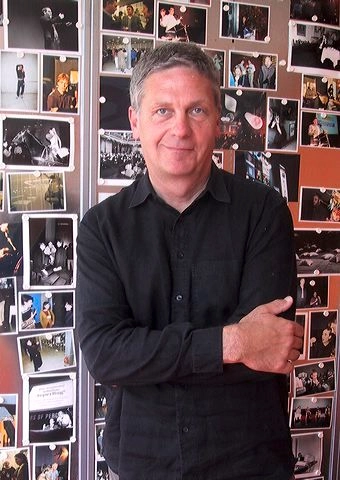
In his forthright and insightful essay, designer/author/Doors of Perception director John Thackara discusses problems with today’s design completions and offers up some compelling suggestions for change.
Complaints range from moralistic, “competitions are too often staged for wrong or unclear reasons;” to humanistic, “attention is usually focused on the thing rather than on the person or team behind the thing;” to mundane, “there is seldom enough time in the judging process to assess entries adequately.” I assume such complaints are obvious to anyone on the judging-side of the design competition world, and that saying all this out loud might come off as obnoxious, but as a recent architecture school graduate I appreciate Thackara’s full disclosure. Knowledge is power, y’all. Likewise, Thackara’s proposed redesigns range from pragmatic, “get real: Insist on external partners and a live context,” to idealistically postmodern, suggesting competitions “ask entrants to create platforms and contexts in which diverse groups of people may co-design the systems, institutions and processes that shape our daily lives.” As reasonable as the suggestion may be, allusions to leftist, Los Angeles School-style activism might cause some readers to lose interest.

Vernacular architecture, the simplest form of addressing human needs, is seemingly forgotten in modern architecture. However, due to recent rises in energy costs, the trend has sensibly swung the other way. Architects are embracing regionalism and cultural building traditions, given that these structures have proven to be energy efficient and altogether sustainable. In this time of rapid technological advancement and urbanization, there is still much to be learned from the traditional knowledge of vernacular construction. These low-tech methods of creating housing which is perfectly adapted to its locale are brilliant, for the reason that these are the principles which are more often ignored by prevailing architects.
More on vernacular architecture after the break.

FILTER Architecture’s design for the Historical Park of Medieval Bosnia was prompted by the idea of an exhibition space forming an integral point of the large Kamberović Park alongside the River Bosna, in the center of the town of Zenica. The concept was based on a deterministic approach to history – as a series of causes and consequences, while avoiding falling into a trap of a pathos-ridden and artificial representation of a part of our national history. More images and a brief description after the break.

AGER Group’s Boston Studio won an Excellence Award winning first prize for the Kaohsiung Port Station Urban Design competition initiated by the Urban Development Bureau of the Kaohsiung City Government in Taiwan. The 15.42 hectare site is located between the Hamasen and Yenchen historic commercial centers of the 1920’s and 40’s and at the intersection of three of Kaohsiung’s thriving neighborhoods home of the recent Maritime Music Center and Port Terminal competitions. The competition aimed at transforming the historic rail yard and port station into a new city destination, creating a progressive model for local urban renewal. More images and architects’ description after the break.