Nearly four months after the World Health Organization (WHO) declared a public health emergency of international concern on January 30, the number of coronavirus cases in the world continues to grow. Although some countries, where the virus transmission rate has declined, are reopening businesses and returning to normal, the impacts of the pandemic are continuing to influence people's daily lives, affecting not only the population's health but also their jobs, habits and the economy. Such changes may still endure and may have an impact on the future of architecture and construction, given the prospect of a crisis in the sector.
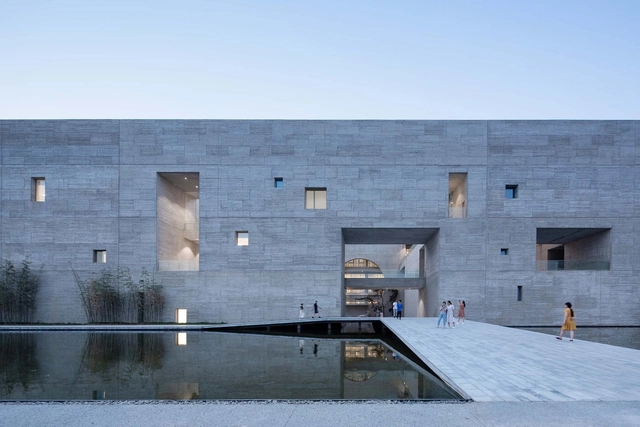
As a Chinese architectural educator and practicing architect, Zhu Pei has founded Studio Zhu-Pei in 2005. Since then, he has been focusing on cultural architecture in both theoretical and practical ways. Based on the concept of 'natural architecture’, he has designed a series of experimental and artistic buildings.
https://www.archdaily.com/940758/interview-of-zhu-pei-reflects-on-covid-19-s-impact-on-architectural-design-and-education韩双羽 - HAN Shuangyu
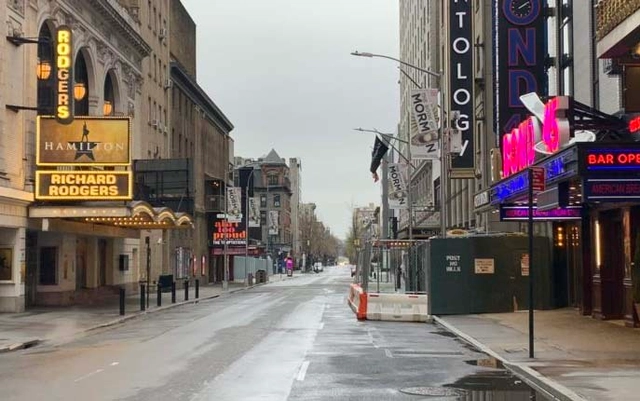
New York City: locked down, empty. It was heartbreaking, of course, but it was also beautiful. For artist Edgar Jerins, that revelation was something of a surprise. Who knew this bustling, chaotic, dirty, vibrant, profane, amazing city could look so … gorgeous when stripped of people and activity? For years, Jerins rode the subway to his studio near Times Square. When news of the spreading pandemic first surfaced—more as a vague, undefined threat, initially—he fled out of fear to the bus, and then, after the severity of the event became apparent and the lockdown began, he borrowed his daughter’s bicycle.
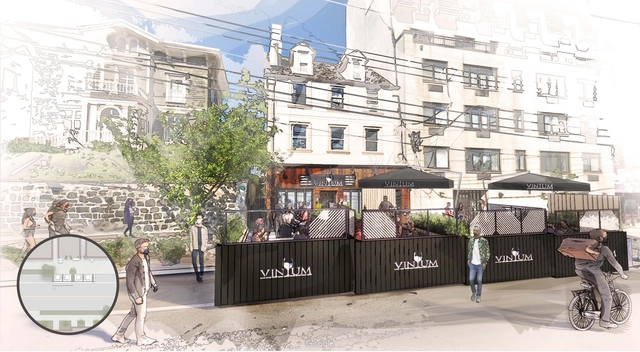
David Rockwell and his team at Rockwell Group proposed an open streets initiative, a template for outdoor dining, in order to help bars and restaurants reopen post-pandemic. The design strategies illustrate practical solutions to make everyone feel safe.
Due to the COVID-19 crisis, the world is in isolation and everyone is confined in their own house. In an attempt to analyze and understand how people are dealing with forced isolation in their current living conditions, KAAN Architecten has released an online survey that questions the space we are currently living in and how it influences our mood.
For students graduating this year with the global economy on pause, “commencement” might feel more like entering limbo. But while today’s crisis is unique, it’s not the first recession within memory. Many architects and designers at SOM have faced periods of uncertainty and often learned valuable lessons along the way. In turn, the team decided to share their stories.
The Midnight Charette is an explicit podcast about design, architecture, and the everyday. Hosted by architectural designers David Lee and Marina Bourderonnet, it features a variety of creative professionals in unscripted conversations that allow for thoughtful takes and personal discussions. A wide array of subjects are covered with honesty and humor: some episodes provide useful tips for designers, while others are project reviews, interviews, or explorations of everyday life and design. The Midnight Charette is also available on iTunes, Spotify, and YouTube.
This week hosts David and Marina are joined by Marc Neveu—Chair of Architecture, The Design School, Arizona State University and Executive Editor of the Journal of Architectural Education; Renée Cheng—Dean of the College of Built Environments, University of Washington; and Kiel Moe—Gerald Sheff Chair in Architecture, School of Architecture, McGill University to discuss how COVID-19 has impacted teachers and students, the future of education (changing studio, reviews, and lectures), and more. Enjoy!
https://www.archdaily.com/940505/covid-19-and-the-future-of-architectural-educationThe Second Studio Podcast
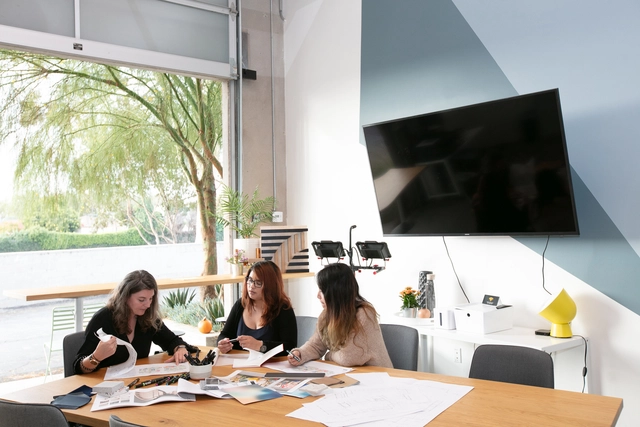
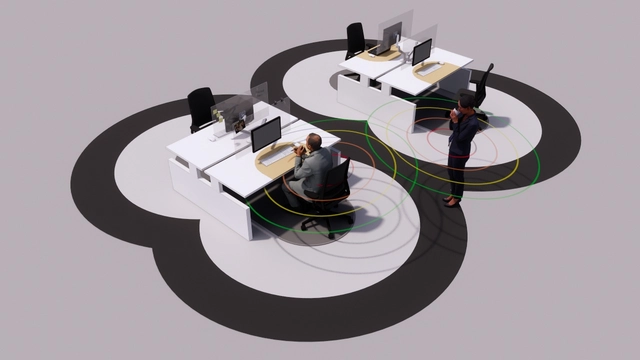
Many of us spend more time at our offices than ever before and sometimes see our colleagues more than our own families. Workplaces can be considered to be our second homes, which is why the way we deliberately design them in the present day has garnered so much attention. The overarching design of workplaces aims to create a perfect balance between heads-down focus work and layers of collaboration to improve the productivity and general well being of employees. As workplace trends come and go, there’s a new progression on everyone’s minds- and it predicts what a post-COVID-19 office might look like both in the immediate and long term future. Although there’s no crystal ball answer, many architecture firms, research groups, and real estate companies have been tapped to ideate and implement forward-thinking design solutions and health safety policies that will be critical in redefining how we utilize our workplaces for the years to come.
Videos
Courtesy of Delfino Sisto Legnani and Marco Cappelletti
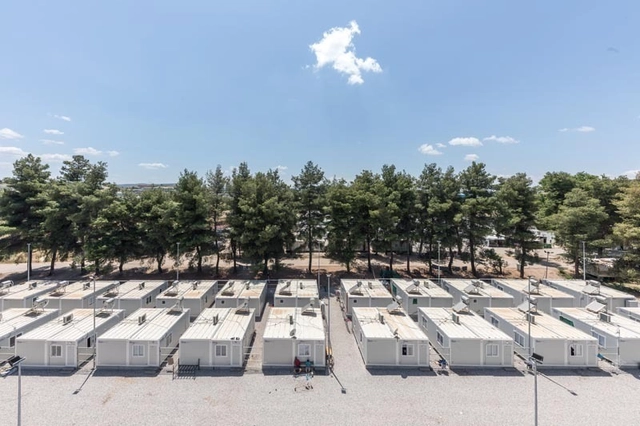
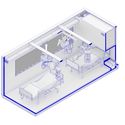
As the healthcare infrastructure is becoming overwhelmed and hospitals around the world are reaching their capacities, new alternative possibilities are emerging. In response to bed shortage and facility saturation, architects around the world are taking action, in the on-going fight against the coronavirus. Focusing their knowhow to find fast and efficient design solutions that can be implemented anywhere, they are proposing flexible, fast assembled, mobile, and simple structures. With a very tight timetable, some projects are already implemented and in service, while others remain on a conceptual level, waiting to be adopted.
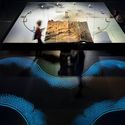
Next year’s Tallinn Architecture Biennale (TAB) has been postponed until 2022. Announced by the Estonian Centre for Architecture, the 6th edition has been adjourned “due to the postponement of the Venice Architecture Biennale as well as the uncertain times that international cultural events are facing because of the coronavirus outbreak”.
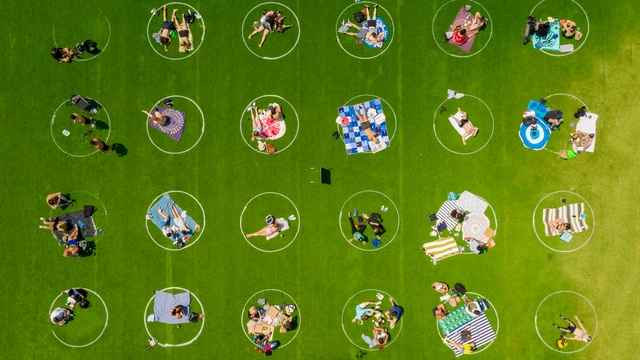
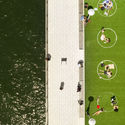
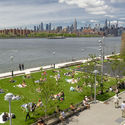
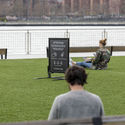
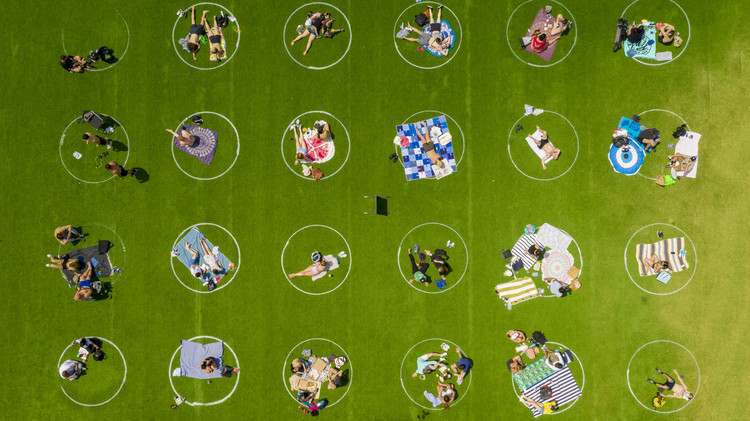
While all public spaces around the world are trying to innovate and implement safety measures to open during the coronavirus pandemic, Domino Park has introduced a series of painted social distancing circles. This strategical urban design intervention ensures that people are “following proper social distancing procedures recommended by the CDC and government”.
As the world is slowly reopening, easing lockdown measures, everyone is adapting to new realities. Imposing drastic adjustments to our lives, the coronavirus has introduced a new “normal”, changing our perceptions and altering our priorities. Driven towards questioning and evaluating our environment, we are constantly reacting and anticipating a relatively unknown future.
A casual conversation between two editors at ArchDaily generated this collaborative piece that seeks to investigate the current trends, predict the future, and offer insights to everyone/everything related to the architectural field. Tackling the evolution of the profession, the firms, and the individuals, especially young adults and students, this article, produced by Christele Harrouk and Eric Baldwin, aims to reveal what is happening in the architecture scene.
Courtesy of K-12 Education team at Perkins and Will
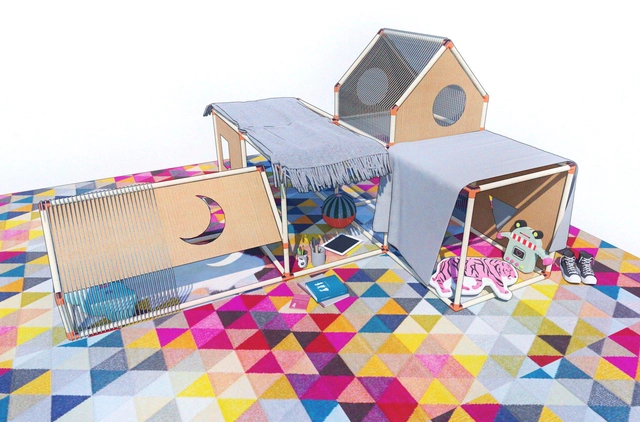
The K-12 Education team at Perkins and Will designed a blanket fort to help family members tune each other out during COVID-19. Easy to reproduce, the architects released a series of rendered images and plans to assist people at home in creating this space.
Perkins and Will have generated a set of strategies, grounded in public health guidance, to help offices resume their work during COVID-19. Focusing on the transition phase, the guideline helps employers draw a road map for safe return.
The World Health Organisation (WHO) supports that even if vaccines are found, COVID-19may never go away. ‘Post-virus’ recovery mechanisms suddenly become out-of-place and obsolete. If we wait for the coronavirus crisis to be over to tackle climate change, then many of us may be swimming in deep waters. Coordinated and immediate actions, coupled with planetary-scale cooperation, to tackle both crises in parallel is now needed. For cities, this means adopting mechanisms that enable both economic recovery and sustainable transitions.
https://www.archdaily.com/939930/a-call-for-global-cooperation-for-sustainable-urban-transitionsZaheer Allam, Gaetan Siew and Felix Fokoua
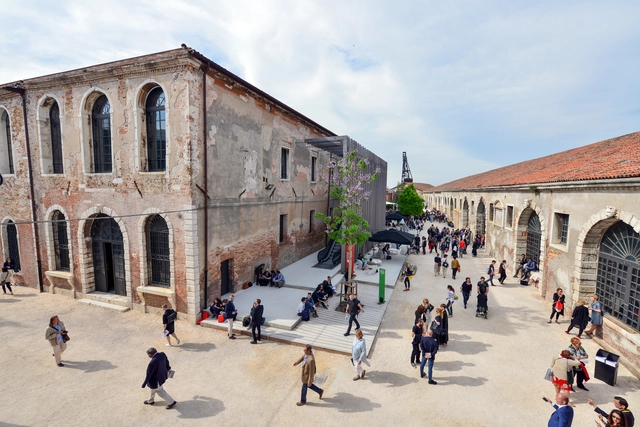
La Biennale di Venezia has just announced that the International Architecture Exhibition – How will we live together? — curated by Hashim Sarkis, will be postponed once more, and will be held from May 22 to November 21, 2021.
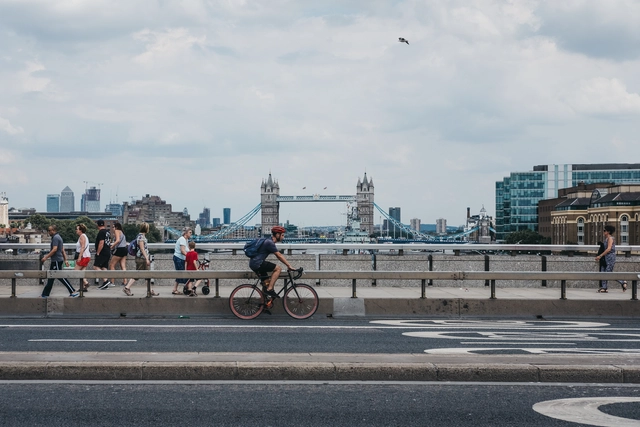
Cyclist and pedestrians on London Bridge, London, UK, River Thames and Tower Bridge on the background. Image via Shutterstock/ By Alena Veasey
After Milan and Paris, London has announced its plans to transform large areas in the city, converting streets to car-free zones, as the coronavirus lockdown loosens up. Repurposing the city for people, London aims to emerge differently from the pandemic, supporting a low-carbon and sustainable recovery. Works have already started and are expected to be completed within six weeks.
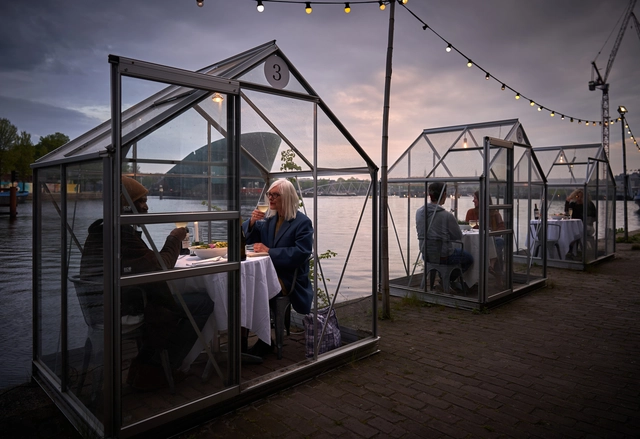
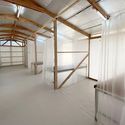
Renovated recently, Mediamatic ETEN, the restaurant of the Art Center Mediamatic in Amsterdam, has created a new safe dining experience entitled Serres Séparées, taking into account required social distancing measures. Putting in place private and intimate “quarantine” greenhouses, or chambres séparées, people can reconnect and dine outside in a safe environment.








.jpg?1590479205&format=webp&width=640&height=580)
.jpg?1590479740 "TAB 2019 \"Beauty Matters\", Head Curator Yael Reisner. Image © Tõnu Tunnel")
.jpg?1590479729 "TAB 2019 \"Beauty Matters\", Head Curator Yael Reisner. Image © Tõnu Tunnel")

.jpg?1590479205)