For more than a century, a street market known as ‘The Blue’ was the beating heart of Bermondsey in Southeast London. On Saturdays gone by, hundreds flocked to the historic neighborhood, a site with roots reaching back to the 11th century when it was once a pilgrimage route to Bermondsey Abbey. Market punters used to sample goods from more than 200 stalls that famously sold everything under the sun. “You can buy anything down The Blue” was the phrase everyone went by.
Videos
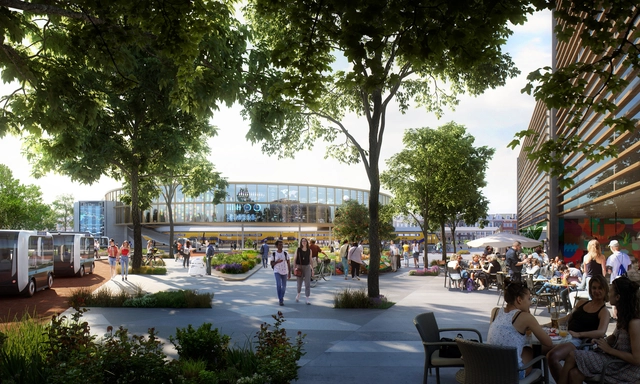
Brainport Smart District Master Plan. Image Courtesy of UNSense
UNStudio has recently published a report exploring the broader scope of community building and placemaking in the post-pandemic urban environment. Through examples from their practice, UNStudio highlights various design strategies currently incorporated in architecture and urban planning that cater to the universal and crucial need to connect socially. In addition, the practice stresses the importance of “ third spaces” and human-scale connectivity, as well as the blending of digital and physical spaces of interaction.
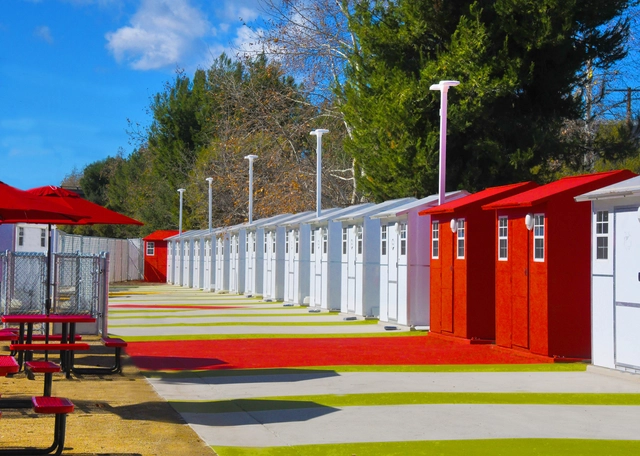
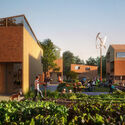
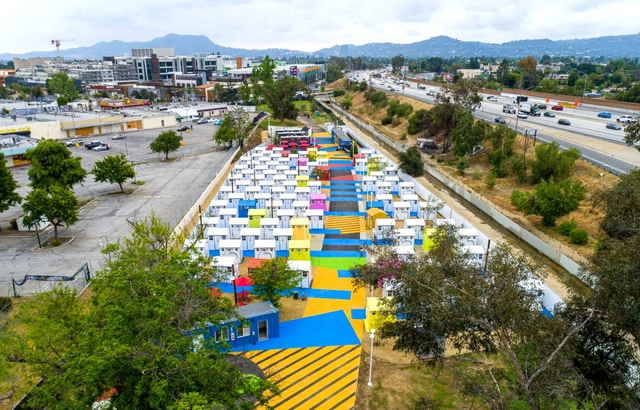
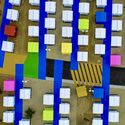
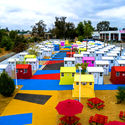
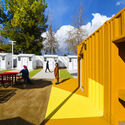
Alexandria Park Tiny Home Village. Image Courtesy of Lehrer Architects
Lehrer Architects converts several leftover plots in Los Angeles into micro-homes developments, unfolding an experimental template for tackling homelessness. Together with the Bureau of Engineering for the City of Los Angeles, the architecture firm creates an efficient yet functional design using prefabricated pallet shelters and brings character to the project through vibrant colours to shape a new sense of community and restore dignity through design.
Denise Scott Brown once said: “Architecture can’t force people to connect; it can only plan the crossing points, remove barriers, and make the meeting places useful and attractive.” Although it cannot control the outcome, architecture holds the potential to set the stage for chance encounters and social interactions, thus nurturing community building and influencing the fabric of our social culture. The following explores how architecture can improve the social capital of its surroundings through design strategies and thoughtful programming, creating the fertile ground for social interaction among different groups of people.
Videos
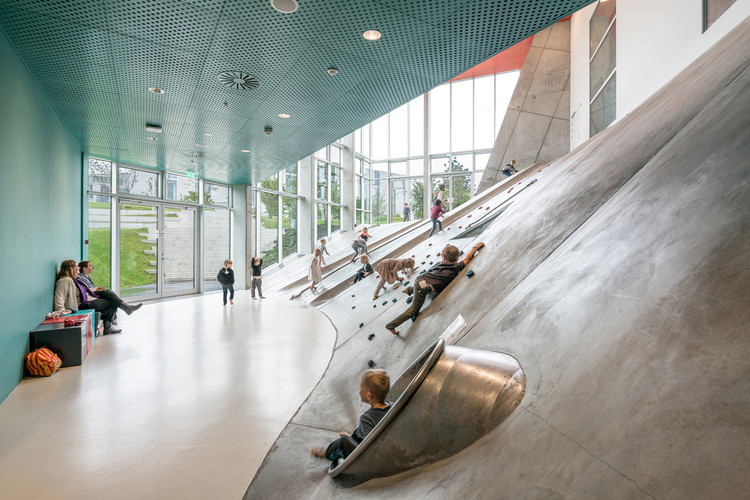
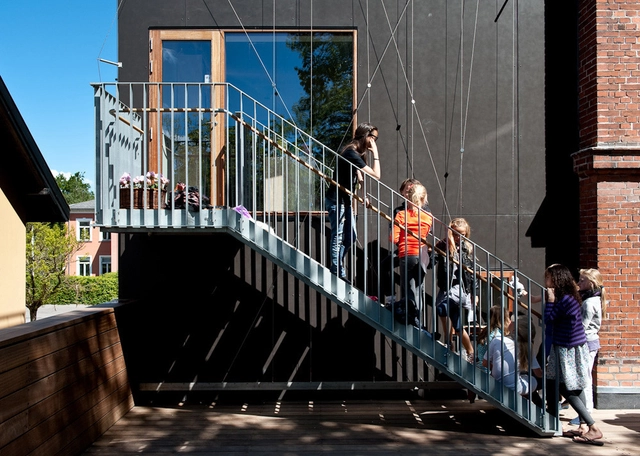
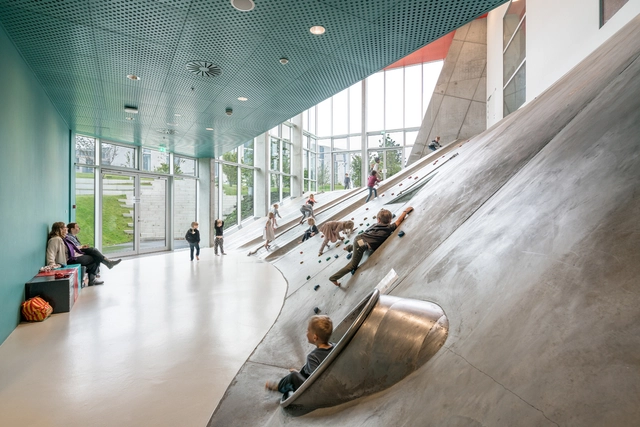
Bernadotte School Extension / Vandkunsten Architects. Image Courtesy of Adam Mørk
Louisiana Channel has recently published a second piece of their interview with Jens Thomas Arnfred and Søren Nielsen co-founders of the award-winning Danish practice Vandkunsten Architects. In this short video, the two architects talk about nurturing the sense of community through design and reflect on the studio's preoccupation with fostering social encounters within their projects.
Jeff Whittington, Executive Producer and Host for KERA 90.1 Will Moderate "Economics and Architecture" for Dallas Architecture Forum
Dallas Architecture Forum, a non-profit organization dedicated to providing public education about architecture, design and the urban environment, will continue its 2015-2016 Panel Discussion Series on Tuesday, May 10, 2016 with “Economics and Architecture” moderated by Jeff Whittington, Executive Producer and Host at KERA 90.1.
Nan Ellin, Dean of the College of Architecture, Planning & Public Affairs at UTA Will Moderate "Village Redux" on March 22. Photo Courtesy of Nan Ellin
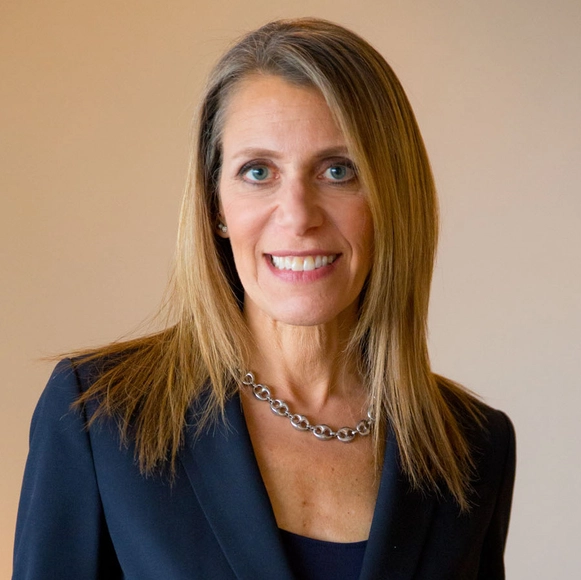
Dallas Architecture Forum, a non-profit organization dedicated to providing public education about architecture, design and the urban environment, will continue its 2015-2016 Panel Discussion Series on March 22, 2016 with “Village Redux: Co-Housing and Pocket Neighborhoods,” moderated by Nan Ellin, Founding Dean of the College of Architecture, Planning and Public Affairs at the University of Texas at Arlington.
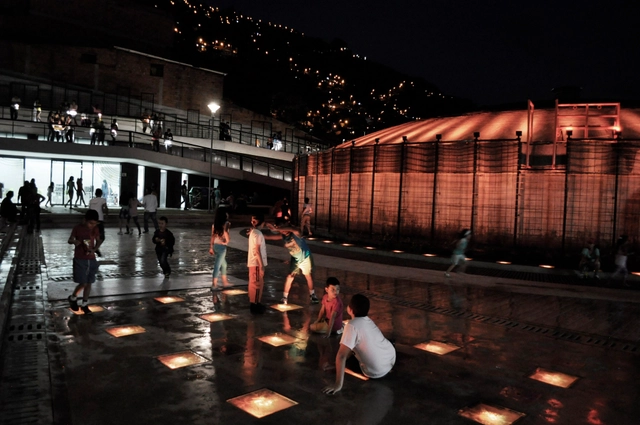
With a high-density population and a history of internal armed conflict, the city of Medellín in Colombia lacked substantial public space, but had an overwhelming amount of industrial infrastructure in place. But as profiled by The Architectural Review, recently architects and urban planners of the EPM group saw this imbalance as an opportunity, and so in the uninhabited patches of land surrounding over one hundred fenced industrial lots, the UVA or Unidades de Vida Articulada (Units of Articulated Life) program was born. Including initiatives to build public classrooms, launderettes and cafés, the UVA projects were conceived together with the local population through a series of workshops, where every resident was invited to express their vision for the new public square through writing and drawing. Medellín, existing at the convergence of several hills, provides a wide variety of unique landscapes for architects to experiment on - and through the UVA projects, EPM Group demonstrates how architecture can empower a community from the first day of design. Read more about how this project will continue to instigate positive change at The Architectural Review.
Videos
Courtesy of Metropolitan Redevelopment Authority
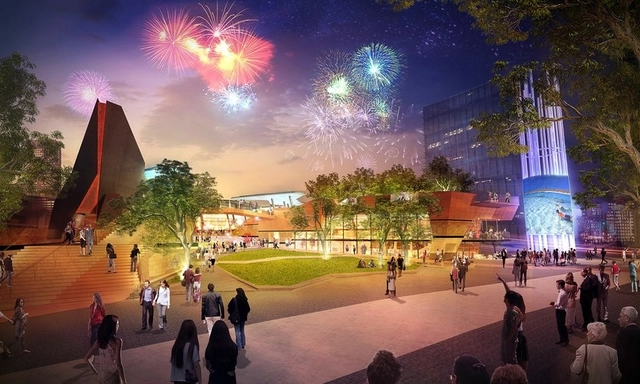
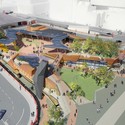
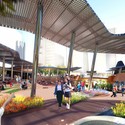
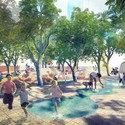
The Metropolitan Redevelopment Authority of Perth has released conceptual images for what is to become the city’s latest public space, designed by a team comprised of Aspect Studios, Iredale Pedersen Hook, and Lyons Architecture. With construction to begin in mid-2015 and slated for completion in 2017, the square takes its name from Yagan, an Indigenous Australian warrior of Perth’s local Noongar people. Integral to early resistance against British colonization, Yagan’s tenacity, leadership, and subsequent execution by settlers have cemented his role in Indigenous Australian folklore. Read more about this significant acknowledgement of Indigenous history after the break.
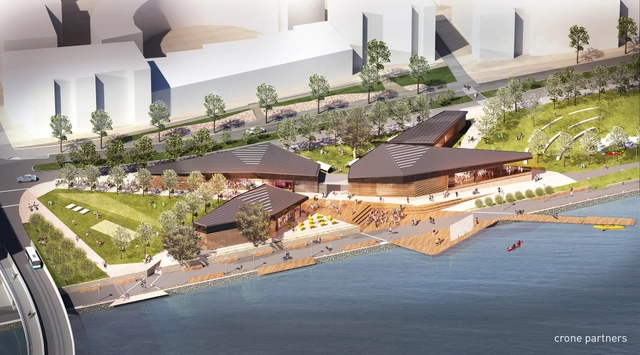
Australian practice Crone Partners has recently won a competition to design a new community precinct in Rhodes, New South Wales. Starting with the intention to rethink the traditional community building and civic space typology, Crone Partner's winning design features clusters of spaces with programs subdividing by size and demands. In moving away from traditional public buildings, which are "characterised by [their] scale, elaborate and sometimes extravagant aesthetic", their proposal was no longer "constrained by a singular form".
The Make It Right organization, Brad Pitt's LEED and Cradle-to-Cradle inspired efforts to bring sustainable homes to communities in need, is probably best none for its much publicized work in the Lower Ninth Ward of New Orleans in the post-Hurrican Katrina climate. But the breadth of this organization's work stretches beyond this community rebuilding project. Make It Right has worked within several disadvantaged communities in an effort to build sustainable and supportive homes and neighborhoods through the development of residences, community centers and infrastructural elements, and by providing training and counseling.
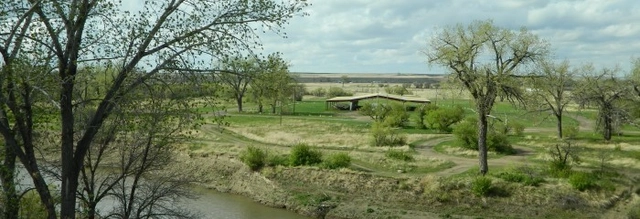
MIR is working in Newark, New Jersey bringing residences to disabled veterans; in Kansas city, Montana the organization is rebuilding a blighted community within the neighborhood of Manheim Park; and most recently is partnering with Sioux and Assiniboine Native American tribe members to build sustainable homes on the Fort Peck Reservation in Montana.







_Hedrich_Blessing_015.jpg?1596657514 "Arcus Center for Social Justice Leadership. Image © Steve Hall")