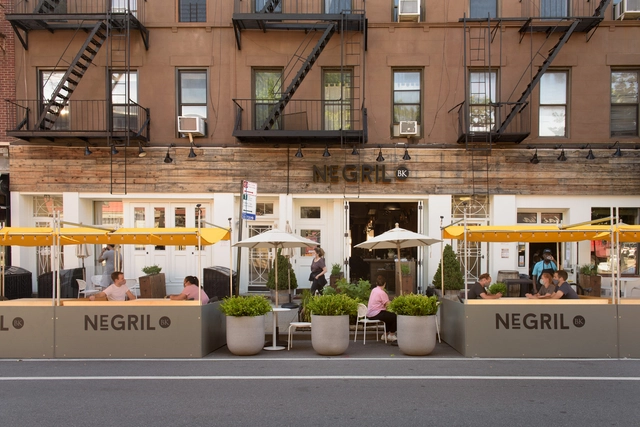
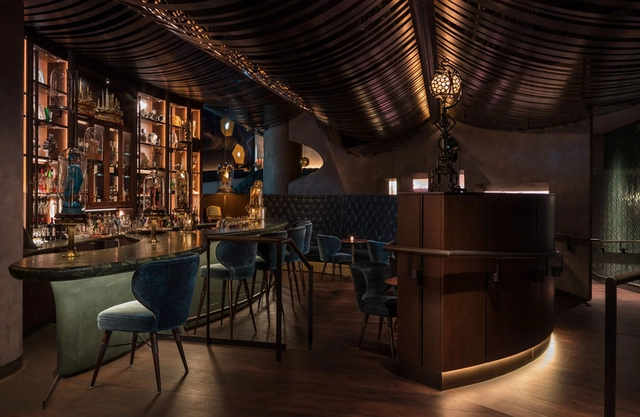
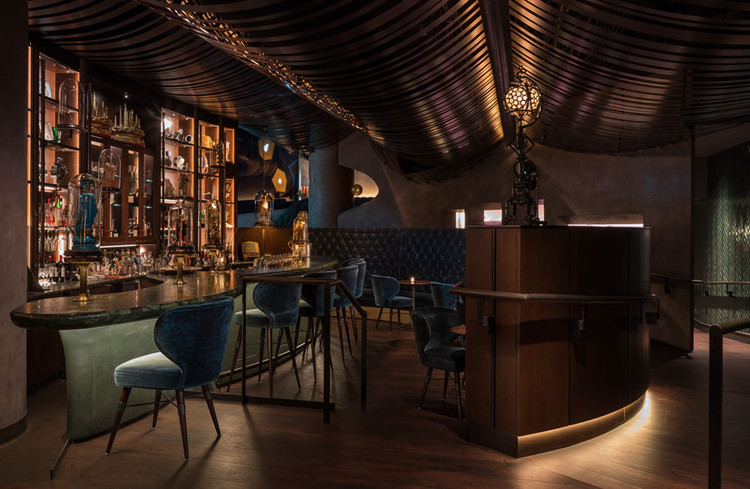
Outdoor dining has proven to be something of a lifeline for restaurants not only in New York but around the country, as indoor dining remains far out of reach at this point in the novel coronavirus crisis. Faced with restrictive mandates, however, architects, planners, and restaurateurs across the U.S. have been forced to come up with creative ways to keep patrons uninfected while assembling aesthetically pleasing outdoor dining areas.
Three years ago, in the wake of the release of his book Theories and History of the Modern City ("Teorías e Historia de la Ciudad Contemporánea", 2016, Editorial Gustavo Gili), we sat down with the author, Carlos García Vázquez, to discuss this complex and "uncertain creature' that is the modern city, focusing on the three categories that define cities today: Metropolis, Megalopolis, and Metapolis.
Based on an analysis of those "who have traditionally led the way in the planning of spaces" (sociologists, historians, and architects), the book illustrates the social, economic, and political forces that, in service to their own agendas, drive the planning, transformation, exploitation, and development of cities. In 120 years, urban centers have transformed from places where "people died from the city" to bastions of personal development and economic prosperity; however, the question remains —have cities really triumphed?
"Yes", says García Vásquez, "but we have paid dearly for it."
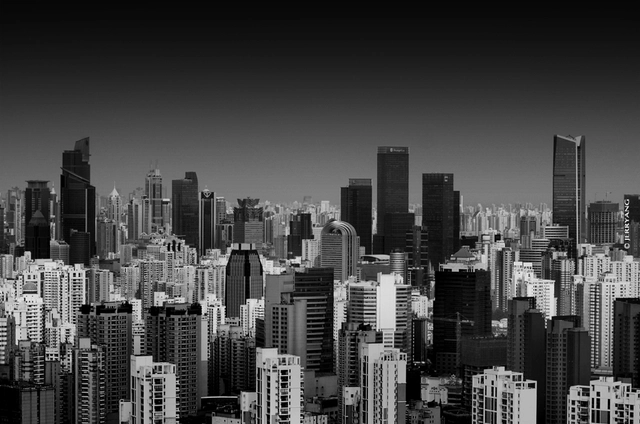
It’s hard to imagine New York City without the packed subway cars, long lines, and overwhelming tourist crowds that felt essential to daily life. Once the fear of the COVID-19 pandemic has waned, the city, like others around the world, will become clouded and fundamentally altered even after economic prosperity has been restored. In what feels like a revolving door discussion, except now perhaps asked with a sense of urgency, what do we want cities to be like in the years to come?
Our cities, vulnerable by nature and design, have generated the biggest challenge that humankind has to face. With the vast majority of the population expected to settle in urban agglomerations, rapid urbanization is going to raise the issue of adaptability with future social, environmental, technological and economic transformations.
In fact, the main problematic of the decade questions how our cities will cope with fast-changing factors. It also looks into the main aspects to consider in order to ensure long-term growth. In this article, we highlight major points that help future-proof our cities and create a livable, inclusive and competitive fabric that adapts to any unexpected future transformation.
When Jane Jacobs famously said, “Cities have the capability of providing something for everybody, only because, and only when, they are created by everybody,” she might as well have been foreshadowing the successful partnership formed between SHoP Architects, James Corner Field Operations, and Two Trees Management. The team, who collaborated on the 11-acre Domino Park master plan in Williamsburg, Brooklyn, has been hailed for creating a benchmark standard in perfecting the process for designing and understanding what it means to maintain a park that actively participates in a two-way dialogue with the community.
Deep Dive, a restaurant in Seattle underneath the Amazon Spheres, was another Studio Pacifica project. Graham Baba was the architect. Courtesy Studio Pacifica
Karen Braitmayer, a disabled architect, consultant, and volunteer, brings her unique life experiences to Studio Pacifica, the Seattle‐based practice she founded in 1993. With deep expertise in code compliance and regulations, Braitmayer and her team work with architectural firms like Olson Kundig and Perkins and Will to help create barrier‐free civic, residential, and commercial buildings. Studio Pacifica has served as consultants on notable projects ranging from the Space Needle renovation to the Bill & Melinda Gates Foundation Discovery Center and student housing at Smith College. Braitmayer was appointed by President Barack Obama to the United States Access Board, a position she still holds today.
As we mark the 30th anniversary of the passage of the Americans with Disabilities Act (ADA) this month, we spoke to her about how far we’ve come, and how we can continue to advance accessible design in the built environment.
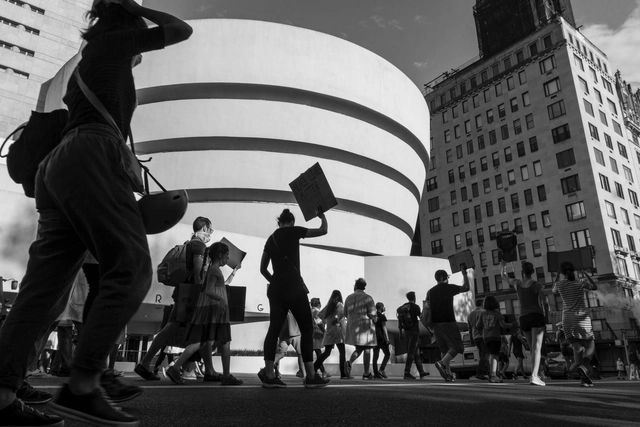
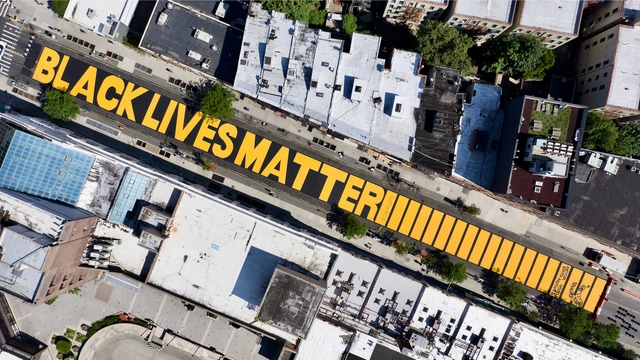
When urban spaces become the medium for expression, protest, criticism, and defiance, the audience is limitless. Pedestrians and bystanders of all ages and ideologies become spectators of demonstrations that walk the line between art and activism and transform the city's streets, walls, and sidewalks into canvases for diffusing ideas on a massive scale. Banksy once said that "a wall is a very big weapon. It's one of the nastiest things you can hit someone with." This call to arms has rung true for many as they take to the streets in a bid to make themselves heard.
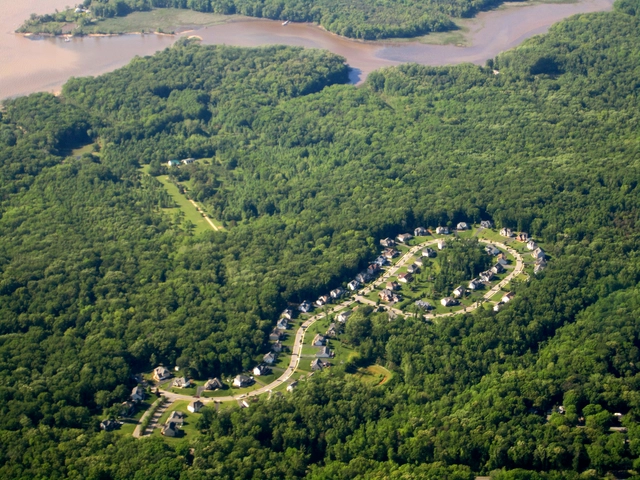
Suburban expansion into remnant habitat / La Citta Vita, via Flickr, licensed under CC BY-SA 2.0
The export of American culture is one of the most influential forces in our interconnected world. From Dakar to Delhi, American pop music, movies, and artery-clogging cuisine are ubiquitous. However, one of the most damaging exports is the American suburb. When the 20th century model for housing the swelling populations of Long Island and Los Angeles translates to 21st century Kinshasa and Kuala Lumpur, the American way of life may very well be our downfall.
https://www.archdaily.com/943939/suburban-sprawl-increases-the-risk-of-future-pandemicsMichael Grove
Videos
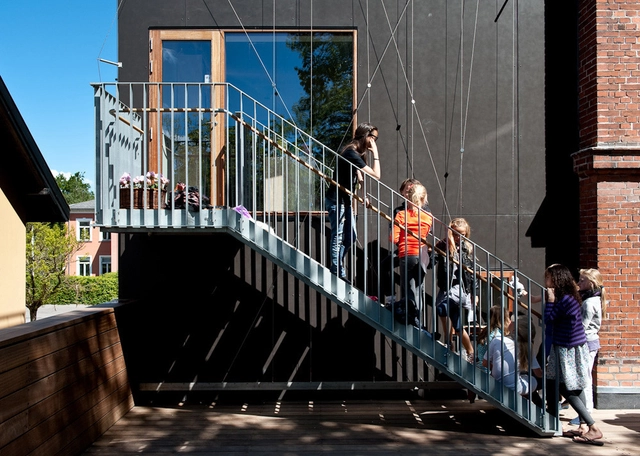
Bernadotte School Extension / Vandkunsten Architects. Image Courtesy of Adam Mørk
Louisiana Channel has recently published a second piece of their interview with Jens Thomas Arnfred and Søren Nielsen co-founders of the award-winning Danish practice Vandkunsten Architects. In this short video, the two architects talk about nurturing the sense of community through design and reflect on the studio's preoccupation with fostering social encounters within their projects.
When we talk about public space, we often imagine a park with happy, relaxed people on a sunny day. In actuality, this is a very restricted approach. A young woman does not cross a deserted street at dawn in the same way as a white man wearing a suit or as an immigrant who may not be welcomed by local citizens. Have you ever felt discriminated while visiting a public space?
In this edition of Editors’ Talk, editors from Los Angeles, São Paulo, Argentina, and Uruguay share their views on defining public spaces for everyone
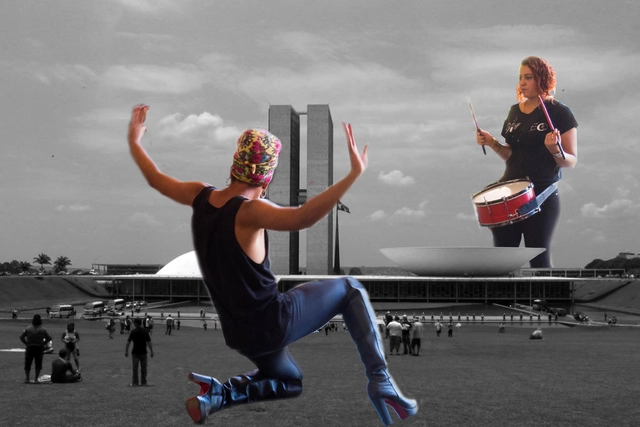
Collage made with photos of Matias Romero and Raquel Aviani/Secom UnB. (licensed under the Creative Commons Attribution-Share Alike 2.0 Generic license and Creative Commons Attribution 2.0 Generic license) via Wikimedia Commons
What would all the built environments be without its users? This question may make it easier to understand that not only do architecture and urbanism sustain themselves as physical spaces, but they also gain meaning mainly through the human and non-human movements and bonds, that - together with the architectural or spontaneous traces that make up the urban landscape - provoke the sensations that each individual feels in a unique way.
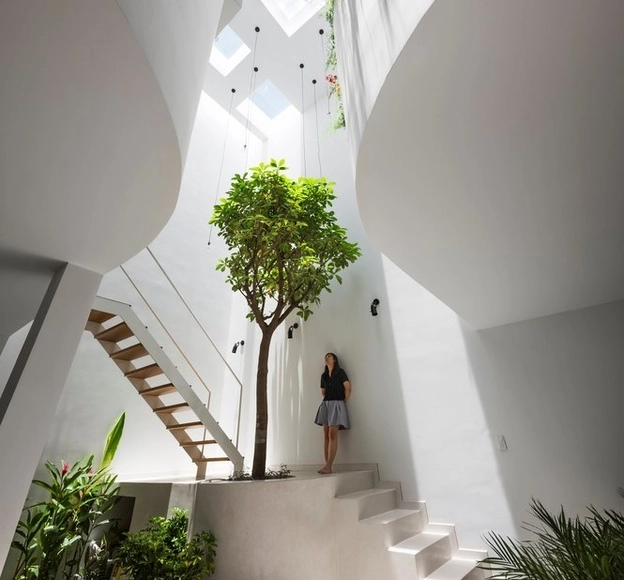
With most of the world living in cities and growing villages, people tend to spend the majority of their time indoors. When not at home, we are working, learning, or even engaging in fun activities in enclosed, built settings. All in all, 90% of our time is occupied inside. It is therefore essential to ensure a comfortable, productive, and healthy indoor environmental quality by following well-regulated parameters and design practices that consider temperature, lighting, noise pollution, proper ventilation, and the quality of the air we breathe. The latter is especially important, since contrary to what we might think, air pollution is much higher indoors than outdoor.
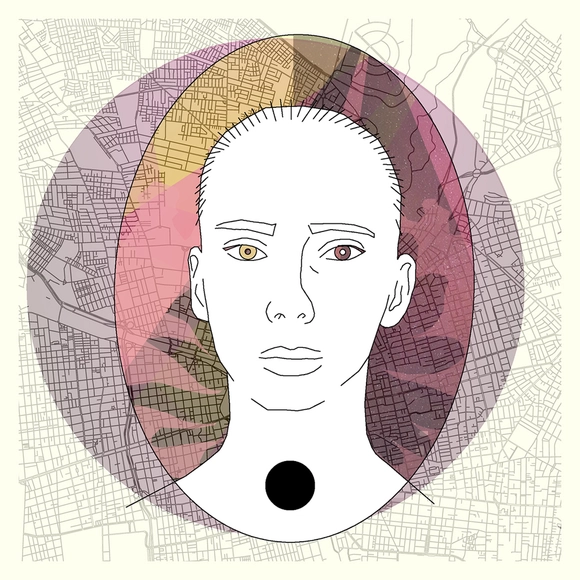
Feeling free and safe in the city. How many times have we felt fully free when walking through our neighbourhood, when returning home, when sitting in the park? Some urban spaces give us more autonomy than others. Some areas seem more comfortable and calm. But, to keep that calm, to what extent do we express ourselves and to what extent do we hold back? What safeguards do we take to feel as good as possible when inhabiting our environment?
https://www.archdaily.com/942508/cities-should-allow-people-to-shineMaría Gonzalez & José Tomás Franco
In general, architects like to talk about how much their designs influence communities, and it makes perfect sense for them to do so. In the end, physical spaces and different social factors influence how each individual feels when they inhabit the city or occupy a building. But do all projects respond to all users the same way? We set out to question the way in which architecture approaches the LGBTQIA+ community, through an open call on our social networks, collecting the testimony of our readers on how they inhabit these spaces and how it would be possible to represent the community in the architectural field.
Architects in general are people who like to talk about how much they influence communities through their designs, and they are actually correct in saying that. After all, spaces together with various social factors influence how each individual feels when occupying the city or a building. But do these projects respond to all users in the same way? We propose to question the way architecture deals with the LGBTQIA+ community through an open call on our social media channels, bringing in our readers' testimonies on how they experience these spaces, and how is it possible to represent the LGBTQIA+ community in the architectural field.
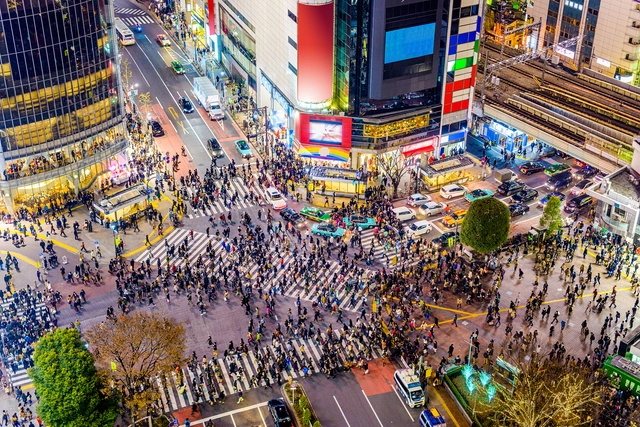
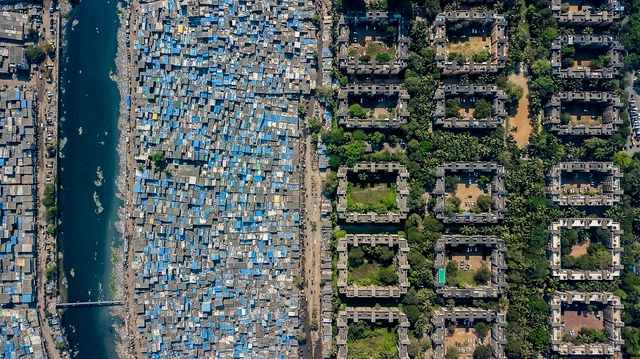
Across the world, urban clusters have —to a greater or lesser extent— social and economic differences. Reflected in space, these imbalances of income and access to education, health, sanitation, and infrastructure generate ruptures more or less visible —although drastically felt.
Although a daily reality for some, socio-spatial inequalities can often go unnoticed. Photographer Johnny Miller states, "Discrepancies in how people live are sometimes hard to see from the ground... Oftentimes, communities of extreme wealth and privilege will exist just meters from squalid conditions and shack dwellings." Miller's photo series 'Unequal Scenes' seeks "to portray the most 'Unequal Scenes' in [the world] as objectively as possible."
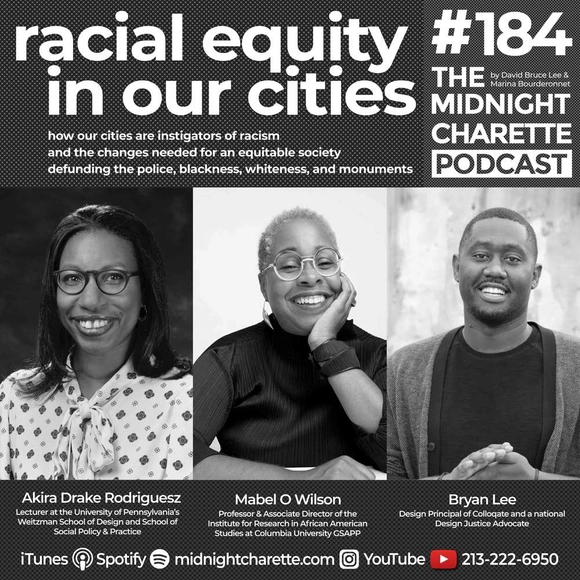
The Midnight Charette is an explicit podcast about design, architecture, and the everyday. Hosted by architectural designers David Lee and Marina Bourderonnet, it features a variety of creative professionals in unscripted conversations that allow for thoughtful takes and personal discussions. A wide array of subjects are covered with honesty and humor: some episodes provide useful tips for designers, while others are project reviews, interviews, or explorations of everyday life and design. The Midnight Charette is also available on iTunes, Spotify, and YouTube.
This week David and Marina are joined by Mabel O. Wilson, Bryan Lee, and Akira Drake Rodriguez to discuss racism and cities, how the built environment can be an instigator of racism, protests, the tearing down confederate monuments, housing, blackness and whiteness, the key changes needed for a more equitable society, and more. Enjoy!
https://www.archdaily.com/942251/racism-and-cities-with-mabel-o-wilson-akira-drake-rodriguez-and-bryan-leeThe Second Studio Podcast
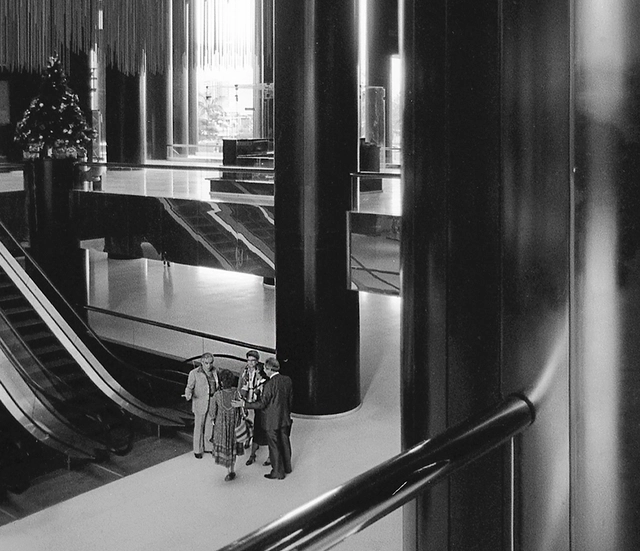
"Volumen virtual suspendido" de Jesús Rafael Soto, Centro Benaven, Chuao, Caracas, 1984. Image Cortesía de ArchivoFotografíaUrbana | Fotografía de Ramón Paolini del fotolibro "Caracas. A doble página"
Through a visual survey, architect and photographer Ramón Paolini explores the evolution of Caracas (Venezuela). The photographs capture the capital's transformation throughout the past forty years, giving viewers an in depth look at one of Latin America's most tumultuous regions, its urban development, and the socio-political aspects behind it. Most importantly, Paolini illustrates his personal vision for this urban space that builds, destroys, and rebuilds with an astounding tenacity.