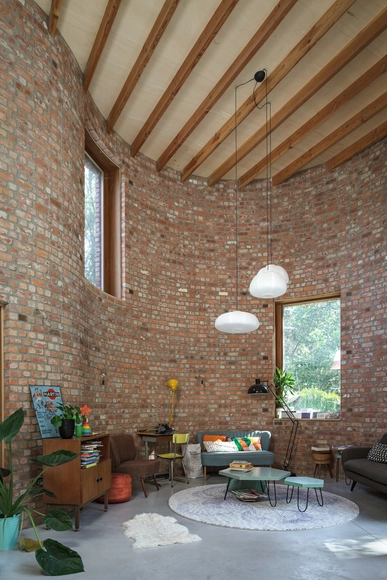
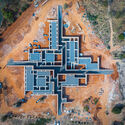
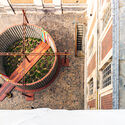
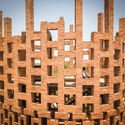
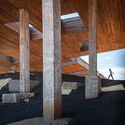
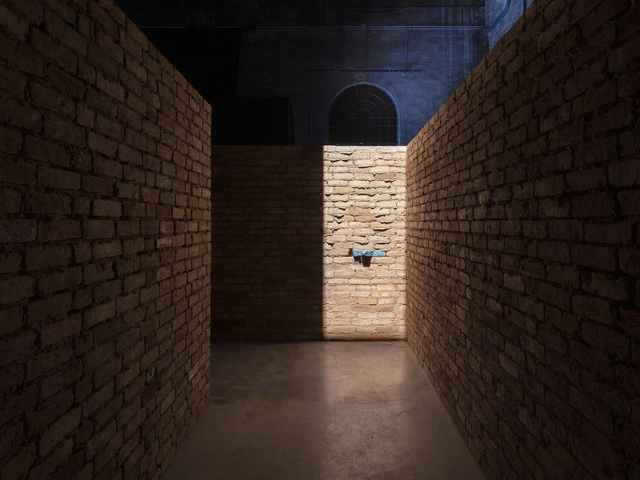
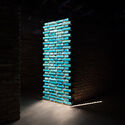
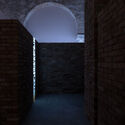
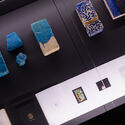
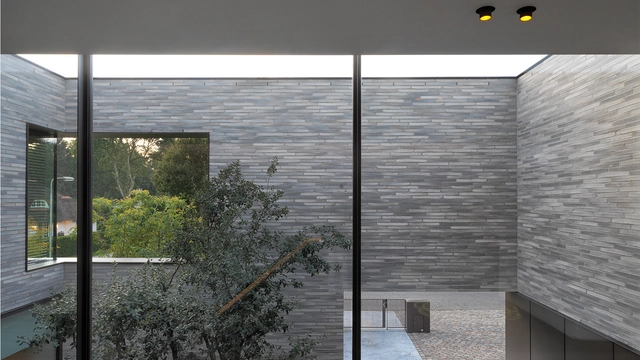
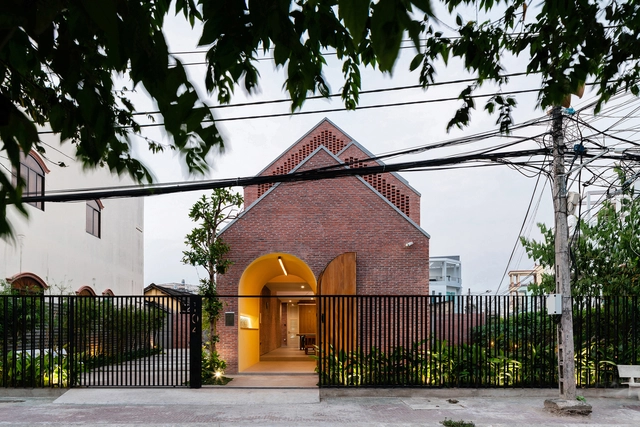
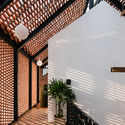
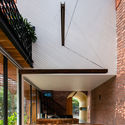
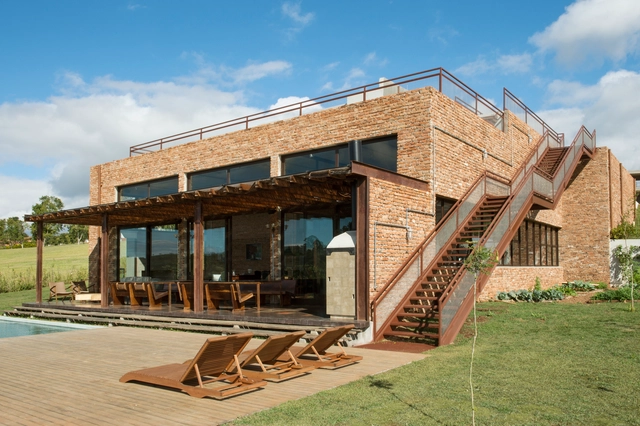
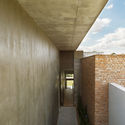
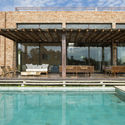
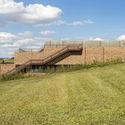
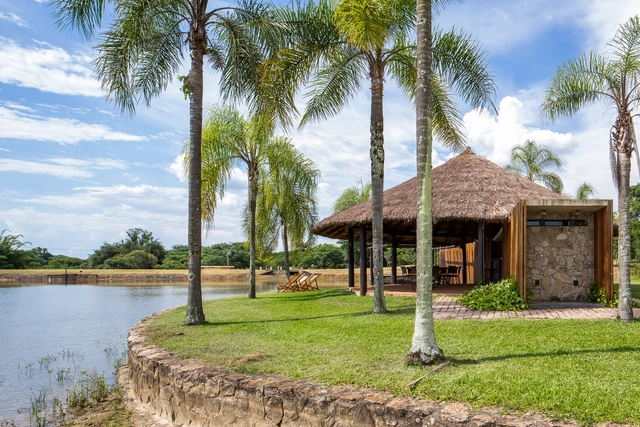
The Brick Award is an internationally established award that presents outstanding brick architecture from all around the world. Independent architecture critics, experts, architects and developers are invited to submit innovative and creative buildings and other construction works made of clay building materials. The spectrum of applications ranges from building solutions using classic clay blocks, facing bricks and roof tiles to the creative application of clay pavers and ceramic façade panels.
Students at the School of Engineering, RMIT University recently published a study experimenting with a new form of waste management and recycling. As they note in their research, cigarette butts are the most commonly discarded single waste item in the world, with an estimated 5.7 trillion having been consumed around the globe in 2016. However, the materials in cigarette butts—particularly their cellulose acetate filters—can be extremely harmful to the environment due to poor biodegradability. The RMIT study builds on a previous research study by Mohajerani et. al (2016) that experimented with adding discarded cigarette butts to clay bricks for architectural use. In their research, the RMIT students found that such a measure would reduce the energy consumption of the brick production process and lower the thermal conductivity of the bricks, but that other issues including bacterial contamination would have to be addressed prior to successful implementation. Below, we explore this research in more detail, investigating its relevance to the architecture industry and imagining possible futures of application.
https://www.archdaily.com/956164/is-it-possible-to-create-lightweight-bricks-by-recycling-cigarette-buttsLilly Cao
"It's all about attitude and adjusting to the existing circumstances", explains Boonserm Premthada, when asked about his conceptual process. Founder of Bangkok Project Studio, and one of today's most influential Thai figures in architecture, Premthada has been the subject of Bêka & Lemoine's latest documentary, ‘Big Ears Listen With Feet’. The film highlights the personal story of the architect, unveiling all the events and happenings that shaped his unique identity and sensibility. "Deaf from birth", the short movie looks at how the architect's disability led him to listen in a different way, learning from elephants. who "despite their large ears [...] perceive sound mostly through their feet."
ArchDaily had the chance to talk with Boonserm Premthada, during Milan Design Week 2022 at the DAAily bar. Recipient of the Design Prize 2021|22 for social impact curated by designboom, the architect shared insights about his beginnings, his office as well as his creative approach, and his projects.
Studio KO as the curator of the Uzbekistan National Pavilion at the 18thVenice Architecture Biennale. Uzbekistan’s response to this year’s overarching theme, Laboratory of the Future, is an exhibition titled “Unbuild Together.” It aims to bring into focus the country’s rich architectural heritage as a potential tool and inspiration for developing a more sustainable future. The curatorial team will include Karl Fournier, Olivier Marty, Jean-Baptiste Carisé, and Sophia Bengebara.
Largely driven by rural migration to cities and overall population growth, 68% of people worldwide will live in urban areas by 2050. By doing so, many will benefit from greater access to basic services, proximity to public transportation, and better education and employment opportunities. But the pursuit of living urbanized lives also leads to isolation from the outdoors –be it a forest, a meadow or the mountains– that can negatively impact our physical and mental health. Exposure to nature has long been proven to reduce stress levels, boost mood, foster productivity and, above all, enhance well-being. So, considering we typically spend around 93% of our time indoors (and that the pandemic has magnified that statistic), now more than ever we find ourselves seeking a connection with the outdoors and all its inherent benefits. Architects thus face the important challenge of bringing nature in, which is precisely where biophilic design comes into play.
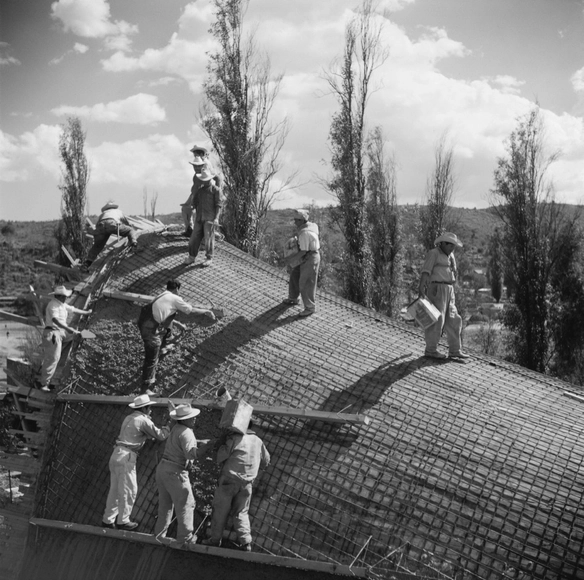
Los Manantiales by Felix Candela. Image Courtesy of Alexander Eisenschmid
Architecture is often an ambitious profession, with many architects hoping to positively contribute to the social life of the communities, create emotional responses, and add moments of delight and solace to our daily experiences. However, market forces have a way of applying constant pressure on this field, often being the deciding factor in many design choices. Costs and economic value are generally a good indicator of how, when, and to what extent certain materials are being used: the standard rule is the cheaper, the better. But materials are only part of the equation. Site labor, management, and design costs are also considered, depicting a complex picture of the balance between the cost of materials and the cost of labor and its effect on the architectural product.
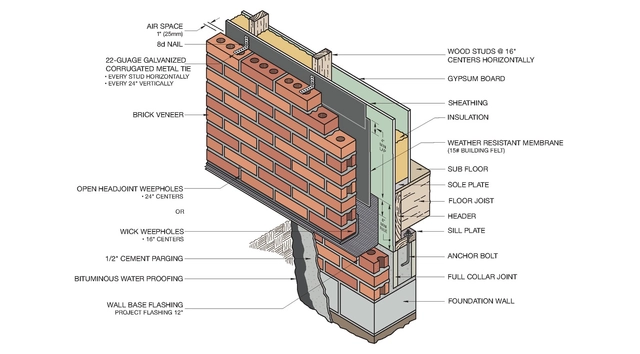
Traditionally, bricks have been used in architecture to fulfill a double function: structural and aesthetic. While they act as an effective and resistant modular solution in building structures, their faces can be exposed to constitute their architectural appearance, generating facades rich in texture and color, thanks to the iron present in the clay they are composed of.
At present, there are products that allow the attractive appearance of bricks to be merged with other structural systems, separating their functions and providing the necessary freedom of design so that the facades can adapt creatively in favor of the conditions of each project and the requirements of its users.
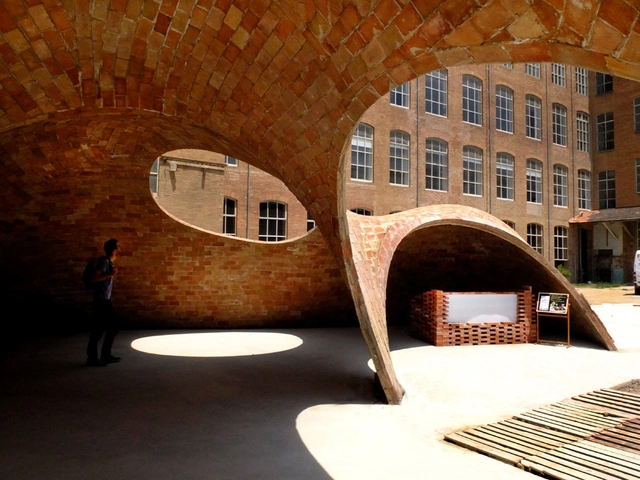
Bricktopia, by the architects of the international collective Map13, is the winning project in the "Build-it" category of the Eme3 International Architecture Festival, held on June 27-30, 2013, in Barcelona. The pavilion can be visited throughout the summer at the square of the former spinning mill Fabra i Coats in the Sant Andreu district.
This intervention sets a new square which can house different activities, both under the pavilion and around it. Public spaces for bathrooms, sun, bar and stage for enjoying the summer 2013. It is a brick domed structure that employs the traditional construction system of a partitioned vault (or "Catalan vault") computed with new digital tools for the structural optimization of the geometry.