


-
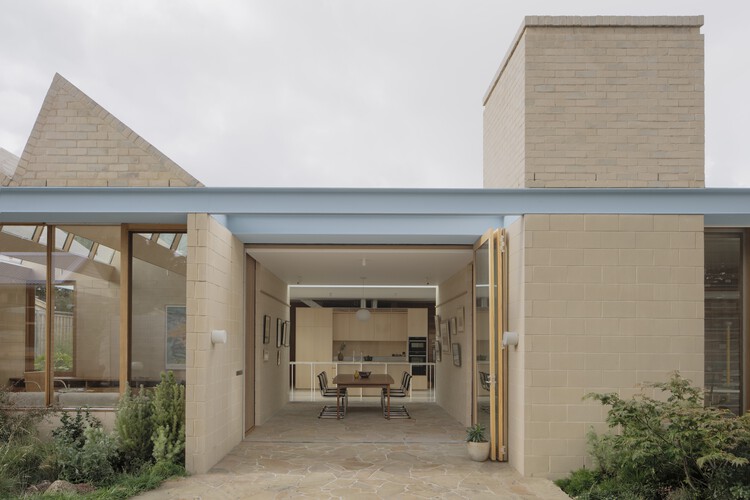
Architects: Office MI-JI
- Year: 2024

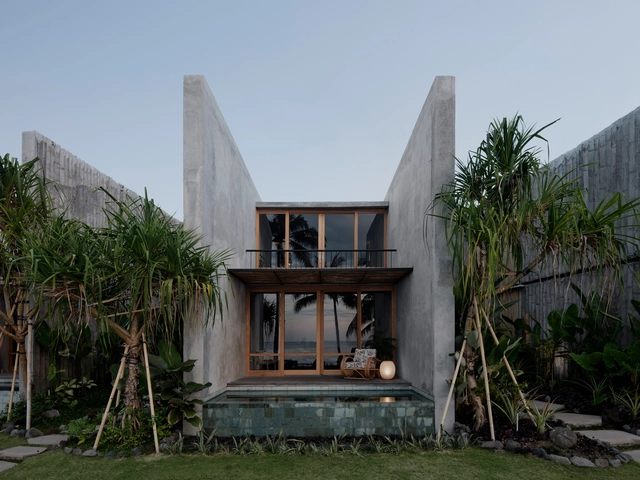
Although concrete is one of the most widely used building materials in the world, thanks to its durability, versatility, and weather resistance, we must not forget that the concrete industry is one of the largest CO2 emitters in the construction sector. Consequently, over the past few years, many architects have begun to experiment with new possibilities to optimize its performance, leveraging its technical advantages while seeking to address some of its environmental drawbacks. As a result, some designers have begun exploring the possibility of replacing traditional wooden formwork with more sustainable materials like bamboo—a plant that grows abundantly across most of the world and offers high-quality textured finishes with a low environmental impact.
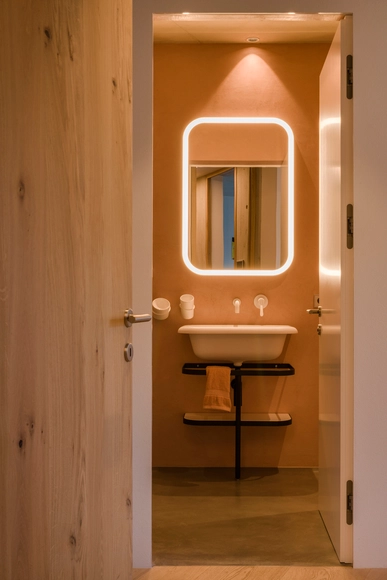
A successful interior design must be paired with a proper lighting design. It is responsible for ensuring that the quantity and wattage of the bulbs are suited to the space based on its dimensions and use.

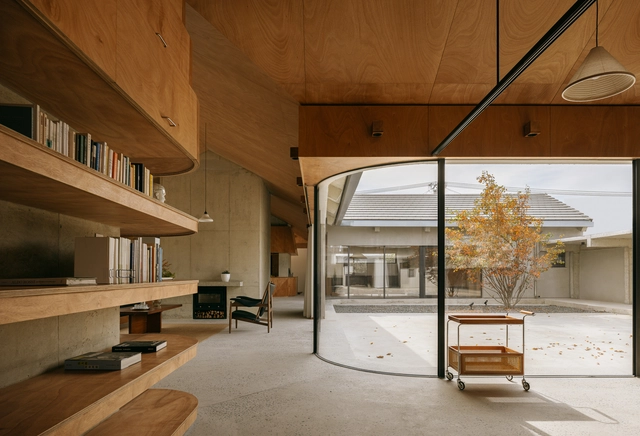
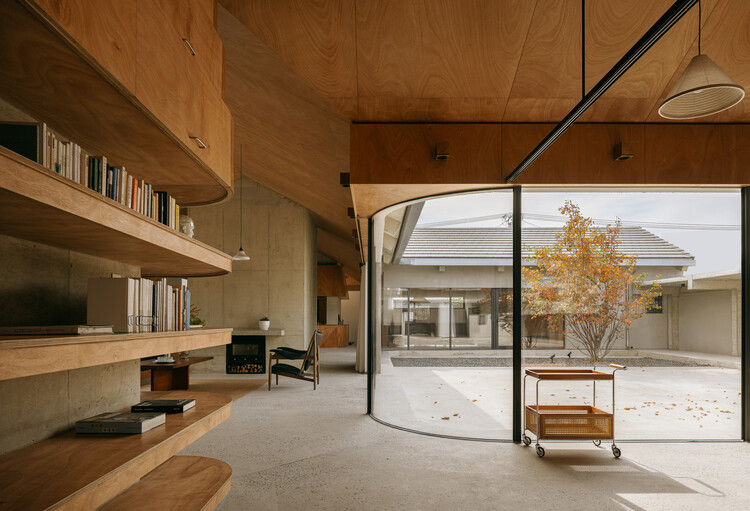
Interior design has been characterized by infinite alternatives in coatings, finishes, and furniture to achieve unique and unrepeatable spaces. Designers are constantly coming up with innovative solutions and materials specifically created for a distinctive spatial perception. However, there is also a trend that seeks the warmth of the interior spaces by exposing the raw building materials as they are. The richness of materials such as wood and concrete gives that feeling of durability and low maintenance that, combined with an attention-to-detail design, makes spaces look warm yet stay true in essence. See below for 35 examples of interior spaces where concrete and wood appear in their almost purest state.
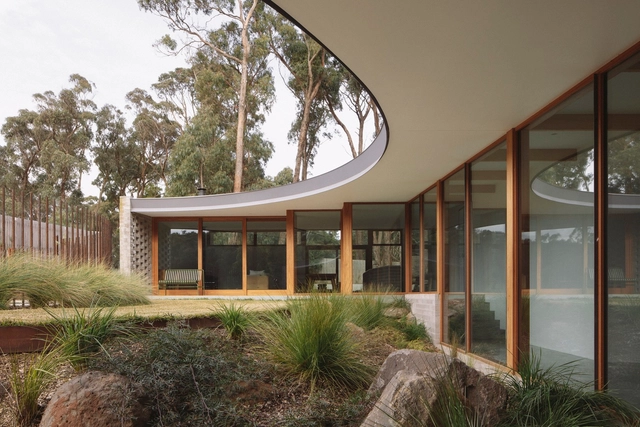


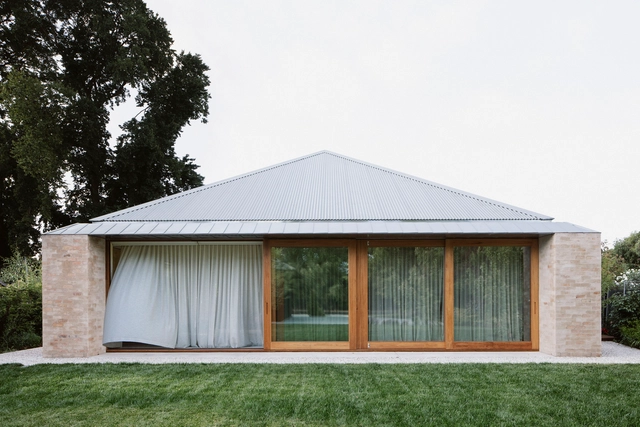
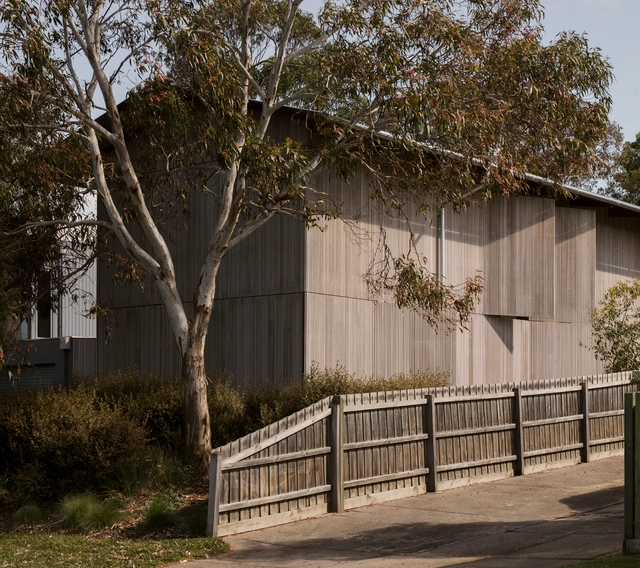
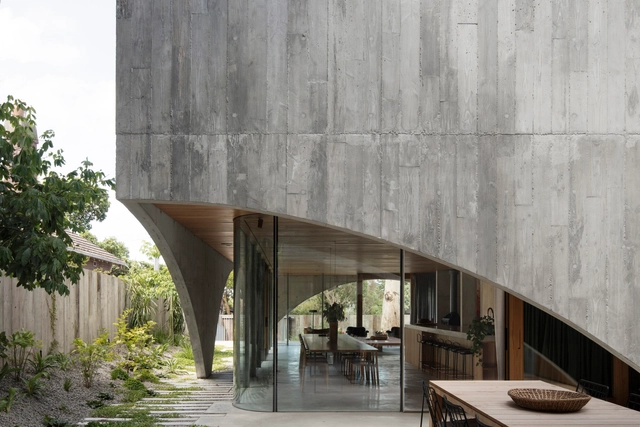
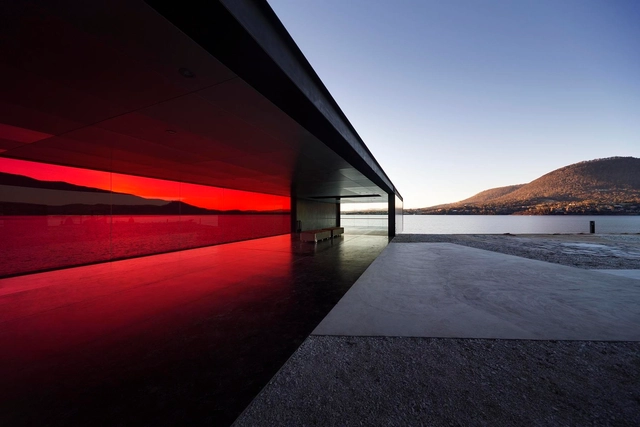
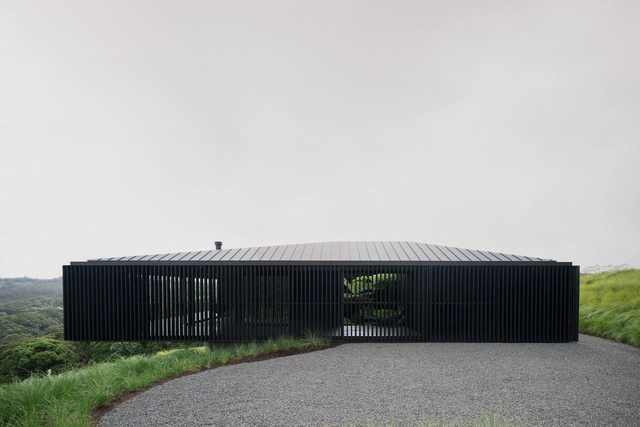
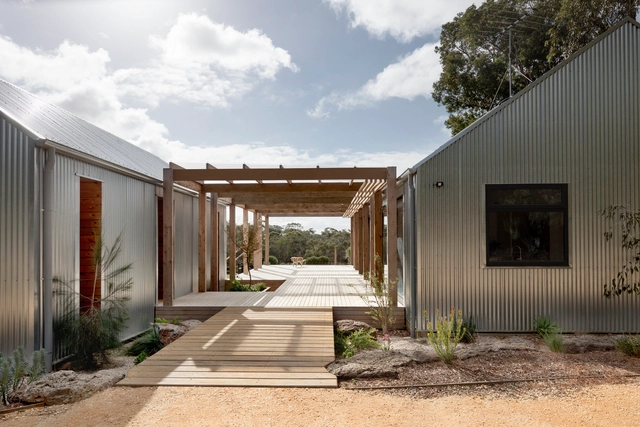
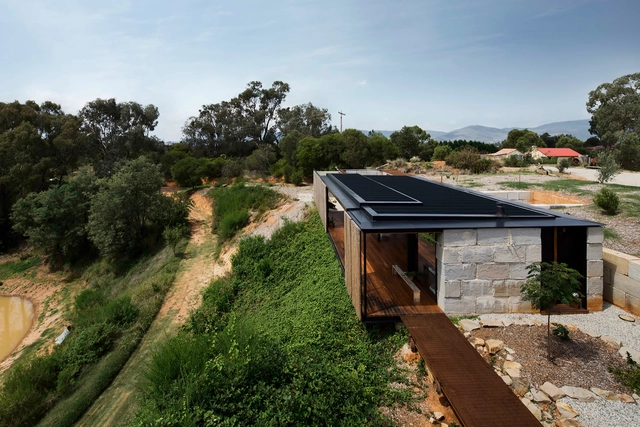
Outback architecture embraces the outdoors. From the world-famous Sydney Opera House to aboriginal desert huts, Australian architecture rises from the elements while learning from them. In terms of vernacular shelters, barns, sheds, and verandahs often became community centers or places to congregate. These humble beginnings would transform over the following centuries as people began to build for the “Australian dream.” Whether using traditional pisé construction or fabricating wildly new forms, architects began capitalizing upon historical building methods and reinterpreting them.
_Simone_Bossi.jpg?1629234719&format=webp&width=640&height=580)
Architectural photography has developed into its own art form, and it might be as important as the built work itself. We consume architecture not only physically and spatially in a building but also through photographs. A good image reportage work can give the viewer a feeling of the atmosphere, senses, and design intentions the project may spark, without actually being in the place. Photography is also a way of documenting the project's process, the use of materials, lighting, and architectural elements, and as a result, tell a complete story behind a building.
To celebrate World Photography Day, we've gathered a list of 25 architectural photographers from around the world who are worth knowing - and following on Instagram. These emerging photographers have been selected for their ability to capture architecture each in their own unique ways. Get to know them!












_Maria_Gonzalez.jpg?1629145604&format=webp&width=230&height=230&crop=true)
_Triệu_Chiến_01.jpg?1629145656&format=webp&width=230&height=230&crop=true)
_Alex_shoots_buildings.jpg?1629229852&format=webp&width=230&height=230&crop=true)
_Leonid_Furmansky.jpg?1629230142&format=webp&width=230&height=230&crop=true)
_Simone_Bossi.jpg?1629234719)


