Beijing: The Latest Architecture and News


School with an Open Space / Beijing Institute of Architectural Design 6th Division

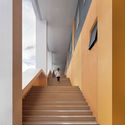
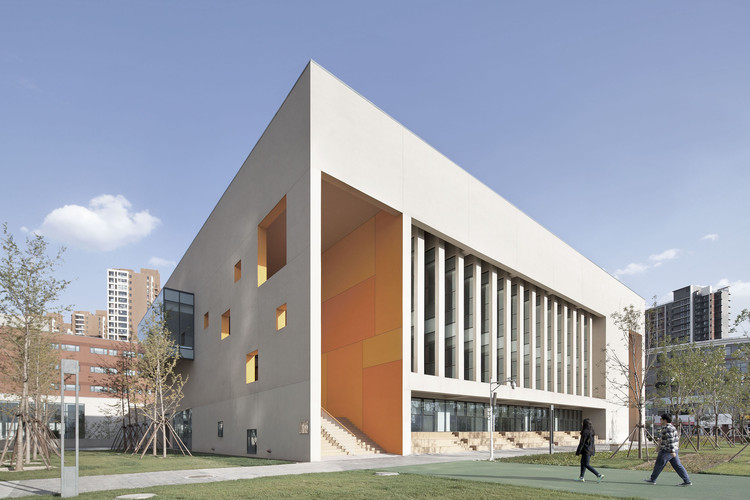
https://www.archdaily.com/782854/school-with-open-space-beijing-n61-high-school-huilongguan-branch-eijing-insititute-of-architectural-design-6th-division杨奡 - YANG Ao
MVRDV Designs Shopping Center with Pearlescent Façade in Beijing
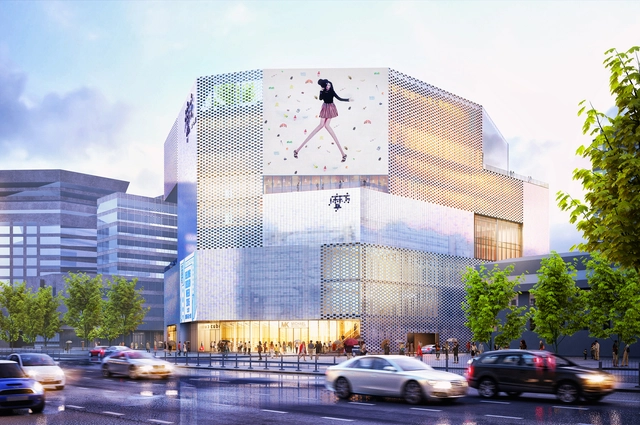
Exterior construction has almost wrapped up on MVRDV’s Chongwenmen M-Cube shopping center in Beijing, featuring a shimmering façade that changes color from grey to pearlescent. The approximately 40,000 square meter center sits in the central Chongwenmen district, just moments from the Forbidden City, and will serve as a centralized hub for retail, cuisine and leisure. The project is set to be completed in summer of this year.
https://www.archdaily.com/782217/mvrdv-designs-shopping-center-with-pearlescent-facade-in-beijingKatie Watkins
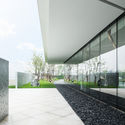
Tianzhu Marketing Center / Tsushima Design Studio




-
Architects: Tsushima Design Studio
- Area: 2130 m²
- Year: 2015
https://www.archdaily.com/781927/tianzhu-marketing-center-tsushima-design-studioKaren Valenzuela
People's Daily HQ / Architects and Engineers Associates of Southeast University
.jpg?1454424610&format=webp&width=640&height=580)
.jpg?1454424516 "Courtesy of Architects and Engineers Associates of Southeast University")
.jpg?1454424481 "Courtesy of Architects and Engineers Associates of Southeast University")
.jpg?1454424238 "Courtesy of Architects and Engineers Associates of Southeast University")
.jpg?1454424500 "Courtesy of Architects and Engineers Associates of Southeast University")
.jpg?1454424610)
https://www.archdaily.com/781436/peoples-daily-hq-architects-and-engineers-associates-of-southeast-universityDaniel Sánchez
Tales CBD Kindergarten Renovation / Spacework Architects
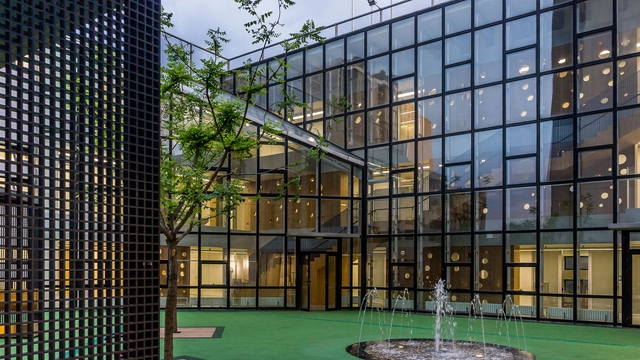

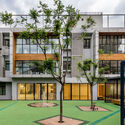
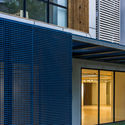
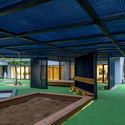

-
Architects: Spacework Architects
- Area: 3500 m²
- Year: 2015
https://www.archdaily.com/780527/tales-cbd-kindergarten-renovation-spacework-architectsFernanda Castro
Spring Art Museum / Praxis d’Architecture
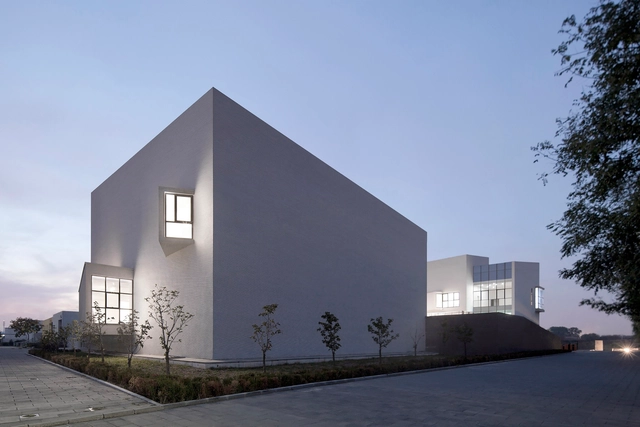

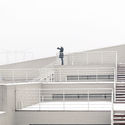
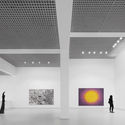
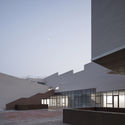

-
Architects: Praxis d’Architecture
- Area: 4700 m²
- Year: 2015
https://www.archdaily.com/779920/spring-art-museum-praxis-darchitectureKaren Valenzuela
MVRDV Reimagines the Chinese Hutong
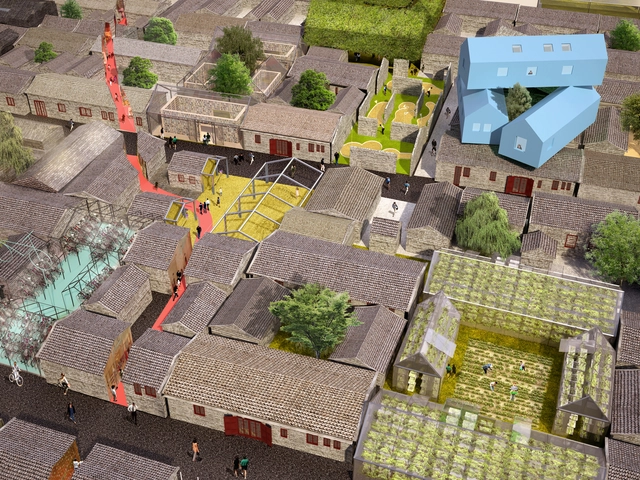
MVRDV has taken it upon themselves to reimagine the Chinese Hutong. Focusing in on Beijing's prominent and currently vacant Xianyukou Hutong, the practice has set out to define its future and envision "the next hutong" - one that is "monumental, dense, green, mixed and individual" and can be built in phases.
https://www.archdaily.com/779706/the-next-hutong-mvrdvKarissa Rosenfield


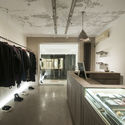
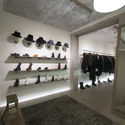
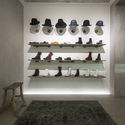

Original Life Market / LATITUDE
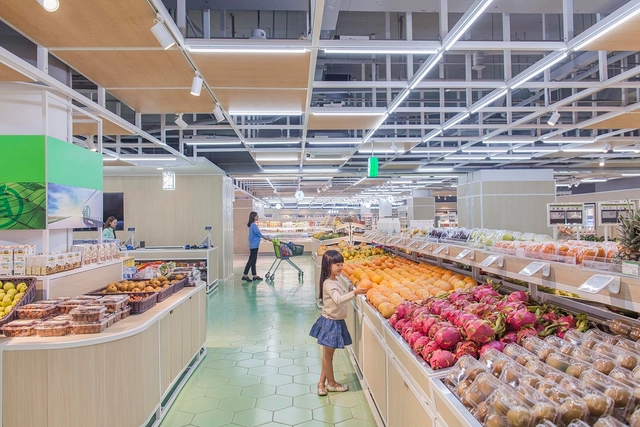

https://www.archdaily.com/779366/original-life-market-latitudeCristian Aguilar
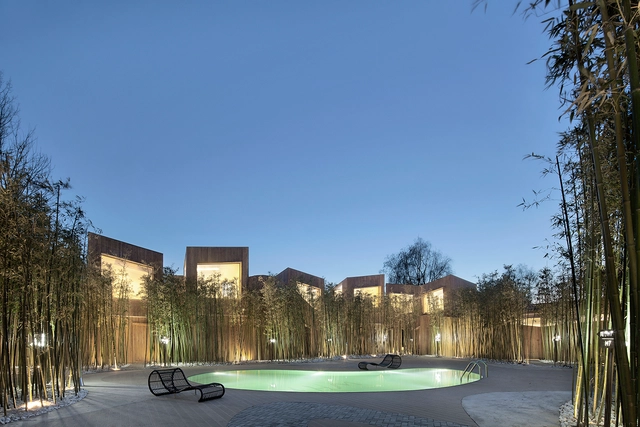
WHY Hotel / WEI architects/ELEVATION WORKSHOP



-
Architects: WEI architects/ELEVATION WORKSHOP
- Area: 990 m²
- Year: 2015
https://www.archdaily.com/779469/why-hotel-elevation-workshop-wei-architects杨奡
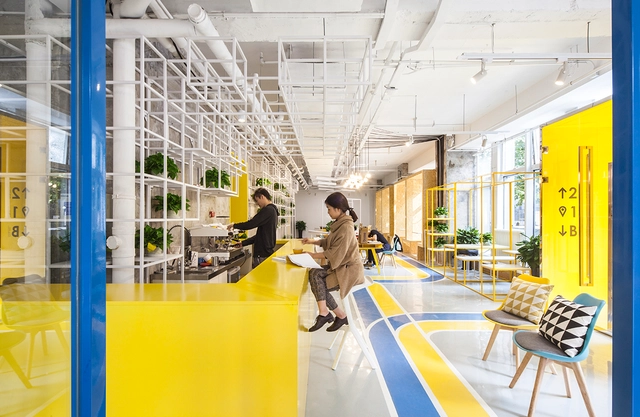
Yuanyang Express We+ Co-working Space / MAT Office


-
Architects: MAT Office
- Area: 800 m²
- Year: 2015
https://www.archdaily.com/779238/yuanyang-express-we-plus-co-working-space-mat-office杨奡
PIFO New Art Gallery / ARCHSTUDIO

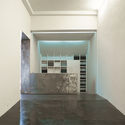
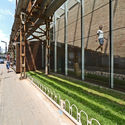
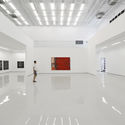
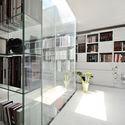

https://www.archdaily.com/778326/pifo-new-art-gallery-archstudioKaren Valenzuela
Video: Garden School / OPEN Architecture
"A counteraction to what is happening today in China," OPEN Architecture's Garden School in Beijing seeks to reconnect its students with nature. Located in a new town that, as founding partner Li Hu says, was built "too fast," the school serves as one of the few spaces students can interact with nature. The school is designed like a garden, from its sloping "floor zero" to rooftop gardens, offering unconventional spaces for teaching and inviting public areas that encourage social interaction.
“What is problematic is that these new towns are designed too fast, without much thinking about how the spaces are going to be used, and what kind of space they are going to create. I think it is a problem for human psychology. Living in a new town with not enough good green space, good social space, we’ll become very problematic urban animals,” Hu told Spirit of Space.
Read on for a conversation with the architects.
https://www.archdaily.com/778311/video-garden-school-open-architectureKarissa Rosenfield
Chinese Artist Makes Bricks from Beijing's Smog
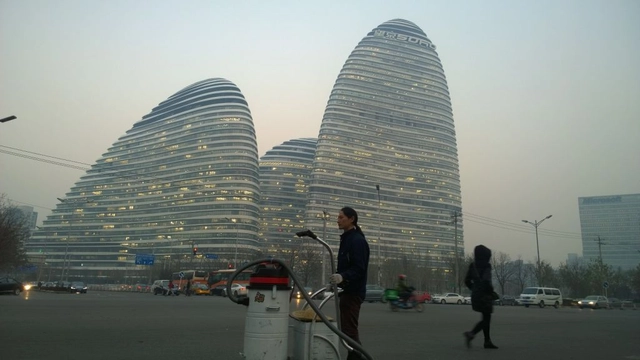
From the Bird’s Nest to the CCTV headquarters, for the past 100 days Chinese performance artist "Nut Brother" has been wandering the streets of Beijing collecting smog with an industrial vacuum so that he can eventually turn it into bricks. He has now began to form his bricks by mixing a combination of the collected "dust and smog" with clay. As he told Quartz, the project is meant to be a symbol. Read the whole story here.
https://www.archdaily.com/778121/chinese-artist-makes-bricks-from-beijings-smogKarissa Rosenfield
Sunken Garden / Plasma Studio
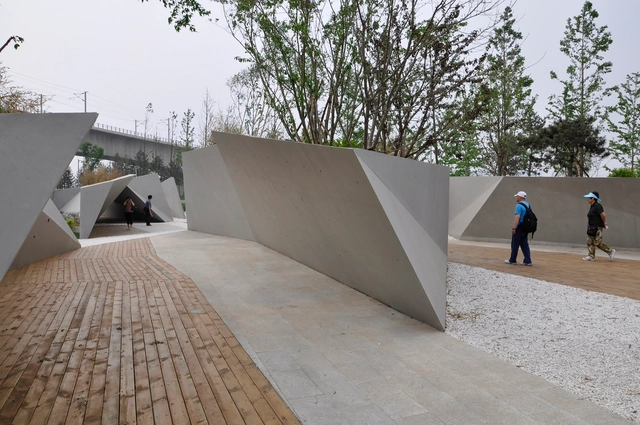


https://www.archdaily.com/777358/sunken-garden-plasma-studioKaren Valenzuela
KUAN Architects’ Intellectual Property Office Headquarters Design is Inspired by Traditional Chinese Paintings
.jpg?1447568092&format=webp&width=640&height=580)
Addressing the budding concept of intellectual property in China, KUAN Architects has revealed their proposal for the Intellectual Property Office Headquarters at the Beijing TBD. The project sits at the crossing of the North-South axis of the Badaling Expressway and the East-West axis of the TBD, an irregular quadrilateral footprint among several rectangular developments. Both sides of the main axis of the TBD are divided into 5 parcels - simple, concise shapes that balance the irregularity of the site and reconcile its plan with the surroundings. Using these building volumes, a plaza is created in the centre.
https://www.archdaily.com/777198/kuan-architects-intellectual-property-office-headquarters-design-is-inspired-by-traditional-chinese-paintingsEric Oh
Beijing Hutong House Renovation / ARCHSTUDIO
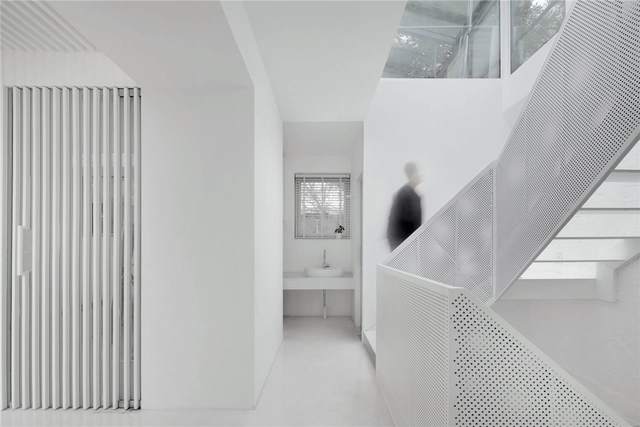
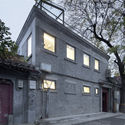
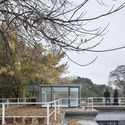
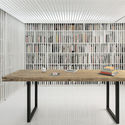

https://www.archdaily.com/776875/beijing-hutong-house-renovation-archstudioHE Shen 何珅