1. ArchDaily
  2. Arquitetos portugueses

Arquitetos portugueses: The Latest Architecture and News

Joaquim Moreno Appointed Chief Curator of the 8th Lisbon Architecture Triennale

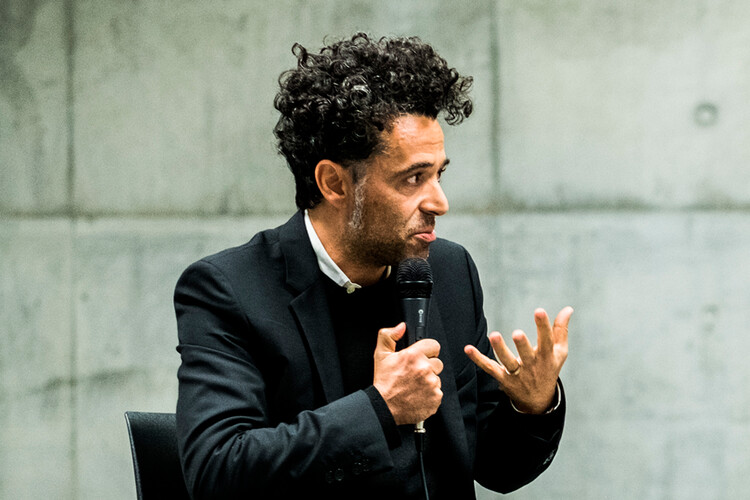
The 8th edition of the Lisbon Architecture Triennale is scheduled to take place in the autumn of 2028. As in previous editions, the curatorial process begins three years in advance, allowing time to fully develop the project and build on the work of earlier Triennales. The 7th edition, curated by Ann-Sofi Rönnskog and John Palmesino, founders of Territorial Agency, ran from October 2 to December 8, 2025. It was structured around the question How heavy is a city?, proposing an understanding of cities not as fixed objects but as dynamic systems extending beyond urban boundaries into the atmosphere, oceans, and deep time. This approach was explored through three main exhibitions, Fluxes, Spectres, and Lighter, alongside a wider set of initiatives. With the 7th edition concluded, the Triennale has announced Portuguese architect and academic Joaquim Moreno as Chief Curator of the upcoming edition, responsible for developing a new curatorial project for the event.
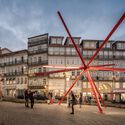
Joaquim Moreno Appointed Chief Curator of the 8th Lisbon Architecture Triennale - Image 1 of 4Joaquim Moreno Appointed Chief Curator of the 8th Lisbon Architecture Triennale - Image 2 of 4Joaquim Moreno Appointed Chief Curator of the 8th Lisbon Architecture Triennale - Image 3 of 4Joaquim Moreno Appointed Chief Curator of the 8th Lisbon Architecture Triennale - Image 4 of 4Joaquim Moreno Appointed Chief Curator of the 8th Lisbon Architecture Triennale - More Images+ 3

Architecture Offices in Porto Through the Lens of Marc Goodwin

Subscriber Access | 

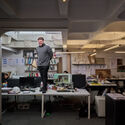
Porto's architectural legacy has long been shaped by the weight of history and the clarity of form. From the work of Álvaro Siza to the dense network of studios emerging from the city's schools, Porto offers a unique blend of continuity and reinvention. Here, architecture is not only a matter of design but often one of endurance — of working within constraints, of drawing with precision, and of navigating a built environment marked by permanence and resistance to spectacle.

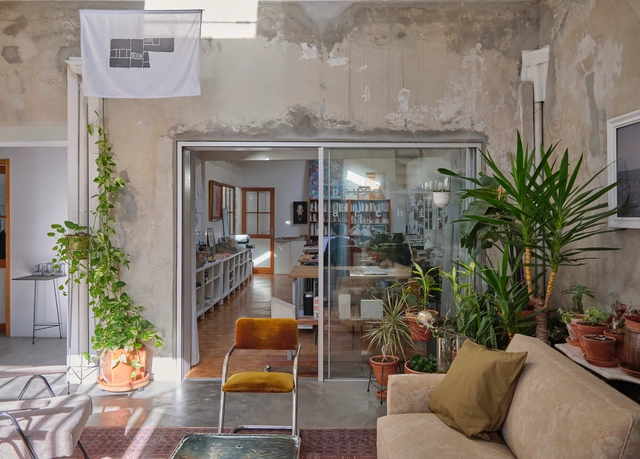
Yet within this persistent context, a new generation of architects has been reshaping the field with quiet determination. Often formed in shared spaces, these practices balance autonomy with collaboration and meticulous detailing with broader urban concerns. Their studios tend to reflect this ethos: modest in scale, defined by adaptive reuse, and rooted in the material reality of the city. In these workspaces, architecture unfolds as a process — sometimes speculative, sometimes grounded — but always reflective of a practice that is deeply local and increasingly global.

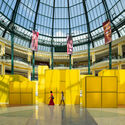
Architecture Offices in Porto Through the Lens of Marc Goodwin - Image 1 of 4Architecture Offices in Porto Through the Lens of Marc Goodwin - Image 2 of 4Architecture Offices in Porto Through the Lens of Marc Goodwin - Image 3 of 4Architecture Offices in Porto Through the Lens of Marc Goodwin - Image 4 of 4Architecture Offices in Porto Through the Lens of Marc Goodwin - More Images+ 29

Porto Architecture City Guide: 24 Sites Showcasing the Essence of Portugal's Invincible City

Subscriber Access | 

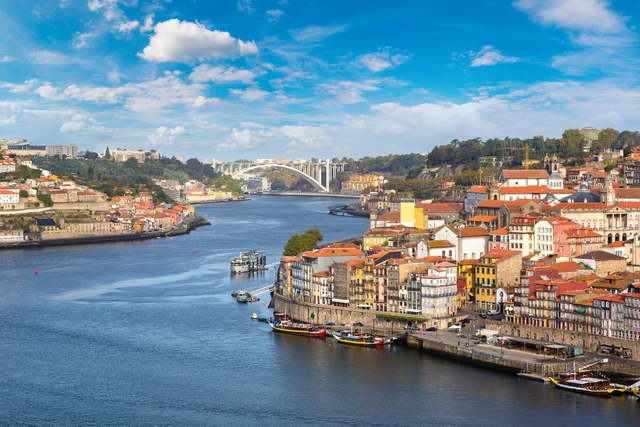
Porto, Portugal's second-largest city, is a captivating blend of historical charm and contemporary innovation. Perched along the Douro River, this UNESCO World Heritage site boasts a rich architectural tapestry that spans centuries. Porto's urban landscape is a testament to its evolving identity from its medieval Ribeira district with narrow cobblestone streets to the iconic Luís I Bridge. The city's skyline is punctuated by Baroque churches, neoclassical palaces, and modernist structures, creating a visually striking contrast that reflects its dynamic history.

Porto has undergone a remarkable architectural renaissance in recent years, becoming a magnet for local and international talent. The city has evolved into a dynamic canvas where bold contemporary designs seamlessly integrate with its rich historical fabric. The influence of renowned architects like Álvaro Siza Vieira and Eduardo Souto de Moura, both Pritzker Prize laureates and native to Porto, has solidified the city's status as a key player on the global architectural stage. Among the city's most striking contemporary landmarks is the Casa da Música, a futuristic, diamond-shaped cultural center designed by Dutch architect Rem Koolhaas, which stands as a testament to Porto's forward-thinking spirit. This sophisticated blend of tradition and modernity, coupled with a strong commitment to urban regeneration, has transformed Porto into a vibrant hub of architectural innovation, making it a must-visit destination for architecture enthusiasts and cultural explorers

Porto Architecture City Guide: 24 Sites Showcasing the Essence of Portugal's Invincible City - Image 1 of 4Porto Architecture City Guide: 24 Sites Showcasing the Essence of Portugal's Invincible City - Image 2 of 4Porto Architecture City Guide: 24 Sites Showcasing the Essence of Portugal's Invincible City - Image 3 of 4Porto Architecture City Guide: 24 Sites Showcasing the Essence of Portugal's Invincible City - Image 4 of 4Porto Architecture City Guide: 24 Sites Showcasing the Essence of Portugal's Invincible City - More Images+ 21

Dissolving Boundaries Between Art and Architecture: Exploring the Works of Diogo Aguiar Studio

Subscriber Access | 

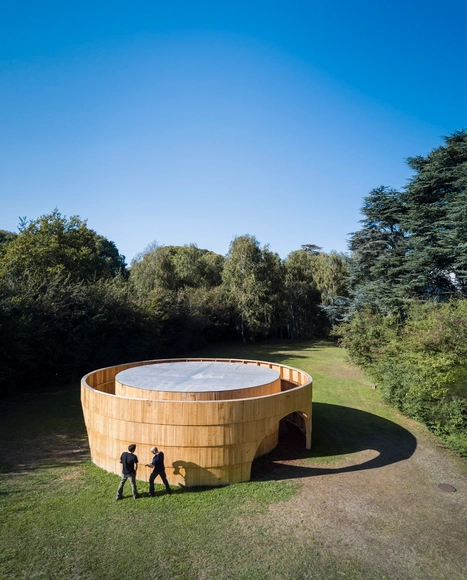
There are numerous intersections between art and architecture, including aesthetic enjoyment, formal element composition, the relationship with the environment, and abstraction. The unique combinations of these aspects distinguish each architecture office or artist in their practice and language. Diogo Aguiar Studio is an architecture office that actively explores these intersections, pushing the boundaries that traditionally separate art from architecture.

Each project is built on the dynamic interaction between architecture and art, serving as its foundation and driving force. This approach yields work that addresses functional requirements and ventures into uncharted territories of spatial research. Notably, materials exploration and sensory aspects in both architectural and immersive artistic spaces stand out as a significant aspects of their endeavors.

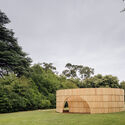
Dissolving Boundaries Between Art and Architecture: Exploring the Works of Diogo Aguiar Studio - Image 1 of 4Dissolving Boundaries Between Art and Architecture: Exploring the Works of Diogo Aguiar Studio - Image 2 of 4Dissolving Boundaries Between Art and Architecture: Exploring the Works of Diogo Aguiar Studio - Image 3 of 4Dissolving Boundaries Between Art and Architecture: Exploring the Works of Diogo Aguiar Studio - Image 4 of 4Dissolving Boundaries Between Art and Architecture: Exploring the Works of Diogo Aguiar Studio - More Images+ 10

Pure Forms (And Emotions): Getting to Know the Work of spaceworkers

Subscriber Access | 

The experience of a space depends on various factors, including its size, lighting, views, temperature, and uniqueness. In essence, multiple architectural elements evoke emotions in individuals, both intentional and unintentional. For architects, alongside considerations like client preferences and project proposals, there exists a formal intention, an aesthetic aspect that aligns with the artistic dimension of their discipline. Striking the right balance between these aspects forms the foundation of architectural thinking. This commitment to balance guides the work of spaceworkers, a firm founded by Carla Duarte, who serves as the financial director, and creative directors Henrique Marques and Rui Dinis.

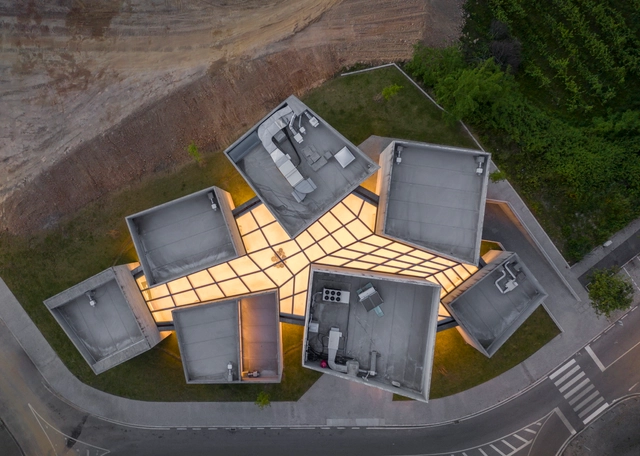
Pure Forms (And Emotions): Getting to Know the Work of spaceworkers - Image 1 of 4Pure Forms (And Emotions): Getting to Know the Work of spaceworkers - Image 2 of 4Pure Forms (And Emotions): Getting to Know the Work of spaceworkers - Image 3 of 4Pure Forms (And Emotions): Getting to Know the Work of spaceworkers - Image 4 of 4Pure Forms (And Emotions): Getting to Know the Work of spaceworkers - More Images+ 8