
-
Architects: Studioninedots
- Area: 1640 m²
- Year: 2023
Cities across the globe are developing comprehensive action plans in order to create a coordinated response to the challenges of climate change. Targets and goals for consumption-based emissions are important for guiding strategic planning and decision-making, improving accountability, and communicating the direction of travel to businesses and the public. National and regional government officials are working with the private sector, international organizations, and civil society to create change at every level, from structural interventions in supply chains and industries to individual choices. This demonstrates a rising understanding of the role of cities in mitigating the adverse effects of rising temperatures.


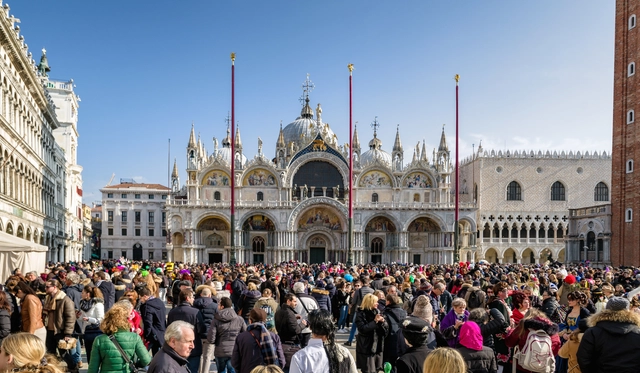
Since pandemic-imposed restrictions have been lifted, Europe has experienced a surge in tourism, with millions of people visiting some of its most attractive destinations, such as Venice, Barcelona or Paris. The large number of visitors has proved to be a challenge for the cities, creating overcrowding and affecting the local population, urban development, and even the natural ecosystems surrounding the urban areas. In a bid to limit this influx, some of Europe’s most popular cities are taking various measures to address the overcrowding and the subsequent social and infrastructural issues. The measures include fines, entrance fees, and time-slot systems to impose some restrictions.

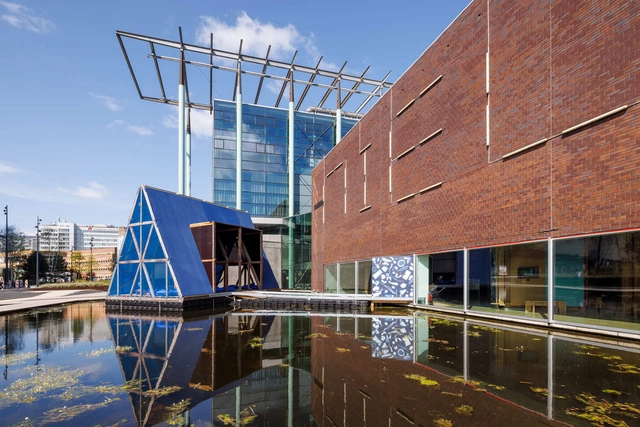
Nieuwe Instituut in Rotterdam has inaugurated the ‘Water Cities Rotterdam. By Kunlé Adeyemi,’ a cultural project comprising of exhibitions along with several floating pontoons and artist installations that present the Nigerian-Dutch architect Kunlé Adeyemi’s waterfront designs in the Netherlands. The exhibition brings a seven-meter-high floating wooden pavilion on the institute’s outdoor ponds. Inside the pavilion, landscape architect and artist Thijs de Zeeuw has created an artwork to allow visitors to experience the pavilion from the perspective of nature while contemplating the consequences of building and living on the water for the surrounding ecology and biodiversity. The entire exhibition is on display at the Nieuwe Instituut until 22 October 2023.
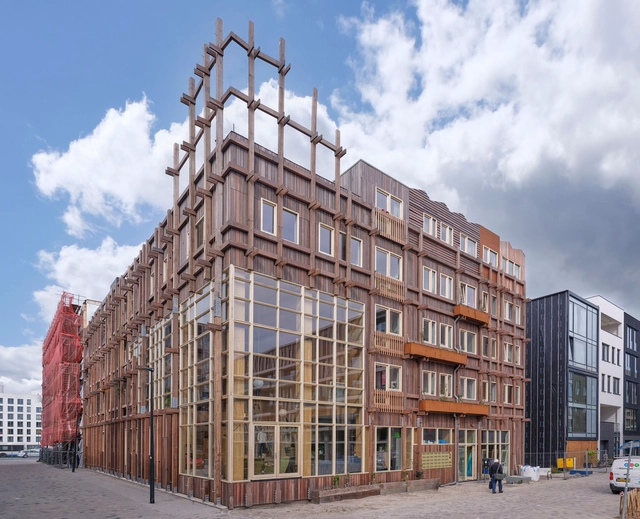

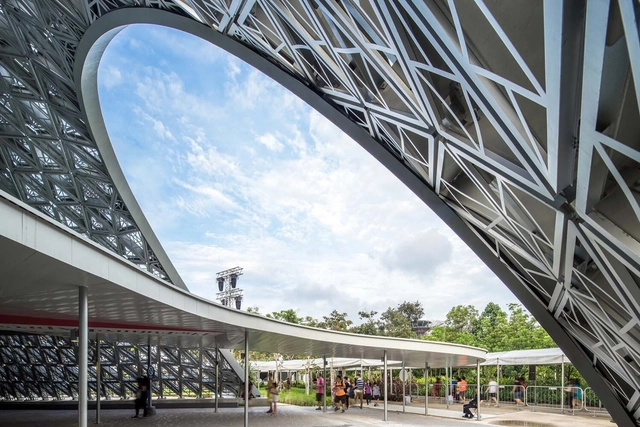
Cities are a canvas for architectural creativity and the dynamism of urban life. In recent years, they have taken on an additional role: that of living laboratories for innovative architecture and urban design. International cities have become experimental grounds for architectural technology, sustainable practices, and human-centered design principles to be tested and refined. This paradigm shift has not only transformed the physical aspects of urban environments but has also redefined the relationship between architecture, community, and the built environment.
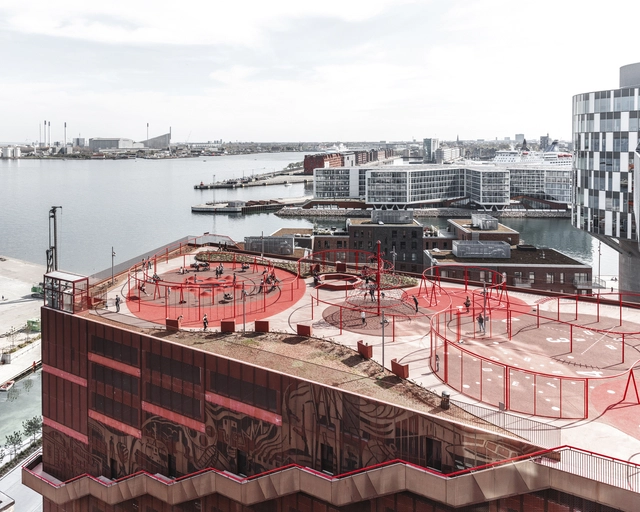
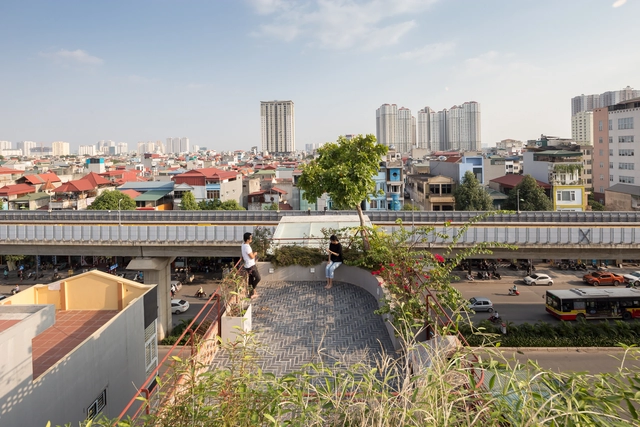
In increasingly denser urban environments, there is a new-found interest in underused spaces as opportunities for further development. Representing up to 25% of cities' land area, rooftops are among the most exciting spatial resources. From sustainable infrastructure and urban farming to social spaces and cultural venues, the article looks into the potential of creating a multi-layered city through the activation of urban rooftops.
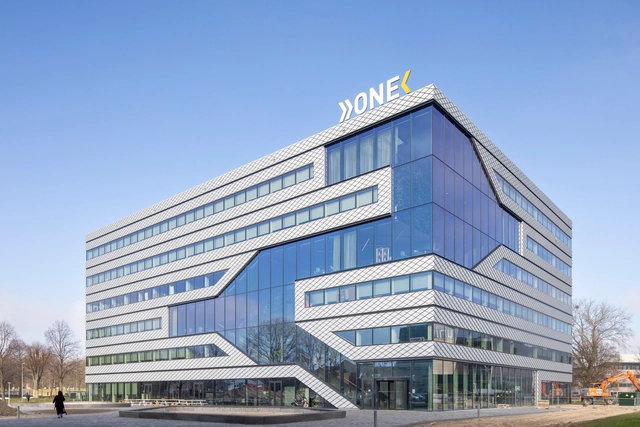
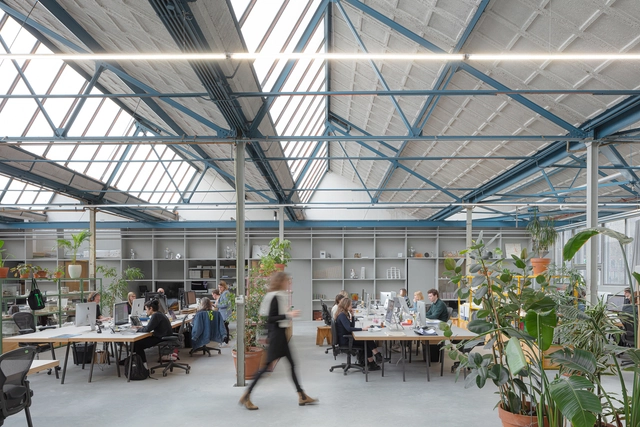
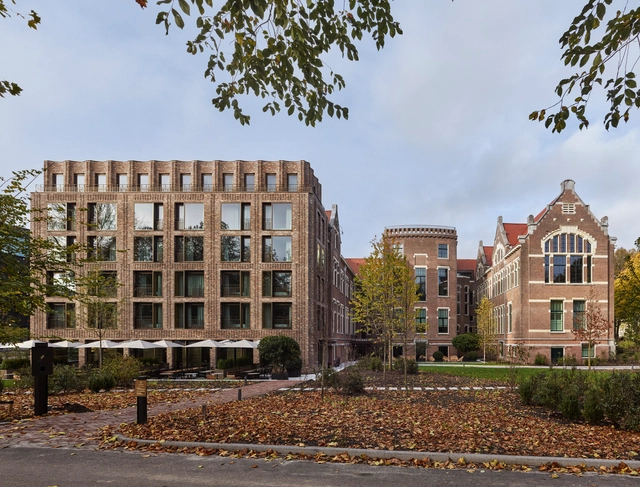
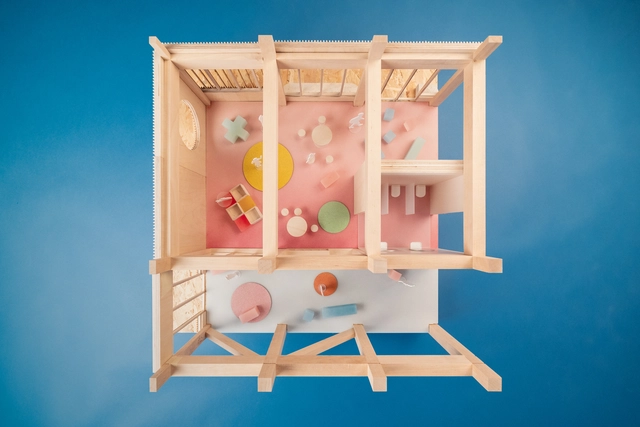
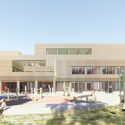
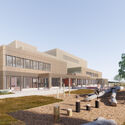
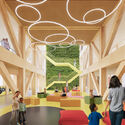
As part of the Circlewood consortium, OMA’s David Gianotten and Michel den Otter have developed a modular system to build schools that can adapt and transform throughout their lifecycle. The system was selected by the City of Amsterdam to be employed to build multiple schools in the coming ten years, as part of the Innovation Partnership School Buildings program. The citywide initiative aims to build nine to thirty “high-quality, flexible, and sustainable” schools as a way to contribute to the city’s goal of becoming fully circular by 2050.
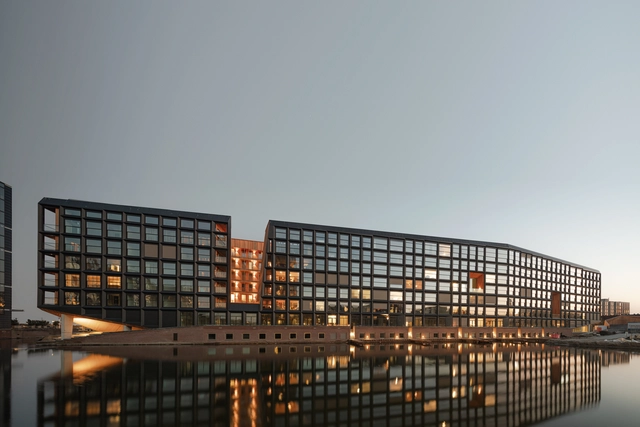
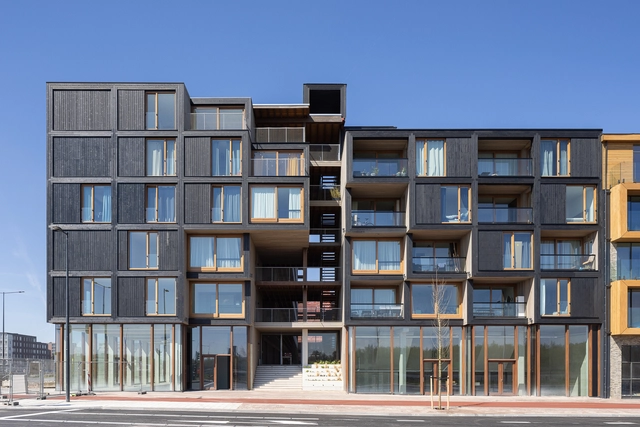
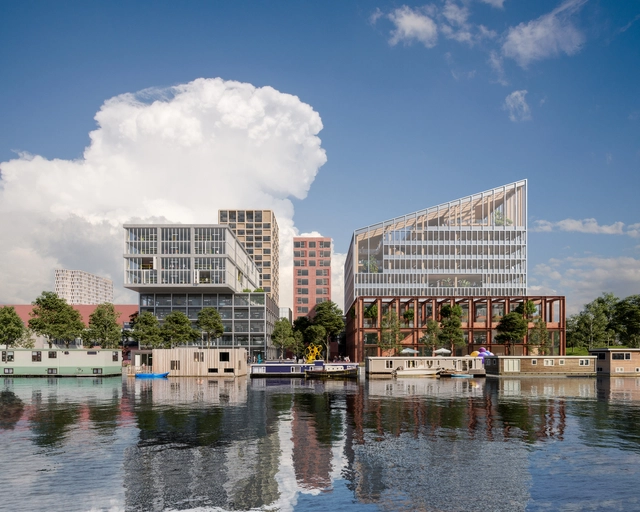
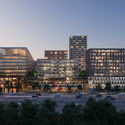
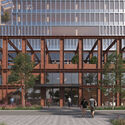
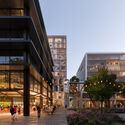
Designed by Mecanoo, Amstel Design District is a mixed-use development that includes social housing, mid-rent residential spaces, private sector homes, and collective facilities. The 80,000 square meters master plan also provides spaces for creative offices and retail, along with cultural institutions such as the 800 square meters design museum. Located between the highway and the metro line, the project responds to site constraints and concerns about noise pollution by creating a composition of stacked volumes with setbacks. This allows for the creation of comfortable public spaces in between the buildings as pocket parks and plazas.