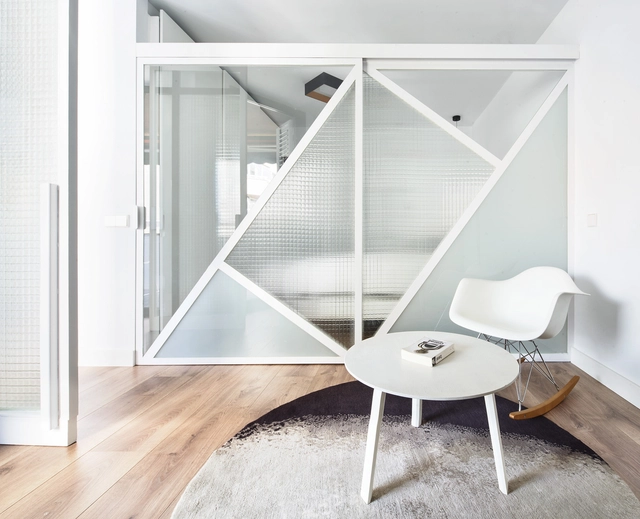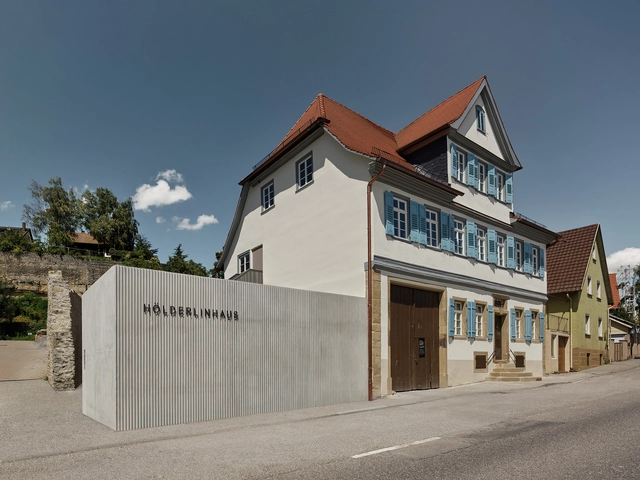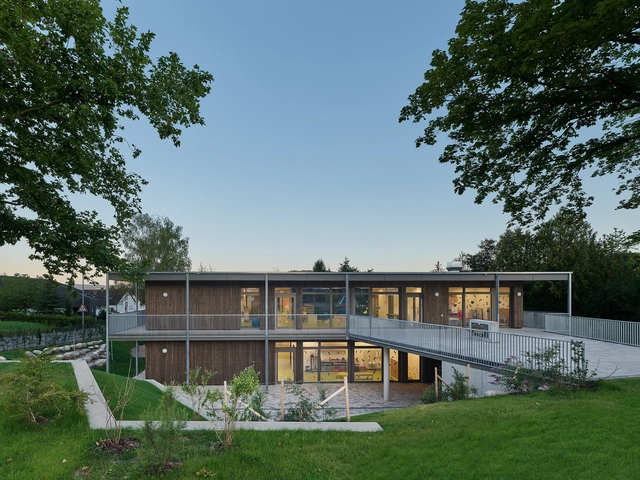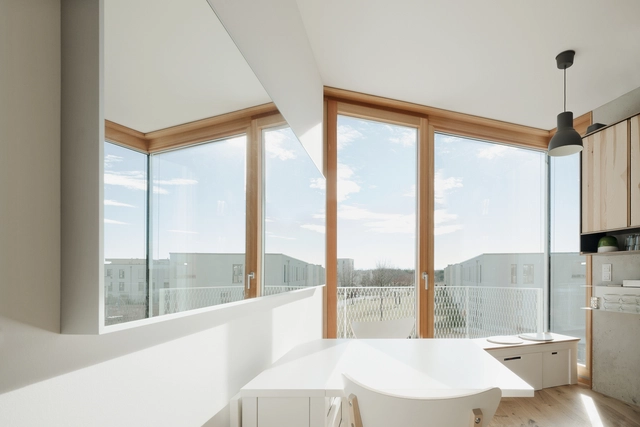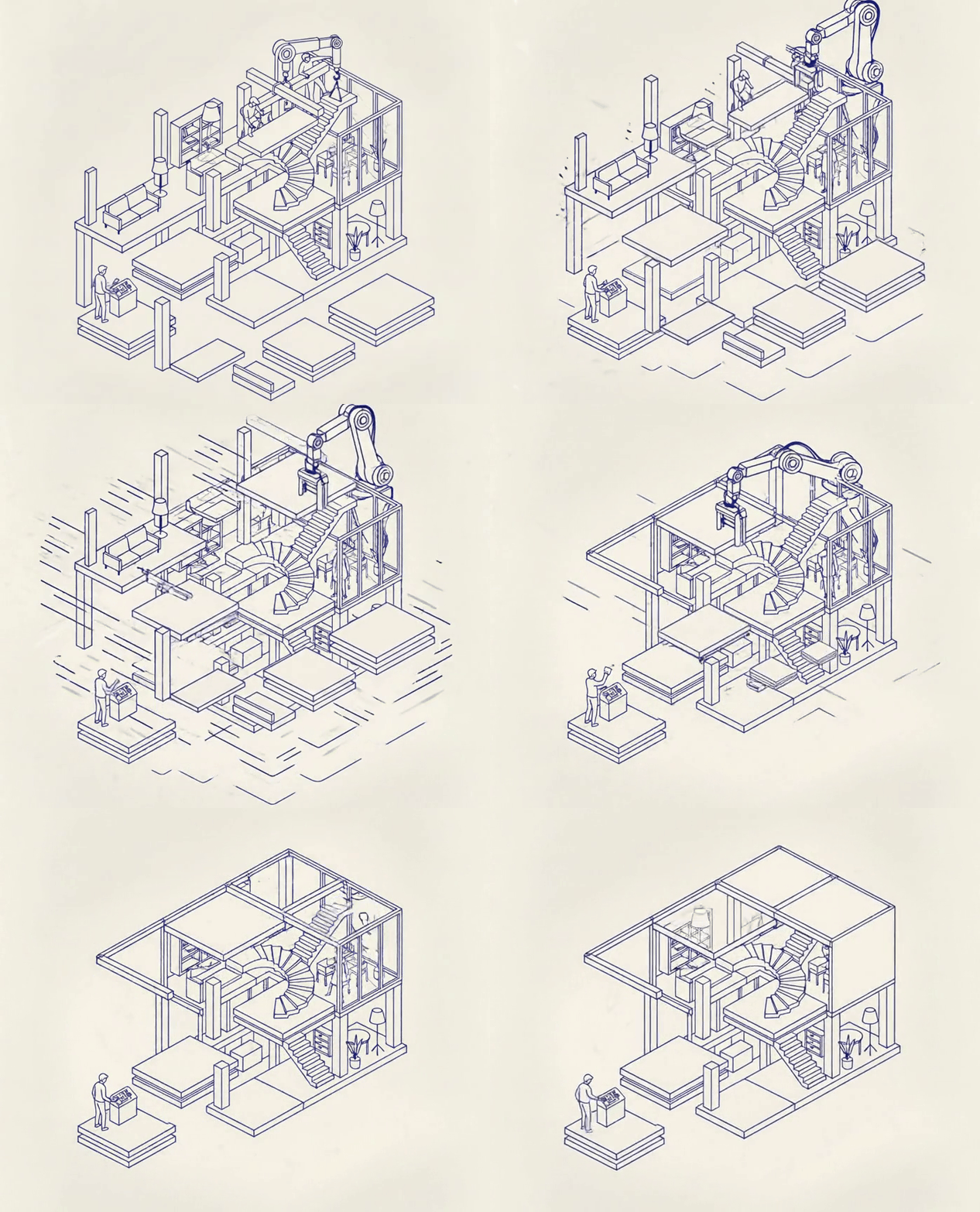
Generative AI (Gemini / Google DeepMind). Concept: Eduardo Souza / ArchDaily
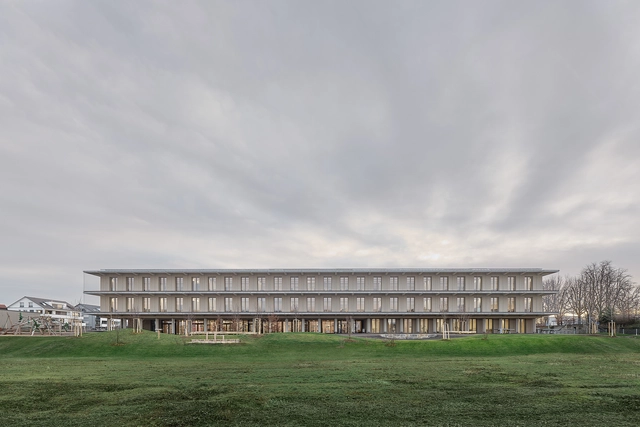
Once synonymous with monotony, “prefabricated” buildings often bring to mind the gray, repetitive housing blocks of the postwar era. But that image no longer fits today’s reality. Powered by digital design, robotics, and advanced materials, prefabrication has evolved into a language of innovation and precision. Far from uniform, it now enables flexible, efficient, and sustainable spaces that reflect the individuality of contemporary architecture.
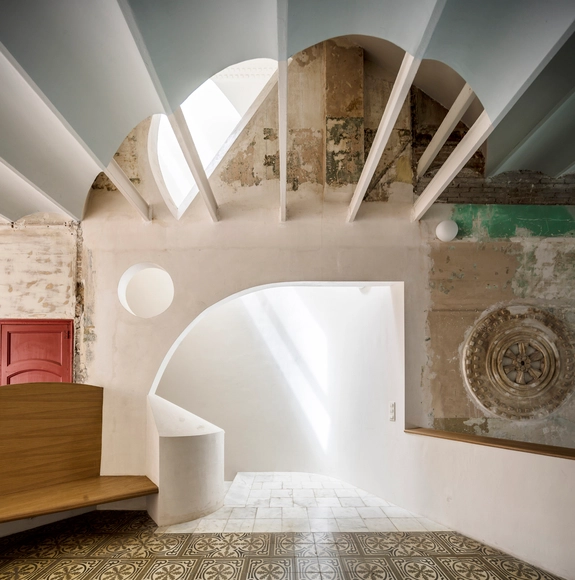
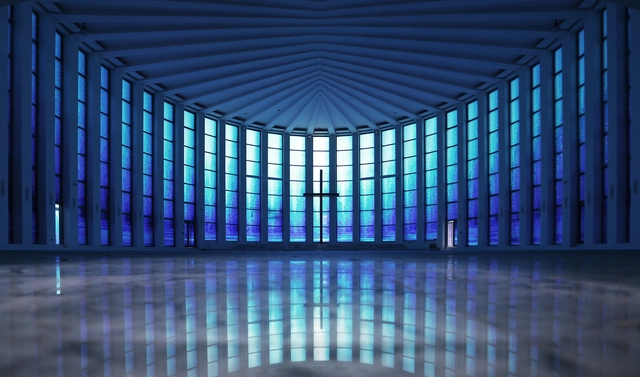
When approaching the design of cultural spaces such as museums, performance venues, or places of research and study, architecture and design professionals often have to assemble pieces of a uniquely challenging puzzle in order to make the structure resonate with a variety of visitors and occupants. Hitting the right chord can be difficult, especially when trying to combine forms into a whole that pays respect to a building's intended use while being timeless in its universality.
One way of making sure a sense of culture is omnipresent: adaptive reuse. The practice of breathing life into historic structures has been on the rise in recent years and is particularly well-suited to creating spaces that address and embody contemporary issues while connecting their inhabitants to the past. But it's not just a sense of updated heritage that makes them stand out; adaptive reuse buildings can fight urban sprawl and unsustainable building practices simply by way of existing.
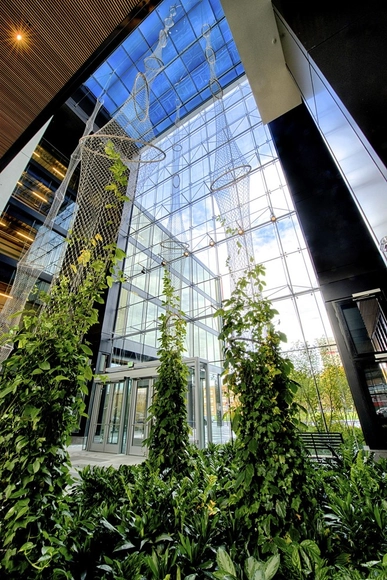
With the high population density of cities and voracious appetite of the market for every square meter, it is not uncommon for urban vegetation to be forgotten. For this reason, forests, vegetable gardens, and vertical gardens have aroused much interest and figured into a variety of different innovative proposals. Using the vertical plane to maintain plants in an urban setting is a coherent and common-sense solution, especially when there is little possibility of bringing green to the level of the people on the streets.
"And a window that looks out on Corcovado. Oh, how lovely." Tom Jobim's lyrics, immortalized by João Gilberto and Astrud Gilberto's voices and a soft guitar, was one of the early songs that introduced the world to the idea of a paradisaical Rio de Janeiro and a promising Brazil, with an increasingly urban population and a modern capital being built from nothing. Almost 60 years later, Paulo Mendes da Rocha casually quotes this song in an interview and points out that for him, in this scene, the most important element is the window, not Corcovado or Christ the Redeemer. That's because it frames the view and directs our eyes to what matters. It is a phrase that goes almost unnoticed, but that carries enormous poetic and artistic significance to the craft of architecture.
Making material recycling commonplace within the architectural field would require a top-down approach in adapting the industry’s processes and standards to create a suitable framework for the task. However, individual endeavours are bringing about change within the profession, pushing for a reconsideration of architecture’s relationship to waste. This article looks at some of the initiatives that are spearheading the transition towards a common practice of material recycling.