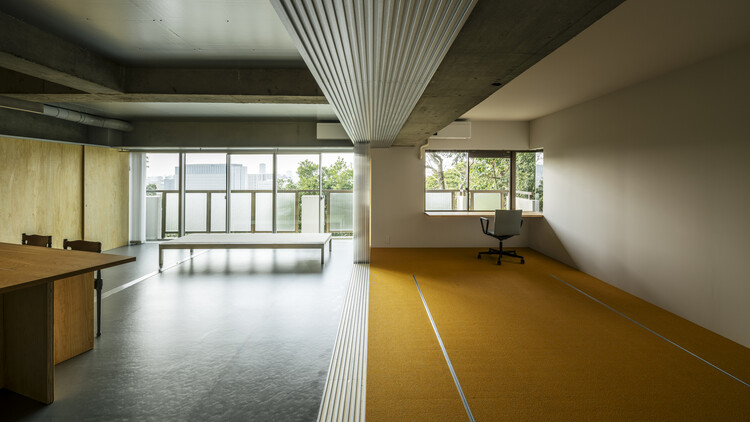
Yurika Kono

BROWSE ALL FROM THIS PHOTOGRAPHER HERE

Hospitality as Heritage Catalyst: 5 Adaptive Reuse Strategies Across Diverse Latitudes

Subscriber Access | 

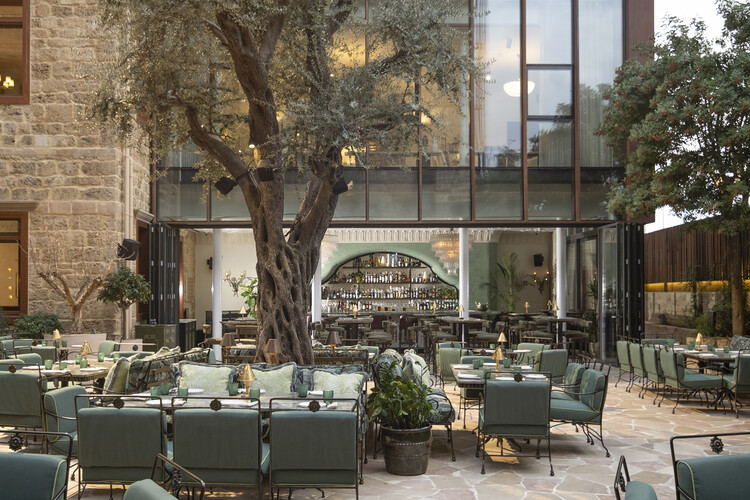
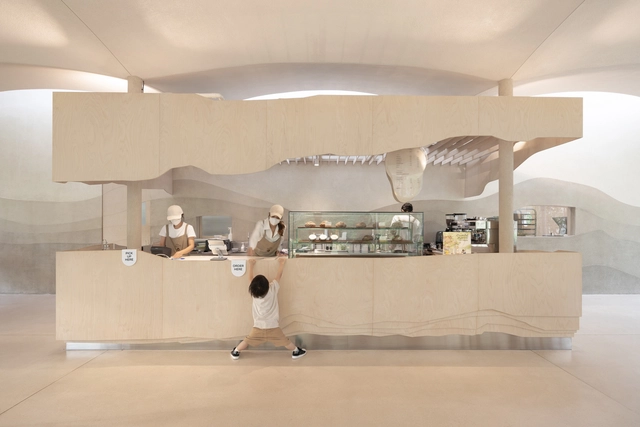
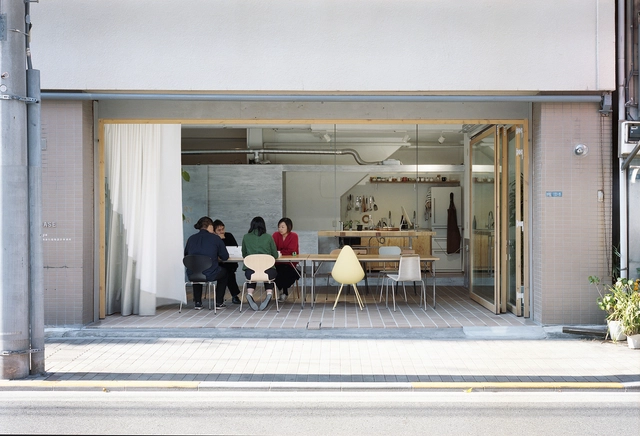
Hospitality-driven programs, specifically coffee shops and social hubs, are partly defined by their role as "third places": social anchors that bridge the gap between private and public life. Unlike residential or commercial office programs that require rigid partitioning for privacy and utility, they rely on expansive, open-plan environments. This allows for an architectural strategy of minimal intervention, allowing the structural envelope to remain intact. By avoiding the subdivision of space, architects maintain uninterrupted sightlines to original masonry, timber frames, or decorative ceilings, ensuring the building's historical narrative remains the protagonist. Simultaneously, the commercial activity provides the necessary maintenance and public engagement to ensure the site's continued existence.

Hospitality as Heritage Catalyst: 5 Adaptive Reuse Strategies Across Diverse Latitudes - More Images+ 1

Green Interiors Trends From Around The World

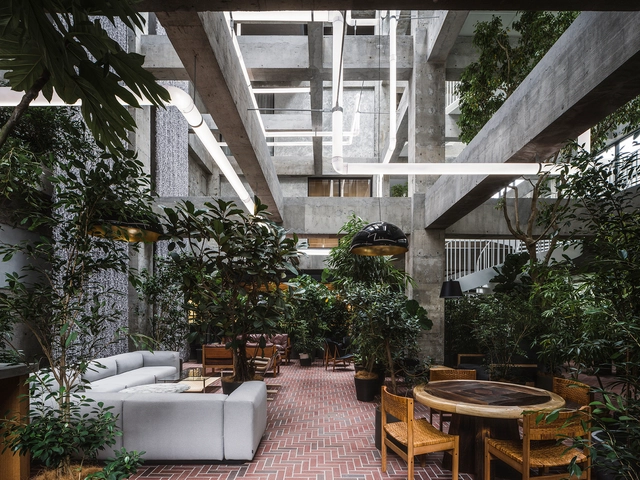
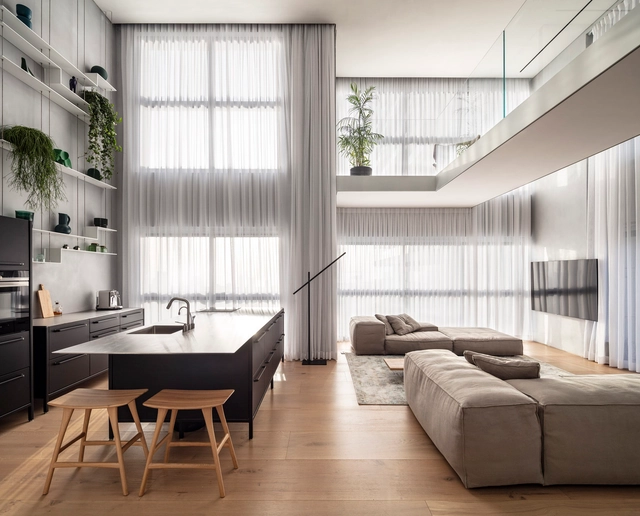
There is not enough that can be said about the benefits of incorporating plants in interiors or Plantscaping. Integrating vegetation indoors serves many purposes, whether practical, aesthetic, or psychological. Although there are basic requirements for incorporating greenery into Homes, well-thought-out plant selections and placements are characteristically different across the world. By going over recent interior works, a few recurrent plantscaping design patterns arose, each reflective of distinctive climates, building styles, and traditional building techniques.

While the type of the chosen plants varies depending on favorable conditions for growth and local availability, the main distinctions are related to the direct environment and display method in which the vegetation is set, as well as its intended purpose. While plants are there to offer mental wellness to some, they are essential for cooling to others, or could even be meant for small-scale farming.

Green Interiors Trends From Around The World - More Images+ 34

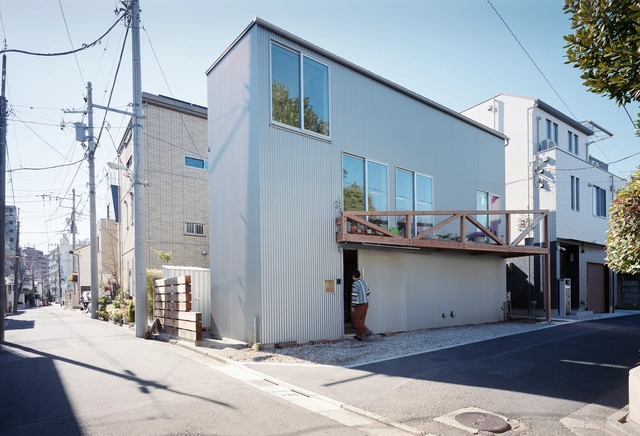
Tent Cabin in Omori / HUNE ARCHITECTS

Tent Cabin in Omori / HUNE ARCHITECTS - More Images+ 14

Tokyo, Japan
  • Architects: HUNE ARCHITECTS
  • Area Area of this architecture project Area:  72
  • Year Completion year of this architecture project Year:  2025

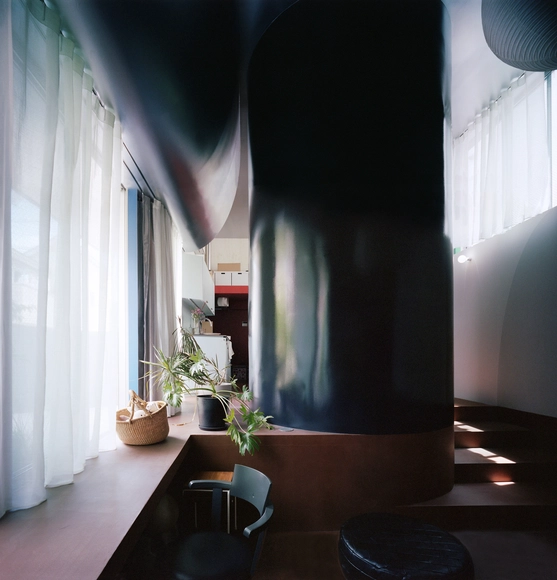
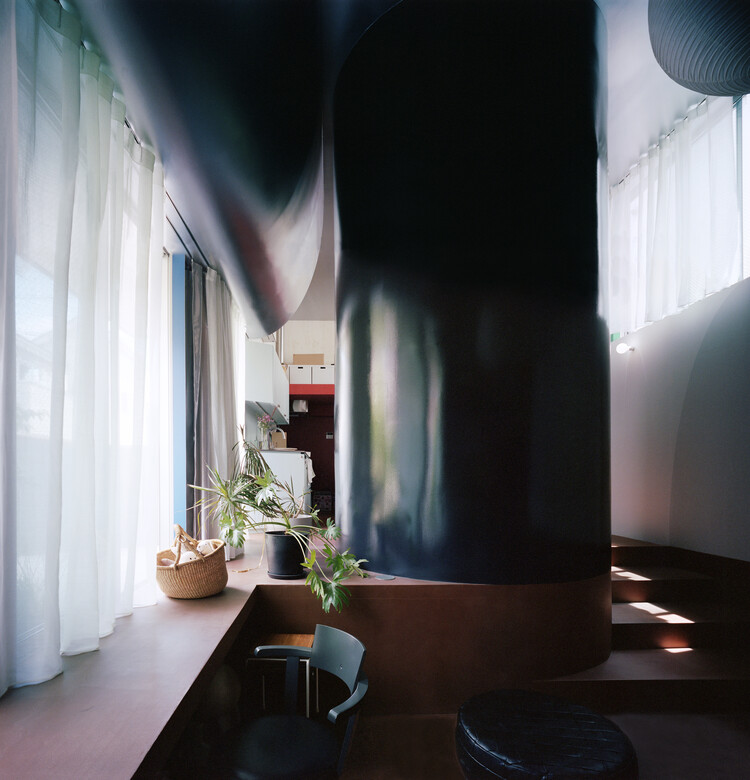
Overlap House / Office Sugurufukuda

Overlap House / Office Sugurufukuda - More Images+ 14

  • Area Area of this architecture project Area:  74
  • Year Completion year of this architecture project Year:  2025

House of After Image / ULTRA STUDIO

House of After Image / ULTRA STUDIO - More Images+ 18

  • Architects: ULTRA STUDIO
  • Area Area of this architecture project Area:  82
  • Year Completion year of this architecture project Year:  2023

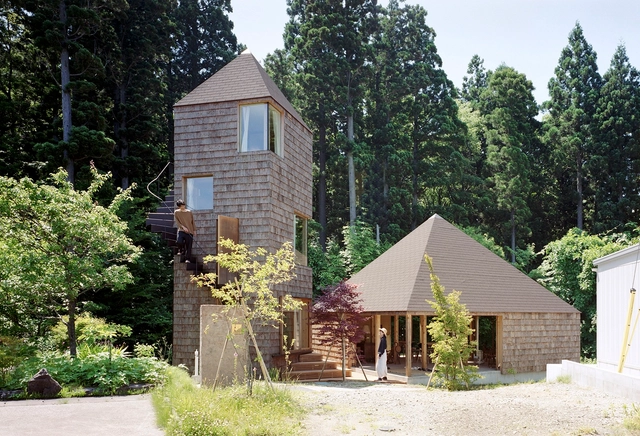
Double House / W

Double House / W - More Images+ 24

Akita, Japan
  • Architects: W
  • Area Area of this architecture project Area:  75
  • Year Completion year of this architecture project Year:  2021

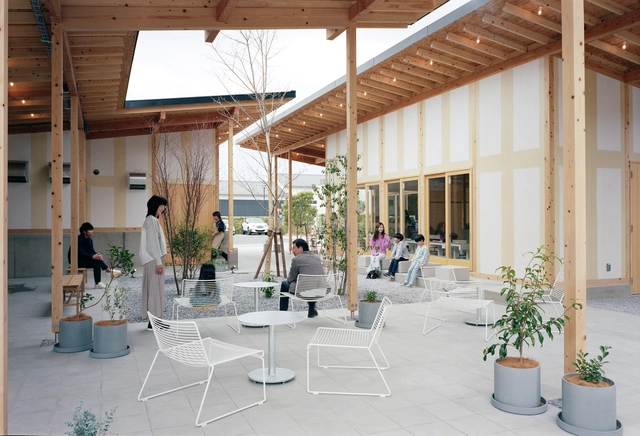
Funamachi Base Store / Jo Nagasaka + Schemata Architects

Funamachi Base Store / Jo Nagasaka + Schemata Architects - More Images+ 15

Ogaki, Japan
  • Area Area of this architecture project Area:  326
  • Year Completion year of this architecture project Year:  2024
  • Manufacturers Brands with products used in this architecture project
    Manufacturers:  FUKUSHIMA GALILEI, Monochrome
  • Professionals: Giken

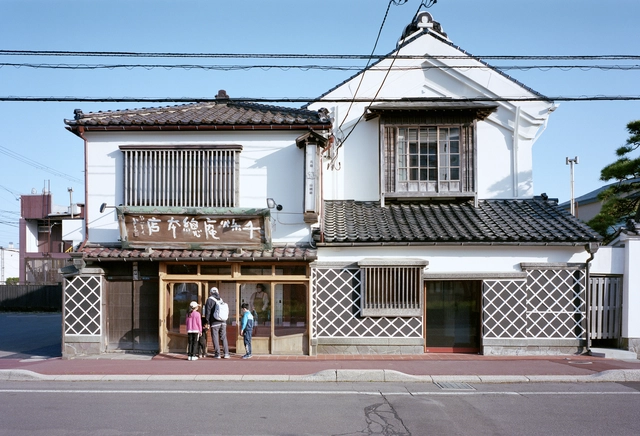
Hakodate Sensyuan Sohonke Café / Jo Nagasaka + Schemata Architects

Hakodate Sensyuan Sohonke Café / Jo Nagasaka + Schemata Architects - More Images+ 13

Flat Renovation in Sakurazaka / ICADA + Masaaki Iwamoto Laboratory

Flat Renovation in Sakurazaka / ICADA + Masaaki Iwamoto Laboratory - More Images+ 46

FarmMart & Friends Shop and Kitchen / Jo Nagasaka + Schemata Architects

FarmMart & Friends Shop and Kitchen / Jo Nagasaka + Schemata Architects - More Images+ 7

Shibuya City, Japan

Ebina Art Freeway House and Atelier / GROUP + Yui Kiyohara + Arata Mino

Ebina Art Freeway House and Atelier  / GROUP + Yui Kiyohara + Arata Mino - More Images+ 18

Down to Earth Practice: How Some Japanese Architects Have Taken their Offices to the Streets

Subscriber Access | 

As the discourse about the way we work continues past the original pandemic concern and past the hybrid, remote, or what was once called traditional office space; employers and employees alike are still revisiting mental comfort requirements of a post-pandemic worker. While there are many types of work environments and worker needs that have to be addressed separately (besides the white-collar or knowledge worker), from a design and policies front; one particular, newborn model has been popping up in recent years, thus far seen through some unique, smallscale yet norm challenging Japanese offices. 

Down to Earth Practice: How Some Japanese Architects Have Taken their Offices to the Streets - More Images+ 13

Amakasu House / FUJIWALABO / Teppei Fujiwara Architects Labo

Amakasu House / FUJIWALABO / Teppei Fujiwara Architects Labo - More Images+ 29

Toshima City, Japan

BASE Office / UtA / Unemori teco Associates

BASE Office / UtA / Unemori teco Associates - More Images+ 8

  • Area Area of this architecture project Area:  281
  • Year Completion year of this architecture project Year:  2020
  • Manufacturers Brands with products used in this architecture project
    Manufacturers:  AGORABRIX, Creation Baumann, Daiko, LIXIL , TOKYOKOEI, +1
  • Professionals: Kyowa SL

Koganeyu / Schemata Architects

Koganeyu / Schemata Architects - More Images+ 26

House for Hamacho / BORD / Gaku Inoue, Kumiko Natsumeda, Ken Akatsuka

House for Hamacho / BORD / Gaku Inoue, Kumiko Natsumeda, Ken Akatsuka - More Images+ 21

Daita2019 House / Suzuko Yamada Architects

Daita2019 House / Suzuko Yamada Architects - More Images+ 34